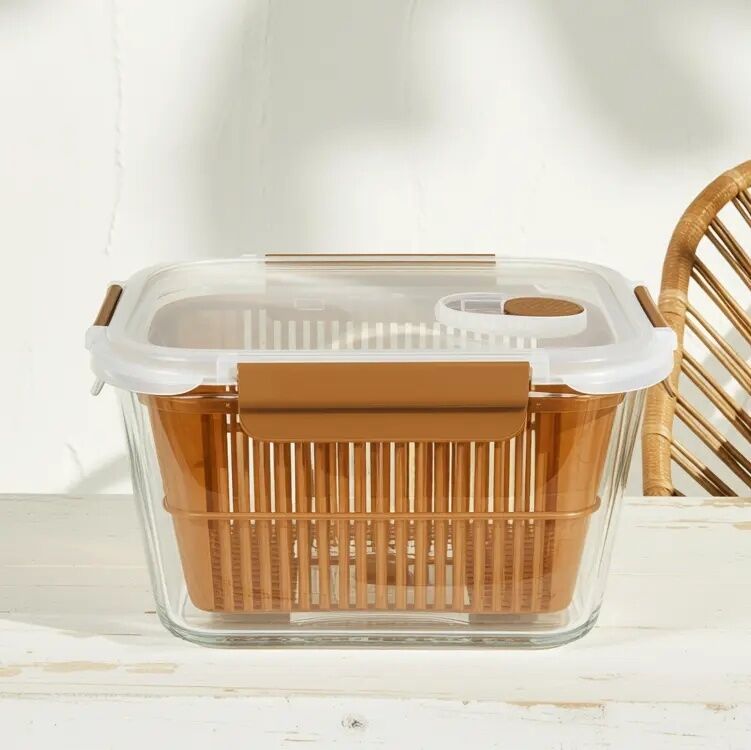
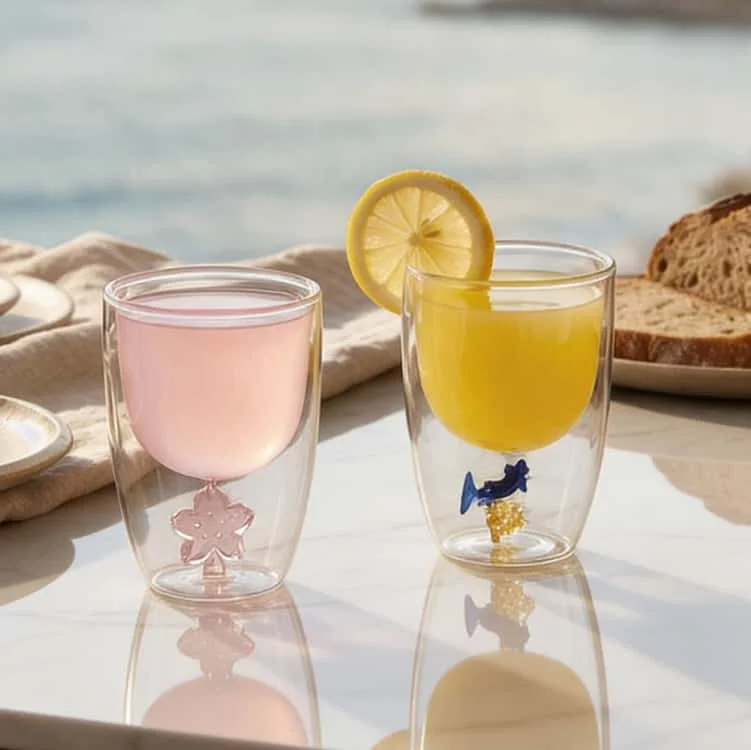
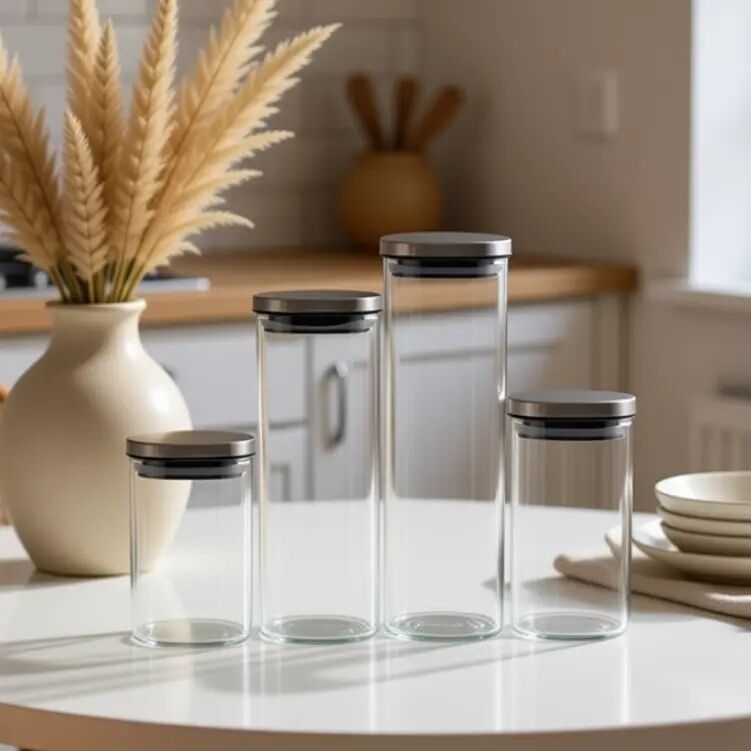
Premium microwavable glass containers Solutions for Kenya Market

Advancing food preservation and culinary efficiency across East Africa with high-borosilicate glass technology.

Glassware Industry Landscape in Kenya

Analyzing the intersection of Kenyan climatic demands and modern food storage needs.

In Kenya, the rapid urbanization of cities like Nairobi and Mombasa has surged the demand for durable glass food storage container options. The tropical climate requires materials that can withstand temperature fluctuations without compromising food safety or structural integrity.

Currently, the market is transitioning from low-cost plastics to healthier alternatives. The preference for stainless steel food storage containers with lids is growing in the outdoor and catering sectors due to their extreme durability in rugged environments.

However, for home cooking and urban meal-prep, the adoption of borosilicate glass is peaking. Kenyan consumers are increasingly seeking professional-grade glass bakeware with lids that seamlessly transition from oven to table, reflecting a shift toward modern, healthy living.
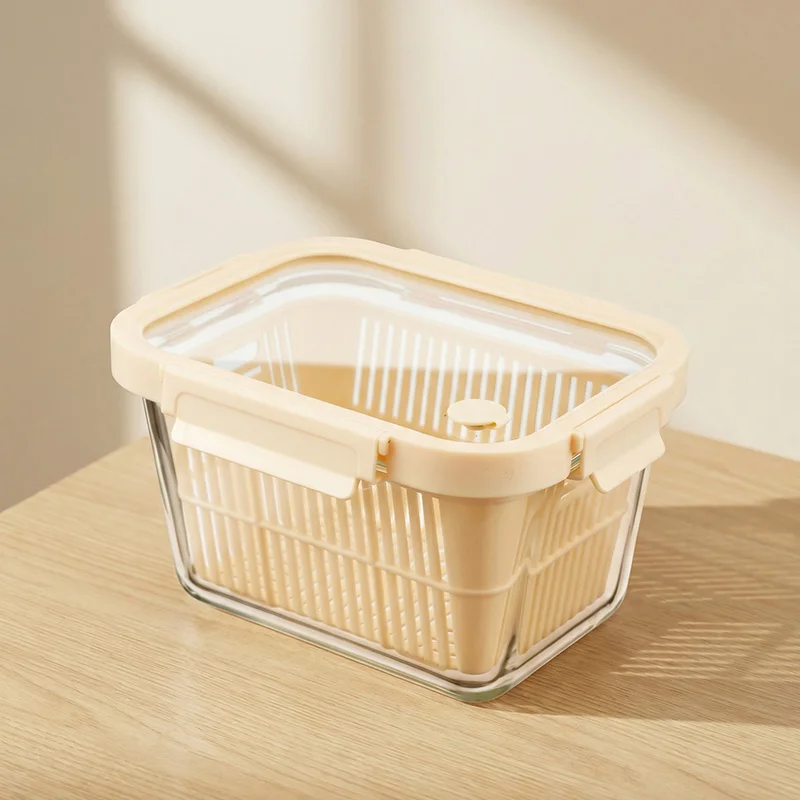
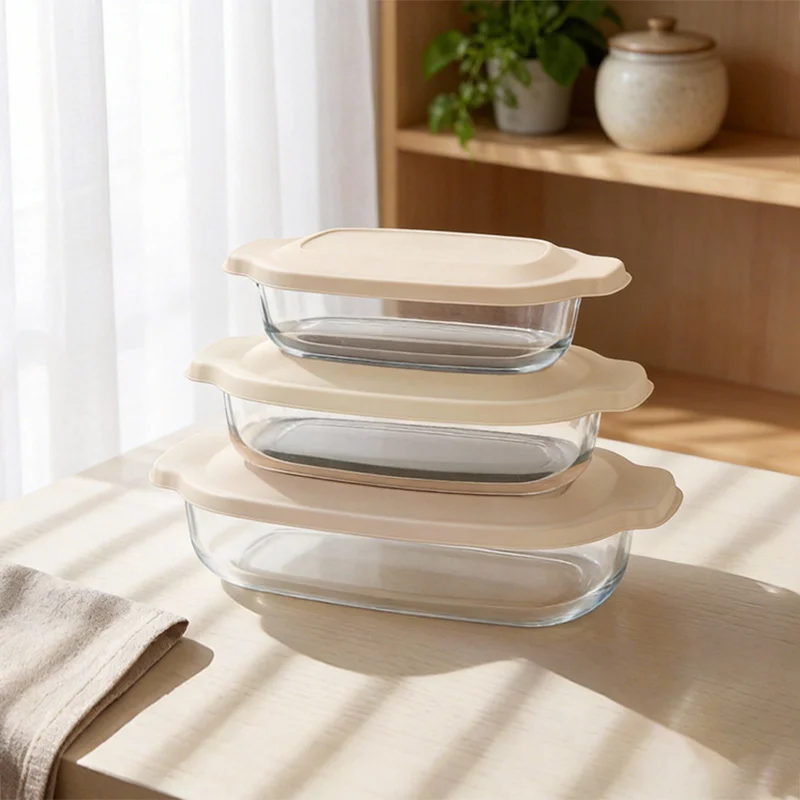
Evolution of Food Storage in East Africa

From traditional ceramics to intelligent thermal glass technology.

Market Development History

Until the early 2010s, the Kenyan market relied heavily on traditional earthenware and basic plastic containers. The lack of specialized thermal glass meant that reheating food often involved risky transfers between vessels.

Between 2015 and 2020, a wave of imported tempered glass entered the market. This period saw the introduction of the glass mixing bowl set as a staple in urban kitchens, improving hygiene and preparation efficiency for local cuisines.

From 2021 onwards, the "Healthy Kenya" movement accelerated the demand for non-leaching materials. The industry shifted toward high-borosilicate standards, enabling the widespread use of containers that are safe for both extreme freezing and high-heat microwaving.

Future Development Trends

Eco-Conscious Material Integration

Future trends indicate a complete phase-out of single-use plastics in Nairobi's food sector, pushing the demand for lifelong glass and steel alternatives.

Smart-Seal Vacuum Technology

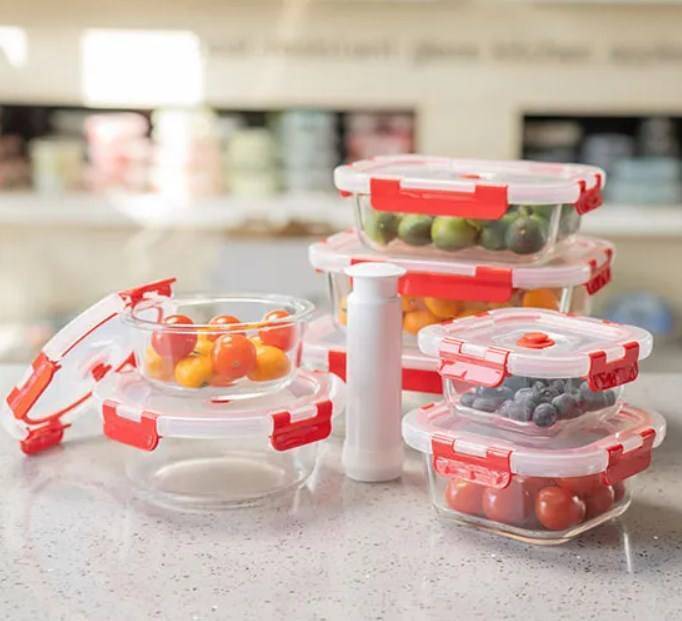
We anticipate the integration of vacuum-seal lids to prolong the shelf life of fresh produce in Kenya's high-humidity coastal regions.

Modular Design for Compact Living

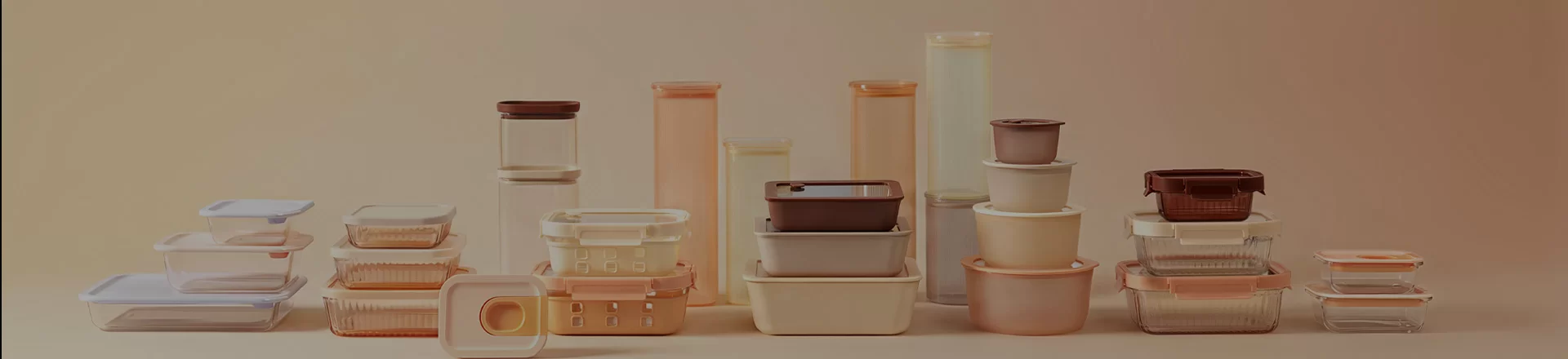
As urban apartment living increases, modular and stackable glass sets will dominate the search trends to optimize kitchen space.

Industry Trends and Future Outlook

Strategic forecasting for the non-metallic mineral products sector in Kenya.

Thermal Shock Resistance
Developing glass that survives the transition from Kenyan refrigerators to high-power microwaves without cracking.
Sustainable Sourcing
Shifting towards 100% recyclable borosilicate glass to support Kenya's Vision 2030 green goals.
BPA-Free Hybrid Lids
Integrating medical-grade silicone lids that provide an airtight seal for long-term food preservation.
Industrial Grade Durability
Engineering glassware that meets the heavy-duty requirements of Kenya's bustling hotel and tourism industry.

Industry Outlook

Google search trends in Kenya show a significant uptick in queries related to "eco-friendly kitchenware" and "microwave safe glass." This indicates a consumer base that is becoming more health-conscious and technologically savvy.

Over the next 3-5 years, we expect the integration of smart-glass materials that can indicate internal temperature, catering to the high-end culinary market in Nairobi.

Localized Application Scenarios in Kenya

Real-world utility of professional glass storage across different Kenyan environments.

01. Urban Meal Prep in Nairobi

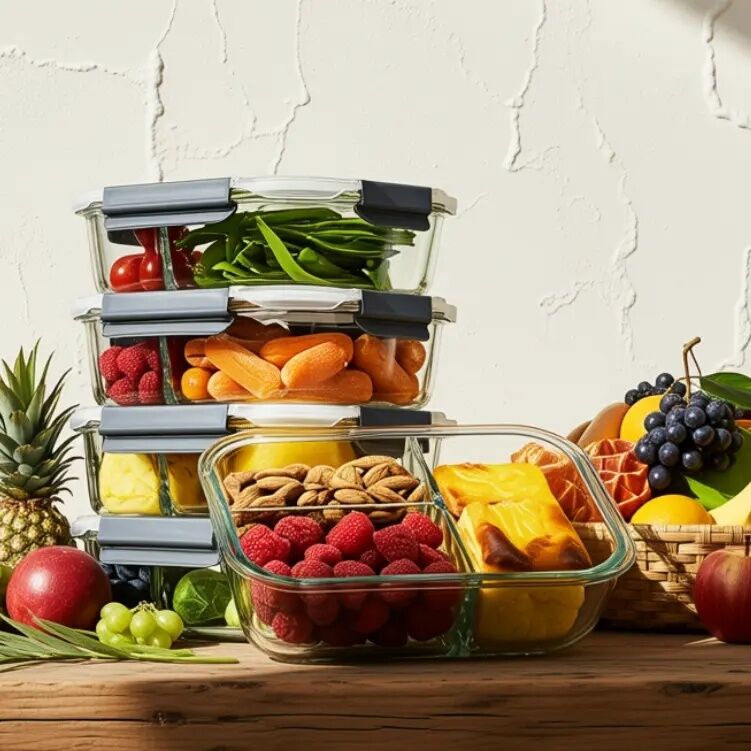
Young professionals in Nairobi use microwavable glass containers to prepare weekly meals, ensuring healthy lunches that can be quickly heated in office microwaves.

02. Coastal Tourism Catering in Mombasa

Hotels and resorts utilize high-capacity glass bakeware with lids to prepare and serve traditional seafood dishes while maintaining temperature and hygiene.

03. Outdoor Safari Logistics

For rugged safari camps, stainless steel food storage containers with lids are preferred for their shatter-proof nature during transport across rough terrains.

04. Traditional Culinary Arts

Home chefs use a professional glass mixing bowl set to handle large quantities of ingredients for family gatherings, benefiting from the non-reactive surface of borosilicate glass.

05. Small-Scale Food Ventures

Local entrepreneurs in "Kibanda" upgrades are adopting glass food storage container sets to display fresh ingredients attractively while keeping them airtight and fresh.

Brand Story

Global Development Journey of Shijiazhuang East Intelligent Technology Co., Ltd.

Foundation of Excellence

Established with a vision to revolutionize non-metallic mineral products, we began by perfecting the borosilicate melting process to eliminate impurities.

Technological Breakthrough

We developed a proprietary annealing technique that significantly increased the thermal shock resistance of our glassware, solving the common "cracking" pain point.

Global Market Expansion

Expanding beyond Asia, we identified the unique needs of the African market, specifically in Kenya, leading to the creation of heavy-duty, localized product lines.

Sustainability Commitment

We integrated eco-friendly manufacturing processes, reducing carbon emissions by 20% and ensuring all glass products are 100% recyclable.

The Future of Glass

Today, we stand as a leader in intelligent glass manufacturing, bridging the gap between traditional craftsmanship and modern material science.

Kenya Market FAQ

Expert answers to common questions regarding glass food storage in East Africa.

Are microwavable glass containers safe for long-term food storage in humid climates?

Yes, our borosilicate glass is non-porous and does not react with food, making it ideal for humid environments like Mombasa where moisture can affect food quality.

How does a glass mixing bowl set compare to plastic for Kenyan traditional recipes?

Glass is superior as it doesn't absorb odors or stains from strong spices and oils commonly used in Kenyan cuisine, ensuring a cleaner taste for every meal.

What are the benefits of stainless steel food storage containers with lids for outdoor use?

Stainless steel provides unmatched durability and impact resistance, making it the best choice for transport during safari tours or outdoor events in rural Kenya.

Can glass bakeware with lids be used directly from the freezer to the oven?

Our high-borosilicate glass is designed for extreme thermal shock resistance, allowing for safe transitions between freezing and baking temperatures.

Where can I buy a wholesale glass food storage container set in Kenya?

We partner with leading distributors across Kenya. You can contact us directly for B2B bulk orders tailored to the East African hospitality sector.

Are the lids on the glass containers airtight enough to prevent insect contamination?

Yes, our lids feature a precision-engineered silicone seal that creates an airtight vacuum, effectively protecting food from pests and air exposure.

Partner with the Glass Experts

Ready to elevate your food storage standards? We provide professional manufacturing solutions for the entire Kenya market.

Contact Us Now

If you are interested in our products, you can choose to leave your information here, and we will be in touch with you shortly.