Premium microwavable glass containers Solutions for Rwanda Market

Integrating high-borosilicate glass technology with durable materials to meet the evolving food storage and preservation needs of Rwandan households and commercial kitchens.

Current State of Glassware Manufacturing in Rwanda

Analyzing the intersection of Rwandan dietary habits and modern material science.

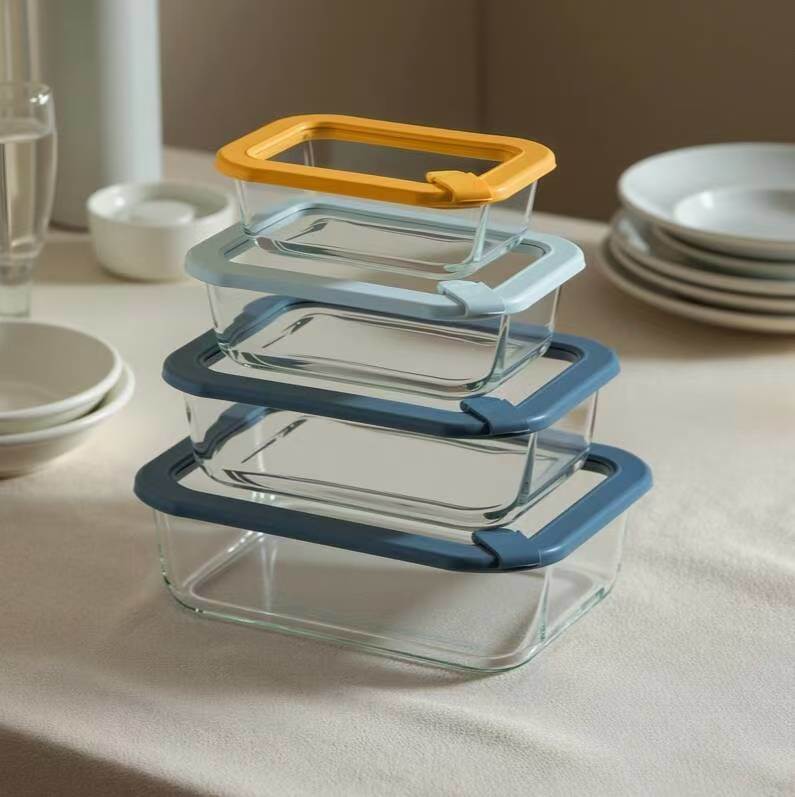
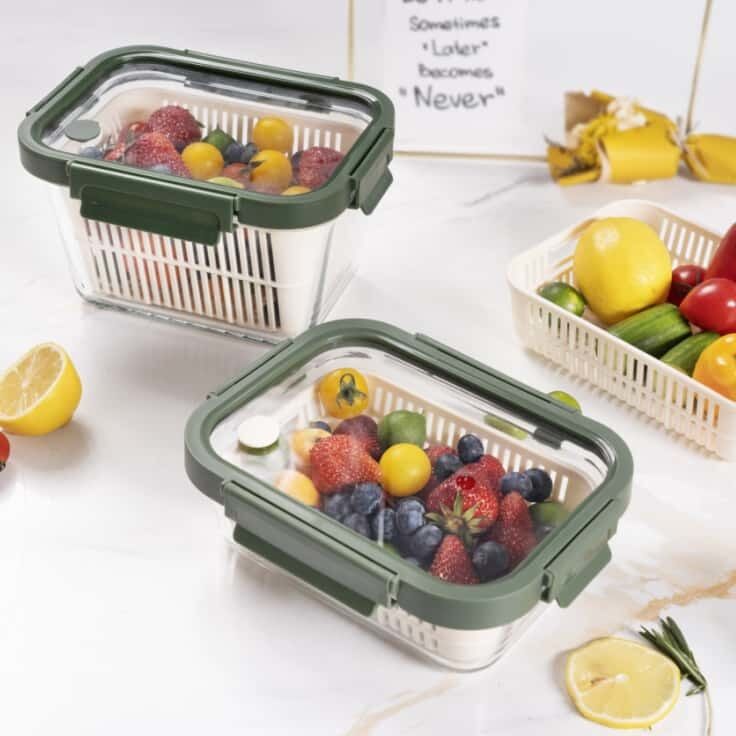
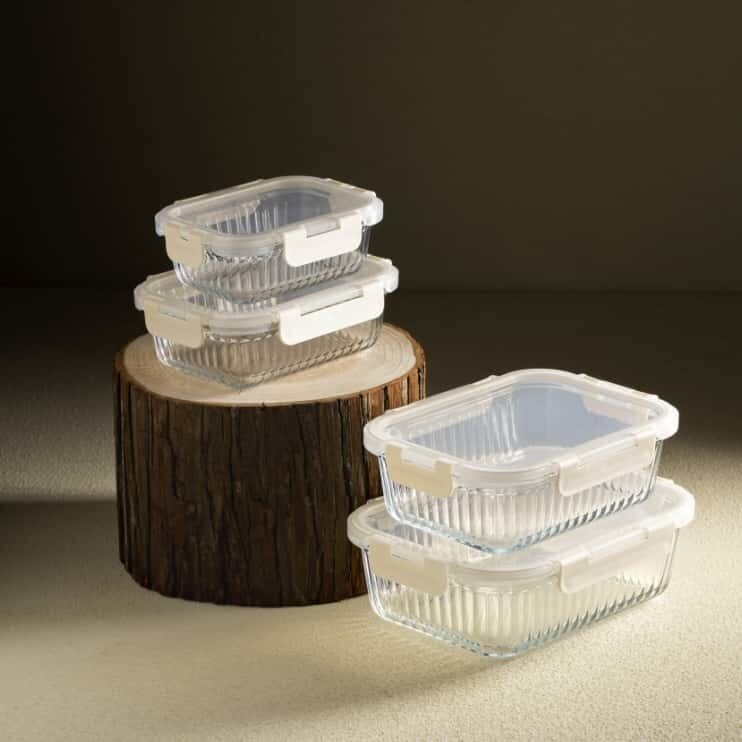
In Rwanda, the food storage market is currently transitioning from traditional plastic and clay vessels to safer, non-reactive materials. With the rise of urban centers like Kigali, there is an increasing demand for glass food storage container options that ensure food hygiene and longevity in a humid subtropical climate.

The local market faces a challenge with fragility and supply chain costs. However, the shift toward health-conscious living has made stainless steel food storage containers with lids popular for outdoor use and transport, while high-quality glass is preferred for domestic reheating and preservation.

Economically, the Rwandan government's focus on "Made in Rwanda" and sustainability has created a vacuum for high-end, recyclable glass products. Consumers are now prioritizing durability and microwave compatibility to align with faster-paced urban lifestyles.
Evolution and Trajectory of Food Storage Technology

From basic utility to smart, thermal-shock resistant engineering.

Market Development History

Prior to 2010, the Rwandan market relied heavily on basic soda-lime glass, which had high thermal expansion coefficients and frequent breakage during temperature shifts. Storage was primarily about containment rather than preservation.

Between 2010 and 2020, the introduction of borosilicate glass revolutionized the sector. The adoption of the glass mixing bowl set became common in professional catering, allowing for seamless transitions from mixing to chilling.

From 2021 to the present, the focus has shifted toward "Hybrid Storage," where airtight silicone seals and tempered glass combine to prevent oxidation, specifically tailored for the Rwandan agricultural produce cycle.

Future Development Trends

Advanced Thermal Shock Resistance

Future iterations will focus on ultra-low expansion glass that allows containers to move from freezer to oven without stress fractures.

Eco-Integrated Lid Materials

Moving away from PP plastics toward biodegradable or bamboo-composite lids for glass containers to align with Rwanda's strict plastic-free policies.

Modular Stackable Architecture

Designing nested systems that optimize small urban kitchen spaces in Kigali through precision-engineered geometric stacking.

Industry Outlook & Future Prospects

Driving the next generation of Rwandan kitchenware through material innovation.

Sustainable Material Shift
Increasing reliance on 100% recyclable glass to support Rwanda's green economy initiatives.
Thermal Efficiency
Enhanced borosilicate compositions for safer microwaving and oven-to-table usage.
Logistics Optimization
Implementing reinforced packaging to reduce breakage during transport across Rwanda's terrain.
Hybrid Material Kits
Combining glass and steel to provide comprehensive kitchen solutions for all temperatures.

Industry Outlook

Based on search trends in East Africa, there is a growing interest in "non-toxic food storage." This indicates a long-term shift away from low-grade polymers toward glass, which is chemically inert and does not leach chemicals into food.

The integration of smart-seal technology and the demand for high-capacity glass mixing bowl set options suggests that Rwandan consumers are investing more in home cooking and professional meal prep.

Localized Application Scenarios in Rwanda

Real-world usage of high-performance glassware in Rwandan daily life.

01. Urban Meal Prepping in Kigali

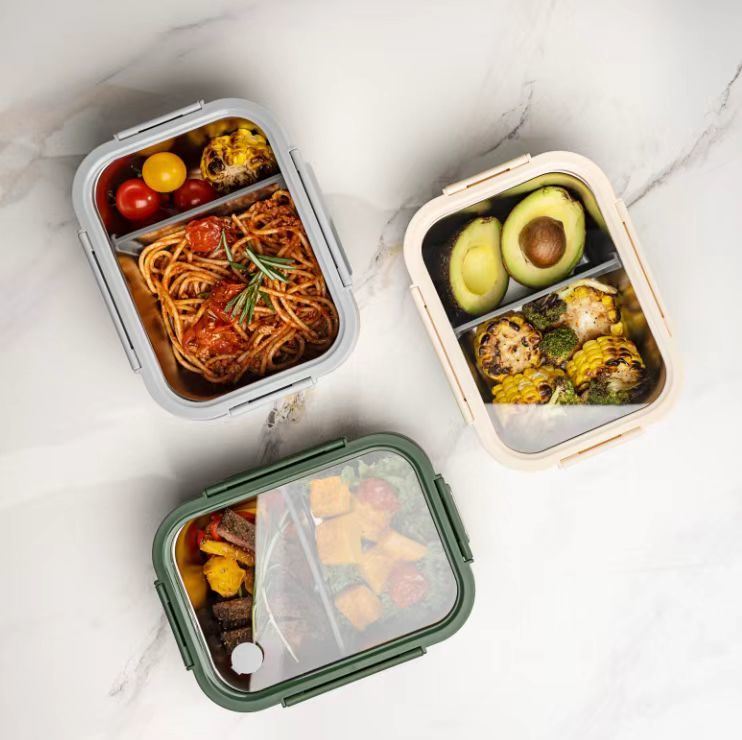
Working professionals in the capital use microwavable glass containers to prepare weekly meals, ensuring freshness and safe reheating in office microwave ovens.

02. High-Altitude Culinary Arts

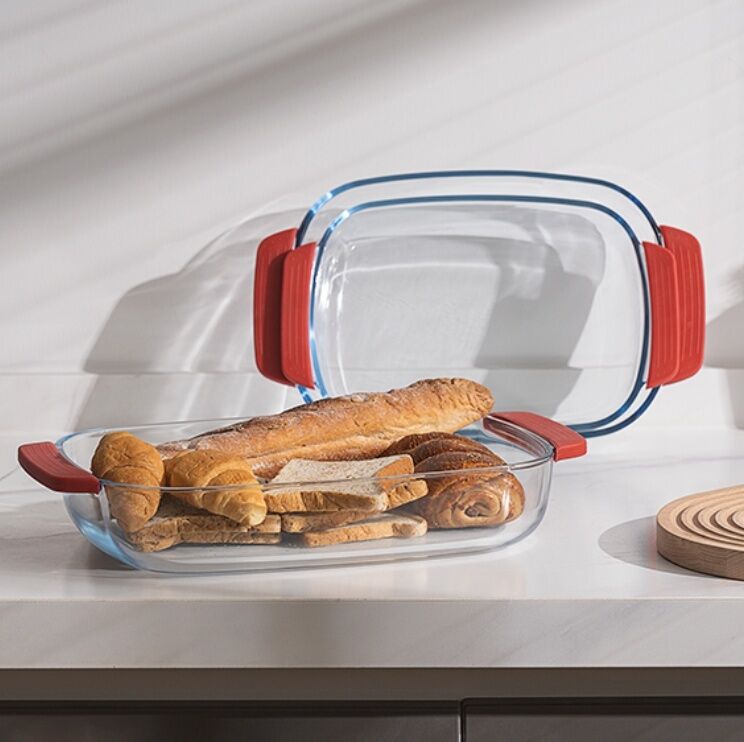
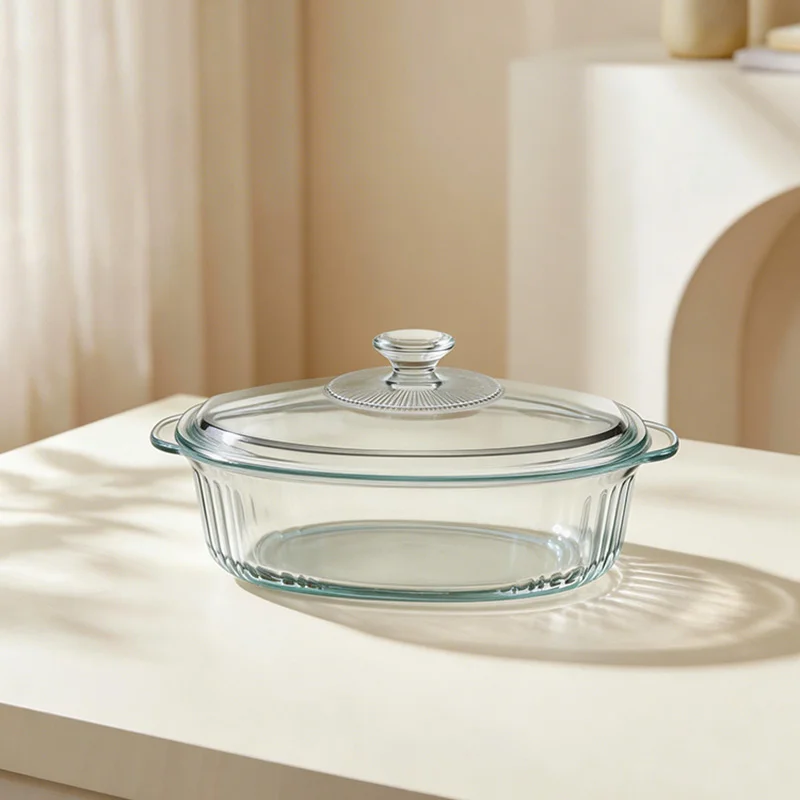
Chefs in the mountainous regions utilize glass bakeware with lids for precise roasting and baking, benefiting from the uniform heat distribution of borosilicate glass.

03. Traditional Market Freshness

Vendors are adopting stainless steel food storage containers with lids for the transport of fresh ingredients, combining the durability of steel with airtight seals to prevent contamination.

04. Family-Style Feast Preparation

During community gatherings, the glass mixing bowl set is essential for preparing large quantities of traditional salads and sides, offering a hygienic and elegant presentation.

05. Sustainable Home Organization

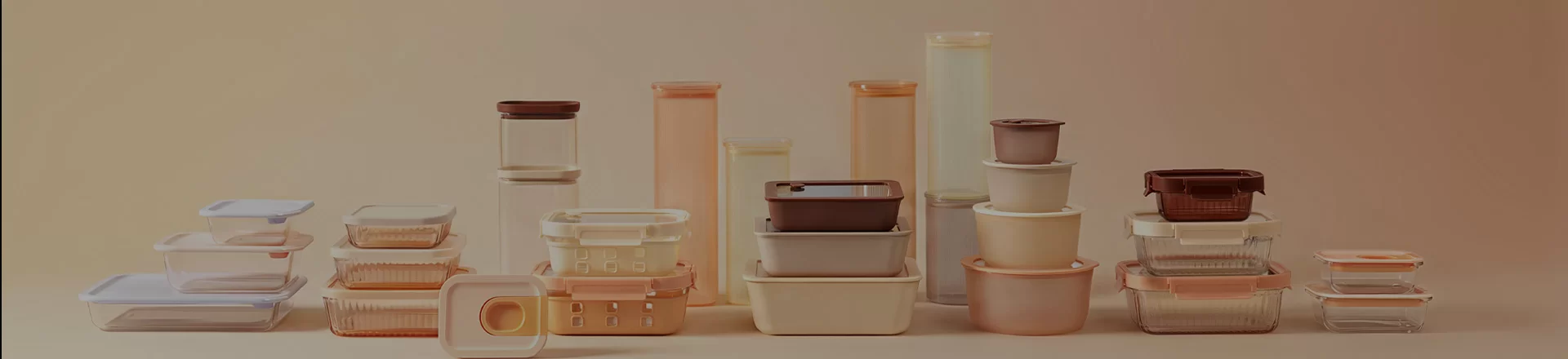
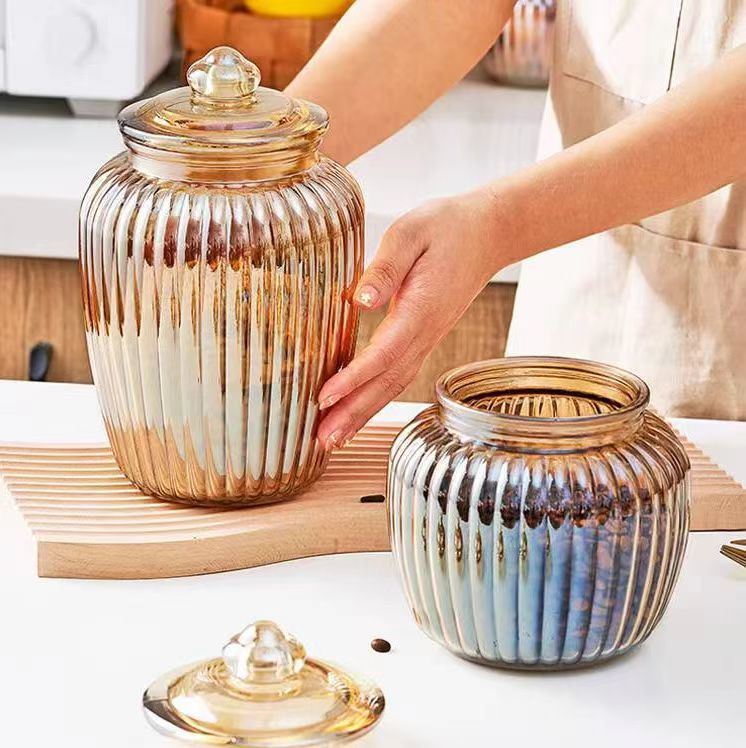
Households are replacing plastic tubs with a standardized glass food storage container system to store dry grains and spices, reducing waste and improving pantry visibility.

Brand Story

Global Development Journey of Shijiazhuang Yisite Intelligent Technology Co., Ltd.

Foundational Precision

Established with a vision to merge traditional glass craftsmanship with intelligent manufacturing, focusing on the purity and strength of borosilicate materials.

Technological Breakthrough

Developed a proprietary annealing process that significantly reduces internal stress in glass, making our containers the safest for extreme temperature shifts.

Global Market Expansion

Expanding our reach to East Africa, specifically Rwanda, to solve the pain point of fragile, low-quality imports by providing industrial-grade home glassware.

Sustainability Integration

Launched the "Green Glass" initiative, ensuring every product is designed for a circular economy, reducing the carbon footprint of global logistics.

Future Intelligence

Investing in AI-driven quality control to ensure zero-defect production for every single unit delivered to our global partners.

Common Questions Regarding Glassware in Rwanda

Expert answers to your technical and usage concerns.

Are microwavable glass containers safe for high-temperature reheating?

Yes, our borosilicate glass containers are designed to handle rapid temperature changes, making them ideal for microwave use without the risk of cracking.

How do stainless steel food storage containers with lids compare to glass for outdoor transport?

Stainless steel provides superior impact resistance for travel, while glass is preferred for reheating and observing contents. We recommend a hybrid approach for Rwandan users.

Can a glass mixing bowl set be used for both chilling and warming?

Absolutely. Our sets are engineered for thermal versatility, allowing you to move from a refrigerator to a preheated oven safely.

What makes glass bakeware with lids better than metal pans for baking?

Glass provides more even heat distribution and doesn't react with acidic foods, ensuring the original flavor of Rwandan ingredients is preserved.

Is the glass food storage container leak-proof for liquid-based Rwandan stews?

Yes, our containers feature precision-molded lids with silicone gaskets that create an airtight seal, preventing leaks and odors.

How should I maintain the longevity of my borosilicate glassware?

Avoid placing hot glass directly on cold marble surfaces. Use a trivet and avoid using abrasive metal scrubbers on the glass surface.

Connect With Our Glassware Experts

Looking for industrial-scale supply or customized kitchenware solutions in Rwanda? Our technical team is ready to assist you.

Contact Us Now

If you are interested in our products, you can choose to leave your information here, and we will be in touch with you shortly.