Premium glass bakeware with lids Solutions for North Korea Market

Advanced borosilicate glass manufacturing integrating thermal shock resistance and food-grade safety for the unique culinary demands of North Korea.

Premium glass bakeware with lids Solutions for North Korea Market

We provide high-durability, non-toxic glassware designed to withstand extreme temperature fluctuations and long-term storage, ensuring food security and hygiene for households and commercial kitchens.

Glassware Manufacturing Status in Asia - North Korea

Analyzing the intersection of industrial glass production and domestic consumer needs.

In North Korea, the manufacturing of daily-use glassware has traditionally focused on basic functionality. Due to the cold continental climate, there is a significant demand for microwavable glass containers that can handle rapid heating for winter food preparation without cracking.

The local market is currently transitioning from rudimentary soda-lime glass to high-borosilicate materials. This shift is driven by a need for more durable glass food storage container options that reduce waste and maintain the nutritional value of fermented traditional foods like Kimchi.

Despite industrial constraints, there is a growing preference for hybrid storage solutions. The integration of stainless steel food storage containers with lids alongside glass sets is becoming a standard for families seeking long-term durability and airtight sealing to prevent food spoilage.
Evolution of Glassware Production & Trajectory

From traditional molding to precision-engineered thermal glass.

Market Development History

Prior to 2010, the focus was primarily on heavy-duty soda-lime glass produced in large state-owned factories, where thermal resistance was minimal and fragility was high.

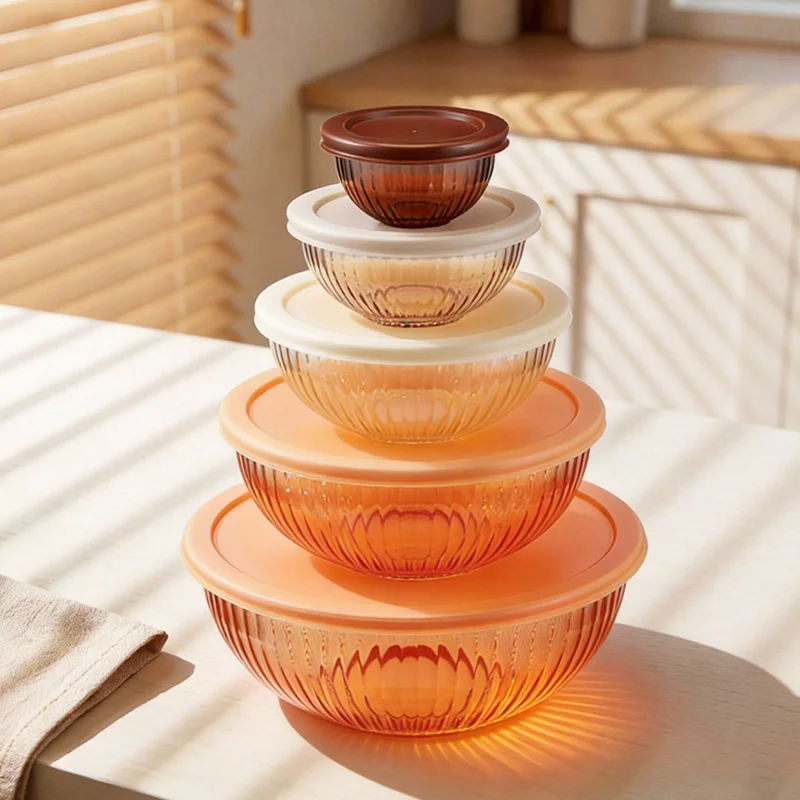
Between 2010 and 2020, the introduction of tempered glass technology allowed for the creation of a more robust glass mixing bowl set, enabling users to prepare large quantities of food more efficiently.

From 2021 to the present, the industry has pivoted toward "Smart Glassware," emphasizing chemical purity and airtight sealing mechanisms to align with modern health standards and energy-saving heating methods.

Future Development Trends

Eco-Friendly Material Integration

Moving toward 100% recyclable borosilicate glass to reduce the environmental footprint of industrial glass production in the region.

Advanced Vacuum Sealing

Development of lids with improved vacuum technology for glass food storage container units to extend the shelf life of produce during harsh winters.

High-Frequency Induction Compatibility

Engineering glass composites that are compatible with a wider range of energy-efficient cooking appliances common in urban centers.

Industry Trends & Future Outlook

Strategic foresight for the glass manufacturing sector in Asia - North Korea.

Thermal Shock Optimization
Enhancing glass expansion coefficients to prevent breakage in extreme temperature shifts.
Modular Storage Design
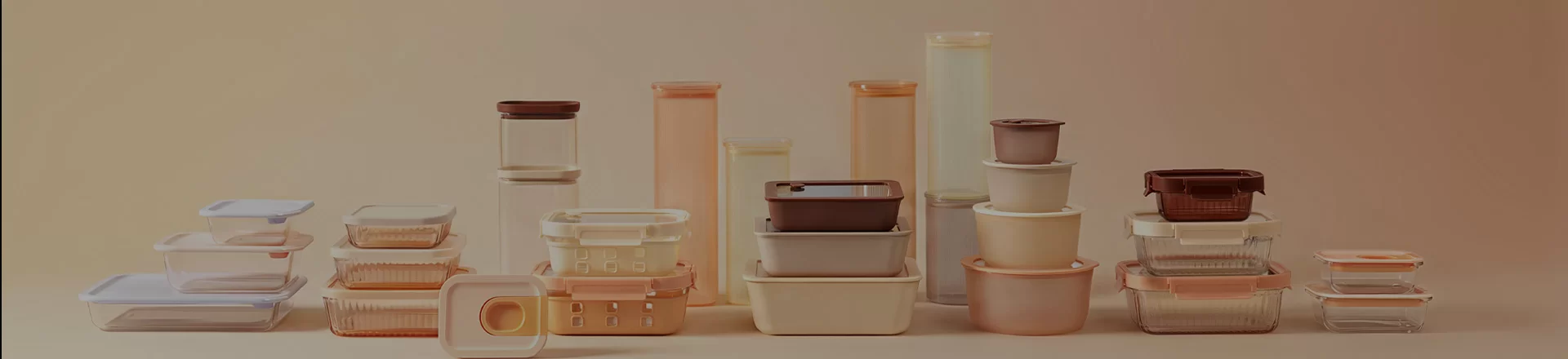
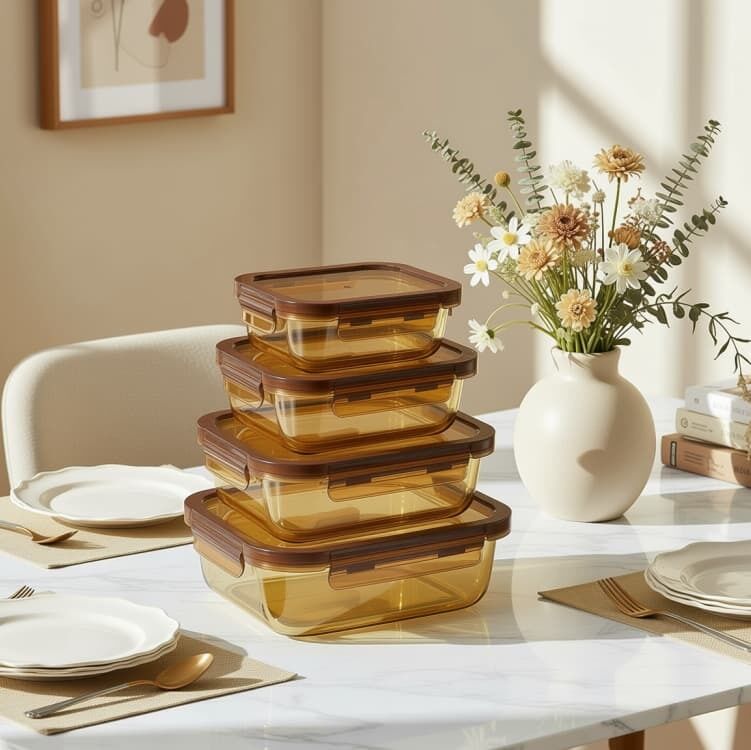
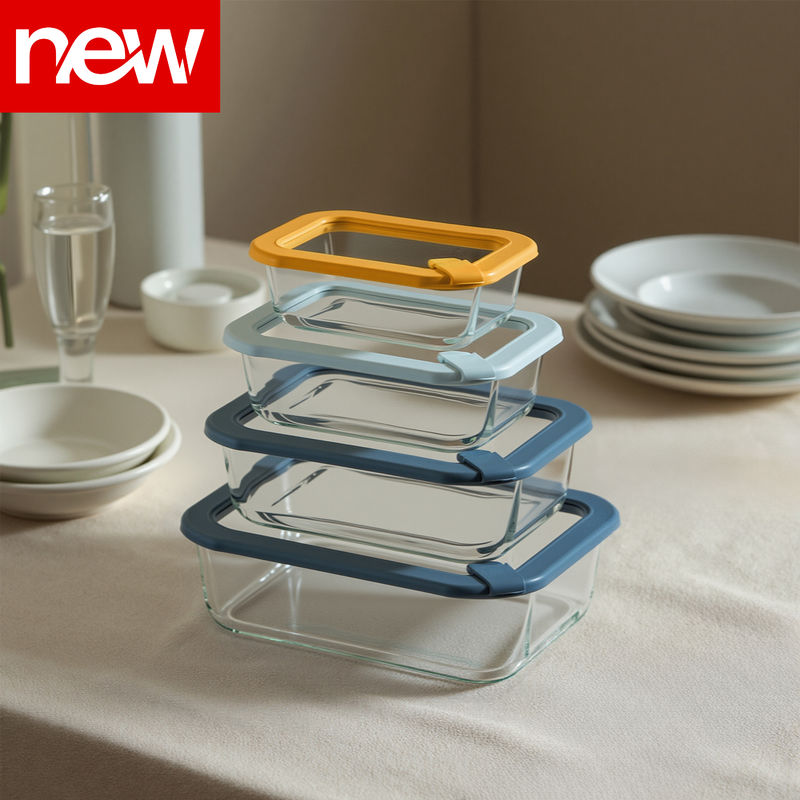
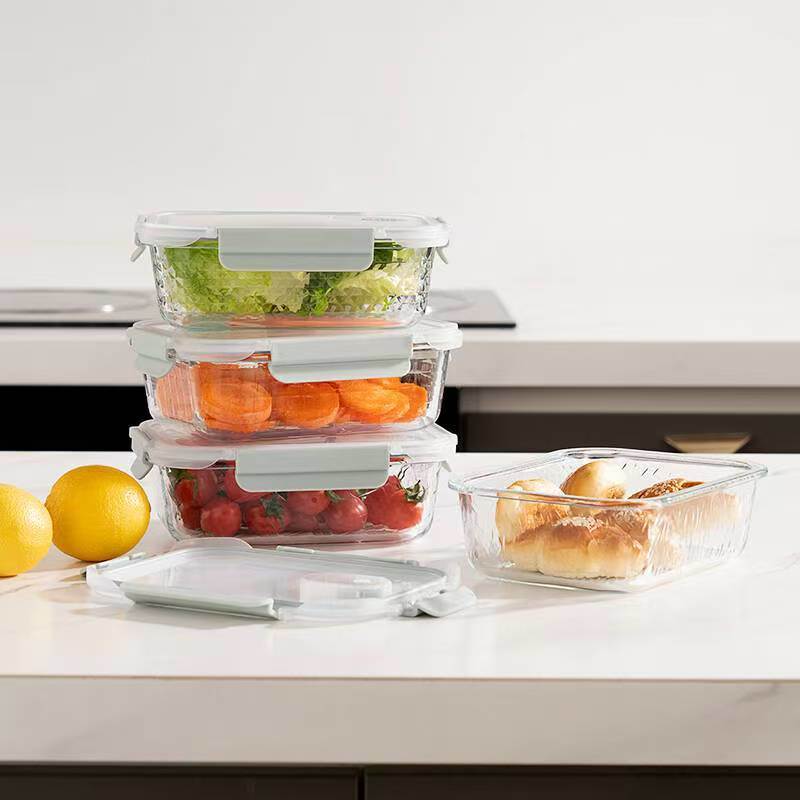
Creating stackable systems to optimize small kitchen storage spaces in urban apartments.
BPA-Free Lid Evolution
Replacing traditional plastics with medical-grade silicone for safer high-temperature use.
Hybrid Material Fusion
Combining borosilicate glass and stainless steel for industrial-grade food preservation.

Industry Outlook

Over the next 3-5 years, we expect a surge in demand for specialized cookware that balances traditional cooking methods with modern energy efficiency. This will drive the adoption of lightweight yet high-strength glass.

Google search trends suggest an increasing global interest in "zero-waste" and "plastic-free" kitchens, a trend that is beginning to penetrate the Asia-Pacific region, favoring long-lasting glass solutions over disposable plastics.

Localized Application Scenarios in North Korea

Practical uses for professional glassware in regional environments.

1. Winter Food Preservation

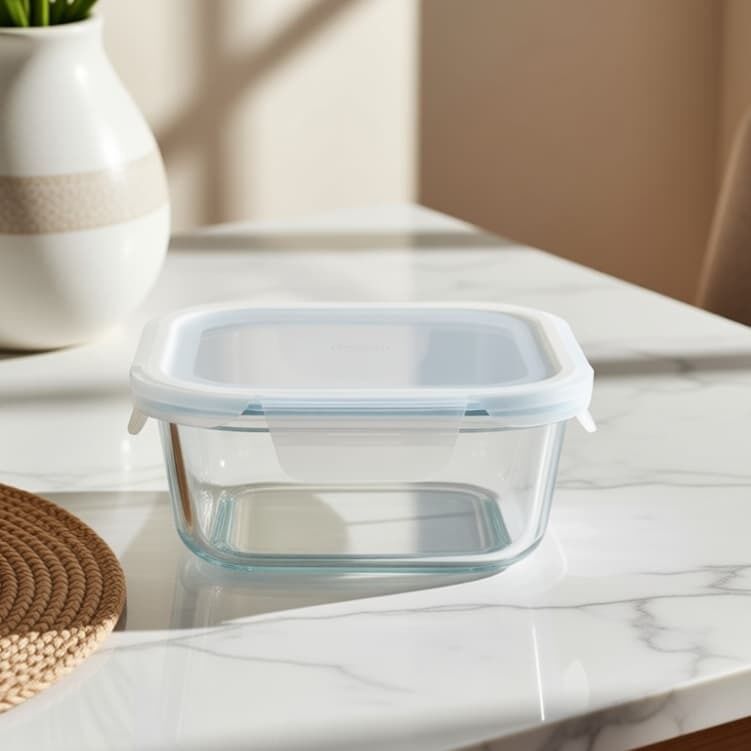
Utilizing glass food storage container sets to store fermented vegetables in cold cellars, maintaining airtight seals against frost.

2. Rapid Urban Meal Prep

Using microwavable glass containers for quick reheating of meals in busy city centers where efficiency is paramount.

3. Large-Scale Community Cooking

Implementing a professional glass mixing bowl set for preparing communal meals during traditional holidays.

4. High-Temperature Baking

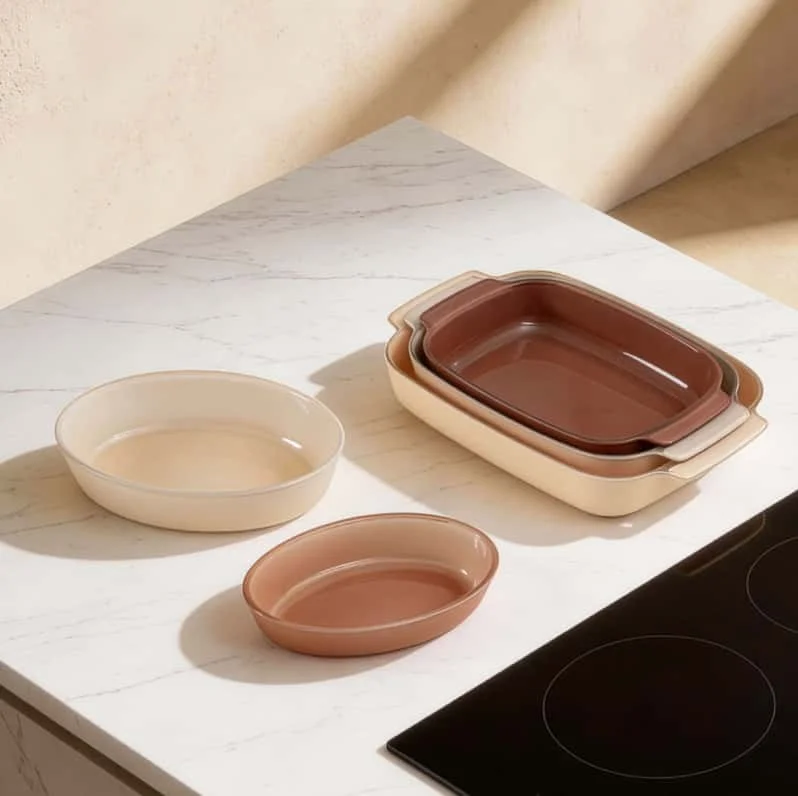
Employing glass bakeware with lids for oven-to-table serving, reducing the need for multiple dishes and keeping food warm.

5. Industrial Kitchen Logistics

Integrating stainless steel food storage containers with lids for the safe transport of ingredients across varying terrains.

Brand Story

Global Development History of Shijiazhuang Eist Intelligent Technology Co., Ltd.

Foundation and Vision

Founded with a mission to solve the fragility of daily glassware, we focused on borosilicate research to create unbreakable household standards.

Technological Breakthrough

Developed a proprietary tempering process that increased thermal resistance by 40%, enabling safe microwave and oven use.

Global Expansion

Expanded our footprint into Asia and Europe, tailoring glass thickness and lid seals to meet diverse regional climate needs.

Sustainability Pivot

Implemented a closed-loop recycling system in our manufacturing plants to reduce carbon emissions and raw material waste.

Intelligent Manufacturing

Integrating AI-driven quality control to ensure every piece of glassware is free of micro-bubbles and stress points.

Frequently Asked Questions - North Korea Region

Expert answers regarding the use and maintenance of professional glassware.

Are microwavable glass containers safe for extreme temperature changes?

Yes, our borosilicate glass is specifically engineered to withstand thermal shock, making them ideal for transitioning from refrigeration to microwave heating.

What is the benefit of glass bakeware with lids compared to metal?

Glass is non-reactive, meaning it won't alter the taste of acidic foods, and the lids allow for immediate storage without transferring food to other containers.

How do I maintain a glass mixing bowl set to avoid scratches?

We recommend using silicone or wooden utensils. Our hardened glass surface is resistant to most wear, but avoiding metal scrubbers preserves the clarity.

Can stainless steel food storage containers with lids be used in the oven?

The stainless steel body is oven-safe, but the lids are typically made of silicone or plastic and should be removed before heating.

Is a glass food storage container suitable for long-term Kimchi fermentation?

Absolutely. Glass does not absorb odors or stains and is resistant to the lactic acid produced during fermentation, ensuring a pure flavor.

How do I ensure the airtight seal of my glass containers?

Ensure the silicone ring is properly seated in the lid groove and press down firmly on all four corners to create a complete vacuum seal.

Get Professional Glassware Consulting

Partner with the leading manufacturer for high-durability kitchenware in North Korea. We provide bulk supply and custom OEM solutions.

Contact Us Now

If you are interested in our products, you can choose to leave your information here, and we will be in touch with you shortly.