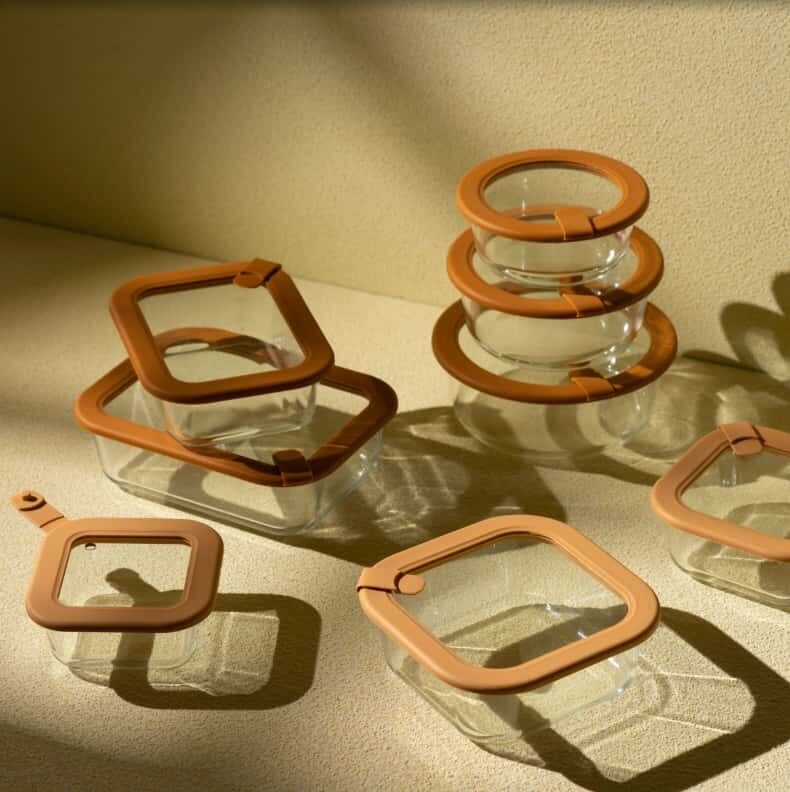
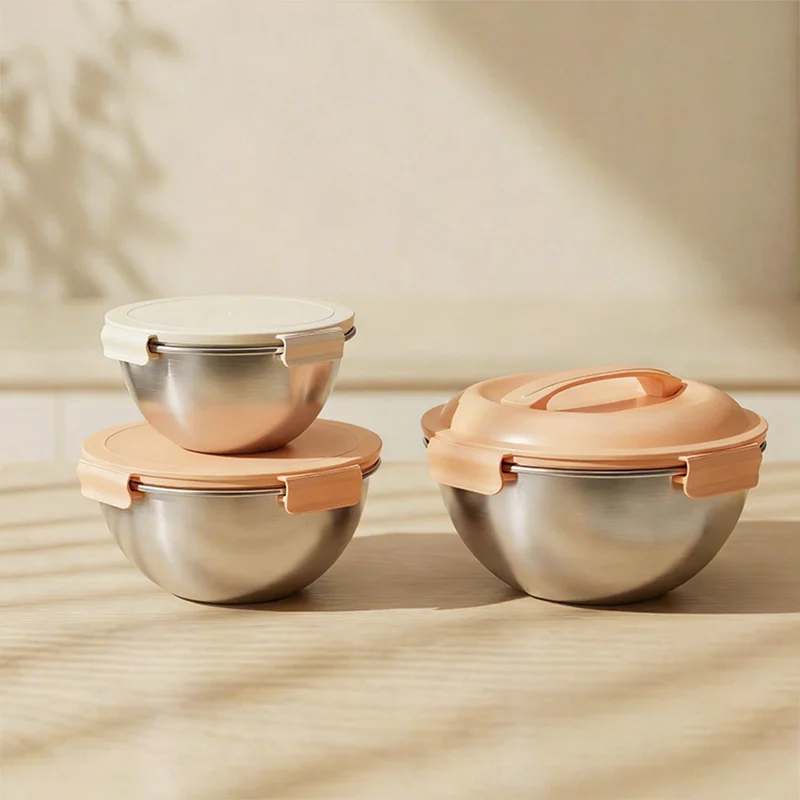
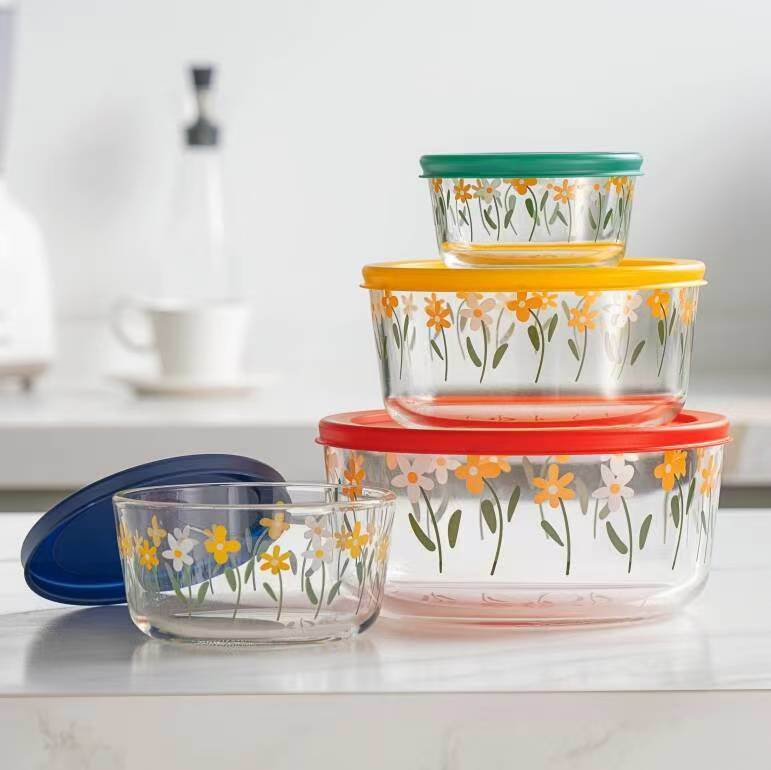
Premium microwavable glass containers Solutions for Indonesia Market

Elevating Indonesian culinary preservation with high-borosilicate glass technology and airtight sealing for tropical climates.

Premium microwavable glass containers Solutions for Indonesia Market

Integrating industrial-grade durability with home-centric utility to provide the most reliable food storage ecosystem for Indonesian households and businesses.

Glassware Market Landscape in Indonesia

Analyzing the intersection of tropical humidity and food safety requirements.

In Indonesia, the high ambient humidity and average temperatures create a challenging environment for food preservation. Traditional plastic storage often fails to prevent odor absorption and chemical leaching under heat, driving a massive shift toward glass food storage container options that ensure hygiene and long-term stability.

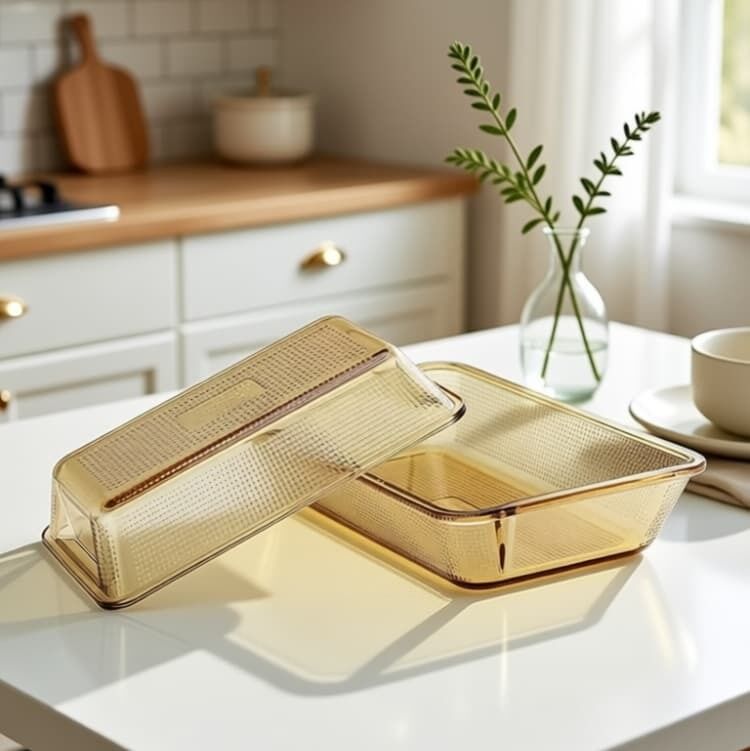
The rapid urbanization in cities like Jakarta and Surabaya has increased the demand for space-saving and multi-functional kitchenware. Consumers are increasingly seeking glass bakeware with lids that can transition seamlessly from the oven to the refrigerator, reducing waste and streamlining meal prep in fast-paced urban lifestyles.

Furthermore, the rise of "healthy eating" trends across the archipelago has made the avoidance of BPA and phthalates a priority. This has positioned high-grade borosilicate glass as the gold standard, surpassing low-cost alternatives in the premium household segment.
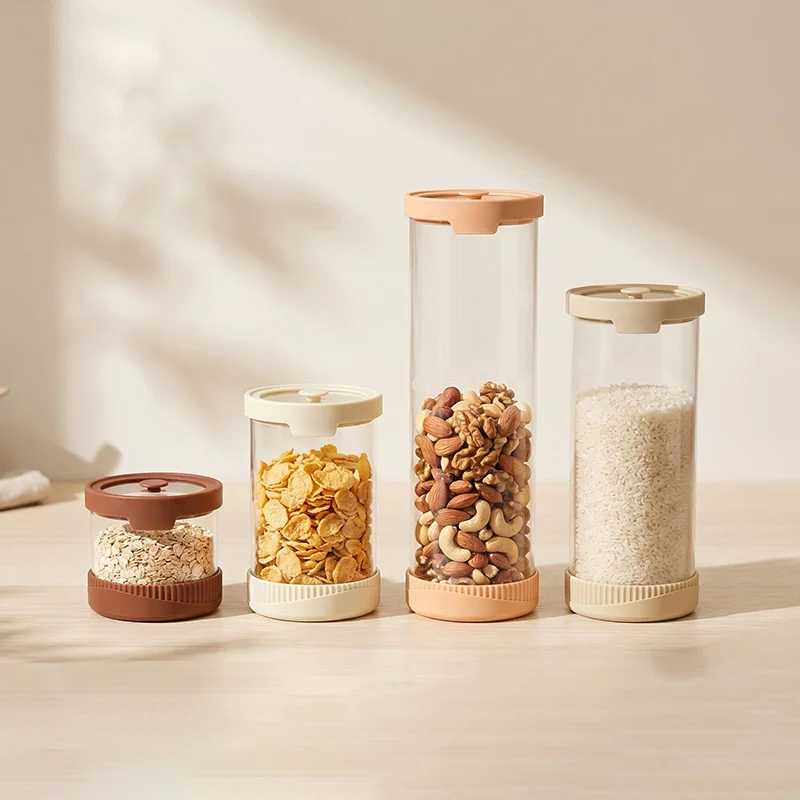
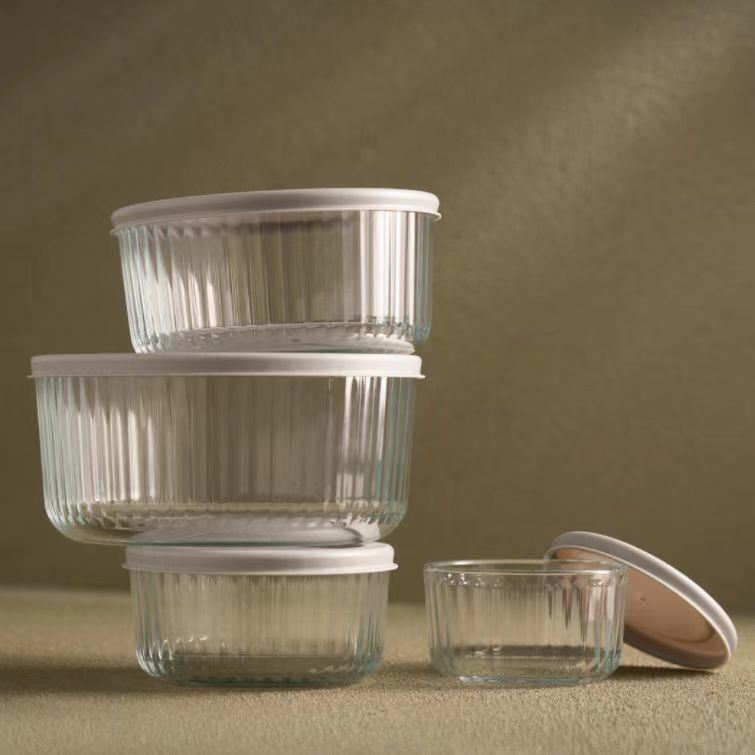
Evolution of Glass Storage Technology

From basic soda-lime glass to advanced thermal-shock resistant borosilicate solutions.

Market Development History

From 2000 to 2010, the Indonesian market was dominated by basic soda-lime glass, which was prone to cracking under sudden temperature changes. Storage was primarily used for dry goods, with limited versatility for cooking or reheating.

Between 2011 and 2020, the introduction of toughened glass and the initial adoption of glass mixing bowl set products allowed users to combine preparation and storage. However, the lack of truly airtight lids remained a significant pain point for preserving moist Indonesian delicacies.

Since 2021, the industry has pivoted toward high-borosilicate glass. This era marks the integration of silicone-rimmed lids and vacuum-seal technology, enabling the widespread use of stainless steel food storage containers with lids for hybrid durability and glass for transparency and health.

Future Development Trends

Smart-Seal Integration

We anticipate the integration of vacuum-pressure indicators in lids to ensure maximum freshness in tropical heat.

Eco-Composite Lids

A shift toward biodegradable or recycled bamboo-composite lids to align with Indonesia's growing plastic-reduction movements.

Ultra-Lightweight Borosilicate

Development of thinner yet stronger glass walls to reduce shipping costs and improve portability for office lunch-goers.

Industry Trends and Future Outlook

Navigating the next wave of non-metallic mineral product manufacturing.

Thermal Resistance 2.0
Enhanced boron-silicate ratios to withstand extreme temperature swings from freezer to oven.
Modular Design
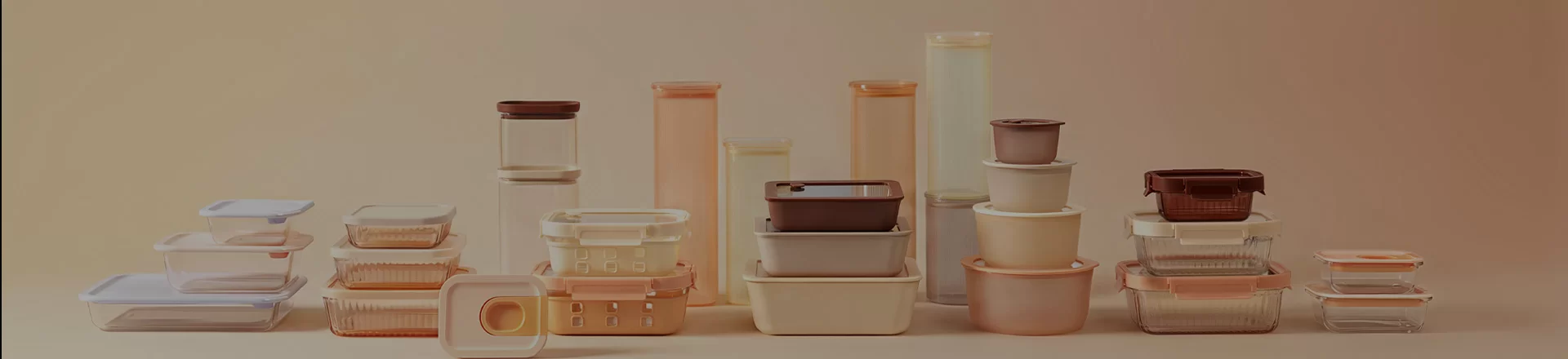
Interchangeable lids and stackable geometry to optimize Indonesian kitchen cabinetry.
Chemical Inertness
Zero-reaction glass surfaces that prevent flavor contamination from strong Indonesian spices.
Sustainable Production
Implementing closed-loop cullet recycling to reduce the carbon footprint of glass manufacturing.

Industry Outlook

Based on Google search trends, there is a surging interest in "plastic-free kitchen" and "oven-to-table" solutions within the Southeast Asian region. We predict that the adoption of specialized borosilicate glassware will grow by 15% annually as Indonesian consumers prioritize longevity over disposability.

The convergence of E-commerce growth (Shopee, Tokopedia) and the demand for premium home-ware means that manufacturers who can provide verified "Microwave Safe" and "BPA Free" certifications will capture the majority of the middle-class market share.

Local Application Scenarios in Indonesia

How our glassware integrates into the unique Indonesian lifestyle.

01. Rendang & Spicy Paste Preservation

Using a glass food storage container to store highly pigmented and acidic dishes like Rendang, ensuring no stains or odors penetrate the material.

02. Urban Office Meal Prepping

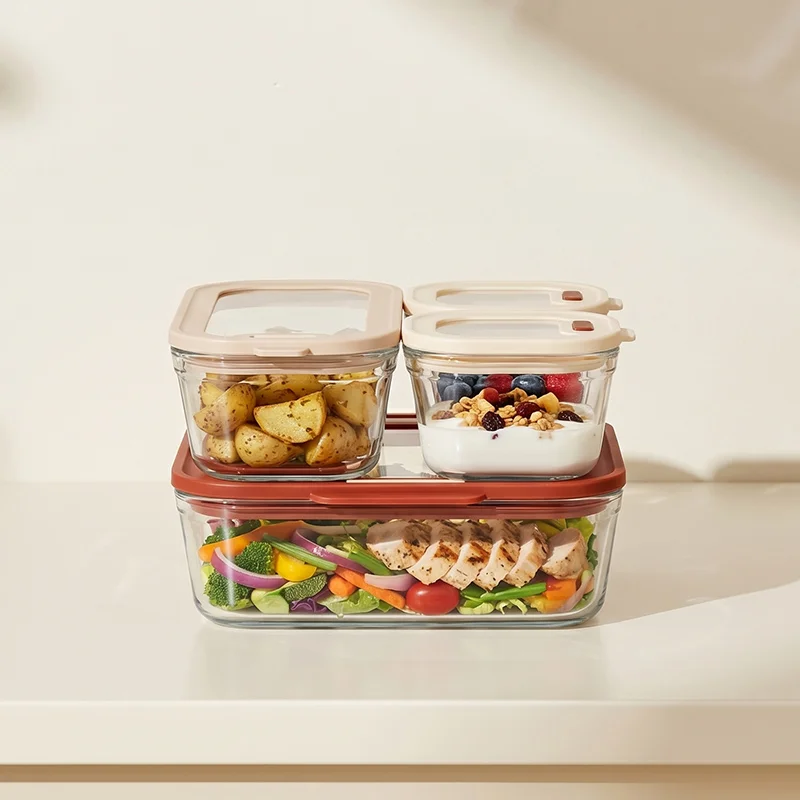
Professional workers in Jakarta utilizing microwavable glass containers to bring home-cooked meals to the office, ensuring safe heating without plastic leaching.

03. Traditional Cake Baking (Lapis Legit)

Utilizing glass bakeware with lids for layering traditional Indonesian cakes, allowing for precise visibility and airtight storage after baking.

04. Large Family Gathering Prep

Employing a glass mixing bowl set for preparing large quantities of Gado-Gado or fruit salads during festive Hari Raya celebrations.

05. Outdoor Market Freshness

Using stainless steel food storage containers with lids for transporting ingredients to local markets where extreme durability and temperature insulation are required.

Brand Story

Global Development History of Shijiazhuang East Intelligent Technology Co., Ltd.

Foundational Excellence

Established with a vision to revolutionize non-metallic mineral products, focusing on the precision engineering of borosilicate glass.

Technological Pivot

Developed proprietary annealing processes to eliminate internal stress in glass, significantly reducing breakage rates for global exports.

Global Market Expansion

Successfully entered the Southeast Asian market, tailoring product dimensions and sealing strengths to meet tropical climate demands.

Intelligence Integration

Integrating smart manufacturing and automated quality control to ensure every single unit meets international food-grade standards.

Future Sustainability

Committing to a carbon-neutral production cycle by 2030, focusing on recyclable glass and sustainable packaging.

Indonesian Consumer FAQs

Expert answers to common queries regarding glass food storage.

Are your microwavable glass containers safe for long-term storage of spicy Indonesian foods?

Yes, our borosilicate glass is non-porous and chemically inert, meaning it will not absorb strong odors or stains from spices like turmeric or chili.

How does a glass mixing bowl set handle sudden temperature changes?

Our bowls are engineered to withstand thermal shock, allowing you to move from cold mixing to warm heating without the risk of shattering.

Can glass bakeware with lids be used in both the oven and the freezer?

Absolutely. The glass body is oven-safe up to high temperatures, while the lids are designed for airtight freezer storage. Please remove lids before oven use.

What makes a glass food storage container better than plastic for humid climates?

Glass does not degrade under UV exposure or heat and prevents the growth of mold and bacteria more effectively than scratched plastic surfaces.

Are stainless steel food storage containers with lids compatible with all food types?

They are ideal for dry goods, cold salads, and temperature-sensitive items. For heating, we recommend our microwavable glass range.

How do I maintain the airtight seal of the lids in high-humidity areas?

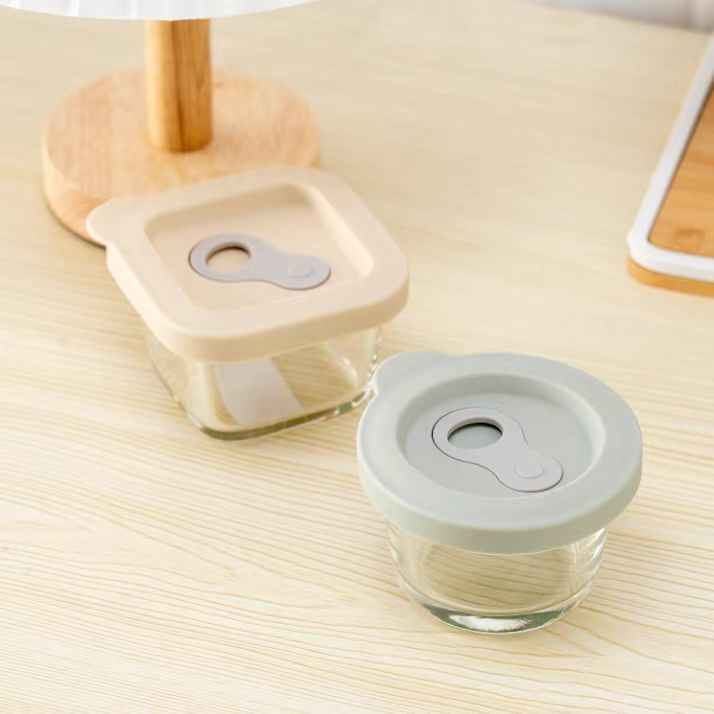
Ensure the silicone rim is clean and dry. Our high-grade silicone is resistant to humidity and maintains its elasticity over years of use.

Ready to Upgrade Your Kitchen?

Partner with the leading glass manufacturer to bring world-class storage solutions to Indonesia.

Contact Us Now

If you are interested in our products, you can choose to leave your information here, and we will be in touch with you shortly.