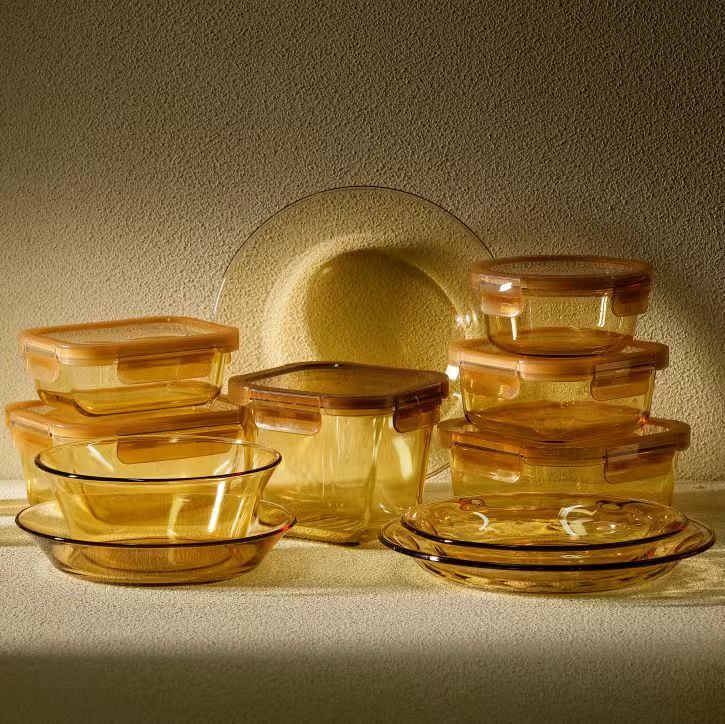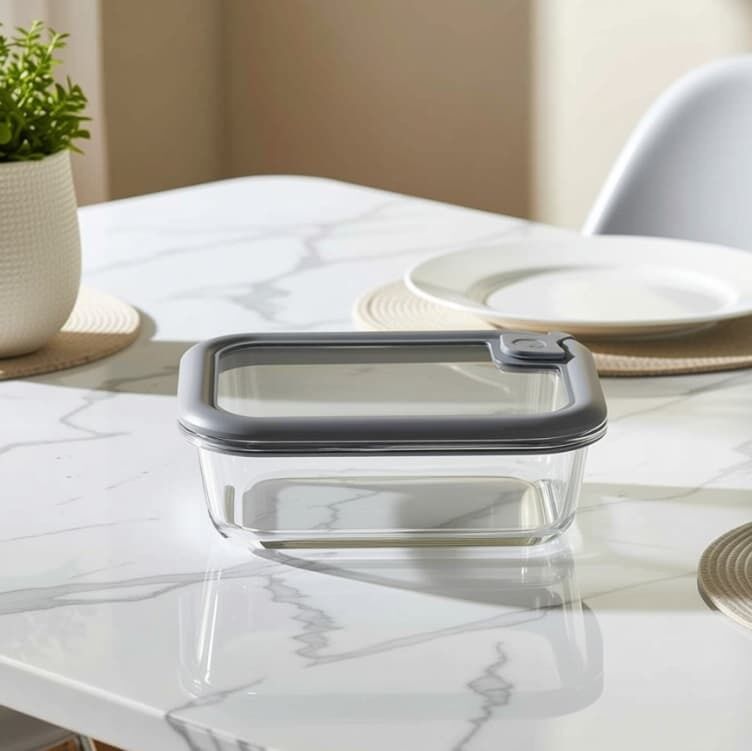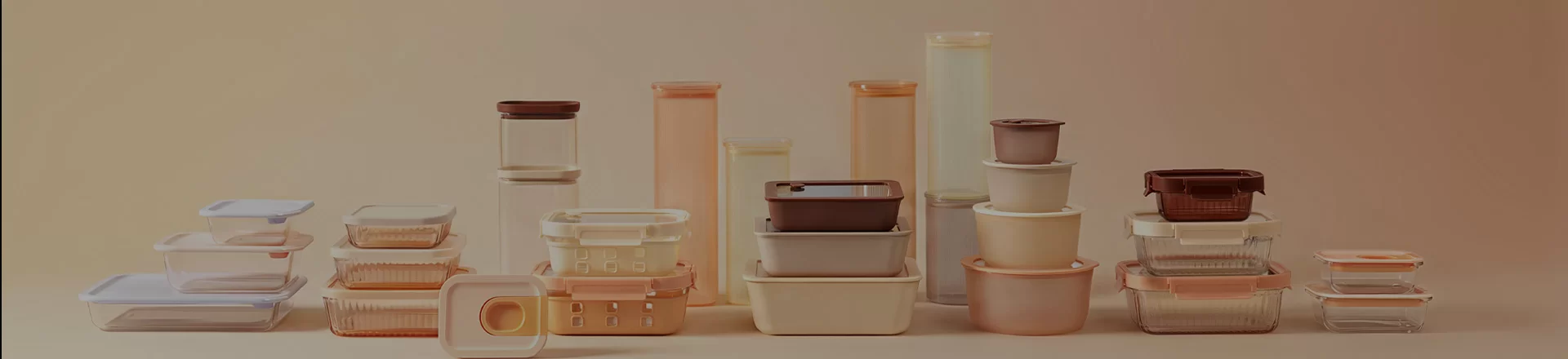
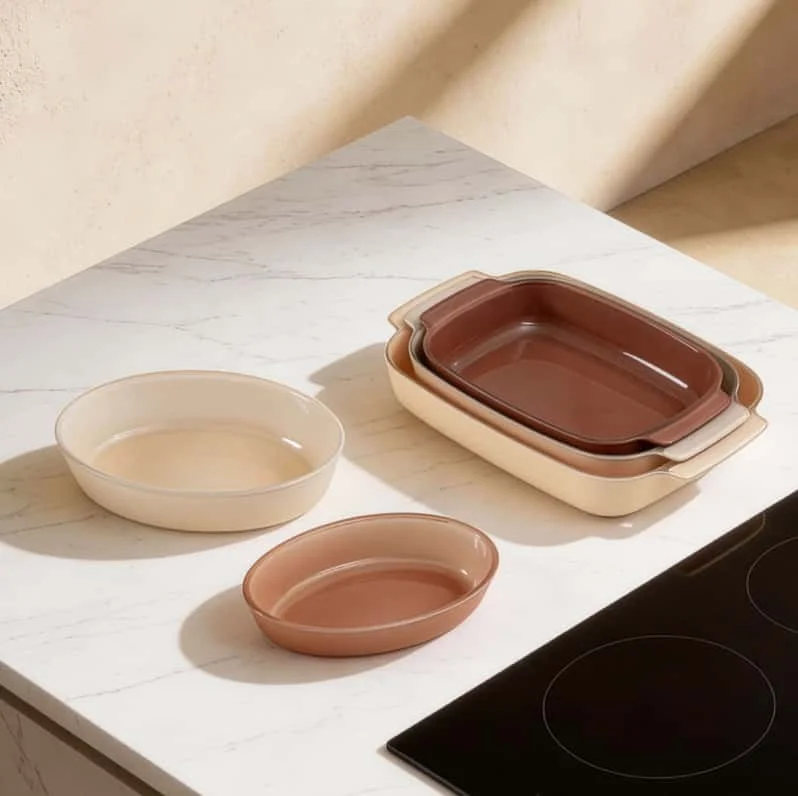
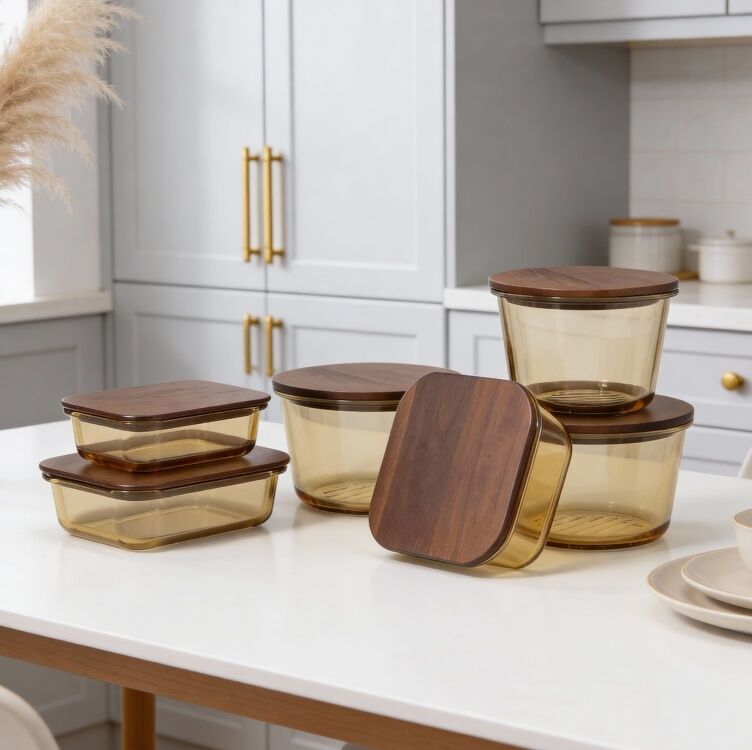
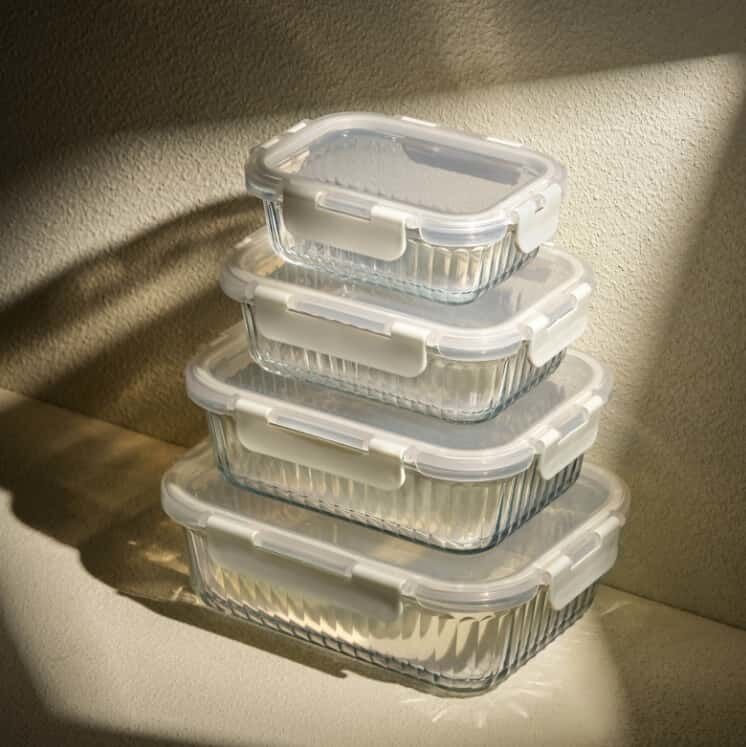
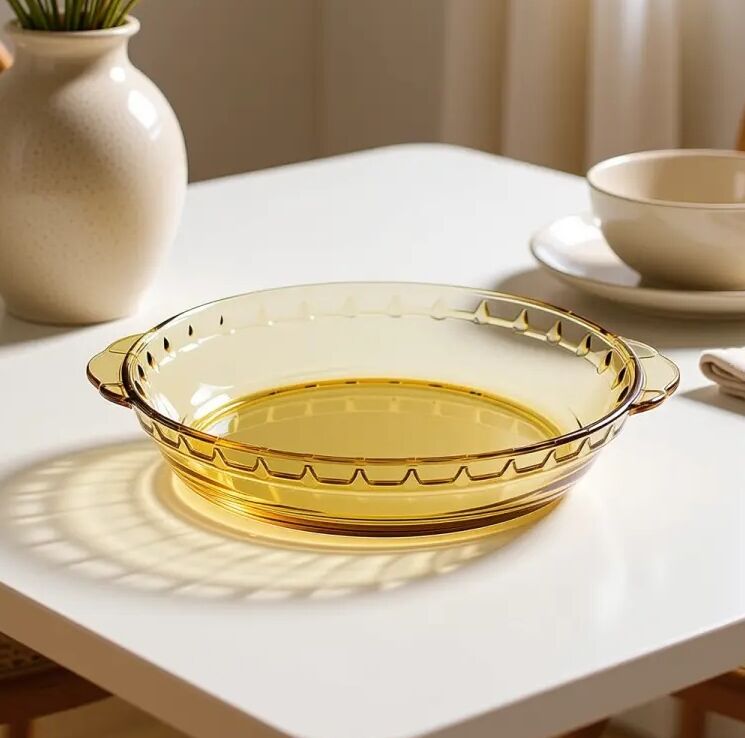
Premium Glass Bakeware with Lids Solutions for Indian Households

Integrating high-borosilicate durability with modern culinary needs across Asia - India to redefine food preservation and cooking.

The Evolution of Food Storage in Asia - India

Analyzing the shift from traditional metallic vessels to hygienic glass and steel solutions.

In the diverse climatic regions of India, from the humid coasts to the arid plains, food spoilage is a significant challenge. Traditionally, Indian kitchens relied on stainless steel, but the modern urban shift toward health-conscious living has increased the demand for glass food storage container options that avoid chemical leaching.

The rise of the working-class population in metros like Mumbai and Delhi has catalyzed the need for microwavable glass containers. These allow for seamless transitions from storage to heating, fitting perfectly into the fast-paced corporate lifestyle where home-cooked meals are preferred over fast food.

Furthermore, the cultural emphasis on large family gatherings and festive meal prep has made the glass mixing bowl set an essential tool. The transition toward non-reactive materials ensures that the complex spices and acidic components of Indian cuisine do not alter the taste or quality of the food.
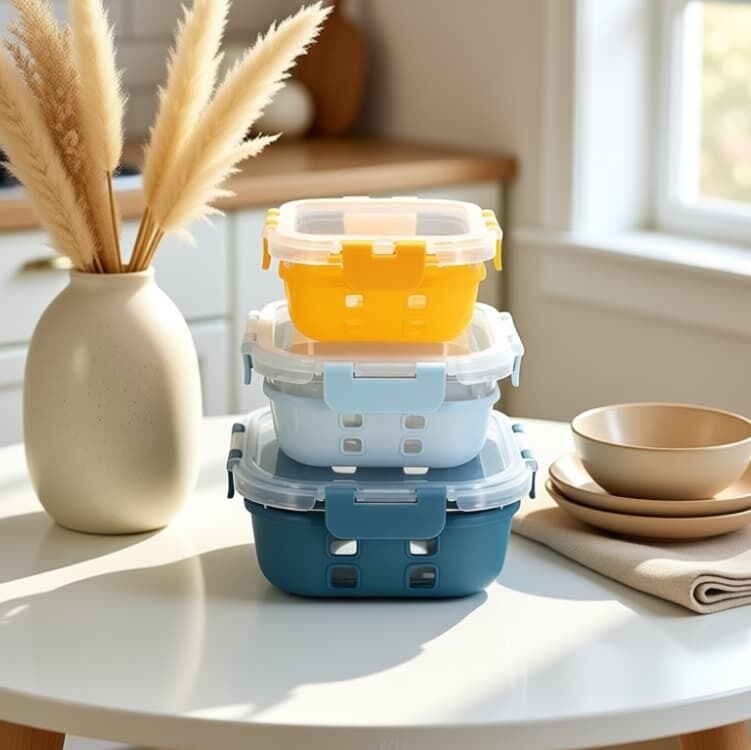
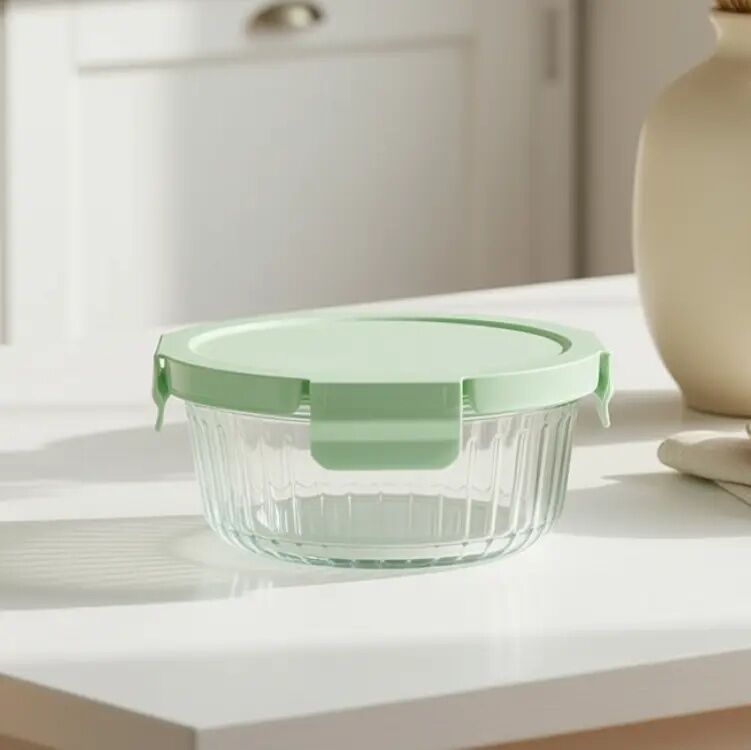
Technological Trajectory of Glassware Manufacturing

From basic soda-lime glass to advanced tempered borosilicate technology.

Market Development History

During the early 2000s, the Indian market was dominated by simple soda-lime glass and traditional steel. Most storage was basic, lacking the airtight seals required for long-term preservation of Indian pickles and condiments.

Between 2010 and 2020, there was a significant pivot toward tempered glass. Manufacturers introduced the first wave of stainless steel food storage containers with lids as a hybrid solution, combining the strength of steel with the sealing capabilities of polymer lids.

From 2021 onwards, the focus shifted to high-borosilicate glass. This technological iteration allowed products to withstand extreme thermal shocks, enabling the widespread adoption of oven-to-table bakeware and microwave-safe storage across the subcontinent.

Future Development Trends

Smart-Seal Integration

Integration of vacuum-sealing technology into glass containers to extend the shelf life of fresh produce in India's high-humidity environments.

Eco-Friendly Material Synthesis

Development of 100% biodegradable lids to replace plastics, aligning with India's national push toward reducing single-use plastics.

Lightweight High-Strength Glass

Utilizing advanced chemical strengthening processes to reduce the weight of glass containers without compromising their impact resistance.

Industry Outlook and Future Prospects

Projecting the next 5 years of the non-metallic mineral products industry in India.

Thermal Stability Growth
Increased demand for borosilicate glass that handles extreme temperature shifts from freezer to oven.
Health-Centric Materials
A surge in consumers moving away from BPA-plastics toward medical-grade glass and high-grade steel.
Urban Modular Design
Stackable, space-saving designs tailored for small apartment kitchens in Indian tier-1 cities.
Sustainable Logistics
Adoption of shock-absorbent, recycled packaging to reduce breakage during transit across India's road networks.

Industry Outlook

Based on Google search trends in Asia - India, there is a growing query volume for "chemical-free food storage" and "borosilicate vs soda lime." This indicates a shift toward a more educated consumer base that prioritizes material science over price.

We anticipate a 15% CAGR in the premium glass segment, as the middle class expands and the adoption of microwave ovens becomes standard in suburban households, driving the need for specialized glass cookware.

Local Application Scenarios in India

How our glass and steel solutions fit into the daily rhythms of Indian life.

01. Festive Meal Preparation

Using a glass mixing bowl set to prepare large quantities of batter for festive sweets like Gulab Jamun, ensuring no metallic taste interferes with the flavor.

02. Corporate Lunch Boxing

Utilizing microwavable glass containers for office meals, allowing professionals to heat their curry safely without the risks associated with plastic.

03. Traditional Pickle Preservation

Applying the airtight sealing of a glass food storage container to keep homemade mango pickles fresh and free from oxidation.

04. Oven-Baked Fusion Desserts

Using glass bakeware with lids for baking fusion cakes or gratins, moving directly from the oven to the dining table for elegant presentation.

05. Heavy-Duty Pantry Storage

Deploying stainless steel food storage containers with lids for bulk grains and pulses, providing a durable, pest-proof solution for long-term pantry organization.

Brand Story

Global Development History of Shijiazhuang Yisite Intelligent Technology Co., Ltd.

Foundational Engineering

Established with a focus on the core physics of glass tempering, solving the initial pain point of glass fragility in industrial applications.

Material Innovation

Pioneered the integration of high-borosilicate glass into consumer-grade bakeware, reducing thermal expansion coefficients for safer home use.

Global Market Expansion

Expanded operations into the Asia-Pacific region, tailoring product dimensions and lid seals to meet the specific humidity and temperature needs of India.

Intelligent Manufacturing

Implemented AI-driven quality control to eliminate microscopic bubbles and stress points in glass, ensuring 100% safety for microwave applications.

Sustainable Future

Committing to a circular economy by developing recyclable glass compounds and plastic-free packaging solutions for the global market.

Common Questions for the Indian Market

Expert answers regarding the use and care of premium glassware.

Are microwavable glass containers safe for reheating heavy Indian curries?

Yes, our borosilicate glass is designed to withstand high temperatures without cracking, making it ideal for thick, oil-rich curries that can create hotspots during microwaving.

How do stainless steel food storage containers with lids compare to glass in terms of durability?

Stainless steel offers superior impact resistance, making them better for outdoor travel, while glass is preferred for reheating and avoiding flavor contamination.

Can I use a glass mixing bowl set for fermenting dough for homemade naan?

Absolutely. The non-reactive nature of our glass ensures that the fermentation process is not affected by metallic ions, providing a pure environment for the yeast.

Is glass bakeware with lids suitable for the traditional Indian oven (Tandoor) style heating?

Our bakeware is designed for conventional ovens and microwaves. For direct Tandoor fire, we recommend using our heat-resistant glass only in indirect heat settings.

Does a glass food storage container prevent the smell of strong spices from leaking?

Yes, our airtight lids create a vacuum seal that prevents aromatic spices like turmeric and cumin from leaking into your refrigerator.

How should I maintain the seals on my glass containers in high-humidity climates?

We recommend washing lids in lukewarm water and ensuring they are completely dry before storage to prevent mold growth in humid conditions.

Ready to Upgrade Your Kitchen?

Contact our expert team to find the best glassware solutions for your business or home in India.

Contact Us Now

If you are interested in our products, you can choose to leave your information here, and we will be in touch with you shortly.