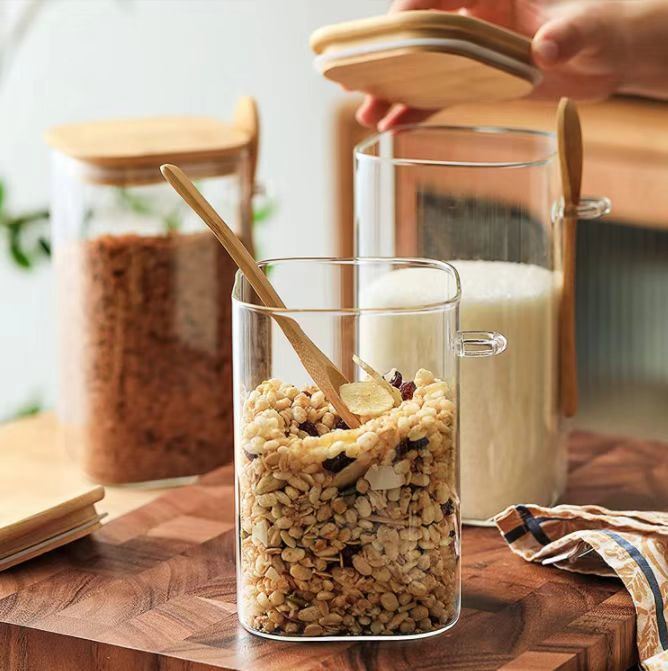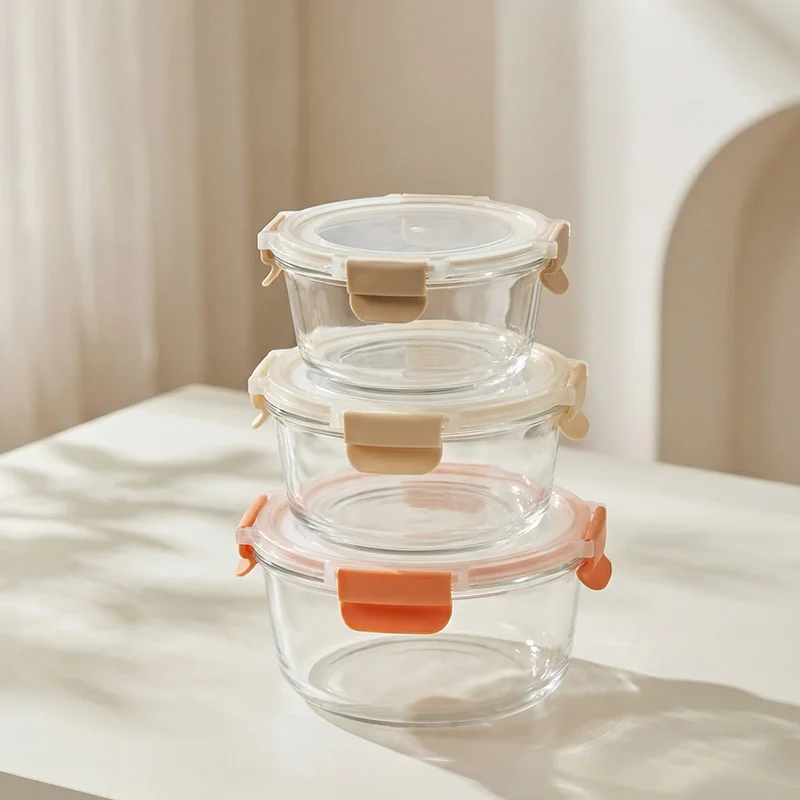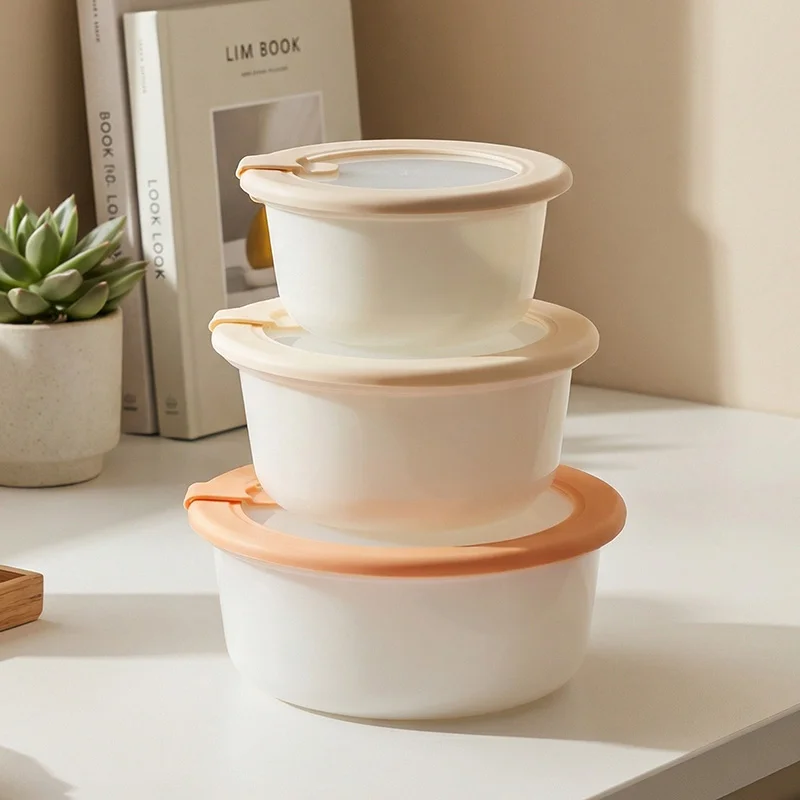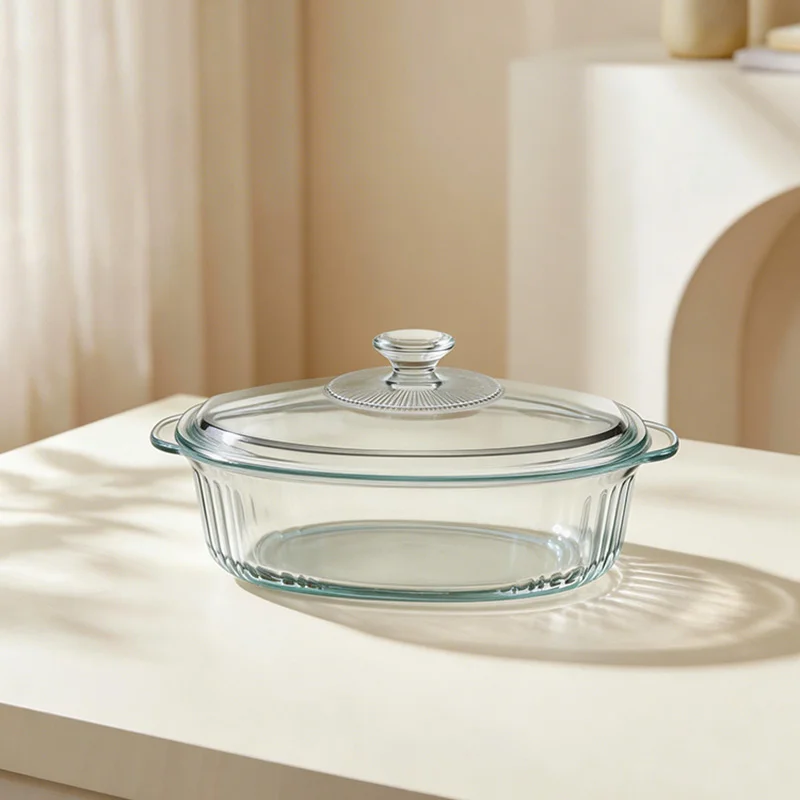
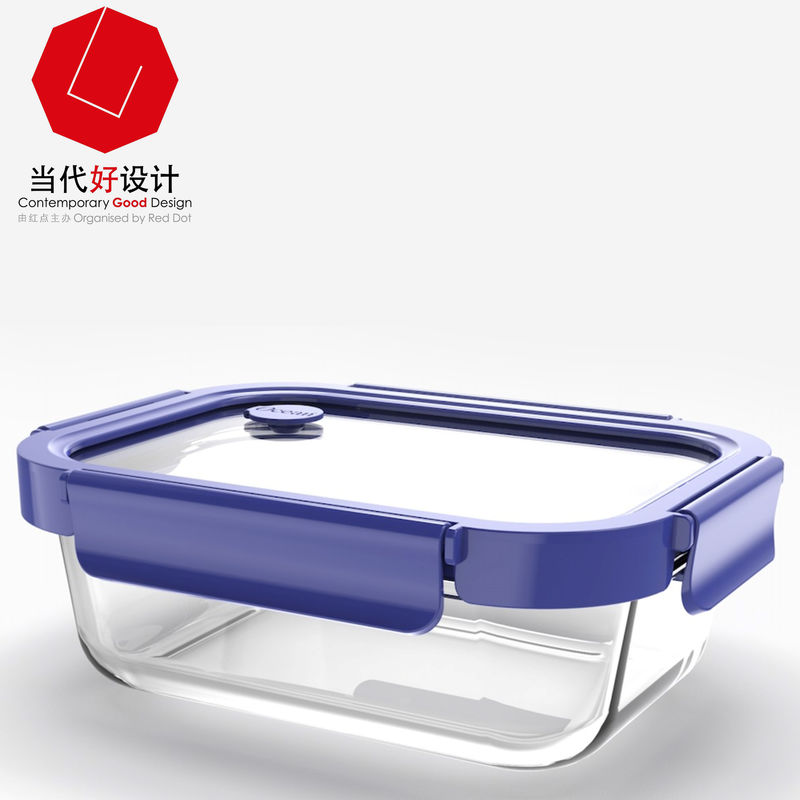
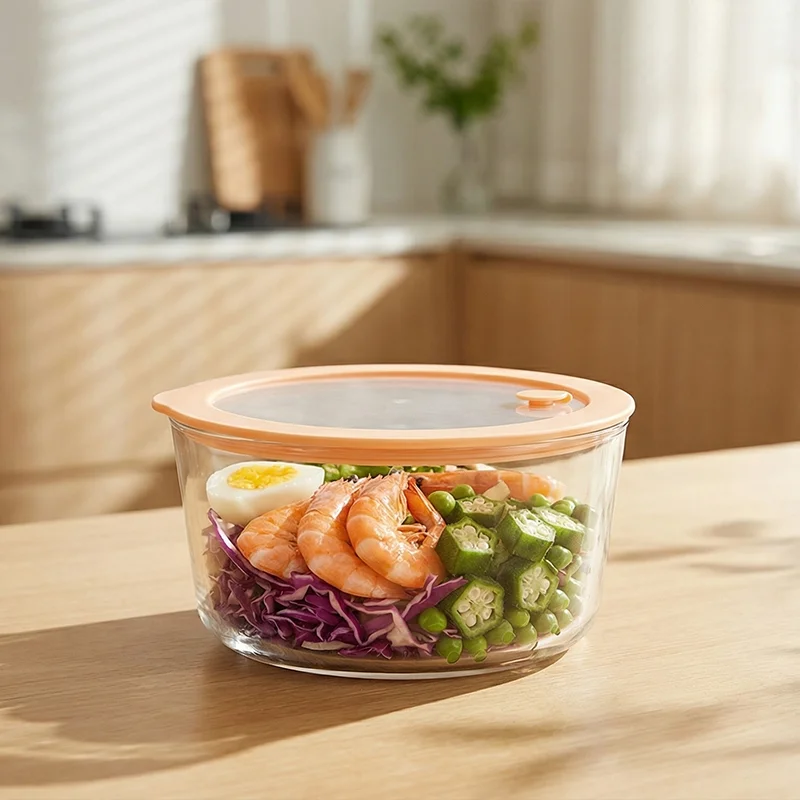
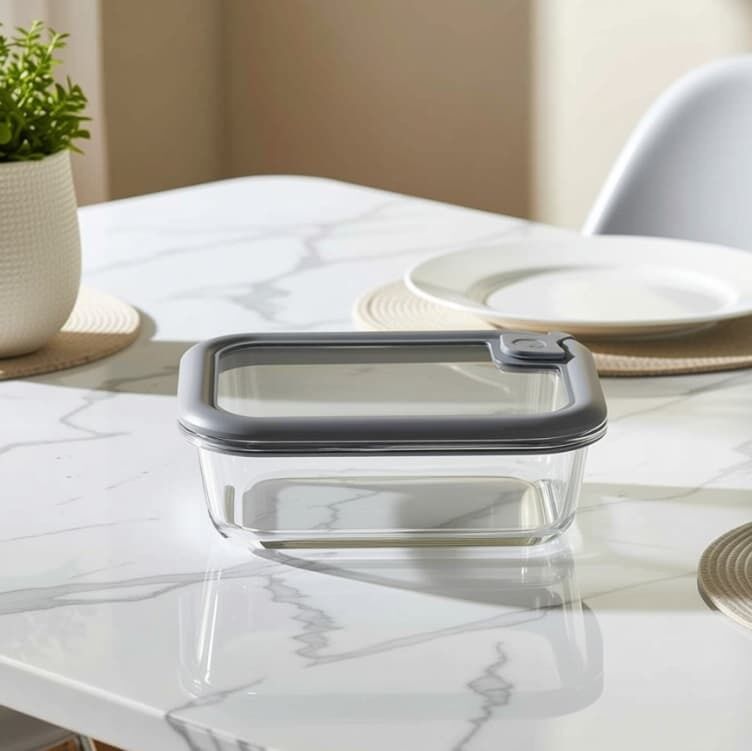

In the Russian market, the demand for glass food storage container options is heavily influenced by the regional climate. The drastic temperature shifts between harsh winters and warm summers require materials with exceptionally low thermal expansion coefficients to prevent cracking during rapid temperature changes.
Economically, there is a significant shift towards reducing single-use plastics in urban centers like Moscow and Saint Petersburg. This has led to a surge in the adoption of stainless steel food storage containers with lids, which offer the rugged durability needed for long-distance transport across the federation's vast geography.
Furthermore, the Russian culinary culture, which emphasizes home-preserved foods and large-batch baking, necessitates high-volume, high-strength vessels. This makes the integration of borosilicate glass technology essential for meeting local safety and utility standards.