Premium Glass Bakeware with Lids Solutions for the Italian Culinary Market

Integrating high-borosilicate durability with Italian aesthetic elegance for professional and home kitchenware.

Current Landscape of Glassware Manufacturing in Italy

Analyzing the intersection of traditional craftsmanship and modern industrial requirements in Europe's design hub.

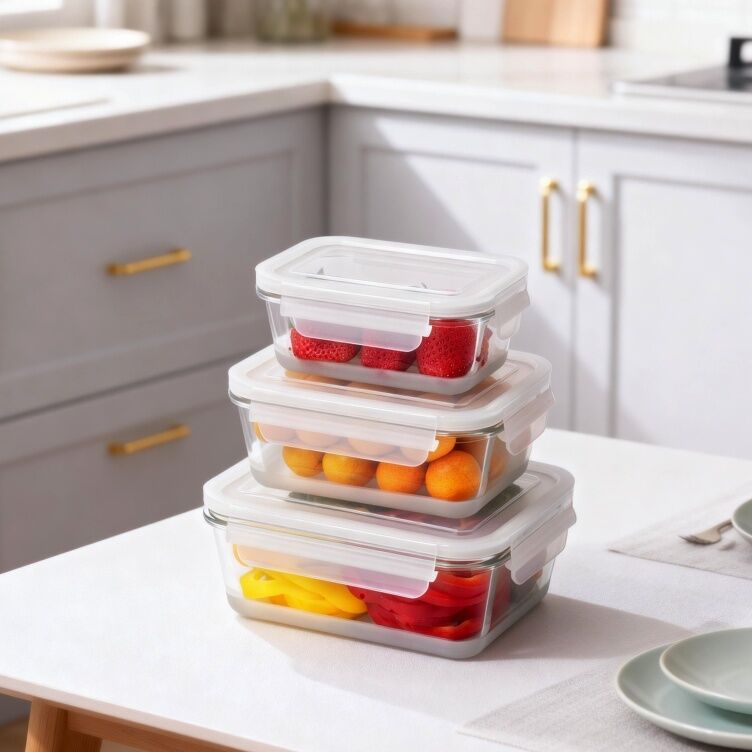
Italy's non-metallic mineral products sector, specifically the glass industry, is characterized by a dual structure: legendary artisanal studios in Venice and high-capacity industrial plants in the north. The current demand is shifting heavily towards eco-friendly glass food storage container options as the Italian government enforces stricter plastic reduction laws in line with EU directives.

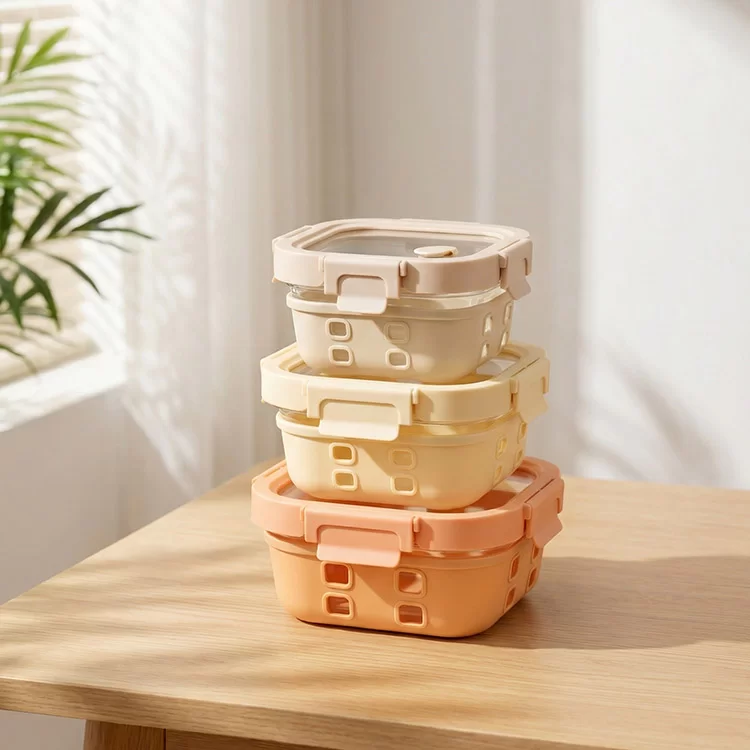
The Mediterranean climate and the Italian emphasis on "Slow Food" have increased the necessity for versatile cookware. Professional kitchens and households alike are seeking microwavable glass containers that can transition seamlessly from a high-heat oven to a refrigerator without risking thermal shock, a critical requirement for traditional Italian lasagna and gratins.

Economically, the Italian market is witnessing a surge in "premiumization." Consumers are moving away from disposable plastics toward durable materials, creating a high-growth niche for stainless steel food storage containers with lids and high-grade borosilicate glass that align with the luxury aesthetic and hygiene standards of Italian households.
Evolution and Trajectory of Italian Glass Kitchenware

From ancestral soda-lime glass to advanced thermal-resistant borosilicate engineering.

Market Development History

Prior to the 1990s, the Italian domestic market relied heavily on soda-lime glass, which provided excellent clarity but lacked the thermal resilience needed for modern ovens. The focus was primarily on decorative serving ware rather than functional storage.

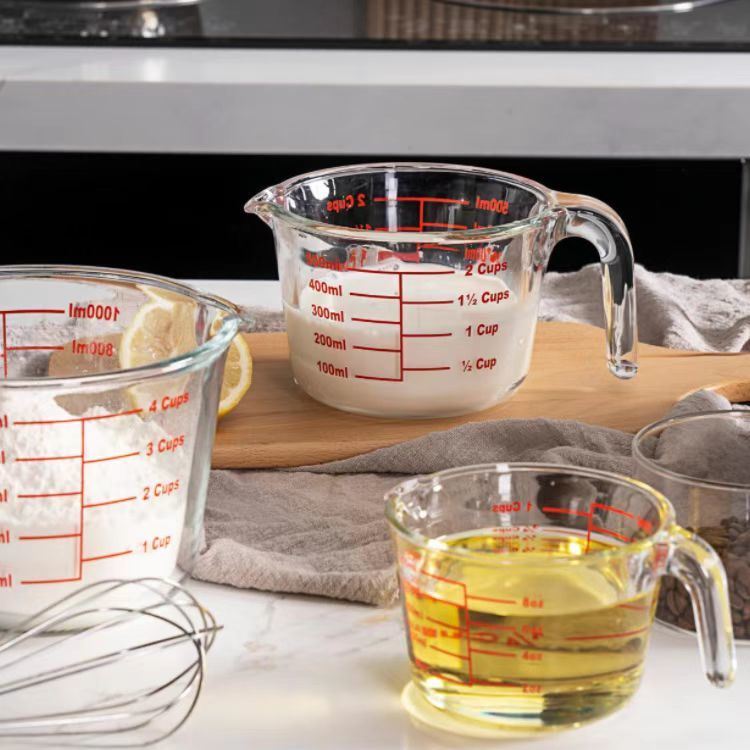
Between 2000 and 2015, the industry underwent a technical pivot. The introduction of automated tempering processes allowed for the mass production of a glass mixing bowl set that could withstand rapid temperature fluctuations, meeting the needs of an increasingly fast-paced urban lifestyle in Milan and Rome.

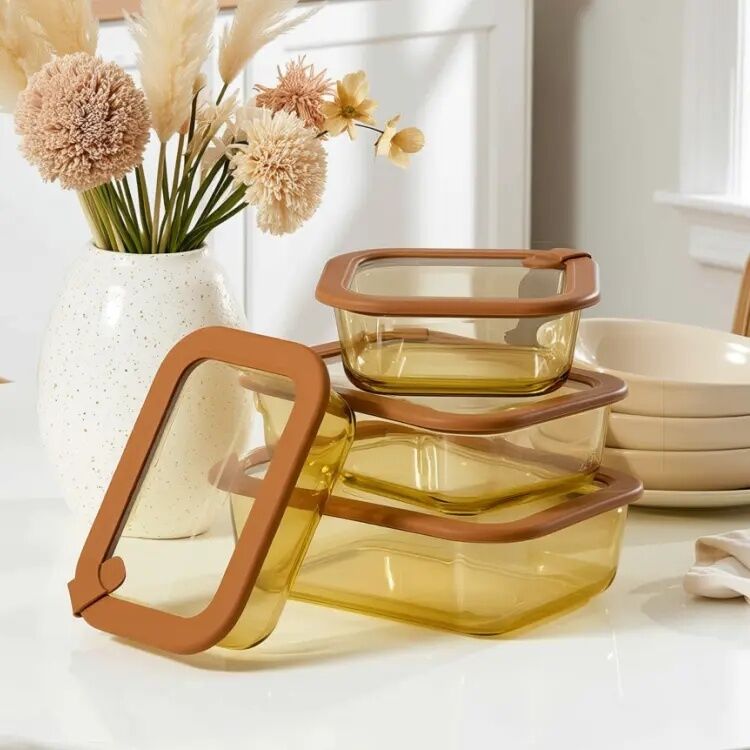
From 2016 to the present, the focus has shifted to "smart materials." The integration of airtight silicone seals and BPA-free plastics into lid designs has transformed the glass container from a simple bowl into a professional-grade preservation system.

Future Development Trends

Bio-Compatible Material Integration

The next phase involves the fusion of glass with biodegradable polymers for lids, reducing the carbon footprint of the overall product lifecycle.

Hyper-Thermal Resistance

Development of ultra-low expansion glass that allows for extreme temperature jumps (from -20°C to 400°C) to support advanced molecular gastronomy techniques.

Modular Space-Saving Design

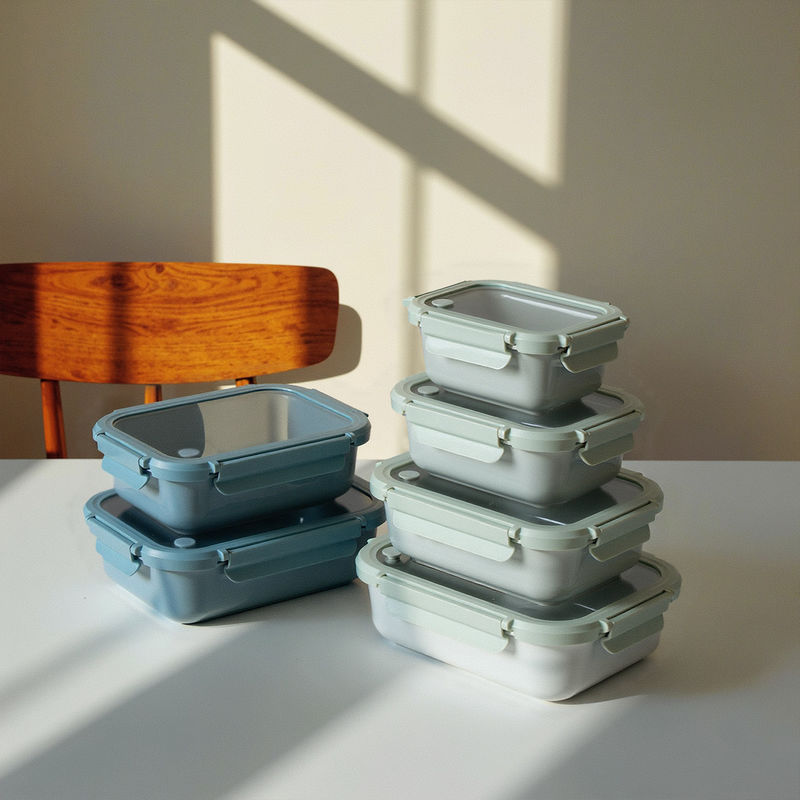
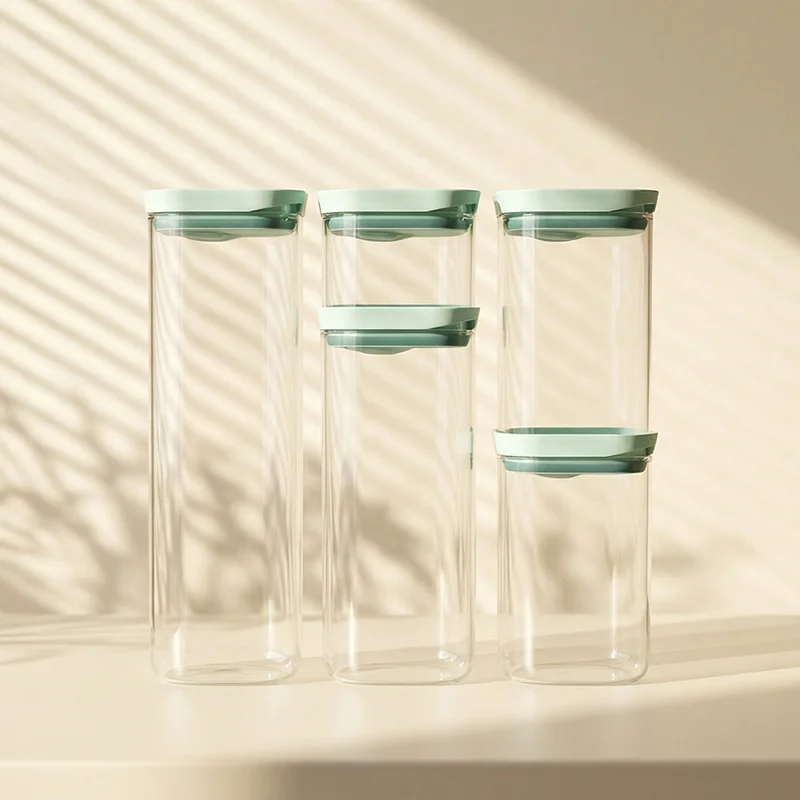
A trend toward nestable, stackable geometries that maximize space in smaller European urban apartments while maintaining airtight seals.

Industry Trends and Future Outlook

Predicting the shift toward sustainable, multi-functional food storage ecosystems.

Plastic-Free Transition
Rapid acceleration toward 100% recyclable glass and metal alternatives to meet EU Green Deal standards.
Hybrid Materiality
Combining the transparency of glass with the structural strength of stainless steel for industrial-grade storage.
Thermal Intelligence
Developing glass with enhanced thermal conductivity for faster, more even microwave heating.
Circular Economy
Implementation of closed-loop recycling systems for industrial glass cullet in Italy's manufacturing hubs.

Industry Outlook

Based on Google search trends in Europe, there is a quantifiable spike in searches for "non-toxic food storage" and "oven-to-table glassware" within the Italian region. This indicates a shift toward products that minimize chemical leaching and maximize utility.

The next 3-5 years will likely see a convergence of aesthetic design and extreme functionality. We anticipate a market surge in borosilicate products that are not only microwave-safe but also optimized for vacuum-sealing technology to extend the shelf life of artisanal Italian ingredients.

Local Application Scenarios in Italy

Practical implementations of high-performance glassware in diverse Italian settings.

01. Professional Trattoria Meal Prep

Using a glass mixing bowl set for preparing traditional pasta doughs and sauces in bulk, ensuring no flavor contamination and easy transition to storage.

02. Urban Milanese Lunch-on-the-Go

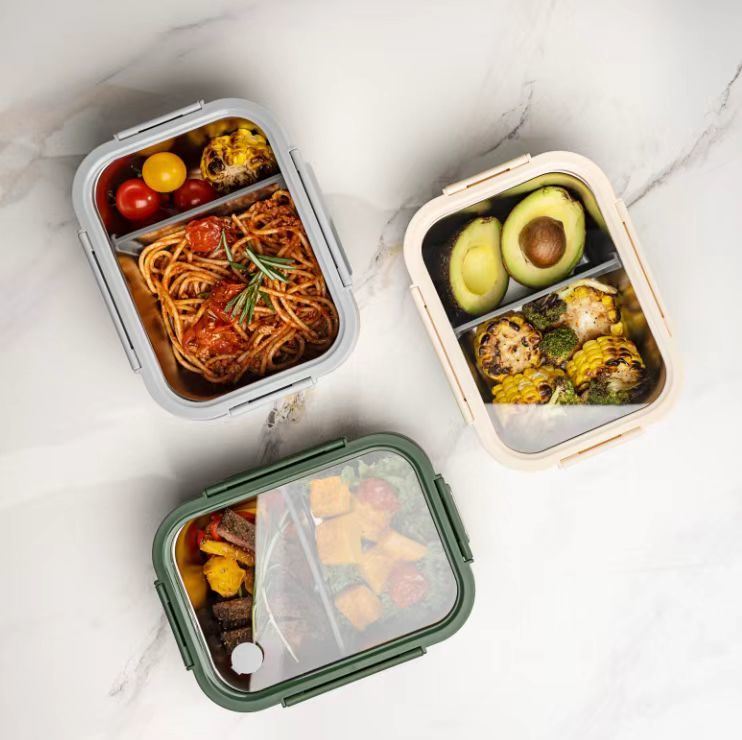
Utilization of microwavable glass containers for office workers in Milan who require healthy, home-cooked meals that can be safely reheated in corporate microwaves.

03. Tuscan Farmhouse Preservation

Implementing large-scale glass food storage container systems to preserve seasonal harvests and homemade preserves in rural Tuscan estates.

04. Luxury Yacht Catering in Amalfi

Deploying stainless steel food storage containers with lids for high-end catering on the Amalfi coast, where durability and corrosion resistance to salt air are paramount.

05. Traditional Sunday Family Bake

Using high-borosilicate glass bakeware with lids for preparing family-sized lasagnas, allowing the dish to move from the oven to the center of the table as a stunning centerpiece.

Brand Story

Global Development Journey of Shijiazhuang East Intelligent Technology Co., Ltd.

Industrial Foundations

Established with a vision to revolutionize non-metallic mineral processing, focusing on the purity and stability of borosilicate glass.

Technical Breakthroughs

Developed proprietary tempering technology that eliminated the common "shattering" pain point in low-cost microwavable glassware.

European Market Entry

Expanded operations into Europe, adapting product dimensions and aesthetics to meet the rigorous standards of the Italian and German markets.

Sustainable Innovation

Launched the "Green Glass" initiative, reducing energy consumption during the melting process by 15% through intelligent furnace control.

Global Leadership

Now recognized as a leading provider of intelligent glass solutions, merging industrial capacity with artistic precision for the global kitchen.

Common Questions from Italian Customers

Expert answers regarding the use and care of high-performance glass and steel containers.

Are these microwavable glass containers safe for high-temperature oven use?

Yes, our borosilicate glass is designed to withstand extreme thermal shock, making it safe for both microwave and oven use, provided the lids are removed or are oven-safe rated.

How do stainless steel food storage containers with lids compare to glass in terms of durability?

Stainless steel is virtually unbreakable, making it ideal for outdoor transport or high-impact environments, whereas glass offers unmatched transparency and zero odor absorption.

Can I use a glass mixing bowl set for freezing delicate Italian desserts?

Absolutely. Our glass bowls are rated for freezer temperatures, ensuring that your desserts remain fresh without the glass cracking due to contraction.

Is the seal on the glass food storage container completely airtight for vacuuming?

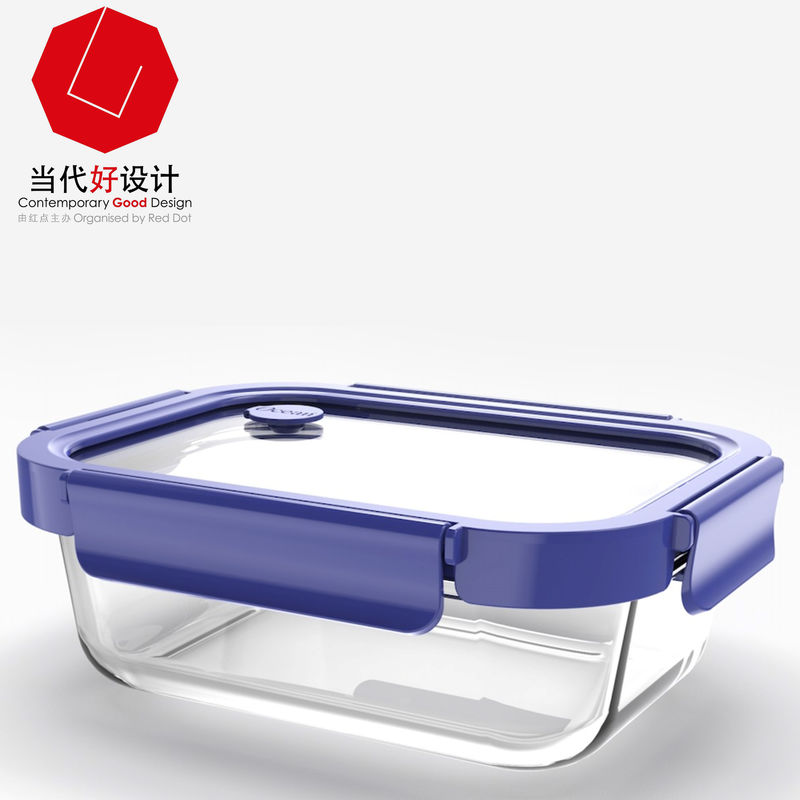
Our containers feature a high-grade silicone gasket that creates a leak-proof, airtight seal, perfect for preserving the freshness of olive oils and sauces.

What is the best way to clean glass bakeware with lids to avoid cloudiness?

We recommend using a non-abrasive sponge and mild detergent. While dishwasher safe, hand-washing the lids ensures the silicone seal lasts longer.

Are your glass products compliant with EU food safety regulations?

Yes, all our products are lead-free, cadmium-free, and fully compliant with the European Union's strict food contact material standards.

Partner With the Leaders in Glass Engineering

Ready to upgrade your kitchenware inventory with Italian-standard quality? Contact our experts today for customized solutions in Italy.

Contact Us Now

If you are interested in our products, you can choose to leave your information here, and we will be in touch with you shortly.