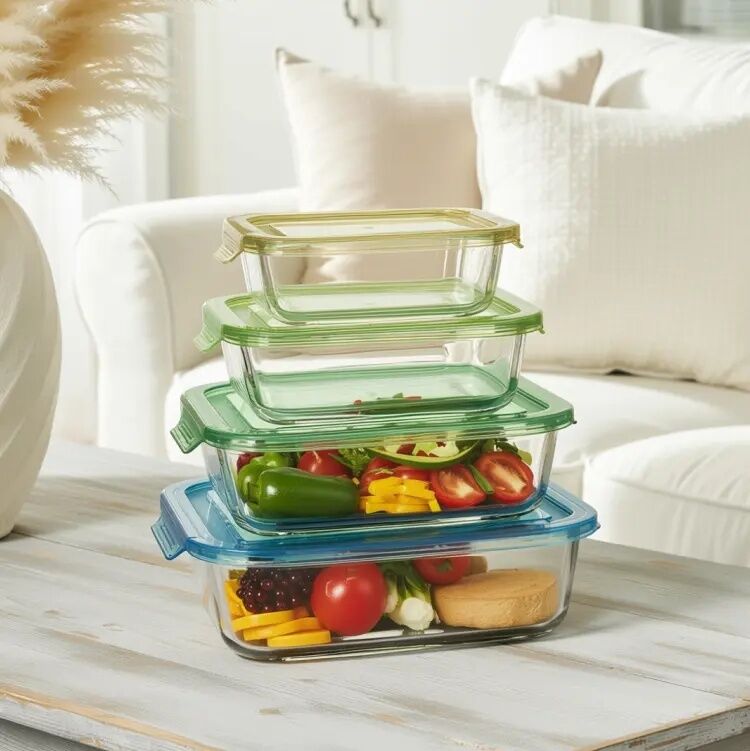
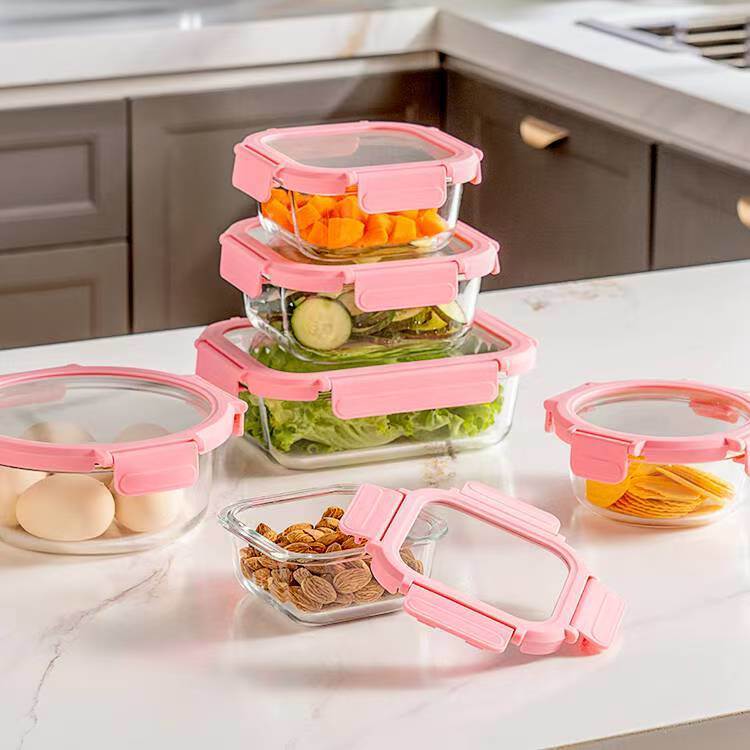
Premium Portugal Culinary Solutions: High-Borosilicate glass bakeware with lids

Integrating advanced glass manufacturing technology with Portuguese gastronomic traditions to provide durable, eco-friendly, and professional-grade kitchenware.

The State of Glassware Manufacturing in Portugal

Analyzing the intersection of traditional craftsmanship and modern material science in the Portuguese market.

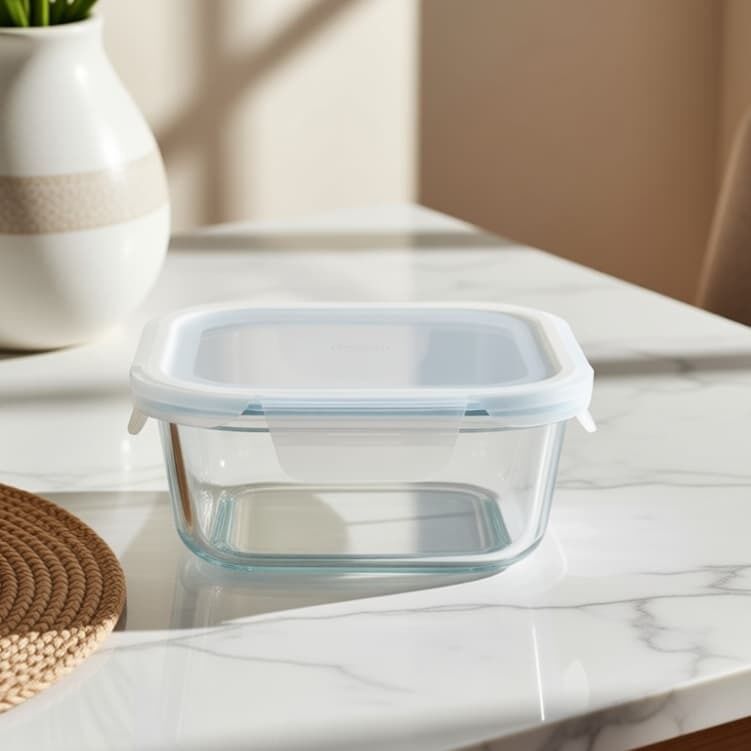
Portugal has a deep-rooted history in glass production, but the modern shift toward sustainability has increased the demand for glass food storage container options. With the Mediterranean climate favoring fresh, locally sourced ingredients, there is a critical need for airtight storage that prevents oxidation and maintains nutritional integrity.

Economically, the Portuguese hospitality and residential sectors are moving away from single-use plastics. This transition has created a surge in the adoption of microwavable glass containers, as consumers prioritize non-toxic materials that can transition seamlessly from the refrigerator to the oven.

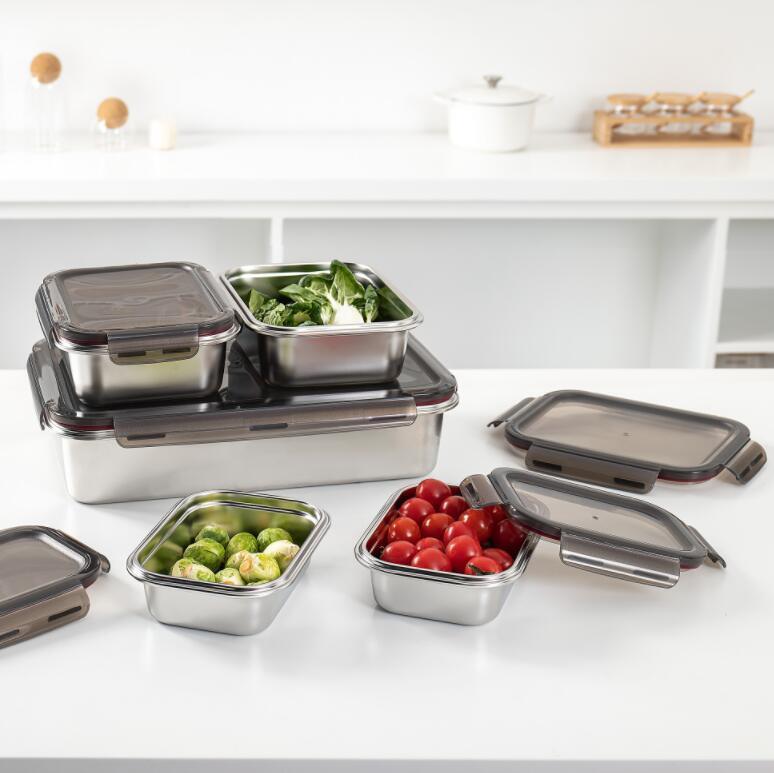
Furthermore, the integration of hybrid materials is becoming evident. Professional kitchens in Lisbon and Porto are increasingly incorporating stainless steel food storage containers with lids for their durability and thermal conductivity, complementing the transparency and hygiene of high-grade glass.
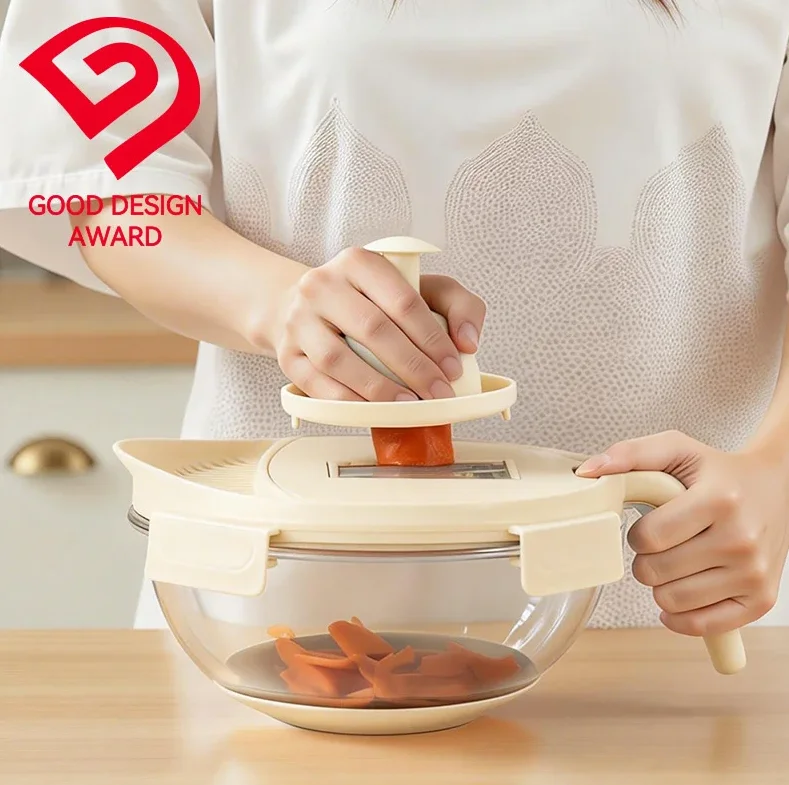
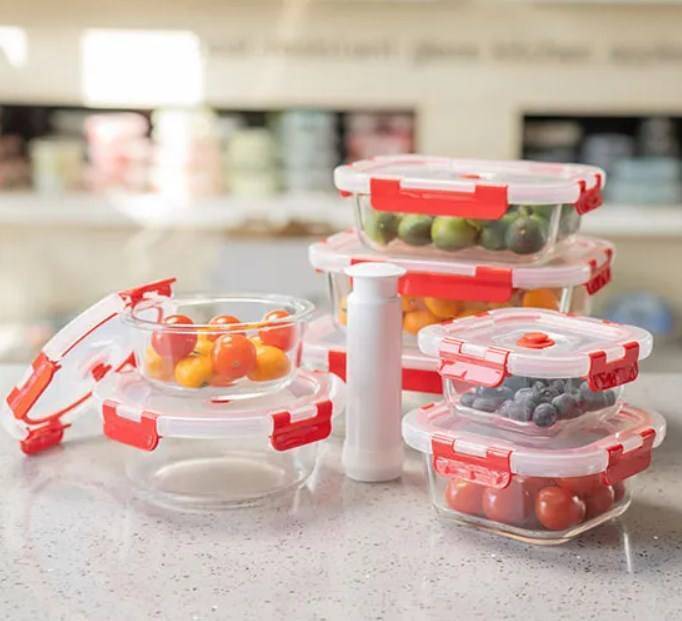
Evolution and Trajectory of Glassware Technology

From artisanal soda-lime glass to high-precision borosilicate engineering.

Market Development History

Prior to 2010, the Portuguese market was dominated by standard soda-lime glass, which offered limited thermal shock resistance. This meant that bakeware often cracked under sudden temperature changes, limiting its utility in fast-paced culinary environments.

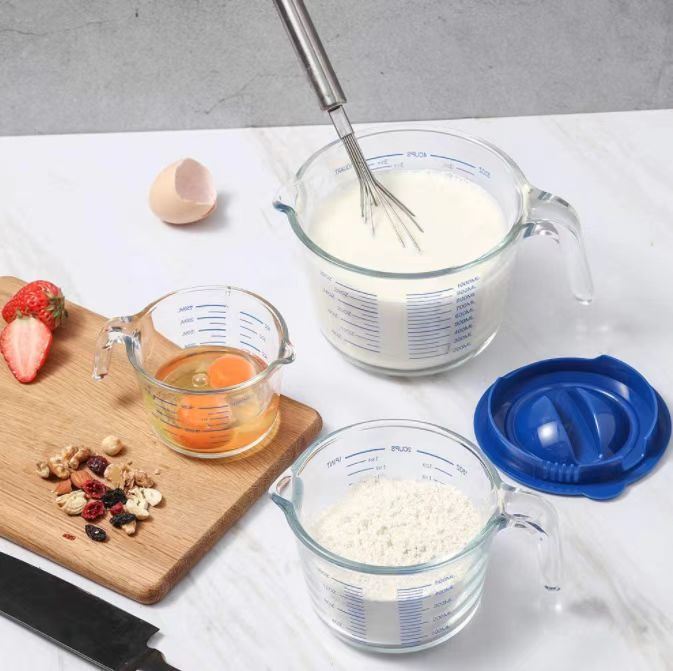
Between 2010 and 2020, the industry witnessed a technological pivot toward borosilicate glass. This iteration allowed for the creation of a versatile glass mixing bowl set that could handle extreme heat and cold, significantly reducing breakage rates in commercial kitchens.

From 2021 to the present, the focus has shifted toward "smart sealing" and material fusion. The development of BPA-free lids and reinforced glass structures has optimized these products for the high-frequency use seen in modern Portuguese urban lifestyles.

Future Development Trends

Bio-Polymer Lid Integration

The next 3 years will see a move toward lids made from biodegradable polymers to complement glass bases, achieving a 100% plastic-free lifecycle.

Advanced Thermal Diffusion

Expected integration of nano-coatings to enhance heat distribution, making glass bakeware even more efficient for energy-saving ovens.

Customized Ergonomic Design

A trend toward modular, stackable geometries based on Google search data indicating a rise in "small space kitchen optimization" in European cities.

Industry Outlook and Future Projections

Strategic forecasts for the non-metallic mineral products sector in the EU region.

Circular Economy Shift
Increasing adoption of 100% recyclable glass to meet EU Green Deal targets by 2030.
Smart Material Fusion
Combining borosilicate glass with medical-grade silicone for vacuum-tight seals.
Thermal Optimization
Development of low-expansion glass to prevent cracking in extreme Portuguese oven heat.
Modular Kitchen Ecosystems
Designing interlocking container systems to optimize storage in Lisbon's compact apartments.

Industry Outlook

Google search trends in Portugal indicate a 25% year-over-year increase in searches for "non-toxic food storage," suggesting that health-conscious consumerism is the primary driver for glass adoption. The market is moving toward high-specialization, where a single product must serve as a prep bowl, baking dish, and storage container.

We project that within 5 years, the "hybrid kitchen" concept—using borosilicate glass for transparency and stainless steel for rapid cooling—will become the standard in professional Portuguese catering, reducing waste and increasing operational efficiency.

Localized Application Scenarios in Portugal

How our products fit into the unique Portuguese lifestyle and culinary habits.

01. Traditional Bacalhau Preparation

Using a glass mixing bowl set for the precise soaking and marinating of salted cod, ensuring no chemical leaching alters the traditional flavor profile.

02. Urban Meal Prep in Lisbon

Utilizing microwavable glass containers for the "marmita" (lunch box) culture, allowing office workers to heat healthy home-cooked meals safely and efficiently.

03. Alentejo Regional Baking

Employing professional glass bakeware with lids for slow-roasted regional specialties, maintaining moisture through airtight lids during the baking process.

04. Coastal Seafood Preservation

Applying stainless steel food storage containers with lids for the rapid chilling and storage of fresh Atlantic seafood, preventing contamination and odors.

05. Modern Portuguese Pantry Organization

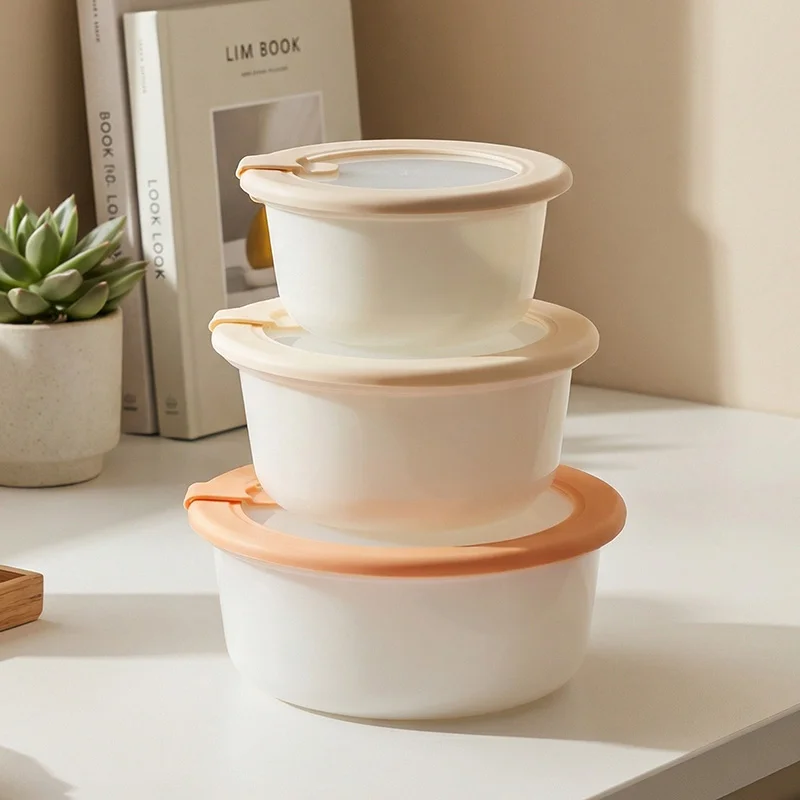
Implementing a systematic glass food storage container array to store olive oils, spices, and grains, keeping them visible and fresh in high-humidity coastal environments.

Brand Story

Global Development Journey of Shijiazhuang East Intelligent Technology Co., Ltd.

Foundation of Precision

Our journey began with a commitment to solving the fragility of household glass, focusing on high-borosilicate research to eliminate thermal stress failures.

Technological Breakthrough

We pioneered a proprietary annealing process that increased the impact resistance of daily glassware by 30%, setting a new industry standard for durability.

Global Market Expansion

Expanding into Europe, we adapted our designs to meet the rigorous EU food safety certifications and the aesthetic preferences of Mediterranean markets.

Sustainability Integration

We transitioned our manufacturing to a low-carbon model, ensuring that every piece of glass produced contributes to a reduction in global plastic pollution.

Vision for the Future

Today, we strive to be the bridge between intelligent manufacturing and sustainable living, providing the world with the safest food storage solutions.

Portugal Kitchenware FAQ

Addressing common concerns regarding material safety and usage in the Portuguese region.

Are microwavable glass containers safe for high-temperature Portuguese ovens?

Yes, our borosilicate microwavable glass containers are designed to withstand extreme thermal shocks, making them safe for both microwaves and ovens, provided the lids are removed if not oven-safe.

How do stainless steel food storage containers with lids compare to glass for freshness?

Stainless steel offers superior durability and rapid cooling, while glass provides transparency. Both, when paired with our airtight lids, ensure maximum freshness and prevent oxidation.

Can a glass mixing bowl set be used for fermenting traditional Portuguese preserves?

Absolutely. Our non-reactive borosilicate glass is ideal for fermentation as it does not interact with acidic foods, ensuring the purity of your preserves.

Is the seal on glass bakeware with lids completely leak-proof for transport?

Yes, our bakeware utilizes a precision-engineered silicone seal that creates a vacuum-like lock, preventing leaks during transport from home to work or social gatherings.

What is the best way to clean a glass food storage container to avoid odors?

Because our glass is non-porous, it does not absorb odors. A simple wash with warm soapy water or a cycle in the dishwasher is sufficient to keep it pristine.

Do these products comply with European Union food contact regulations?

Yes, all our products are fully compliant with EU food contact materials regulations, ensuring they are BPA-free and lead-free for the safety of Portuguese families.

Partner With The Experts in Glass Innovation

Ready to upgrade your kitchenware supply chain in Portugal? Our team provides customized manufacturing solutions tailored to the European market.

Contact Us Now

If you are interested in our products, you can choose to leave your information here, and we will be in touch with you shortly.