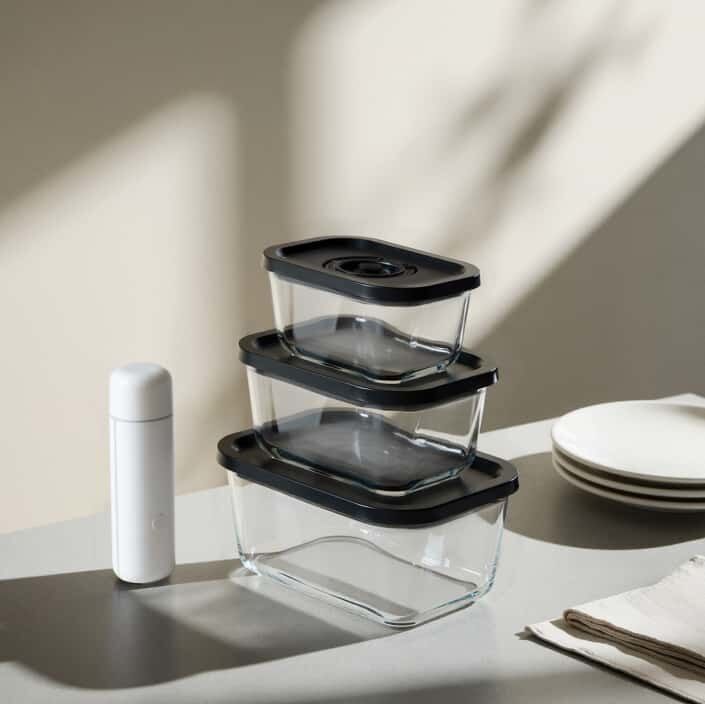
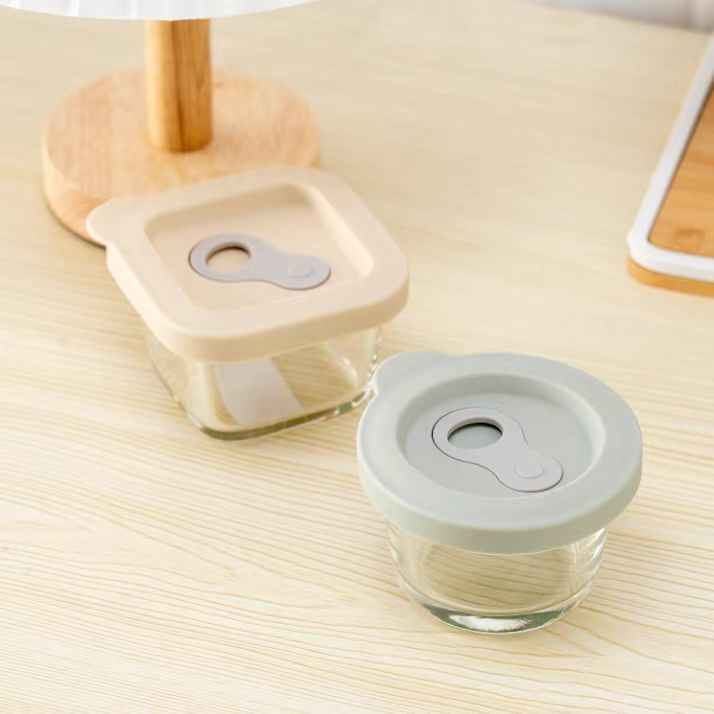
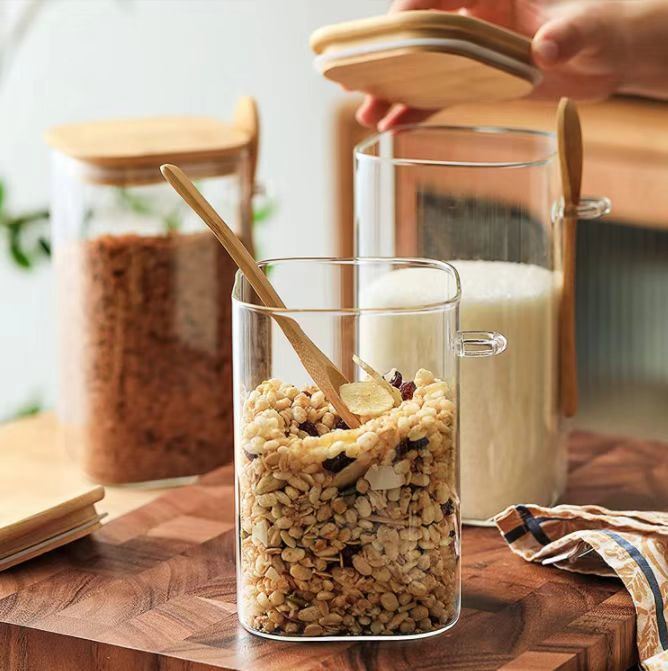
Premium Kitchenware Solutions: glass bakeware with lids for Slovakia

High-performance, thermal-shock resistant glass and steel storage solutions engineered for the modern Slovakian household and professional culinary environments.

Premium Kitchenware Solutions: glass bakeware with lids for Slovakia

Integrating advanced borosilicate technology with ergonomic design to provide Slovakia's market with durable glass food storage container options that bridge the gap between preparation and preservation.

Current State of Glassware Manufacturing in Slovakia

Analyzing the intersection of Central European culinary traditions and modern material demands.

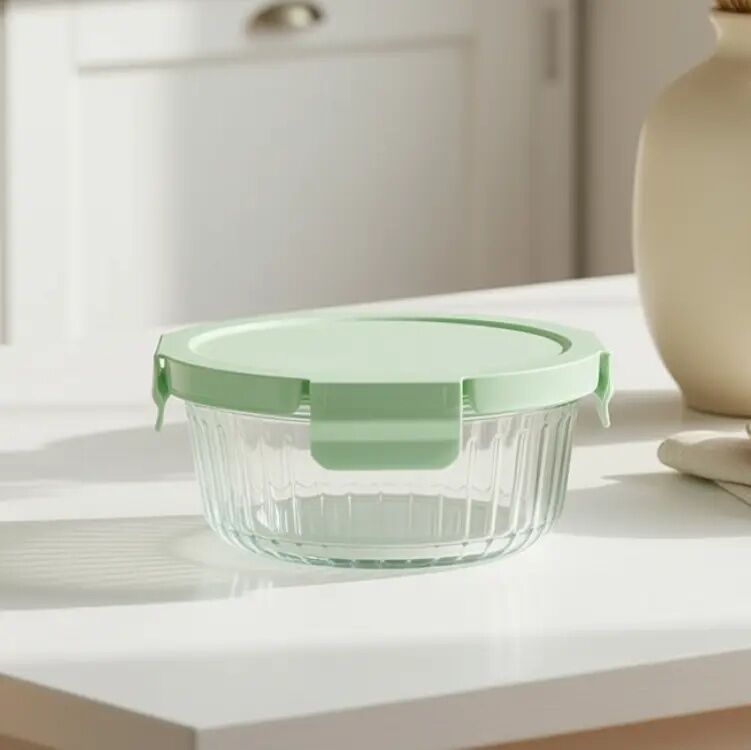
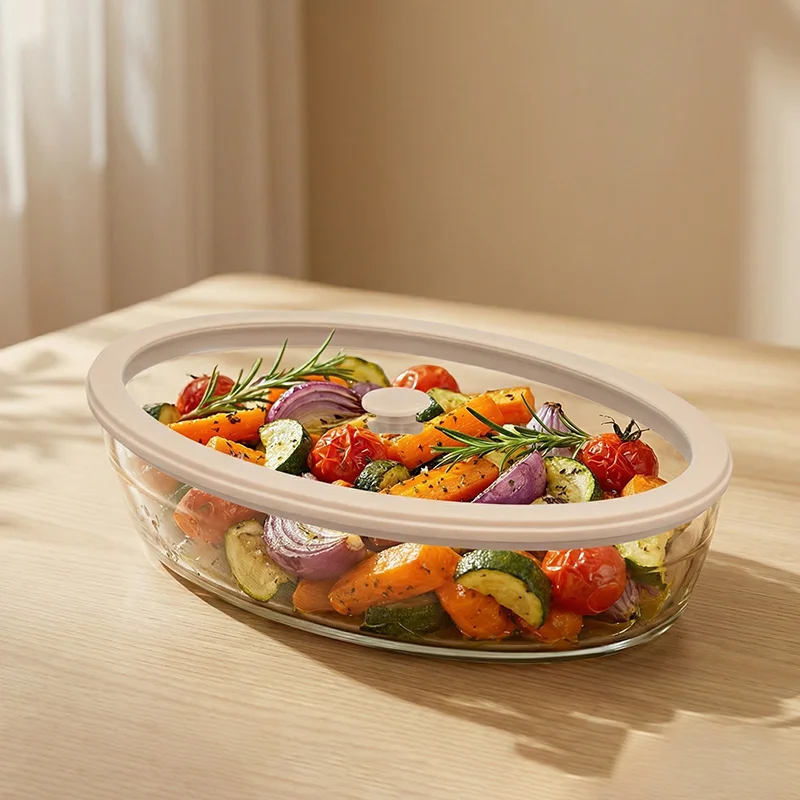
In Slovakia, the kitchenware market is currently undergoing a transition driven by a strong cultural shift toward health-conscious eating and sustainable living. The prevalence of traditional slow-cooking methods in Slovakian households has increased the demand for high-grade glass bakeware with lids that can withstand prolonged oven exposure without compromising structural integrity.

The economic landscape of the region, characterized by a growing urban middle class in Bratislava and Košice, has led to a surge in the adoption of microwavable glass containers. Consumers are increasingly moving away from single-use plastics, favoring non-reactive materials that ensure food safety during the reheating process, reflecting a broader EU-wide mandate for eco-friendly alternatives.

Furthermore, the logistical hub status of Slovakia within Central Europe makes it a critical point for the distribution of durable goods. The demand for stainless steel food storage containers with lids has grown alongside the trend of "meal prepping," where professional workers require leak-proof, impact-resistant vessels that can survive daily commutes in diverse climatic conditions.
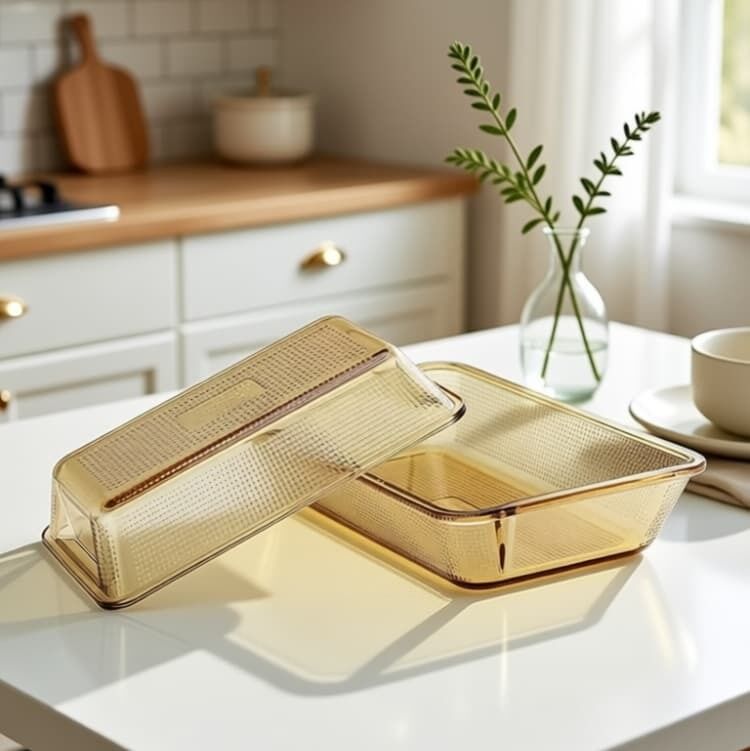
Technical Evolution and Market Trajectory

From traditional soda-lime glass to precision-engineered borosilicate and alloy solutions.

Market Development History

Historically, the Slovakian market relied on heavy soda-lime glass, which provided basic storage but suffered from high thermal expansion coefficients, leading to frequent cracking during temperature shifts. By the early 2000s, the introduction of refined borosilicate glass revolutionized the sector, enabling the creation of the first truly reliable glass mixing bowl set that could move from the freezer to the oven.

Between 2010 and 2020, the focus shifted toward airtight sealing technology. The integration of BPA-free silicone gaskets and snap-lock lids transformed the standard glass food storage container from a simple bowl into a vacuum-seal system, significantly extending the shelf life of traditional Slovakian fermented foods and preserves.

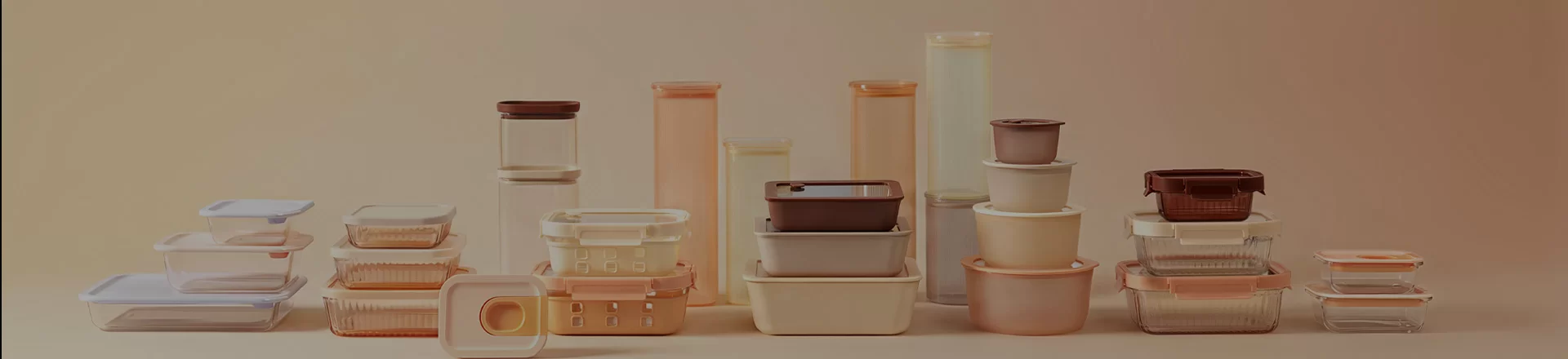
In the last five years, a hybrid material approach has emerged. The market has seen a convergence where users utilize both glass for transparency and heat, and stainless steel food storage containers with lids for extreme durability and outdoor portability, creating a comprehensive kitchen ecosystem.

Future Development Trends

Smart-Thermal Integration

Future iterations will likely feature embedded thermal sensors or indicators that notify the user when microwavable glass containers have reached the optimal temperature for food safety.

Circular Economy Materiality

We predict a move toward 100% recycled high-boron glass, reducing the carbon footprint of manufacturing while maintaining the clarity and strength required for premium bakeware.

Ergonomic Modularization

Design trends are moving toward nesting systems, where a glass mixing bowl set is designed to fit perfectly within storage containers to save space in compact European kitchens.

Industry Trends and Future Outlook

Strategic forecasting for the non-metallic mineral products sector in Central Europe.

Sustainability Transition
Rapid replacement of polymers with borosilicate glass to meet strict EU environmental directives.
Thermal Shock Resistance
Development of glass that withstands extreme temperature gradients from -20°C to 400°C.
Hybrid Material Synergy
Combining stainless steel and glass for versatility in storage and transport.
Precision Molding
Utilizing AI-driven molds to ensure perfect lid-to-container sealing for vacuum integrity.

Industry Outlook

Based on search trend data and consumer behavior in Slovakia, the next 3-5 years will see a significant pivot toward "zero-waste" kitchen ecosystems. The demand for multi-functional tools—such as glass bakeware with lids that serve as both cooking vessels and storage—will dominate the market as consumers seek to minimize dishware clutter.

We anticipate that the integration of high-boron glass will become the industry standard across the region, effectively eliminating the safety concerns associated with thermal shock. This technical evolution will further solidify the role of glass as the primary material for health-conscious meal management in Central Europe.

Localized Application Scenarios in Slovakia

Tailored usage cases for the Slovakian lifestyle and climatic conditions.

1. Traditional Bryndzové Halušky Meal Prep

Using microwavable glass containers to store traditional potato dumplings, ensuring they can be reheated without leaching chemicals or altering the delicate flavor of the sheep cheese.

2. Tatra Mountain Outdoor Excursions

Utilizing stainless steel food storage containers with lids for hiking trips in the High Tatras, providing an unbreakable, leak-proof solution for carrying nutrient-dense meals in rugged terrains.

3. Winter Cabbage Preservation

Employing a high-capacity glass mixing bowl set for the seasonal preparation of sauerkraut, allowing for precise mixing and fermentation in a non-reactive environment.

4. Urban Professional Lunch Solutions

Bratislava's corporate workforce utilizing a glass food storage container for office lunches, benefiting from the transparency for easy inventory and the safety of microwave heating.

5. Festive Holiday Baking

Using professional-grade glass bakeware with lids for Christmas cookies and cakes, allowing the baker to transition directly from the oven to the dining table and then to airtight storage.

Brand Story

Global Development Journey of Shijiazhuang East Intelligent Technology Co., Ltd.

Foundational Excellence

Established with a mission to solve the fragility of traditional glassware, focusing on high-boron material research to eliminate thermal shock failures.

Technological Breakthrough

Developed a proprietary airtight sealing process that ensured 100% leak-proof performance for glass containers, setting a new industry benchmark.

European Expansion

Strategically entered the EU market, adapting designs to meet the rigorous safety and environmental standards of Central European consumers.

Diversification Era

Expanded the product line to include hybrid stainless steel solutions, recognizing the need for varied durability in different lifestyle scenarios.

Sustainable Future

Committing to a carbon-neutral manufacturing process, leading the way in the transition to circular economy kitchenware globally.

Common Questions in the Slovakian Market

Expert answers to technical and usage queries regarding glass and steel storage.

Are microwavable glass containers safe for long-term food storage?

Yes, our borosilicate glass is non-porous and chemically inert, making it the safest material for long-term storage as it does not absorb odors or leach chemicals into food.

How do stainless steel food storage containers with lids compare to glass for outdoor use?

Stainless steel is superior for outdoor activities due to its impact resistance and lightness, while glass is preferred for oven-to-table transitions and microwave heating.

Can a glass mixing bowl set be used for fermentation?

Absolutely. Glass is the ideal material for fermentation as it does not react with the acids produced during the process, ensuring the purity of the ferment.

What is the temperature limit for glass bakeware with lids?

Our professional bakeware is engineered to withstand temperatures up to 400°C, though we recommend removing plastic lids before placing them in the oven.

Are the lids for glass food storage container sets dishwasher safe?

Yes, our lids are made from high-grade, heat-resistant polymers and silicone, making them safe for the top rack of any standard dishwasher.

How do I prevent condensation in my food storage containers?

Allow food to cool slightly before sealing the lid. Our airtight seals prevent external moisture from entering, while a brief venting period prevents internal condensation.

Partner with the Glassware Experts

Ready to elevate your kitchenware inventory in Slovakia? Our technical team is available to provide customized manufacturing solutions.

Contact Us Now

If you are interested in our products, you can choose to leave your information here, and we will be in touch with you shortly.