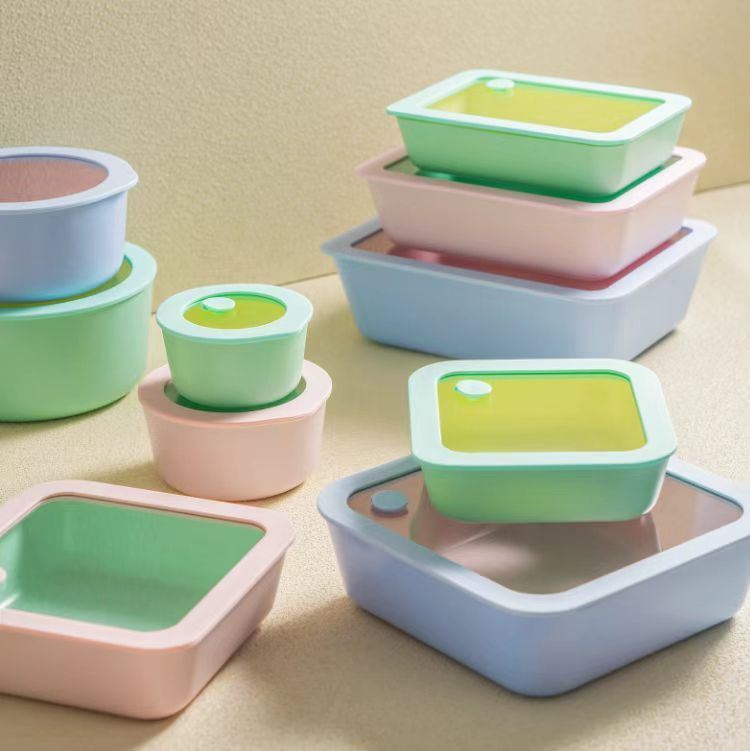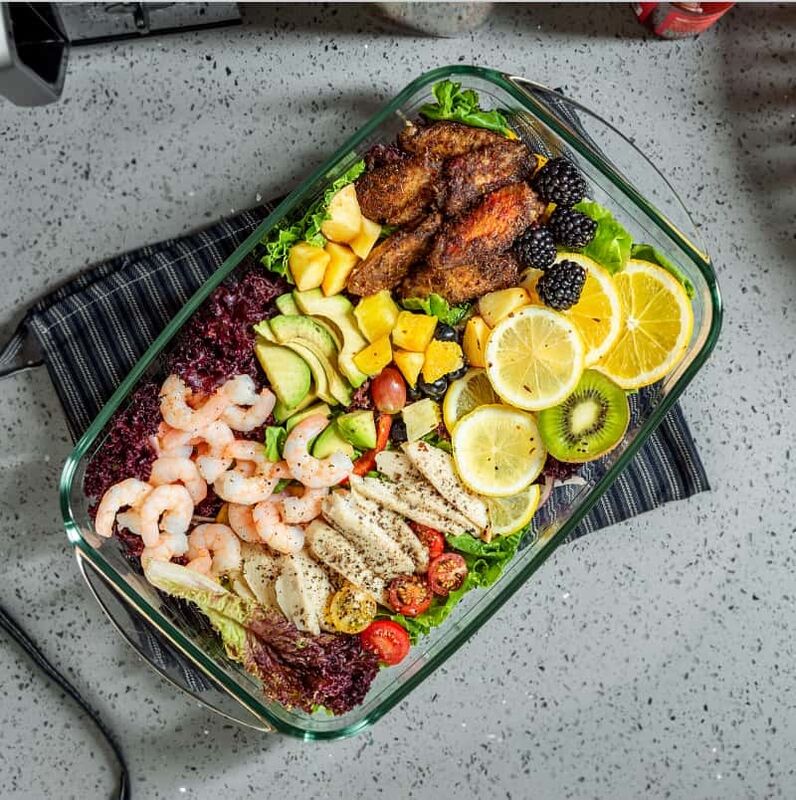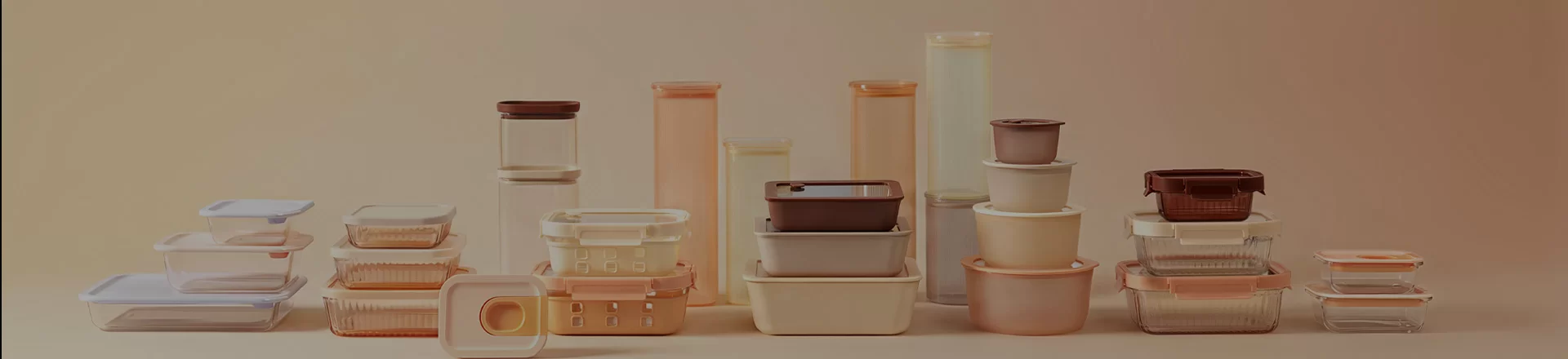
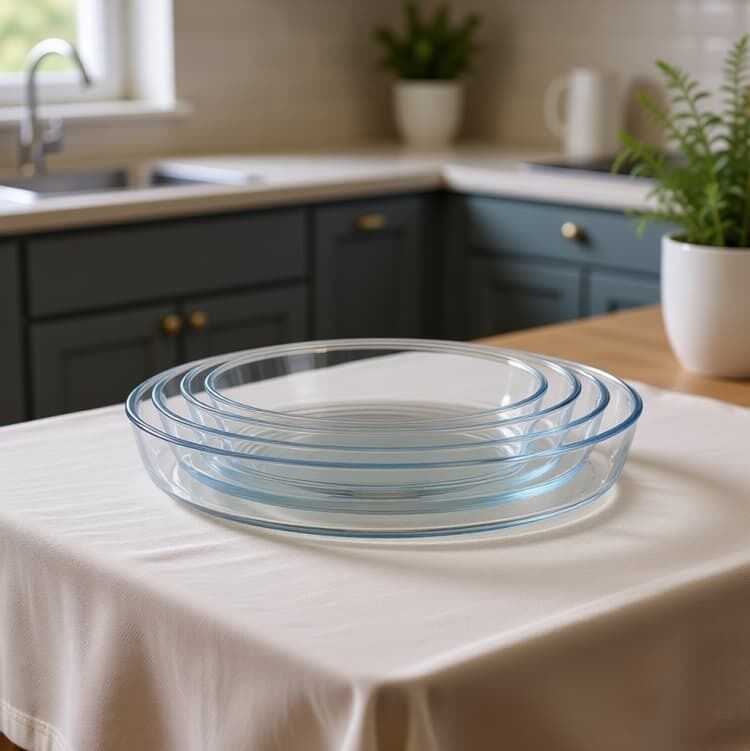
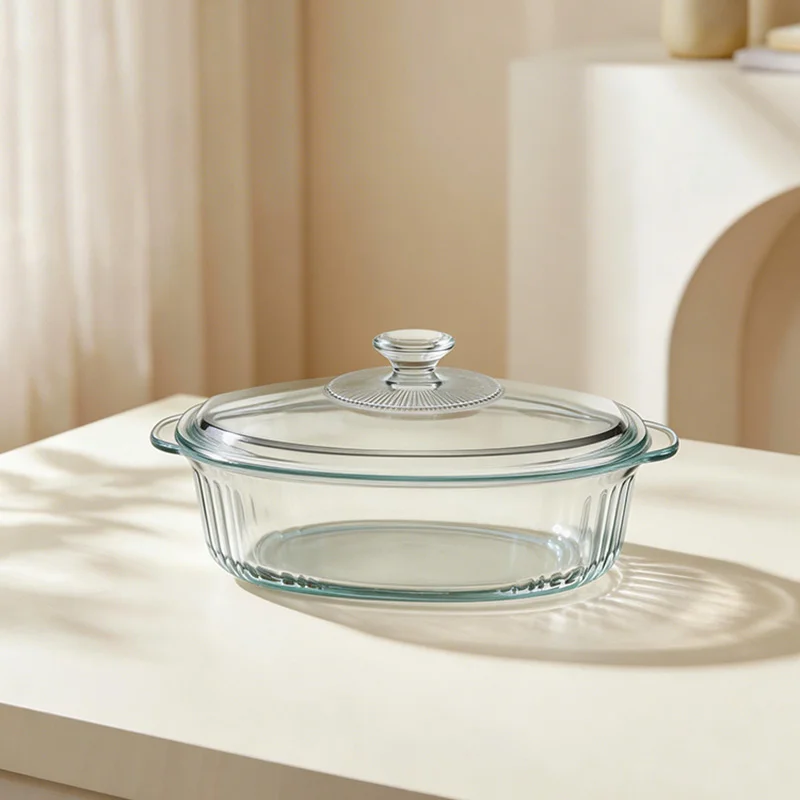
Premium glass bakeware with lids Solutions for Papua New Guinea

Engineered for durability and thermal resistance, our professional glass and steel storage systems are optimized for the unique tropical climate of Papua New Guinea.

Market Landscape of Glassware in Papua New Guinea

Analyzing the intersection of food preservation needs and regional environmental challenges.

In Papua New Guinea, the high humidity and coastal salinity pose significant challenges for food storage. Traditional plastic containers often degrade or leach chemicals under the intense tropical sun, driving a market shift toward glass food storage container options that offer superior chemical stability and hygiene.

The logistical complexity of distributing fragile items across the Highlands and coastal provinces has historically limited the availability of high-end glassware. However, the rise of urban centers like Port Moresby and Lae has increased the demand for professional-grade glass mixing bowl set collections for both commercial catering and residential use.

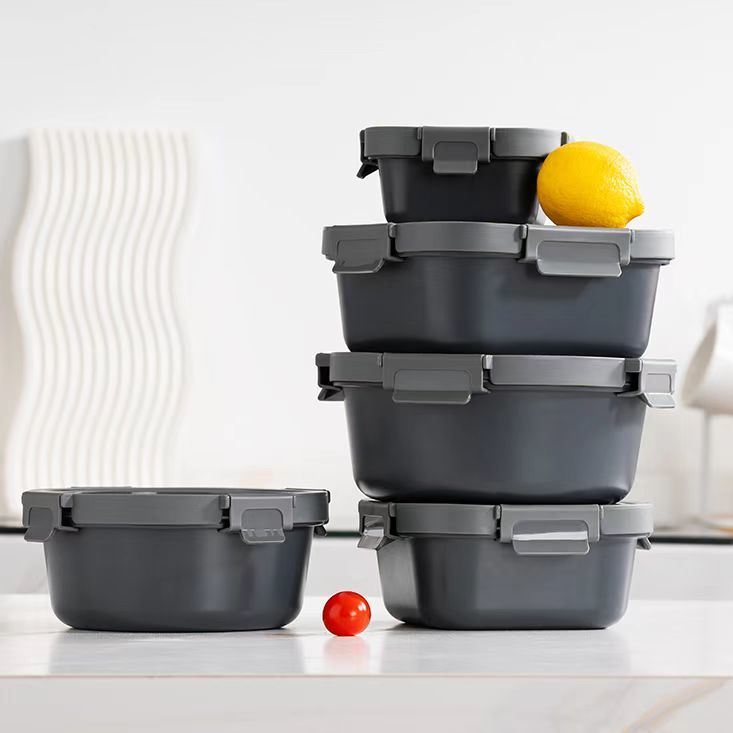
Moreover, there is a growing preference for hybrid solutions. The integration of stainless steel food storage containers with lids has become essential for outdoor transport and rugged environment usage, providing a break-proof alternative while maintaining food safety standards in remote areas.
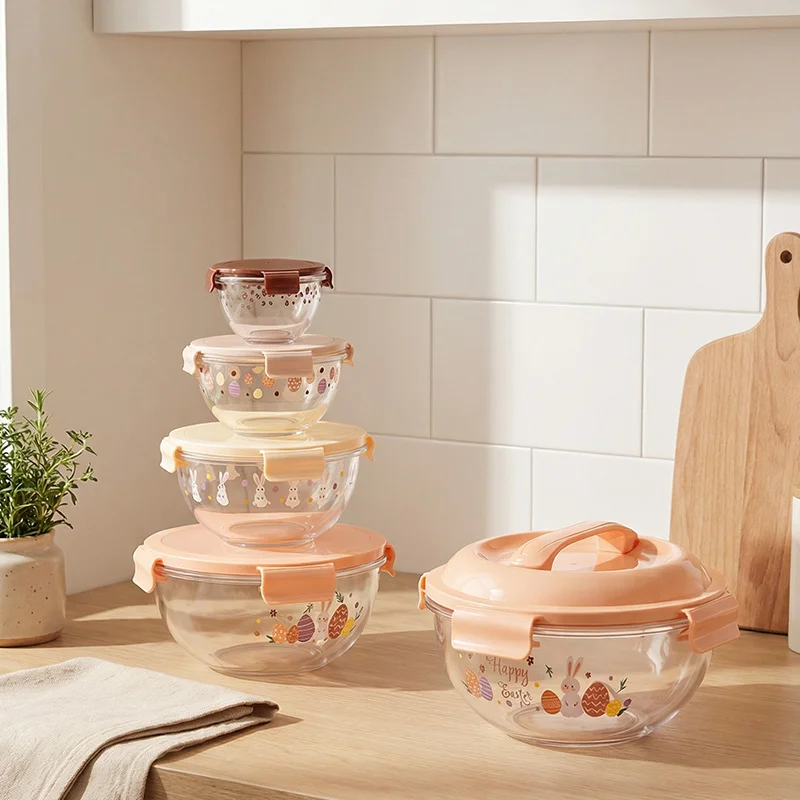
Evolution of Glass Manufacturing Technology

From traditional soda-lime glass to advanced borosilicate thermal shock resistance.

Market Development History

Prior to 2010, the market was dominated by heavy, low-tempered soda-lime glass which was prone to cracking during rapid temperature changes. This limited the utility of oven-to-table transitions in local kitchens.

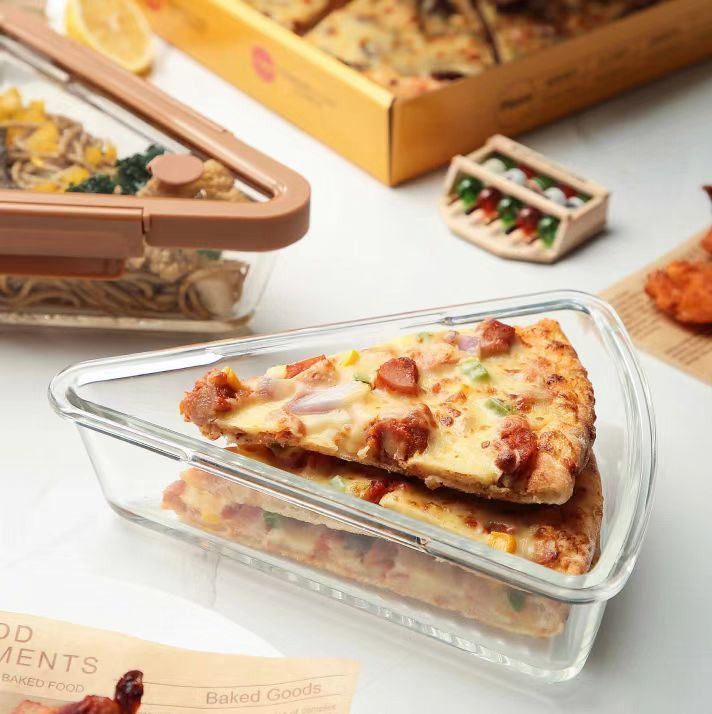
Between 2010 and 2020, the introduction of expanded borosilicate technology allowed for the mass production of microwavable glass containers. This shift enabled safer food reheating and more efficient energy use in modern PNG households.

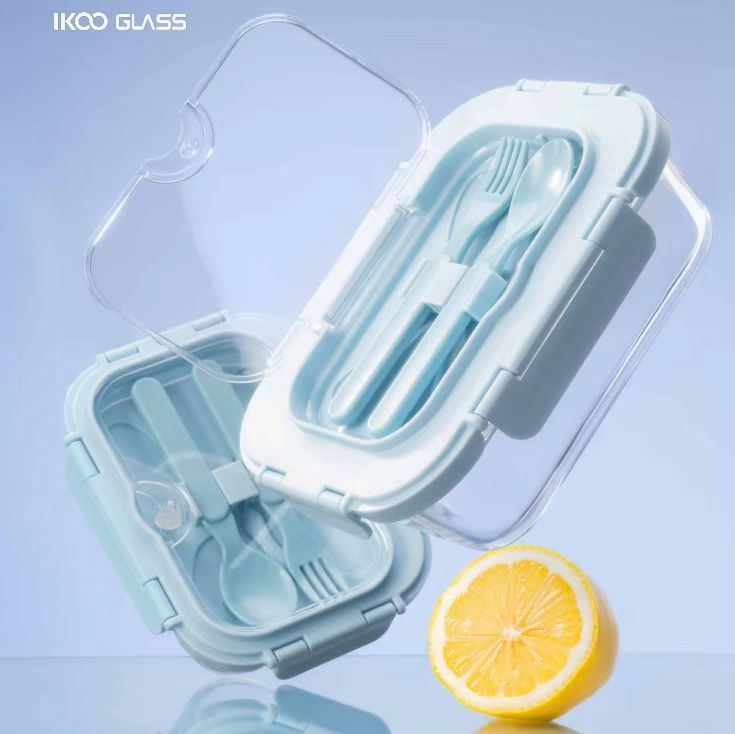
From 2020 to the present, the industry has pivoted toward "Intelligent Sealing." The evolution of airtight silicone-lid technology has solved the problem of food spoilage caused by the high moisture levels characteristic of the Oceania region.

Future Development Trends

Eco-Friendly Material Integration

Predicted growth in biodegradable lid components to replace plastics, aligning with global sustainability trends and PNG's pristine natural environment.

Enhanced Thermal Gradient Resistance

Development of ultra-low expansion glass that can move from deep-freeze to high-heat ovens without stress fractures, catering to the professional culinary sector.

Lightweight High-Strength Composites

Reducing the shipping weight of glassware to lower the carbon footprint and cost of delivery to the Highlands provinces.

Industry Trends and Future Outlook

Strategic directions for the non-metallic mineral products industry in the Pacific region.

Thermal Efficiency
Optimization of heat retention for energy-saving cooking in rural PNG communities.
Logistics Optimization
Implementing shock-absorbent packaging to reduce breakage during inland transport.
Hygienic Standards
Focusing on non-porous surfaces to eliminate bacterial growth in high-temperature zones.
Sustainable Sourcing
Exploring recycled glass feedstock to support local circular economy initiatives.

Industry Outlook

The next 3-5 years will see a surge in "Hybrid Kitchenware" where the strength of steel and the clarity of glass are combined in single modular systems. Based on search trends in the Oceania region, there is an increasing query volume for "BPA-free sustainable storage," indicating a shift in consumer consciousness.

We anticipate that the integration of smart-sensor lids—capable of monitoring food freshness—will enter the premium market in Port Moresby, leveraging the growth of the local tech-savvy middle class.

Local Application Scenarios in Papua New Guinea

Real-world implementations of our glass and steel storage solutions.

01. Coastal Hospitality & Resorts

Using glass bakeware with lids for luxury beachfront resorts to provide fresh, oven-baked breakfast items while maintaining hygiene against salty sea breezes.

02. Highland Community Meal Prep

Deploying stainless steel food storage containers with lids for bulk food transport in the Highlands, ensuring durability across rugged terrain.

03. Urban Port Moresby Office Lunches

Providing microwavable glass containers for corporate employees, enabling safe and healthy reheating in shared office pantries.

04. Professional Catering in Lae

Implementing large-scale glass mixing bowl set kits for local events, allowing for clear visibility and sanitary preparation of traditional feasts.

05. Remote Clinic Nutrition Storage

Utilizing airtight glass food storage container units to preserve nutritional supplements in humid, remote health clinics.

Brand Story

Global Development History of Shijiazhuang East Intelligent Technology Co., Ltd.

Foundational Innovation

Established with a mission to solve the fragility of consumer glassware, we began by perfecting the borosilicate fusion process.

Global Expansion

Expanding our footprint into Oceania, we adapted our designs to meet the rigorous demands of tropical and humid environments.

Technological Breakthrough

Developed the patented "Zero-Leak" lid system, specifically designed to prevent oxidation in high-humidity regions.

Sustainability Commitment

Launched the "Green Glass" initiative to ensure all manufacturing processes reduce carbon emissions by 30%.

Vision 2030

Striving to be the leading provider of intelligent, eco-friendly food storage solutions across Papua New Guinea and beyond.

Local FAQ for Papua New Guinea

Addressing the most common concerns regarding glass and steel food storage.

Are microwavable glass containers safe for extreme tropical heat?

Yes, our borosilicate glass is engineered to handle high thermal gradients, making it safe for both microwave use and storage in high-ambient-temperature environments in PNG.

How do stainless steel food storage containers with lids perform against salt corrosion?

We use high-grade 304/316 stainless steel which is specifically resistant to the oxidative effects of coastal salt air found in Port Moresby and Lae.

Can a glass mixing bowl set be used for fermenting local tropical fruits?

Absolutely. The non-reactive nature of our glass ensures that acidic fruits do not leach chemicals, making it ideal for traditional PNG fermentation processes.

Is glass bakeware with lids suitable for traditional oven roasting?

Our bakeware is designed for high-temperature roasting. However, we recommend removing lids if they are not heat-rated for oven temperatures above 200°C.

How do I maintain the seal of my glass food storage container in high humidity?

Simply rinse the silicone gaskets with warm water and dry thoroughly. The high-grade silicone is designed not to warp or mold in PNG's humid climate.

What is the best way to transport glassware to the Highlands?

We recommend using our reinforced shipping crates with foam inserts to protect against vibration and impact during inland transit.

Ready to Upgrade Your Storage?

Contact our expert team for bulk orders and customized distribution solutions across Papua New Guinea.

Contact Us Now

If you are interested in our products, you can choose to leave your information here, and we will be in touch with you shortly.