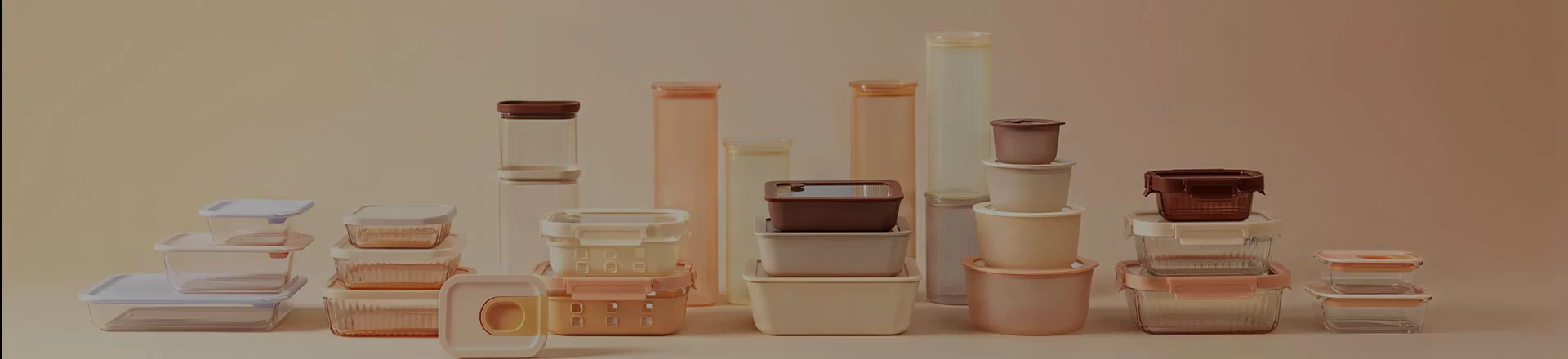
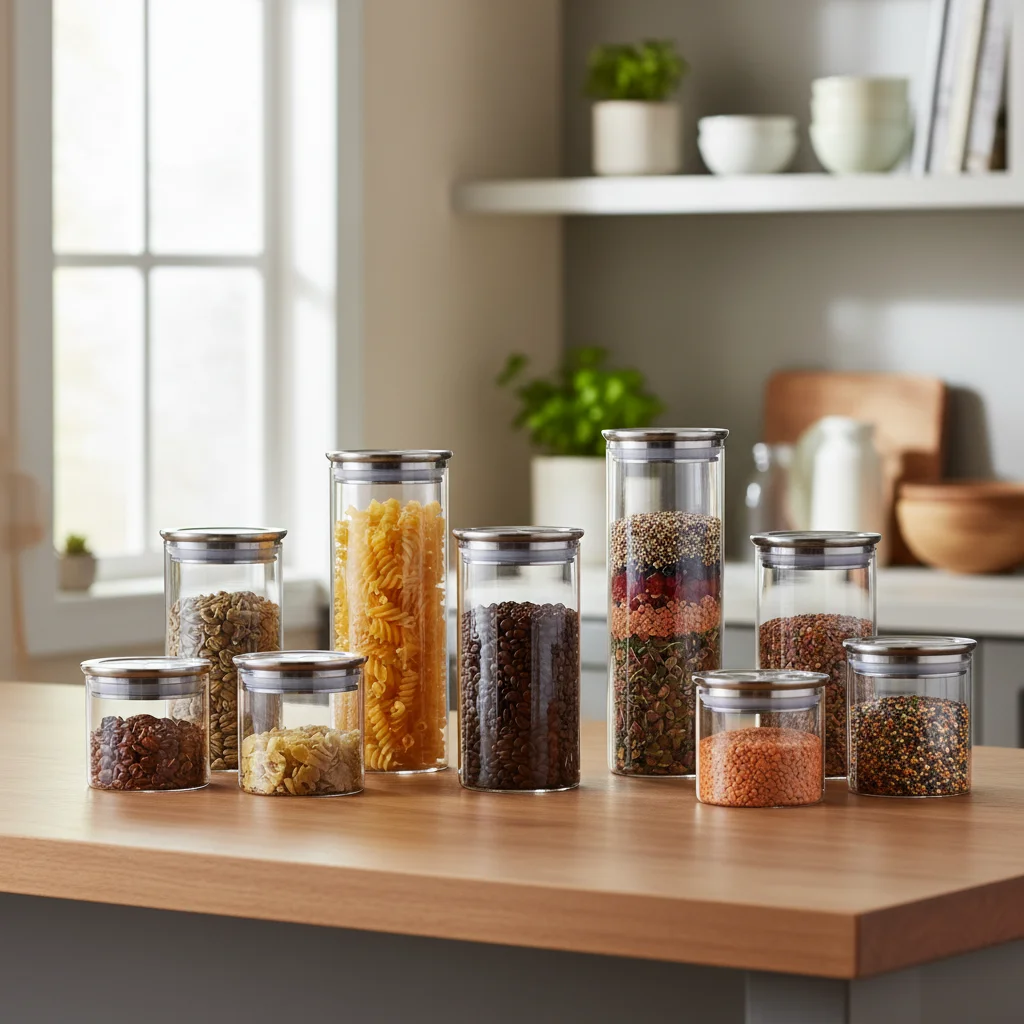
Selecting the right glass food storage containers for fridge is more than just an organizational choice; it is a commitment to food safety, waste reduction, and sustainable living. As modern kitchens shift away from single-use plastics, high-quality borosilicate glass has emerged as the gold standard for maintaining the freshness and nutritional integrity of ingredients over extended periods.
From a global perspective, the demand for non-reactive storage solutions is surging as consumers become more aware of chemical leaching associated with plastic containers. By utilizing glass, households can effectively eliminate odors, prevent stains, and ensure that the flavors of their meal-prepped dishes remain untainted, making it an essential tool for anyone pursuing a healthier lifestyle.
Whether you are managing a large family's weekly nutrition or optimizing a professional kitchen, understanding the technical nuances of these containers—such as thermal shock resistance and airtight sealing—allows you to maximize the lifespan of your produce and reduce the environmental footprint of your household.

Global Industry Context of Glass Storage
The global shift toward sustainable packaging is not merely a trend but a response to critical environmental data. According to reports aligned with ISO environmental standards, the proliferation of microplastics in the food chain has pushed the manufacturing industry to prioritize inert materials. glass food storage containers for fridge have seen a significant uptick in market share as urban populations in Europe, North America, and Asia adopt "Zero Waste" lifestyles.
However, the industry faces the challenge of balancing fragility with functionality. The transition from soda-lime glass to borosilicate glass represents a pivotal technological leap, allowing containers to withstand the extreme temperature gradients found in modern refrigerators and ovens without cracking, thereby solving the primary pain point of traditional glassware.
Defining Premium Glass Food Storage
In simple terms, glass food storage containers for fridge are specialized vessels designed to preserve food freshness through an airtight seal and a non-porous body. Unlike plastic, glass does not absorb odors or flavors, ensuring that last week's garlic pasta doesn't influence this week's fresh fruit.
From an industrial standpoint, these containers represent a marriage of material science and ergonomic design. They are engineered to be "food-grade," meaning they meet stringent safety certifications that guarantee no harmful chemicals migrate into the food, regardless of the acidity or temperature of the contents.
This definition extends beyond the domestic kitchen into the humanitarian and healthcare sectors. In controlled environments where sterile storage is mandatory, high-quality glass containers provide a reliable, easy-to-sanitize solution that supports public health by preventing cross-contamination.
Key Technical Factors for Durability
The primary factor determining the quality of glass food storage containers for fridge is thermal shock resistance. This is the ability of the glass to handle rapid temperature changes—such as moving a container from a freezer to a microwave—without undergoing structural failure.
Another critical component is the sealing mechanism. Whether using a 4-lock system, a stainless steel lid, or an eco-friendly wood lid with a silicone gasket, the seal must create a vacuum-like environment to prevent oxidation, which is the leading cause of food spoilage in refrigerator settings.
Finally, chemical stability and transparency play a huge role in user experience. High-clarity glass allows for instant inventory checks within the fridge, reducing the likelihood of forgotten food turning into waste, while the non-reactive surface ensures that acidic foods like tomato sauce do not erode the container.
Comparative Performance Analysis
When evaluating different styles of glass food storage containers for fridge, performance varies based on the lid material and glass type. For instance, containers with stainless steel lids offer superior durability for long-term freezing, while those with bamboo or eco-wood lids provide a sustainable aesthetic for short-term refrigeration.
The efficiency of these containers is often measured by their ability to maintain an internal temperature and block external contaminants. The following data compares several popular configurations used in the industry today.
Performance Ratings of Various Glass Storage Types
Global Applications and Use Cases
In high-density urban centers like Tokyo or New York, glass food storage containers for fridge are utilized extensively for "meal prepping," a practice that reduces daily food costs and promotes healthy eating. The stackability of these containers allows for maximum space utilization in compact refrigerators.
Beyond the home, the hospitality industry has integrated glass storage into "farm-to-table" operations. By using glass to store prepped ingredients, chefs can maintain a visual inventory while ensuring that the ingredients remain free from the plastic leaching that can alter the subtle flavor profiles of organic produce.
Long-Term Value and Sustainability
The investment in glass food storage containers for fridge pays off through significant long-term cost savings. While the initial purchase price is higher than plastic, the lifespan of borosilicate glass is exponentially longer, reducing the need for frequent replacements and slashing the amount of plastic waste sent to landfills.
From a psychological perspective, there is a sense of "culinary dignity" associated with glass. Organized, clear containers make food look more appealing, which encourages users to eat their leftovers rather than throwing them away. This behavioral shift contributes directly to the global effort to reduce food waste.
Moreover, the reliability of glass provides peace of mind. Knowing that your food is stored in a non-toxic, BPA-free environment removes the anxiety surrounding endocrine disruptors, making it a choice that favors both the planet and human biology.
Future Innovations in Glassware
The future of glass food storage containers for fridge is leaning toward "smart" integration and advanced material coatings. We are seeing the development of antimicrobial glass coatings that actively inhibit bacterial growth, further extending the shelf life of perishables without the need for preservatives.
Sustainability is also driving the adoption of completely biodegradable lid materials, moving away from silicone toward plant-based polymers that offer the same airtight seal but decompose naturally at the end of their lifecycle.
Automation in the manufacturing process is also allowing for highly customized container shapes that fit perfectly into modular fridge systems, reducing "dead space" and improving the energy efficiency of refrigeration by optimizing airflow.
Comparative Analysis of Glass Storage Innovations
| Technology |
Impact on Freshness |
Eco-Friendliness |
User Convenience |
| Borosilicate Glass |
High (Thermal Stability) |
Excellent |
Oven-to-Fridge |
| Amber-Tinted Glass |
Very High (UV Block) |
Excellent |
Light-Sensitive Foods |
| Vacuum-Seal Lids |
Maximum (Oxygen-Free) |
Good |
Long-Term Storage |
| Bamboo-Lid Hybrid |
Medium-High |
Superior |
Aesthetic Appeal |
| Antimicrobial Coating |
Excellent (Anti-Bacterial) |
Good |
Reduced Cleaning |
| Modular Stack Design |
Medium |
Excellent |
Space Optimization |
FAQS
Yes, provided they are made from borosilicate glass and you leave a small amount of headspace. Liquids expand when frozen, so filling the container to the absolute brim can cause the glass to crack. Borosilicate is specifically engineered to handle these temperature shifts better than standard glass.
While glass is non-porous, the lids often absorb odors. For the glass itself, a paste of baking soda and water usually removes any residue. For lids, a soak in white vinegar and water is highly effective. Always ensure the silicone seal is cleaned separately to maintain a perfect airtight lock.
Tempered glass is strengthened through a process of heating and rapid cooling, making it impact-resistant. Borosilicate glass contains boron trioxide, which gives it a much lower coefficient of thermal expansion. This means borosilicate is far superior for moving items from the fridge to the oven.
Generally, no. While the glass is microwave-safe, most lids (plastic, bamboo, or stainless steel) are not. You should remove the lid or leave it slightly ajar to allow steam to escape, preventing pressure build-up that could cause the lid to warp or the container to shatter.
Absolutely. Glass provides a more effective oxygen barrier and does not interact chemically with the food. This prevents the "plastic taste" and keeps fats and oils from oxidizing as quickly, which preserves the flavor and nutritional value of your meals longer.
We recommend a mixed set. Use larger rectangular containers for main courses and smaller circular ones for dips, sauces, or snacks. Measuring your fridge shelves before purchasing ensures you can utilize vertical space through stacking, which is a key advantage of professional glass sets.
Conclusion
In summary, transitioning to glass food storage containers for fridge is a strategic move that blends health, sustainability, and practical efficiency. By leveraging materials like borosilicate glass and advanced sealing technologies, users can significantly reduce food waste, eliminate toxic chemical exposure, and organize their kitchens with professional-grade precision.
As we look toward a future of conscious consumption, the adoption of durable, reusable glassware is a simple yet powerful step toward environmental stewardship. We encourage you to audit your current storage solutions and invest in high-quality glass to experience the difference in food taste and longevity. Visit our website to explore our full range: www.ikoo-glass.com