Choosing the Best Glass Containers for Freezing Food: A Complete Guide
Preserving the freshness and nutritional value of your meals starts with the right storage. When searching for glass containers for freezing food, it is essential to prioritize materials that can withstand extreme temperature fluctuations without compromising safety. Whether you are meal prepping for the week or storing seasonal leftovers, using high-quality glass and stainless steel combinations ensures a non-toxic, airtight environment. In this guide, we explore how to choose the perfect containers to keep your food fresh, healthy, and ready to enjoy.

The Importance of Airtight Seals in Food Preservation
The primary enemy of frozen food is "freezer burn," which occurs when air reaches the food and dehydrates it. Using glass containers for freezing food with tempered glass lids provides a superior airtight seal compared to traditional plastic wraps. This prevents oxidation and locks in flavor. By choosing containers that are specifically engineered for airtight performance, you can extend the shelf life of your salads, sandwiches, and cooked meals significantly, ensuring that the texture and taste remain intact from the freezer to the table.
Pro Tip: Always leave a small amount of headspace (about half an inch) when filling containers for the freezer to allow for food expansion as it freezes, preventing the glass from cracking.
Comparing Material Safety for Your Kitchen
Not all storage materials are created equal. While plastic is common, it often contains BPA and can leach chemicals into hot food. In contrast, food-grade stainless steel (304 or 316) paired with tempered glass offers a non-toxic alternative. These materials are not only durable but also resistant to stains and odors. When you invest in professional glass containers for freezing food, you are choosing a sustainable lifestyle that prioritizes health over convenience. Below is a comparison of the most common materials used in modern food storage.
Versatility of Glass Containers for Freezing Food
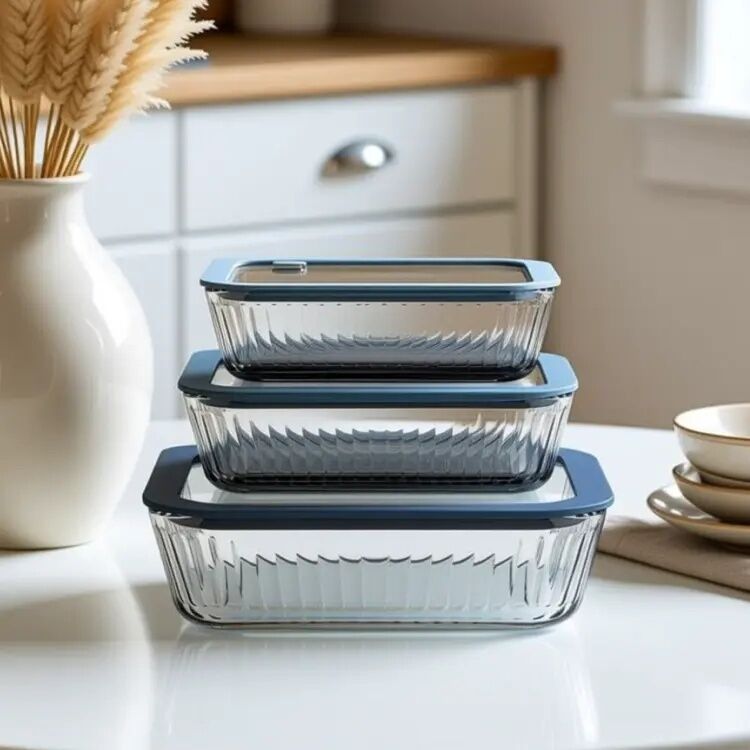
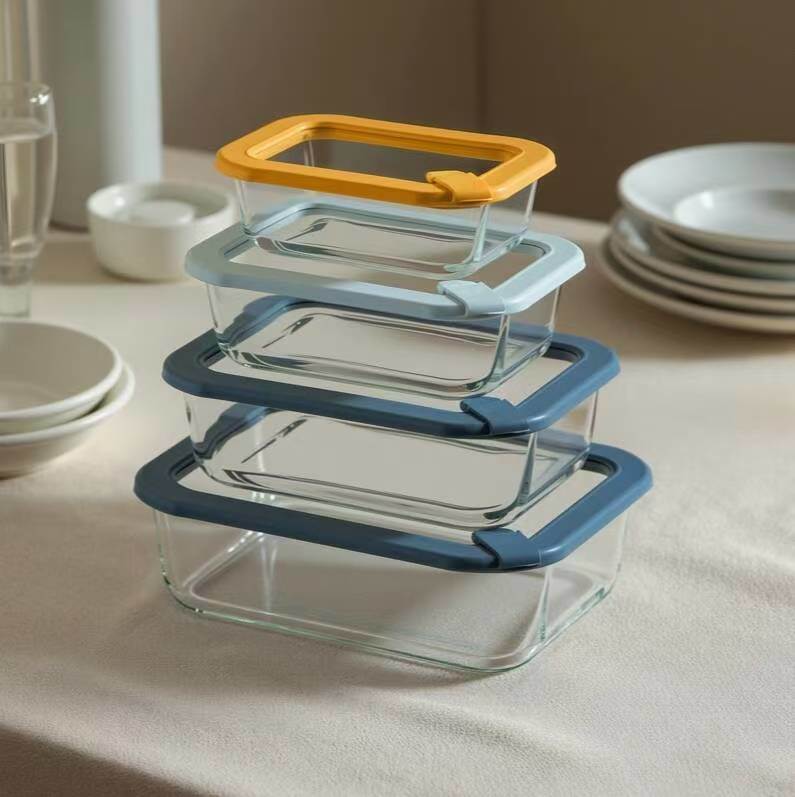
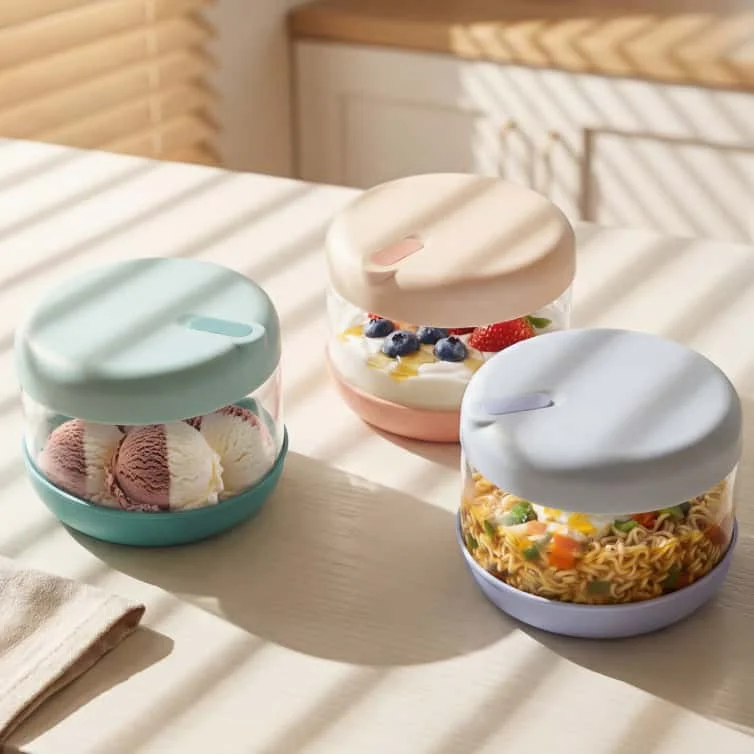
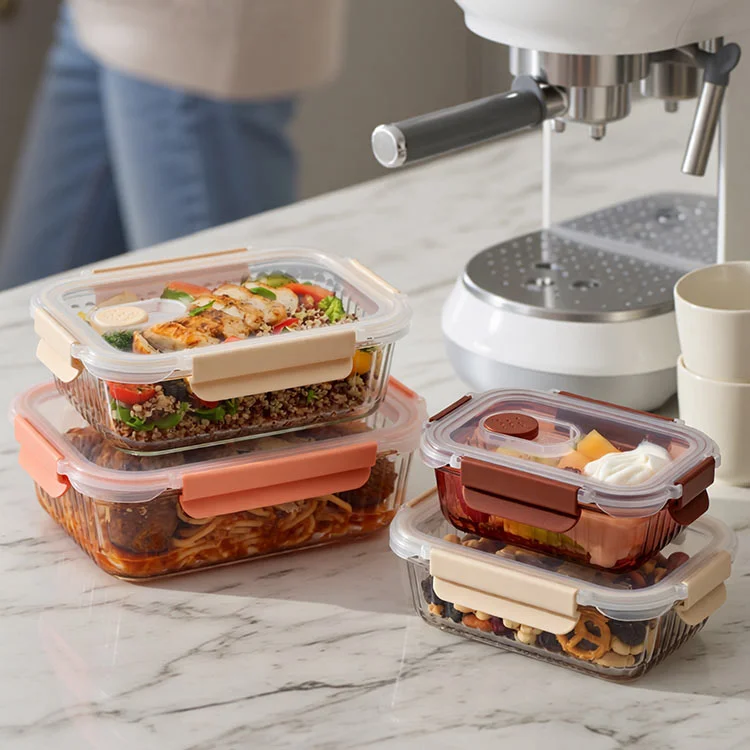
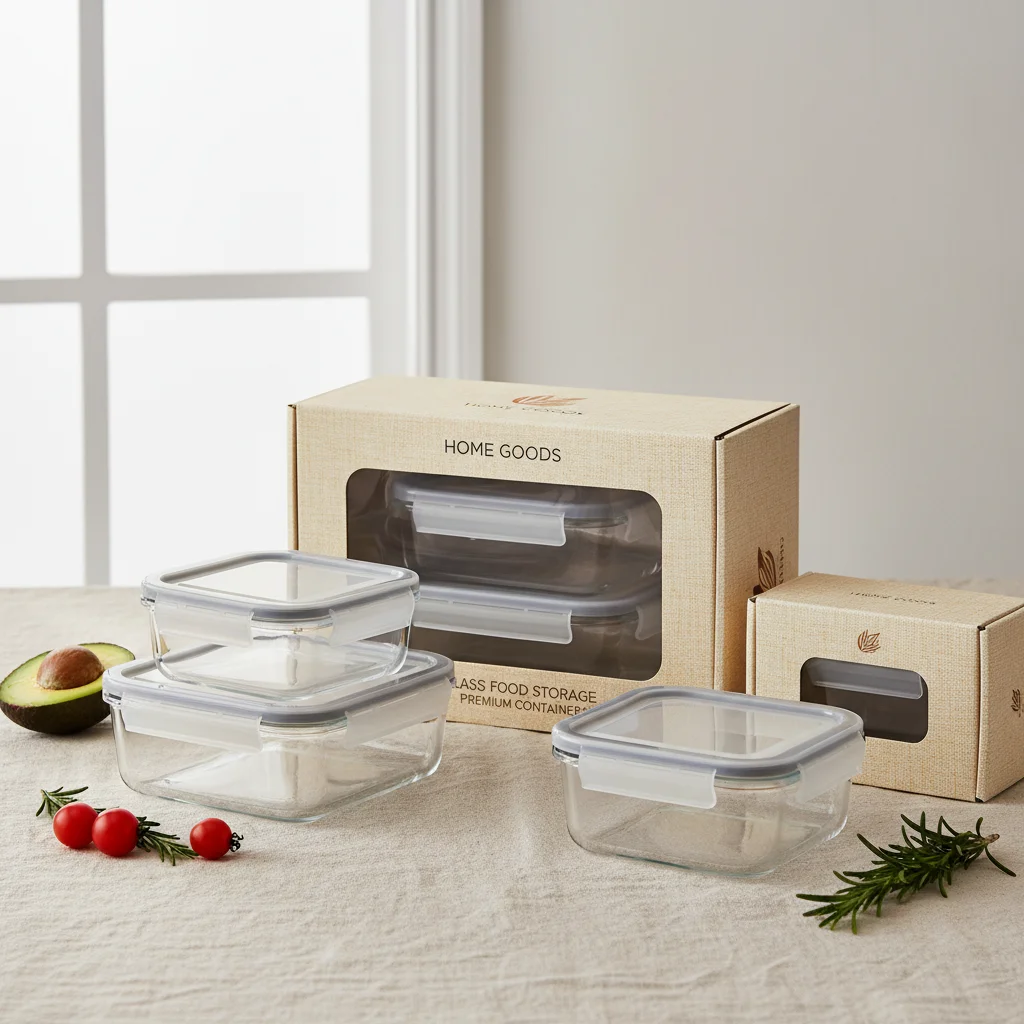
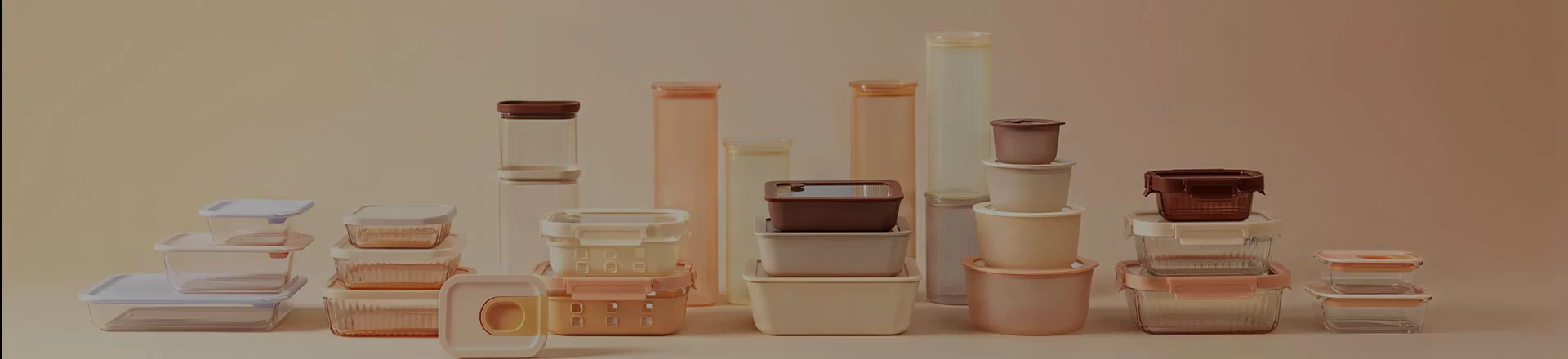
Modern storage solutions are designed to be multifunctional. From rectangular containers for sandwiches to round ones for soups and square boxes for snacks, the variety allows for efficient fridge and freezer organization. The use of tempered glass lids means you can see exactly what is inside without opening the container, reducing the time the food is exposed to room temperature. Whether you are using them for meal prep, lunch boxes, or leftovers, glass containers for freezing food provide the flexibility needed for a fast-paced modern lifestyle.

Optimal Usage: Freezing and Defrosting Tips
To maximize the effectiveness of your glass containers for freezing food, proper technique is key. First, ensure the food is cooled to room temperature before sealing and freezing to prevent condensation. Second, when defrosting, move the container from the freezer to the refrigerator overnight. This slow thaw prevents thermal shock to the glass and maintains the food's texture. Because these containers use premium materials like 304/316 stainless steel, they remain stable even in deep-freeze conditions.
Technical Specifications for Premium Storage
When selecting professional-grade equipment, understanding the specifications is vital for ensuring long-term durability. Premium containers combine the strength of industrial stainless steel with the clarity and heat resistance of tempered glass. This synergy makes them ideal for a variety of temperatures, from the deep freezer to the microwave or oven (depending on the specific model). Below are the detailed specifications for our high-performance line of glass containers for freezing food.
Conclusion: Elevate Your Food Storage Game
Switching to high-quality glass containers for freezing food is more than just an organizational upgrade; it is a commitment to a healthier, more sustainable lifestyle. By utilizing the combination of tempered glass and medical-grade stainless steel, you ensure that your meals remain fresh, contaminant-free, and delicious. Invest in durability and health today to enjoy the peace of mind that comes with premium food preservation.
Frequently Asked Questions (FAQs)
Are all glass containers safe for freezing?
No, not all glass is suitable for the freezer. Standard glass can crack due to the expansion of liquids and the extreme cold. To safely use glass containers for freezing food, you must use borosilicate or tempered glass, which are designed to handle thermal shock. Additionally, leaving space at the top of the container is crucial to allow for food expansion, which prevents the glass from breaking under pressure.
Can I move these containers directly from the freezer to the microwave?
It is highly recommended to avoid extreme temperature jumps. Moving a container directly from a deep freeze to a high-heat microwave can cause thermal shock. For the best results and to prolong the life of your containers, let the food thaw slightly in the refrigerator or use a gentle defrost setting. Always ensure the lid is loosened or removed before heating to allow steam to escape, preventing pressure build-up.
Why choose stainless steel with glass lids over all-glass containers?
The combination of stainless steel and glass offers the "best of both worlds." Stainless steel provides incredible durability and lightweight properties, making the containers easier to carry as lunch boxes. The tempered glass lid allows for visibility and creates a superior airtight seal. This hybrid design is often more resistant to breakage during transport than all-glass sets, while still avoiding the health risks associated with plastic materials.
How do I clean my airtight glass containers to maintain the seal?
To maintain the airtight integrity, we recommend washing containers with a soft sponge and mild detergent. Avoid using abrasive steel wool on the glass lids to prevent scratches. Most of our premium glass containers for freezing food are dishwasher safe, but hand-washing the silicone seals occasionally helps them maintain their elasticity and sealing power over many years of use.