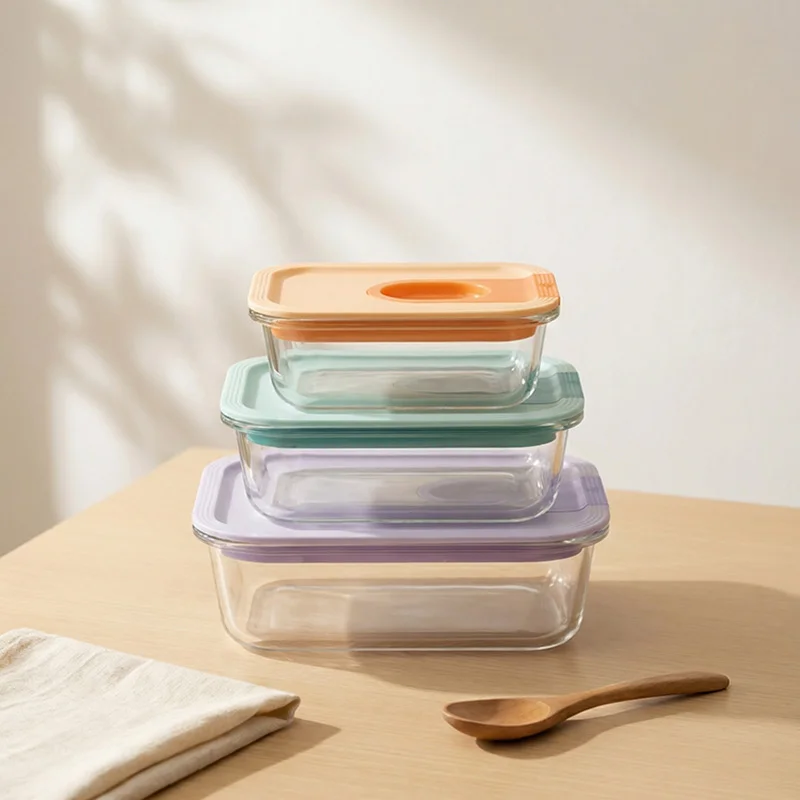
Premium Glass Food Storage Solutions for Zimbabwe: microwavable glass containers

High-durability, heat-resistant glassware engineered for the Zimbabwean culinary market, combining sustainability with professional-grade preservation.

Premium Glass Food Storage Solutions for Zimbabwe: microwavable glass containers

We provide advanced food preservation systems specifically designed to withstand the temperature fluctuations and storage needs of Zimbabwean households and commercial kitchens.

Market Landscape of Food Storage in Zimbabwe

Analyzing the transition from traditional plastic to high-borosilicate glass in Southern Africa.

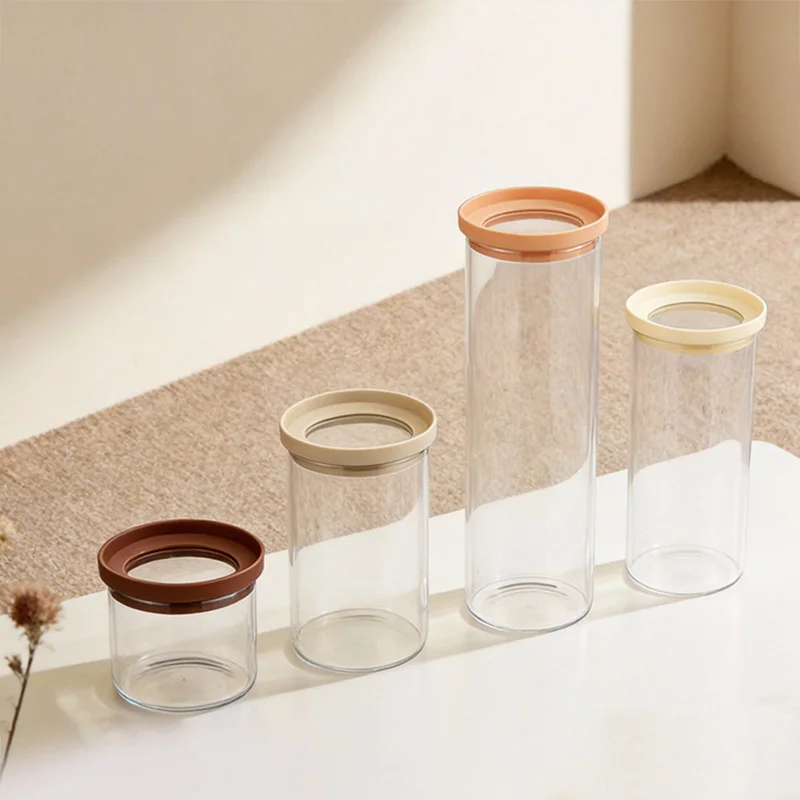
In Zimbabwe, the food storage market is currently undergoing a significant shift. Due to the region's warm climate and the prevalence of traditional home-cooked meals, there is an increasing demand for glass food storage container options that prevent spoilage and avoid the chemical leaching associated with low-grade plastics.

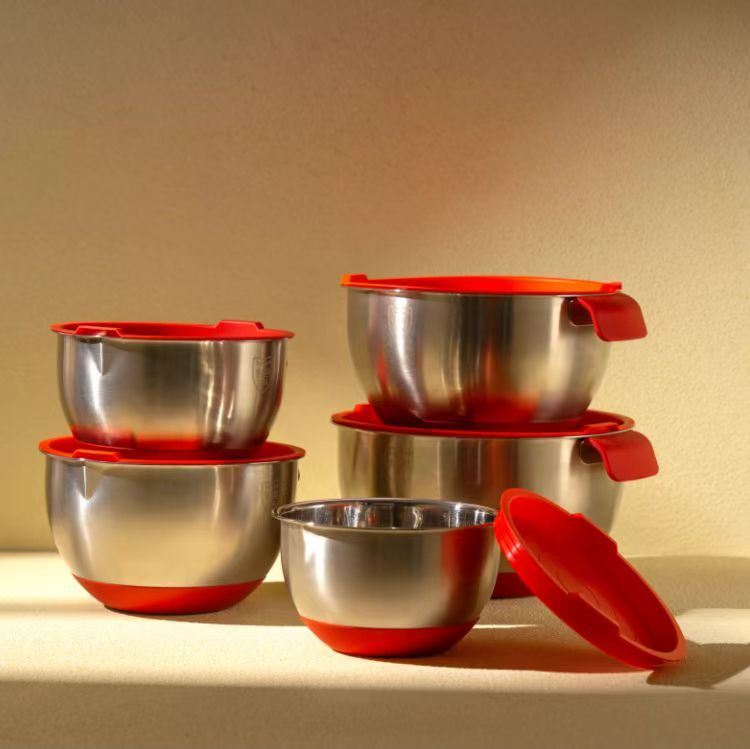
Economic fluctuations in the region have led consumers to prioritize longevity and multi-functionality. This has created a niche for stainless steel food storage containers with lids, which offer unmatched durability for transport and outdoor use, while glass remains the preference for hygiene and reheating.

The Zimbabwean urban middle class is increasingly adopting healthy lifestyle trends, driving the growth of the bakery and meal-prep sectors. Consequently, the adoption of professional-grade glass bakeware with lids has spiked, as users seek versatility from oven-to-table solutions.
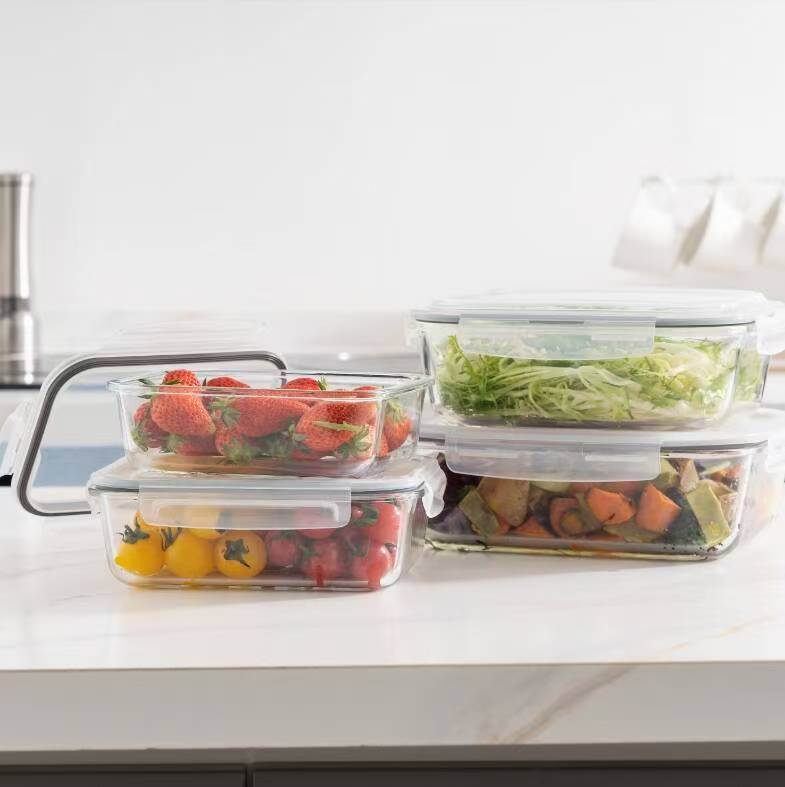
Evolution of Glassware Technology in Zimbabwe

From basic soda-lime glass to advanced thermal shock-resistant materials.

Market Development History

Historically, the Zimbabwean market relied on basic soda-lime glass, which was prone to cracking under sudden temperature changes. Throughout the early 2000s, the industry focused on bulk storage, utilizing heavy, non-sealed glass jars for preserving local produce.

Between 2010 and 2020, the introduction of borosilicate glass revolutionized the sector. This technological leap allowed for the creation of a glass mixing bowl set that could withstand both freezing and high-heat mixing, catering to the burgeoning professional catering industry in Harare and Bulawayo.

Currently, the focus has shifted toward "Smart Storage." The integration of airtight silicone seals and reinforced glass has turned simple containers into precision tools for food preservation, reducing waste in a region where food security is a priority.

Future Development Trends

Eco-Friendly Material Integration

There is a projected 30% increase in the demand for biodegradable lids paired with borosilicate glass to eliminate plastic waste entirely in urban Zimbabwean centers.

Advanced Thermal Graduation

Future iterations will see "Ultra-Thermal" glass capable of transitioning from -20°C to 450°C without stress, optimizing the use of glass bakeware with lids in industrial ovens.

Modular Space-Saving Designs

Driven by the growth of compact city apartments, the trend is moving toward stackable, nesting modular systems that maximize vertical storage space.

Strategic Industry Outlook and Future Projections

Predicting the trajectory of the non-metallic mineral products sector in Southern Africa.

Sustainable Material Shift
Rapid migration from single-use polymers to reusable borosilicate glass to meet global ESG standards in Africa.
Thermal Efficiency
Development of enhanced heat-retention glass layers for energy-saving food warming in Zimbabwean homes.
Hybrid Materiality
Merging glass hygiene with stainless steel durability for high-impact transport environments.
E-Commerce Integration
Direct-to-consumer distribution of specialty glassware through mobile-first platforms in Zimbabwe.

Industry Outlook

Based on Google search trends in the Southern African region, there is a clear pivot toward "BPA-free" and "Non-toxic" kitchenware. This suggests that the next 3-5 years will see a surge in demand for borosilicate glass that can be safely used as microwavable glass containers, as microwave penetration increases in Zimbabwean urban centers.

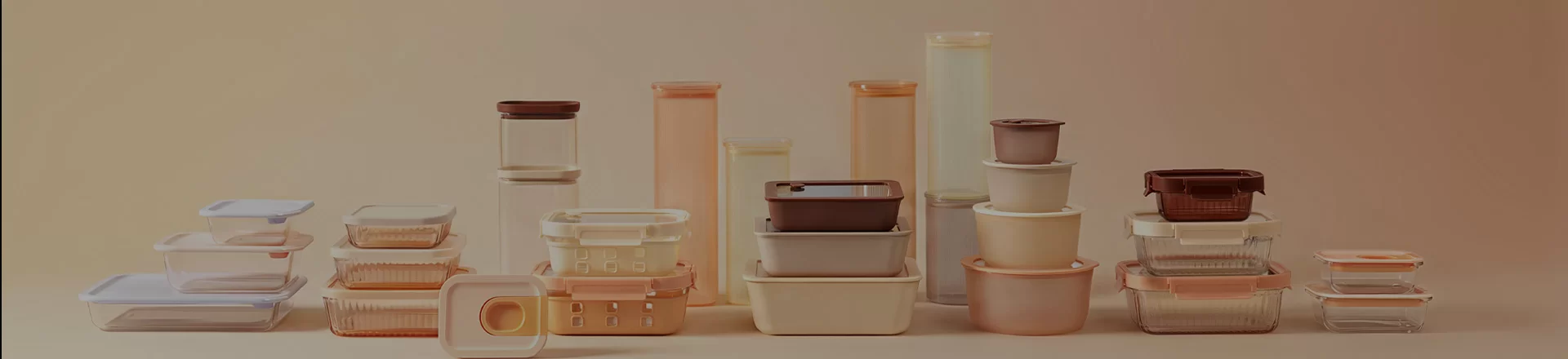
Furthermore, we anticipate a consolidation of the supply chain where manufacturers will offer customized sets—combining mixing, baking, and storage—to provide a comprehensive "kitchen ecosystem" rather than individual products.

Local Application Scenarios in Zimbabwe

How our glassware integrates into the daily life and business of Zimbabweans.

1. Urban Meal Prep for Professionals in Harare

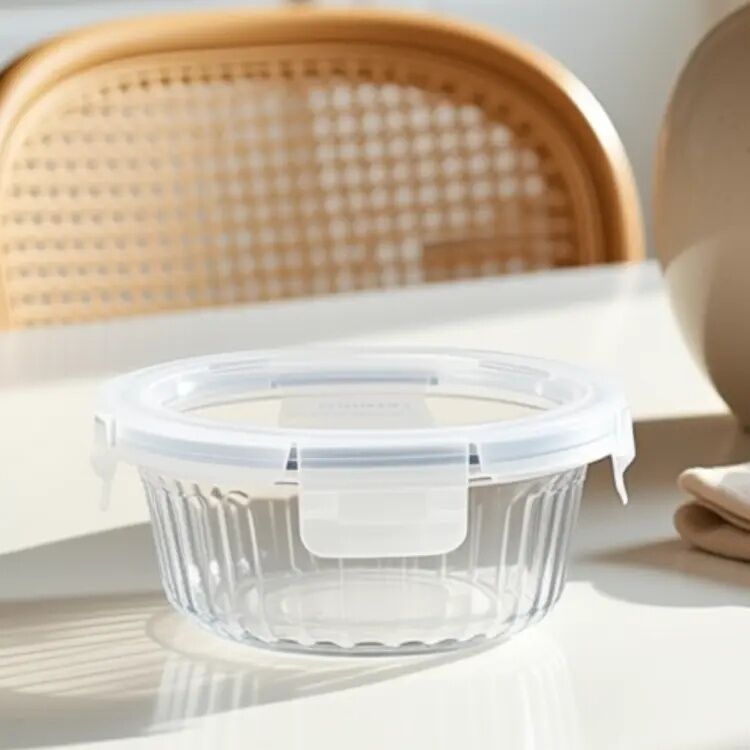
Busy professionals utilize microwavable glass containers to prepare weekly meals, ensuring freshness and safe reheating in office environments.

2. Traditional Food Preservation in Rural Districts

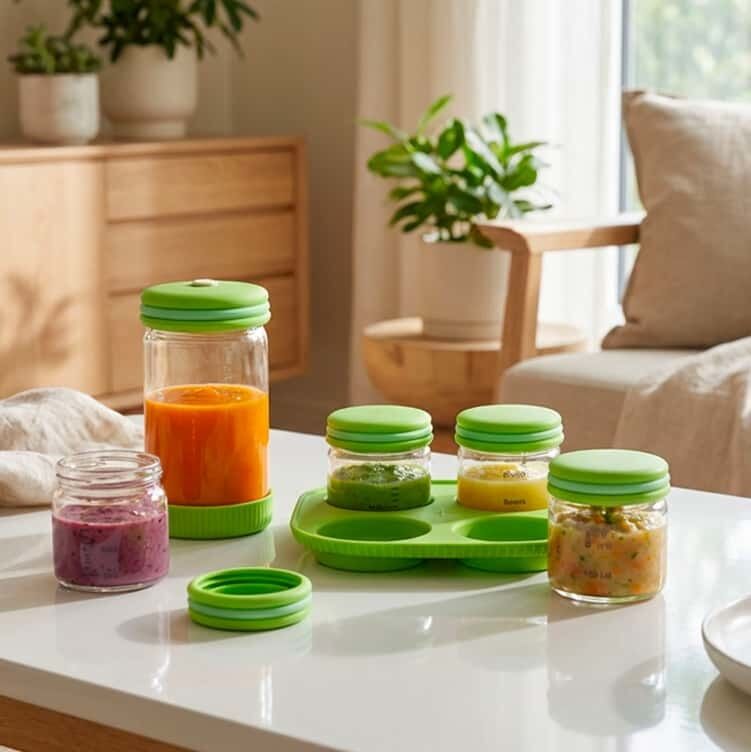
Utilizing the airtight seal of a glass food storage container to preserve seasonal indigenous vegetables and grains against humidity.

3. High-Traffic Catering and Event Planning

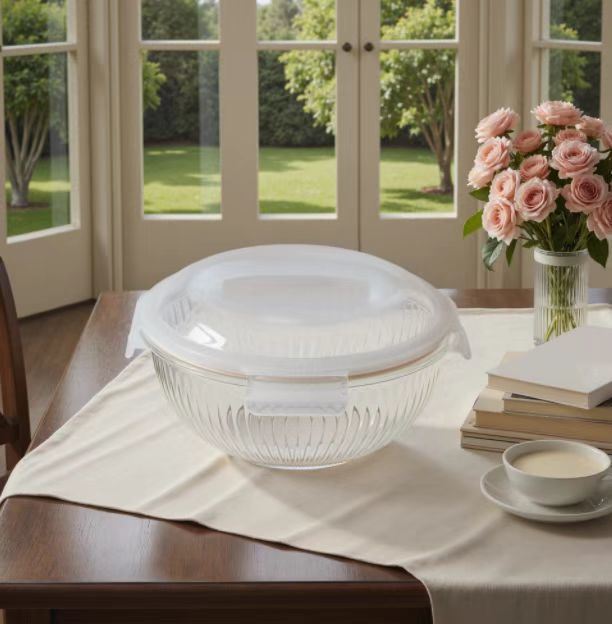
Caterers employ a durable glass mixing bowl set for large-scale food preparation, valuing the transparency and non-reactive nature of glass for food safety.

4. Home Bakery Entrepreneurship

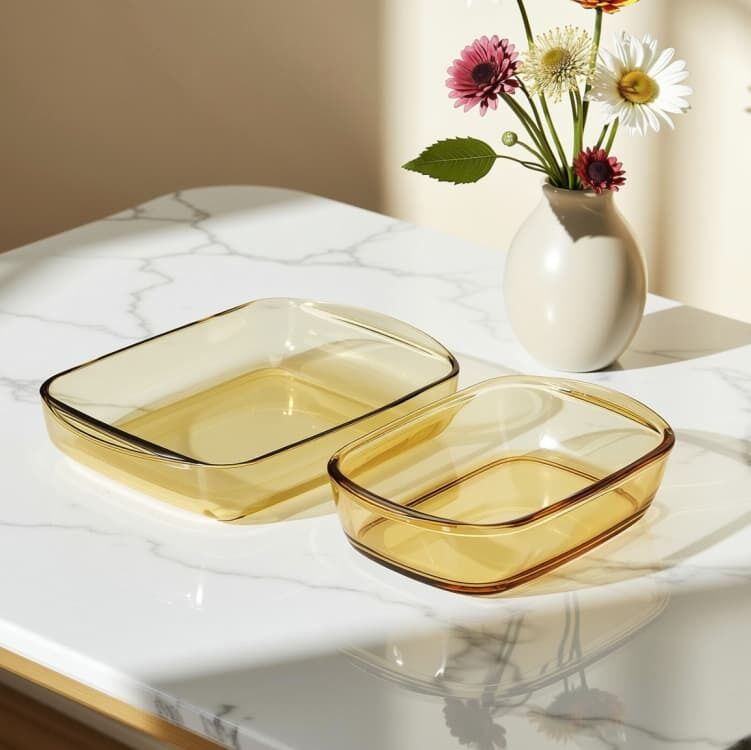
Small-scale bakers use professional glass bakeware with lids to bake and immediately store cakes or breads, reducing the need for extra wrapping.

5. Rugged Outdoor Transport for Field Workers

Field engineers and miners use stainless steel food storage containers with lids for their extreme impact resistance and ability to maintain food temperature during long commutes.

Brand Story

Global Development Journey of Shijiazhuang Isite Intelligent Technology Co., Ltd.

Foundation and Vision

Established with a mission to eliminate toxins from the kitchen, we began by mastering the purity of borosilicate glass production.

Technical Breakthroughs

We engineered a proprietary tempering process that increased the thermal shock resistance of our glassware by 40%.

Global Market Expansion

Expanding our footprint into Africa, we adapted our designs to meet the specific ruggedness required for the Zimbabwean market.

Sustainability Leadership

We transitioned our entire manufacturing line to low-carbon furnaces, reducing the environmental impact of every container produced.

The Future of Intelligent Glass

Integrating smart-seal technology and modular designs to redefine food preservation for the next generation of global users.

Zimbabwe Market FAQ

Answers to common technical and logistical questions regarding glassware in Zimbabwe.

Are microwavable glass containers safe for high-temperature reheating?

Yes, our borosilicate glass is specifically engineered to withstand rapid temperature changes, making them ideal for microwave use without the risk of cracking.

How do stainless steel food storage containers with lids compare to glass for outdoor transport?

Stainless steel is virtually unbreakable, making it superior for transport in rugged terrains, whereas glass is preferred for long-term fragrance-free storage and reheating.

Can I use a glass mixing bowl set for both chilling and heating?

Absolutely. Our high-grade glass is thermal-shock resistant, allowing it to move from the freezer to the oven or microwave safely.

What makes glass bakeware with lids better than aluminum trays?

Glass is non-reactive, meaning it won't alter the taste of acidic foods, and the lids allow for immediate refrigeration after baking.

How do I maintain the airtight seal on a glass food storage container?

We recommend washing silicone seals with warm soapy water and ensuring they are completely dry before snapping the lid closed to maintain a vacuum seal.

Do you offer bulk shipping for commercial kitchens in Zimbabwe?

Yes, we provide optimized bulk packaging to reduce breakage during transit and offer tiered pricing for Zimbabwean commercial enterprises.

Ready to Upgrade Your Storage?

Partner with the leading glass manufacturing experts to bring world-class food preservation technology to Zimbabwe.

Contact Us Now

If you are interested in our products, you can choose to leave your information here, and we will be in touch with you shortly.