| Brand Name: | IKOO GLASS |
| MOQ: | 3000 |
| Payment Terms: | T/T,L/C |
| Product | Glass measuring cup set |
| Material | High borosilicate glass |
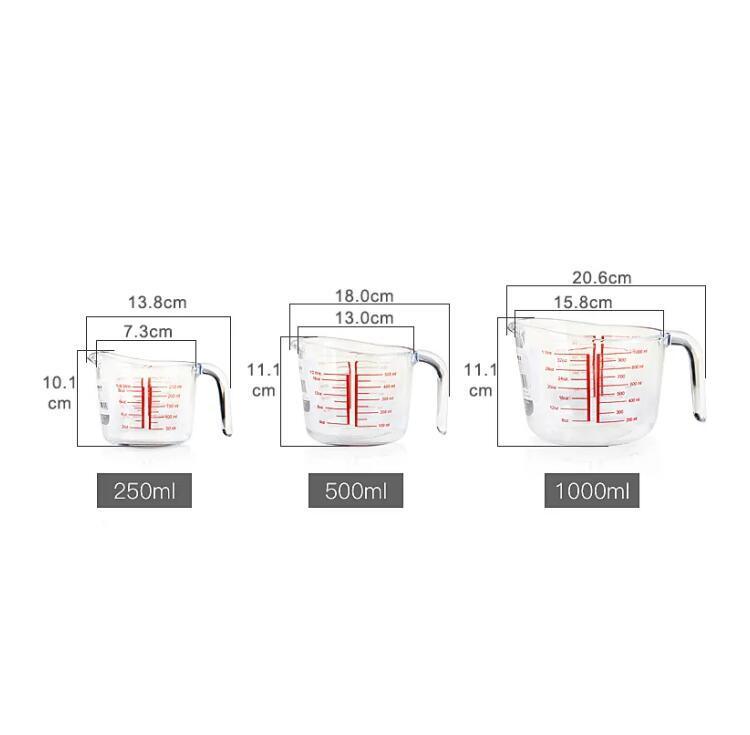
| Capacity | 250ml,500ml,1000ml |
| Safe for | Microwave,oven,freezer,dishwasher |
| MOQ | 3000 pcs |
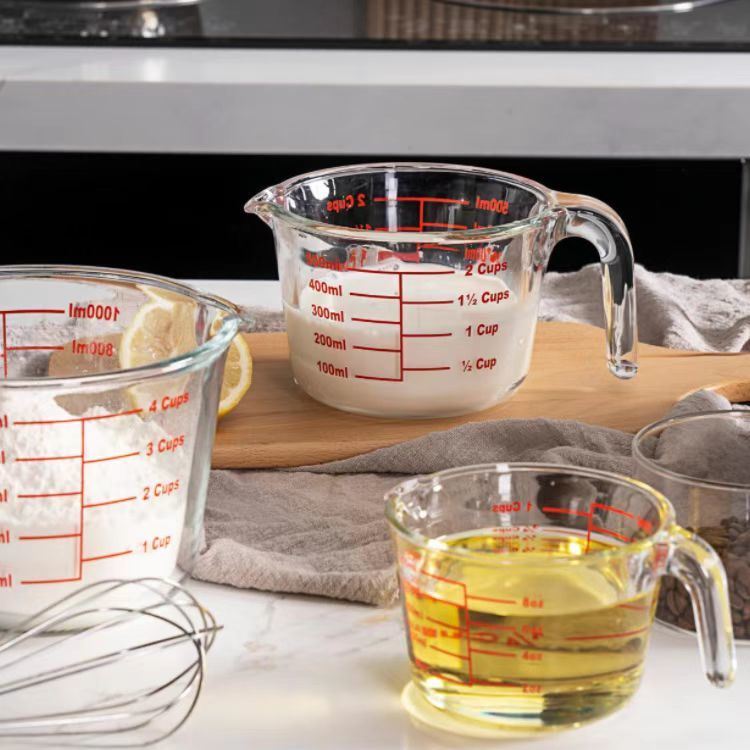
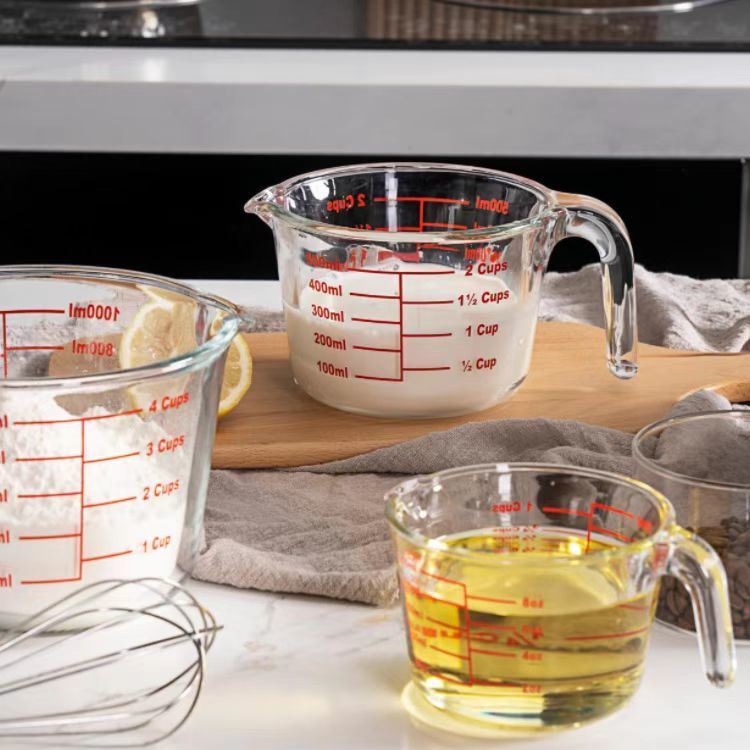
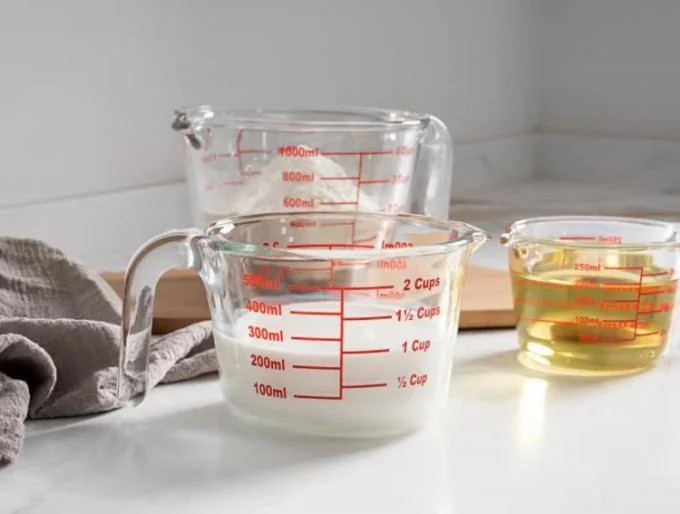
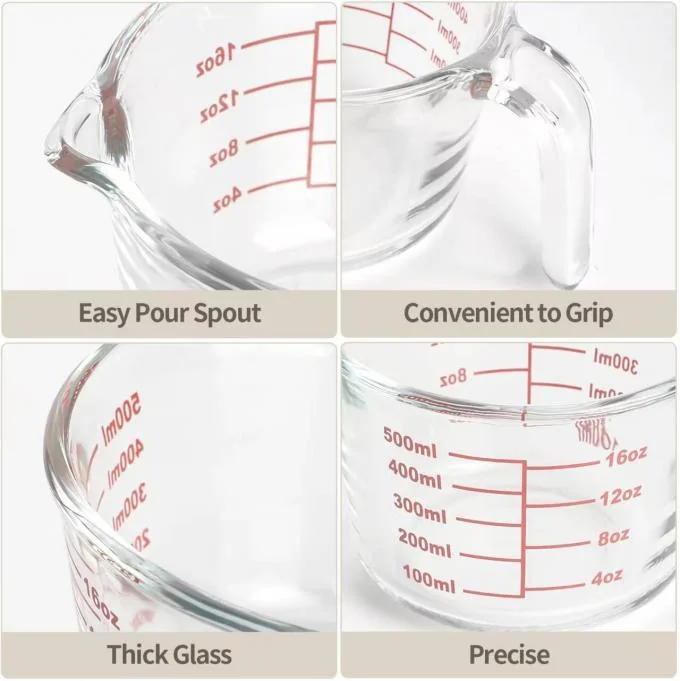
| Feature | Heat resistant,with easy-to-read markings ,curved spout and easy-grip handles |
Made of nonporous glass that won't warp, stain, or absorb odors
Glass is preheated oven, microwave, fridge, freezer & dishwasher safe
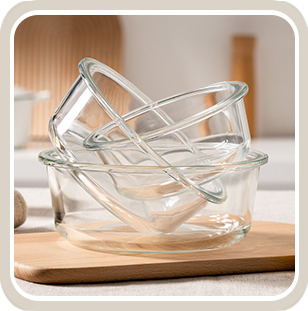
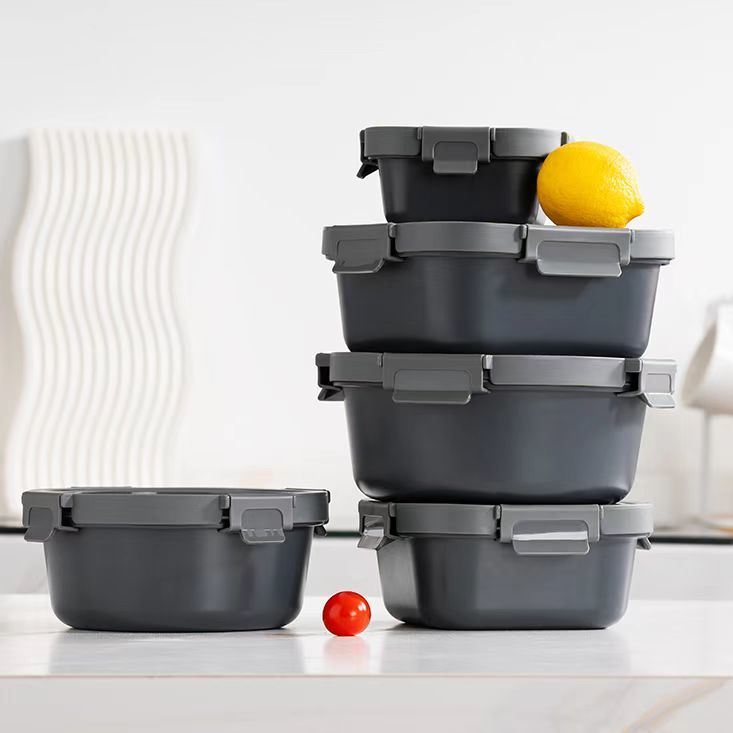
Stackable design to conserve storage space
For kitchenware wholesalers, baking brands, supermarkets, and online retailers, a measuring cup is a simple product with little room for functional mistakes. Measurement markings must be easy to read, the handle must feel secure, the spout should pour cleanly, and the glass must withstand the temperature conditions communicated to the customer. These points are why wholesale glass measuring cup programs should be built around controlled specifications rather than price alone.
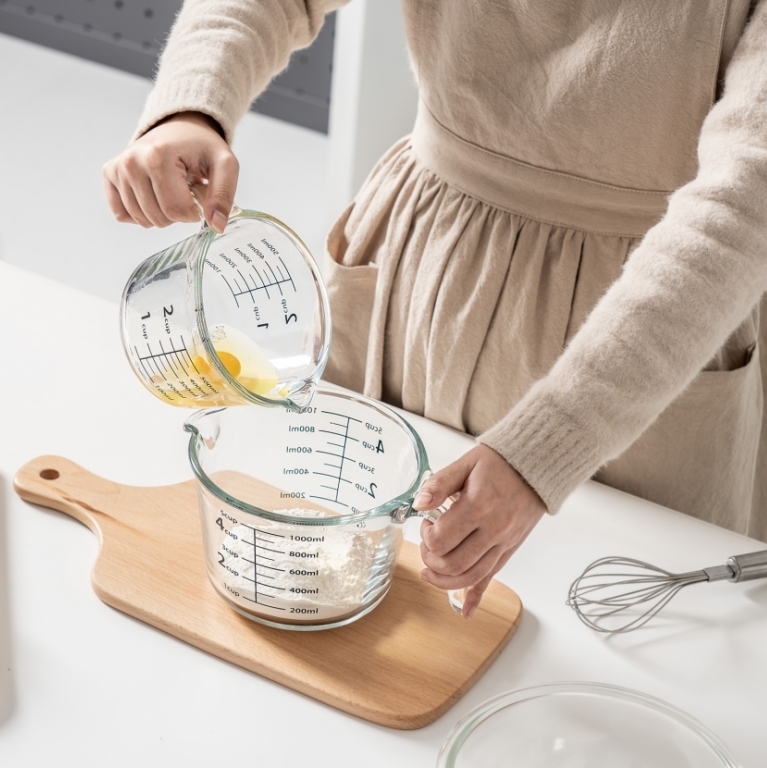
The IKOO set uses high borosilicate glass and is available in 250ml, 500ml, and 1000ml capacities. The product page highlights easy-to-read markings, a curved spout, and easy-grip handles, which together address the most common tasks in baking and cooking. For retailers, a three-size family is useful because it supports both individual SKUs and coordinated sets. Smaller cups suit sauces and recipe prep, while the 1000ml format can serve larger mixing and liquid-measuring needs.
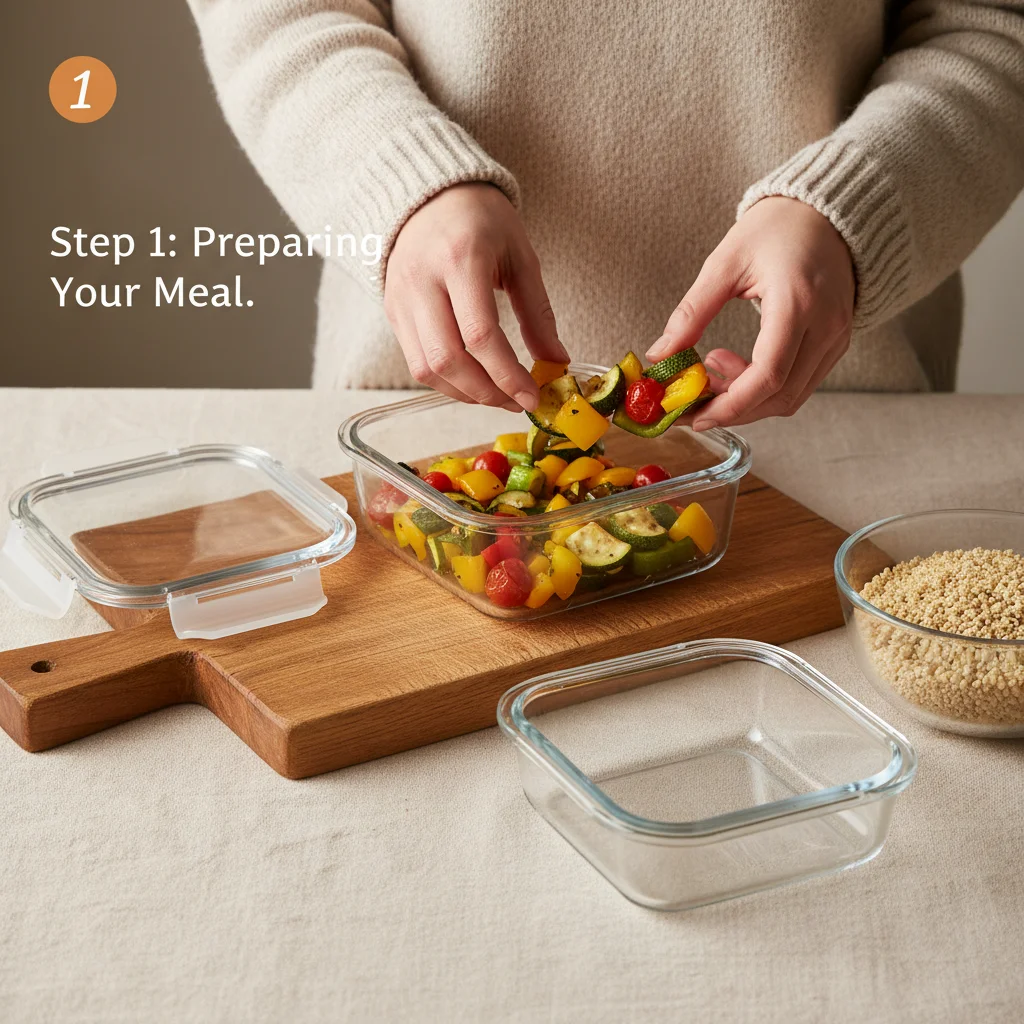
Heat resistance expands the product's usefulness. IKOO lists the glass measuring cups as suitable for microwave, oven, freezer, and dishwasher use. That allows buyers to market them as multifunctional tools for measuring, warming, mixing, and preparing ingredients. The benefit for B2B buyers is a stronger value proposition: the product is not limited to cold liquid measurement and can sit naturally within broader bakeware or food-prep collections.
Visibility is another advantage of clear borosilicate glass. Consumers can see liquid levels and ingredient condition from different angles, which supports more accurate everyday use. From a sourcing perspective, however, the buyer should check marking placement and readability on actual samples rather than relying only on drawings. Print or scale consistency can become a quality issue across large production runs, so it should be included in the inspection standard.
A glass measuring cup set manufacturer can support an OEM/ODM project by coordinating the product, decoration, and packaging as one program. IKOO's product page states that OEM/ODM services can include logo printing on color boxes and stickers on the glass or lid, while packaging options include open stock, color boxes, and drop-resistant formats. These choices give buyers flexibility to match different retail channels without changing the core measuring-cup design.
Brand positioning should guide the customization strategy. A professional baking brand may emphasize measurement clarity and heat resistance, while a supermarket private label may focus on practical value and simple shelf communication. An e-commerce seller may need stronger packaging and product photography support. The same glass measuring cup can therefore be presented differently depending on the customer's buying environment and price point.
Capacity planning is also important. The 250ml, 500ml, and 1000ml sizes can be sold separately or grouped into a set, but the best configuration depends on target demand. Buyers should review competitive assortments in their market and decide whether customers prefer one everyday size or a complete graduated set. For distributors, carrying several sizes can make the line more useful to different retail accounts without introducing completely different product platforms.
Commercial planning should cover repeatability as well as first-order customization. A documented specification should define glass dimensions, handle shape, spout geometry, measurement scale, logo position, packaging artwork, and carton configuration. When these details are approved early, repeat orders are easier to manage and inspection becomes more objective. This is especially valuable for private-label programs where a small visual change can create inconsistency across store shelves.
Before ordering a glass measuring cup set, buyers should test actual samples for accuracy, pouring behavior, handle comfort, and stability. The cup should sit flat on the worktop, the spout should allow controlled pouring, and measurement markings should remain readable under normal kitchen lighting. If the product will be sold in several countries, the buyer should also decide whether metric, cup, ounce, or dual-unit markings are required for the target market.
Compliance should be confirmed for the exact product and destination. IKOO lists FDA, DGCCRF, and LFGB certifications on the current product page. Procurement teams should request the documents relevant to their market and make sure that any packaging claims match the tested configuration. When a retailer has its own testing protocol, those requirements should be shared before mass production so the supplier can plan sampling and documentation correctly.
MOQ and lead time affect the commercial model. The page lists a 3000-piece MOQ and notes a typical production lead time of roughly 20 to 35 days after order confirmation, depending on quantity. Buyers should still confirm current terms for the specific project, especially when multiple capacities, custom packaging, or several branding versions are involved. Combining too many variations in a first order can make purchasing and inventory more complex, so a focused launch range is often easier to manage.
Finally, packaging should be tested against the intended distribution path. Glass measuring cups have handles and spouts that need protection from impact, so insert design matters. Retail cartons need clear product communication, while e-commerce packs need stronger resistance to drops and repeated handling. By aligning product specifications, scale markings, compliance, packaging, and order quantities before production, wholesalers and private-label brands can reduce avoidable returns and build a more reliable measuring-tool category. IKOO can support quotation and sampling discussions based on required capacities, branding, packaging, and expected bulk volume.
If you are interested in our products, you can choose to leave your information here, and we will be in touch with you shortly.