Ultimate Guide to Glassware Food Storage Containers for Modern Kitchens
In the pursuit of a healthier lifestyle and a more organized home, the choice of kitchenware plays a pivotal role. Switching to glassware food storage containers is one of the most effective ways to preserve food freshness while eliminating the risks associated with plastic chemicals. Whether you are a meal-prep enthusiast or a professional chef, the clarity, durability, and hygiene of glass make it the gold standard for food preservation. In this comprehensive guide, we will explore why high-quality glass containers are essential for every household and how to choose the best options for your specific needs.
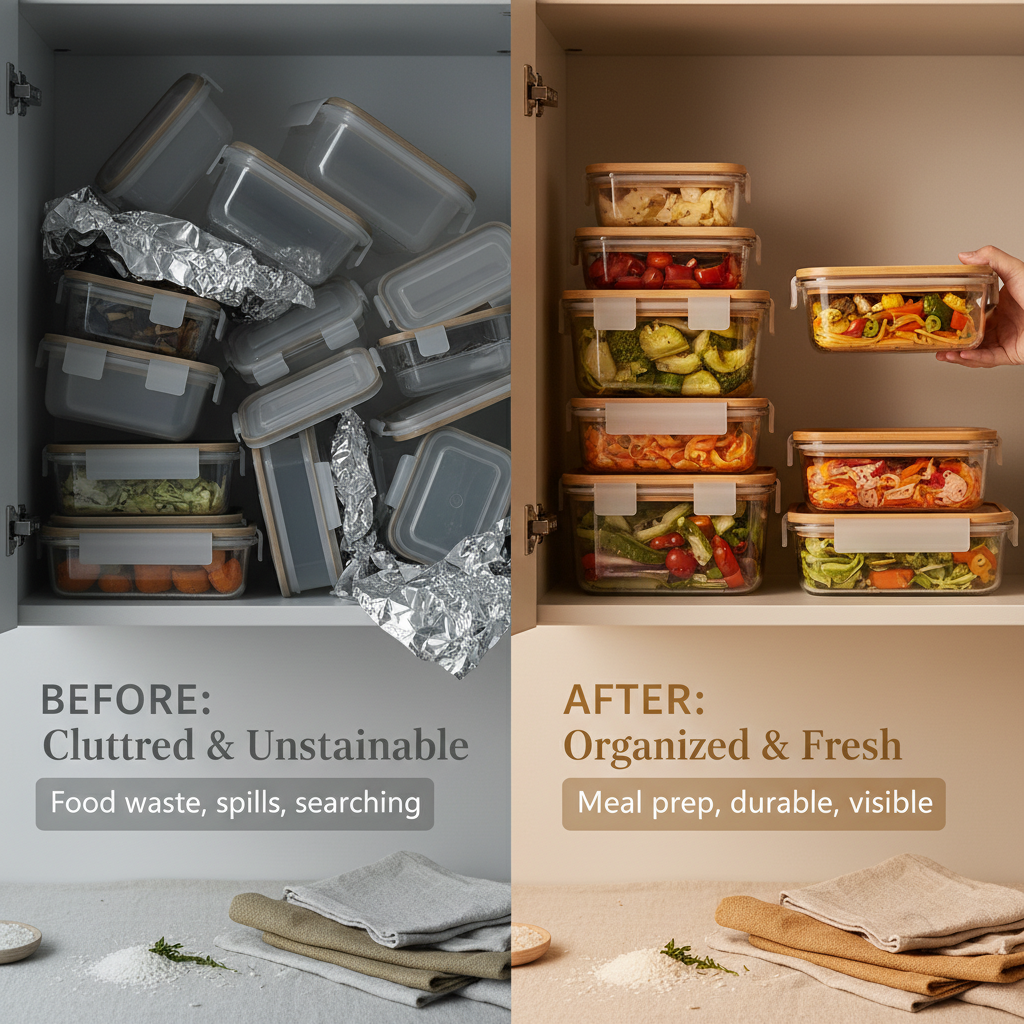
Health and Safety Benefits of Glassware Food Storage Containers
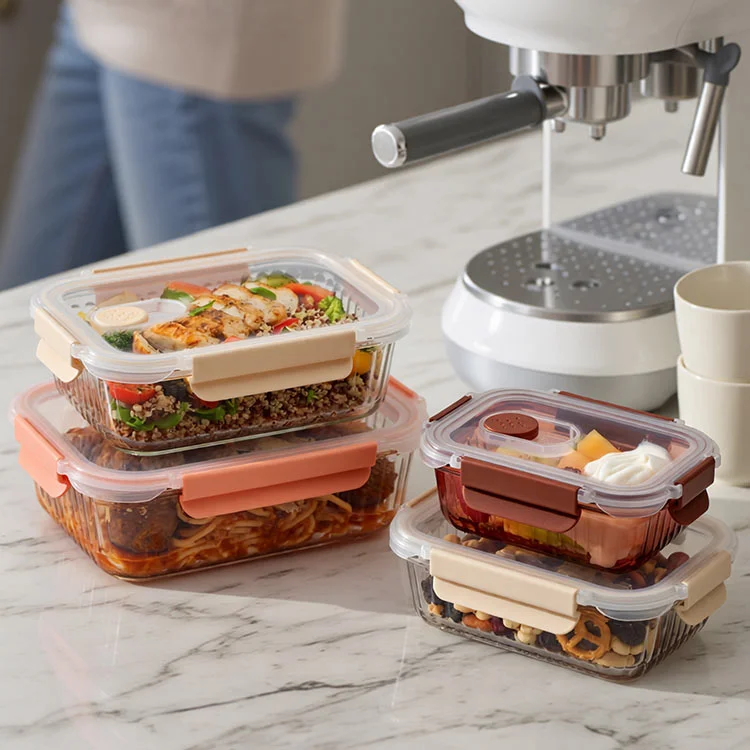
One of the primary reasons consumers are migrating toward glassware food storage containers is the absolute safety they provide. Unlike some plastics, glass is non-porous and chemically inert, meaning it will not leach harmful substances like BPA or phthalates into your food, even when heated. This is particularly crucial when storing acidic foods like tomato sauce or reheating meals in the microwave. Furthermore, glass does not absorb odors or stains, ensuring that your leftovers today don't taste like last week's garlic pasta.
Pro Tip: Borosilicate glass is preferred for those who frequently move containers from the freezer to the oven, as it handles thermal shock much better than standard soda-lime glass.
Maximizing Food Freshness with Airtight Seals
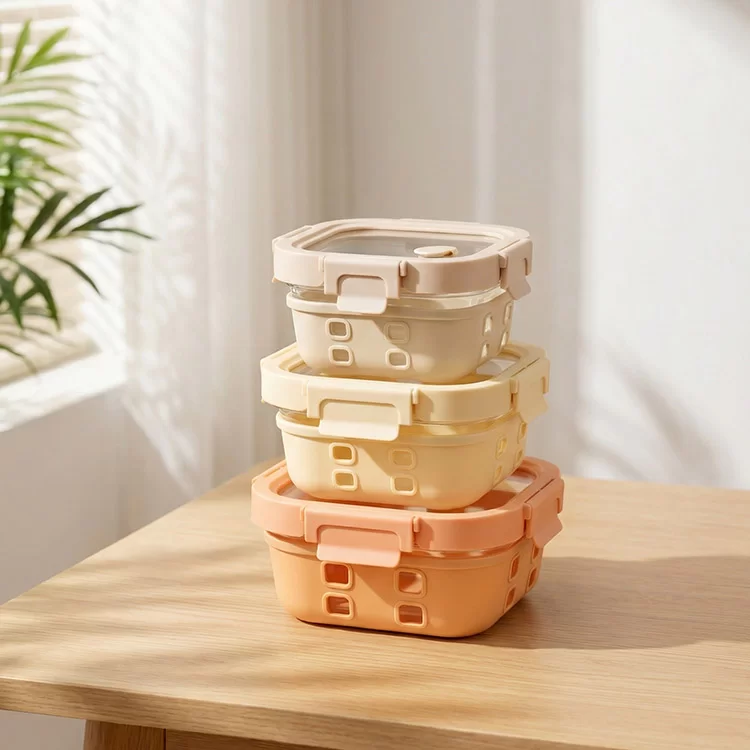
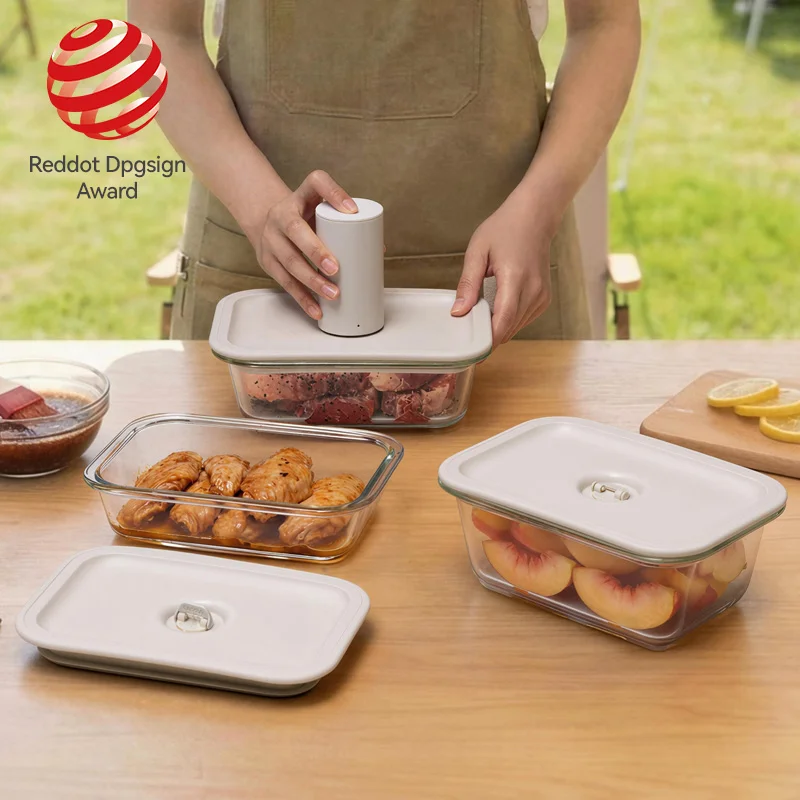
The effectiveness of any storage solution depends heavily on its ability to keep air and moisture out. High-quality glassware food storage containers typically feature precision-engineered lids with silicone gaskets. These airtight seals prevent oxidation, which is the primary cause of food spoilage and nutrient loss. By creating a vacuum-like environment, these containers can extend the shelf life of fresh berries, leafy greens, and cooked meals by several days compared to loosely covered bowls.
Comparing Glassware Food Storage Containers vs. Plastic
When deciding between materials, the evidence heavily favors glass for long-term health and sustainability. While plastic may be lighter and cheaper initially, it degrades over time, becomes scratched, and often requires frequent replacement. In contrast, professional-grade glassware food storage containers offer a lifetime of utility if handled with care. The following table provides a detailed comparison to help you visualize the differences.
Sustainability and Eco-Friendly Living
Reducing single-use plastics is one of the most significant contributions an individual can make toward environmental conservation. By investing in durable glassware food storage containers, you effectively eliminate the need for plastic wrap and disposable bags. Glass is a natural material made from abundant sand, and it can be recycled infinitely without losing quality. This circular economy approach reduces landfill waste and lowers the carbon footprint of your kitchen operations.
Product Specifications for High-Quality Glassware
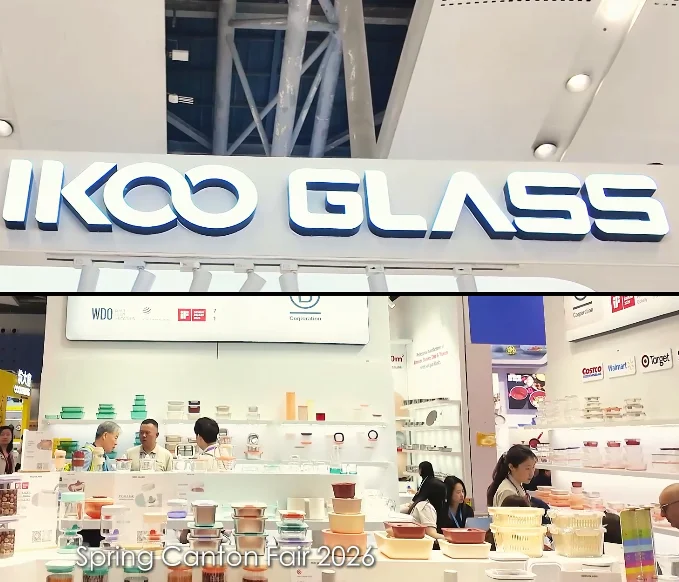
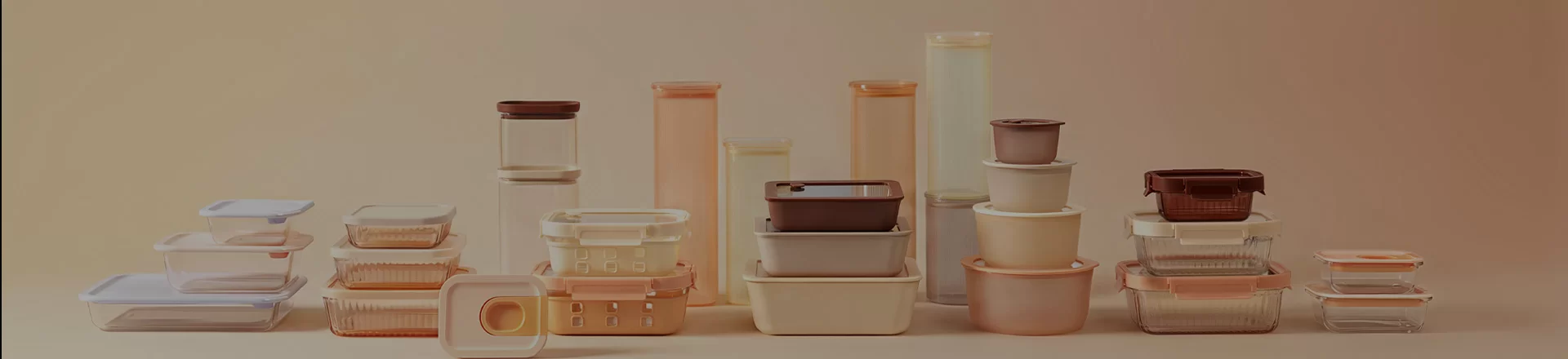
Not all glass containers are created equal. When sourcing from a professional supplier like iKoo Glass, it is important to look at the technical specifications to ensure the product meets your usage requirements. Whether you need oven-safe borosilicate or heavy-duty tempered glass, knowing the specs ensures longevity and safety. Below is a typical specification table for premium food storage lines.
Conclusion: Elevating Your Kitchen with Glassware
Investing in high-quality glassware food storage containers is more than just an organizational upgrade; it is a commitment to your health and the planet. By choosing glass over plastic, you ensure that your food remains pure, fresh, and free from chemical contaminants. With the versatility to move from freezer to oven and the timeless aesthetic of clear glass, these containers are the ultimate tool for a sustainable, modern kitchen. Make the switch today and experience the difference in quality and peace of mind.
Frequently Asked Questions (FAQs)
Are glassware food storage containers safe for the microwave?
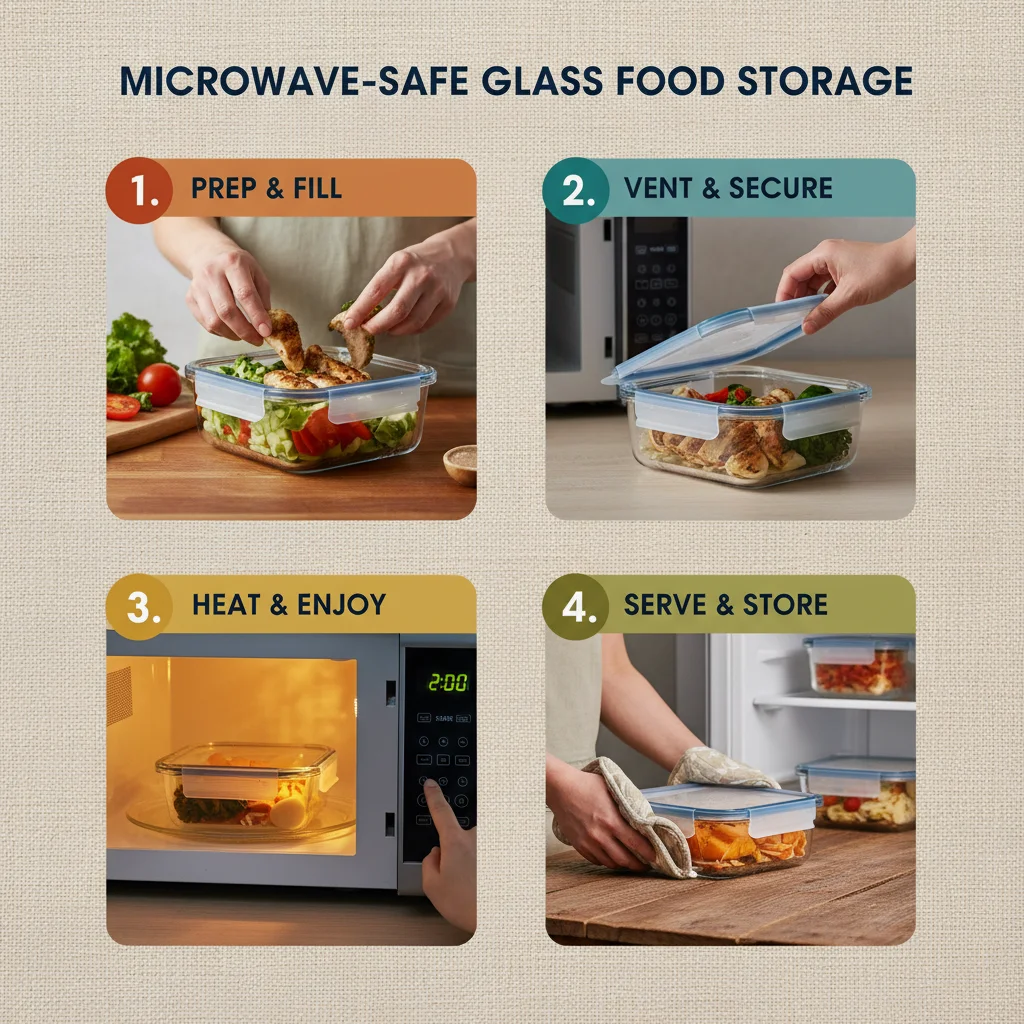
Yes, most high-quality glass containers are microwave-safe. However, it is critical to remove the lid or leave it slightly ajar to allow steam to escape, preventing pressure build-up. Borosilicate glass is especially recommended for microwaving as it withstands rapid temperature changes better than standard glass. Always check the bottom of your container for the "Microwave Safe" symbol to ensure safety and avoid any risk of cracking.
How do I prevent my glass containers from breaking?
The most common cause of breakage is "thermal shock," which occurs when glass is exposed to extreme temperature shifts too quickly. To prevent this, avoid placing a freezing-cold glass container directly into a preheated oven or pouring boiling water into a chilled jar. Instead, allow the glass to reach room temperature or warm up gradually. Using high-quality products from iKoo Glass ensures you are using materials designed for durability and resistance.
Can I put glassware food storage containers in the freezer?
Absolutely, glass is excellent for freezing. However, because liquids expand when they freeze, it is vital to leave about an inch of "headspace" at the top of the container. If you fill the container to the brim, the expanding food may push against the glass and cause it to crack. Once thawed, these containers can often be transitioned directly to the oven or microwave, provided they are made of borosilicate glass, making them ideal for efficient meal prepping.
How do I remove stubborn stains or smells from the lids?
While the glass itself doesn't absorb smells, the silicone gaskets in the lids sometimes can. To refresh them, you can soak the lids in a mixture of warm water, white vinegar, and a pinch of baking soda for 30 minutes. For deep cleaning, carefully remove the silicone ring (if removable) and wash it separately. This ensures your storage system remains hygienic and odor-free for years to come.