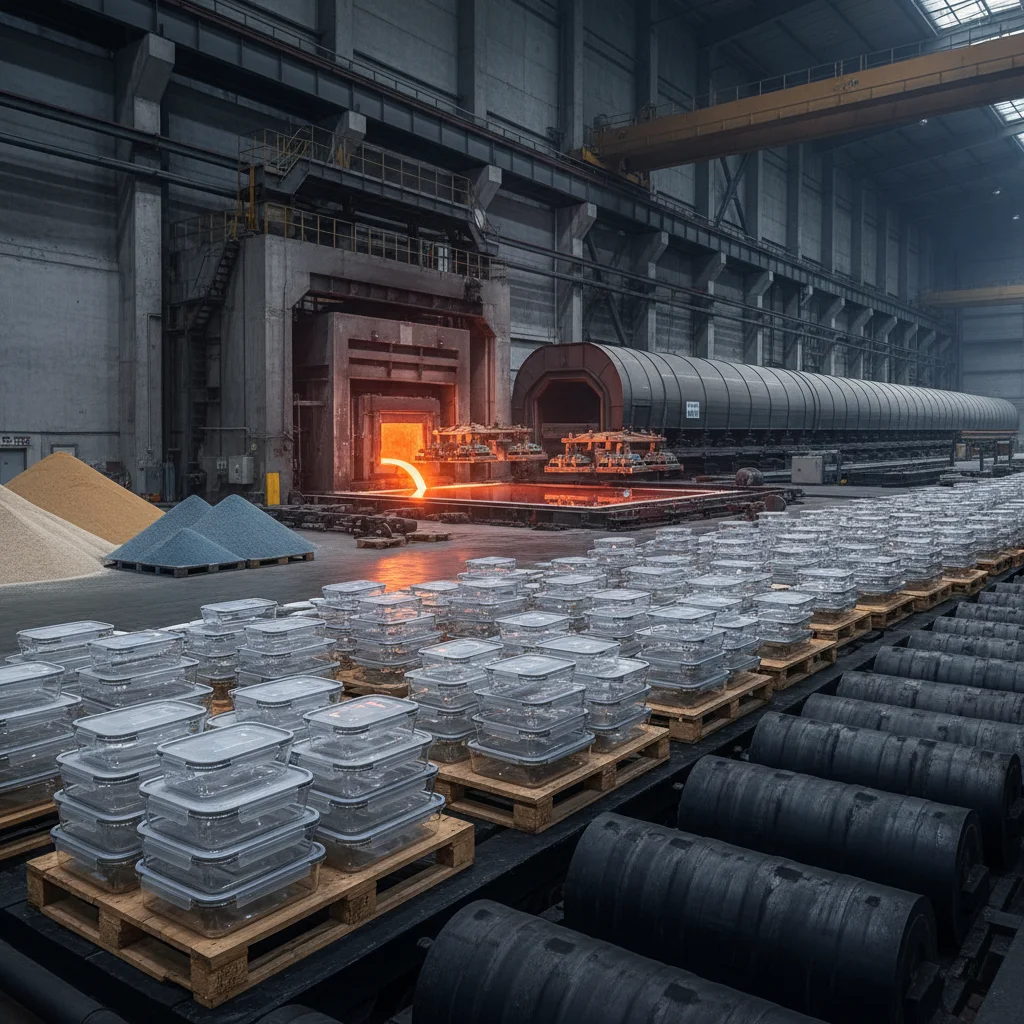
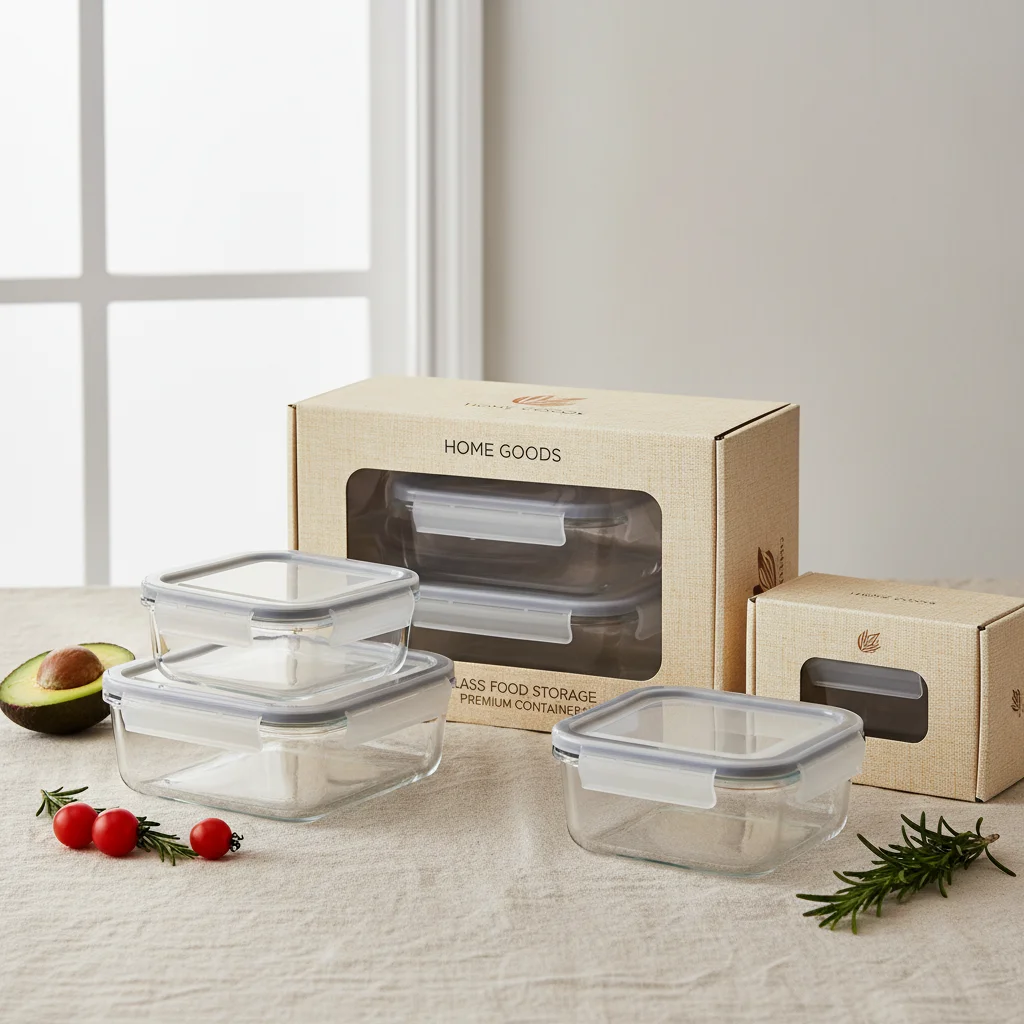
In the evolving landscape of sustainable kitchenware, 1 cup glass food storage containers have emerged as a pivotal tool for those seeking a balance between portion control and environmental responsibility. As global consumers shift away from single-use plastics, these compact glass solutions provide a non-toxic, durable alternative that preserves the nutritional integrity of food while reducing the carbon footprint associated with disposable packaging.
The significance of the 1-cup capacity lies in its versatility, catering to the modern demand for "meal prepping" and precise dietary management. By utilizing high-borosilicate glass, these containers offer thermal shock resistance, making them indispensable for the seamless transition from freezer to oven, which is a critical requirement for the fast-paced lifestyles of urban professionals and health-conscious families worldwide.
Understanding the technical and commercial value of 1 cup glass food storage containers allows brands and consumers to maximize food preservation efficiency. From preventing oxidation to ensuring a leak-proof seal, the engineering behind these small-scale containers reflects a broader industrial commitment to quality, safety, and the E-E-A-T principles of reliability and expertise in glass manufacturing.
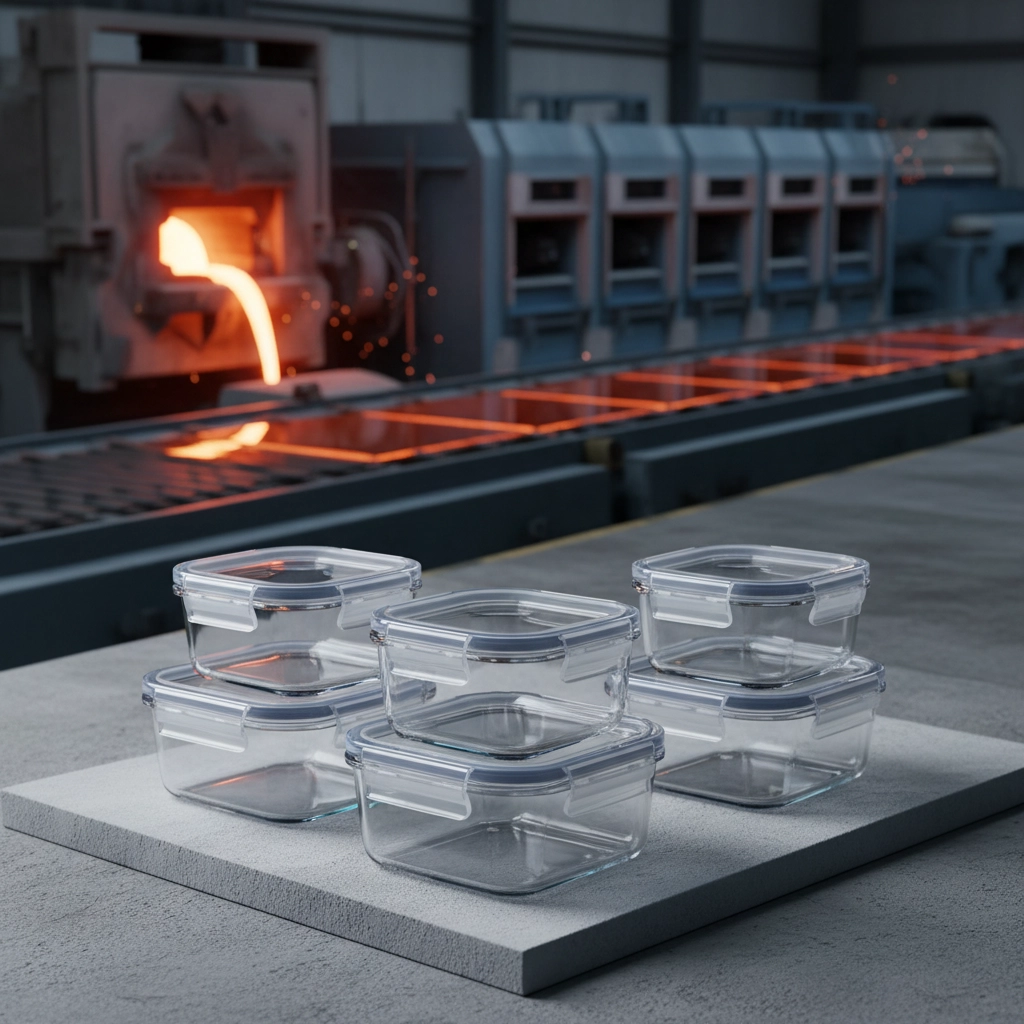
Global Market Demand for 1 Cup Glass Food Storage Containers
The surge in demand for 1 cup glass food storage containers is closely linked to the global rise in health awareness and the "portion control" movement. According to trends observed in ISO-standardized consumer goods, there is a marked increase in the adoption of small-format glass containers in North America and Europe, where consumers are prioritizing calorie tracking and waste reduction.
Industrially, this shift is driven by the urgent need to replace endocrine-disrupting chemicals found in low-grade plastics. The glass industry has responded by optimizing the production of 1-cup vessels that are not only aesthetically pleasing but also meet rigorous safety standards, ensuring that food remains untainted by chemical leaching even when exposed to high temperatures.
Technical Definitions and Material Science
At its core, 1 cup glass food storage containers refer to specialized vessels with a capacity of approximately 240ml, designed specifically for short-term and long-term food preservation. Unlike standard drinking glasses, these are engineered with reinforced walls and compatible sealing mechanisms to create an airtight environment, preventing the ingress of oxygen and moisture.
The material science behind these containers typically involves the use of borosilicate glass or tempered soda-lime glass. Borosilicate, in particular, is prized for its low coefficient of thermal expansion, which allows these containers to withstand extreme temperature gradients—such as moving from a freezer to a microwave—without cracking, a feature essential for modern kitchen efficiency.
From a humanitarian and industrial perspective, the transition to glass is a move toward "circular economy" principles. Glass is 100% recyclable without loss in quality, making these containers a cornerstone of sustainable living. By standardizing the 1-cup size, manufacturers can optimize shipping density and reduce packaging waste, further enhancing the eco-friendly profile of the product.
Key Performance Factors for Compact Glassware
When evaluating the quality of 1 cup glass food storage containers, the primary factor is the hermetic seal. A high-quality silicone gasket combined with a locking lid ensures that volatile aromas are contained and that liquid-based foods, such as sauces or dressings, do not leak during transport.
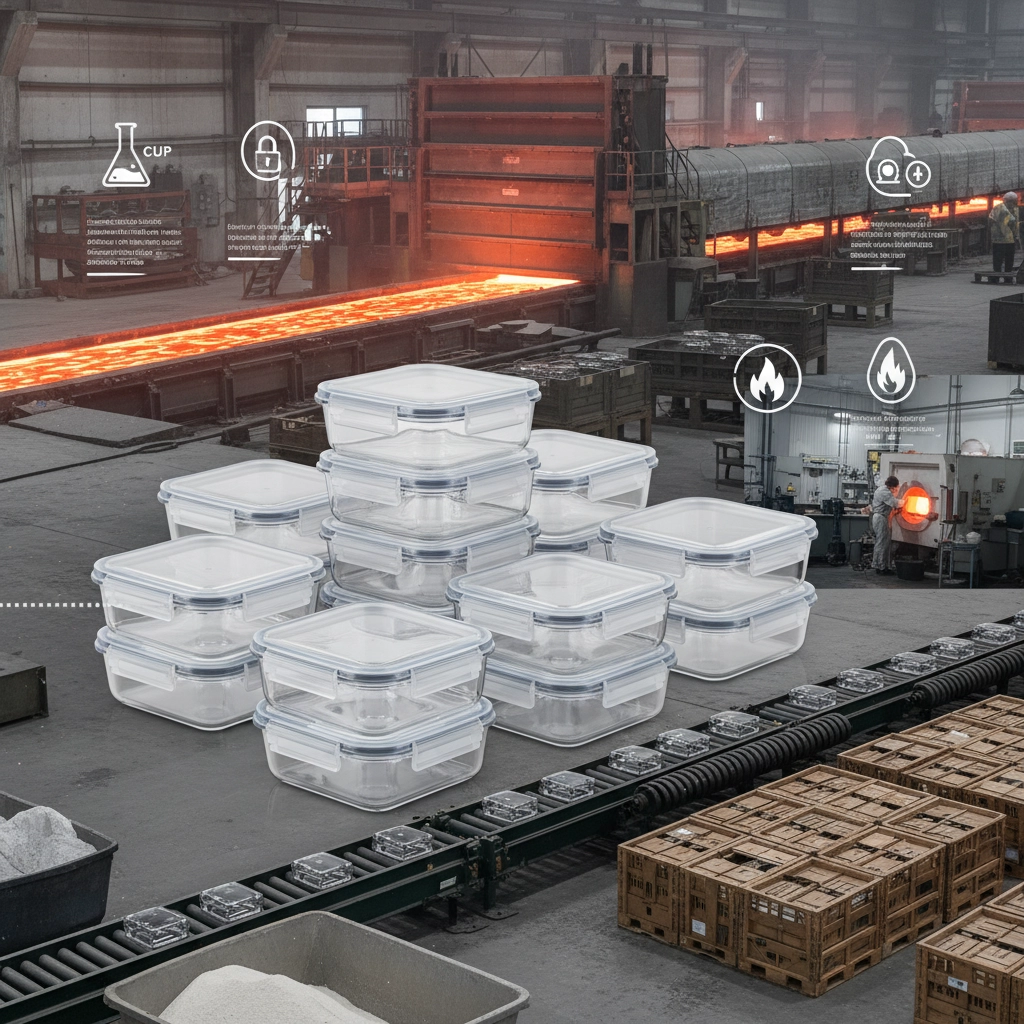
Durability is another critical component. The thickness of the glass must be balanced; it needs to be robust enough to resist chipping during daily use but light enough to remain portable. Industrial-grade tempering processes are often employed to increase the impact resistance of these containers, ensuring a longer lifecycle for the consumer.
Finally, the chemical neutrality of the glass ensures that there is no flavor transfer between different food items. This is particularly important for 1 cup glass food storage containers used for condiments or baby food, where purity and hygiene are paramount to prevent cross-contamination and maintain the original taste of the ingredients.
Comparative Efficiency in Food Preservation
Comparing different storage methods reveals that glass outperforms plastic and metal in several key areas. Specifically, for small portions, 1 cup glass food storage containers provide a superior oxygen barrier, which significantly slows down the oxidation process of fats and vitamins in fresh produce.
Furthermore, the ease of cleaning—due to the non-porous surface of glass—means that bacteria are less likely to harbor in microscopic scratches, a common problem with plastic alternatives. This makes glass the gold standard for hygiene in both domestic and commercial food service environments.
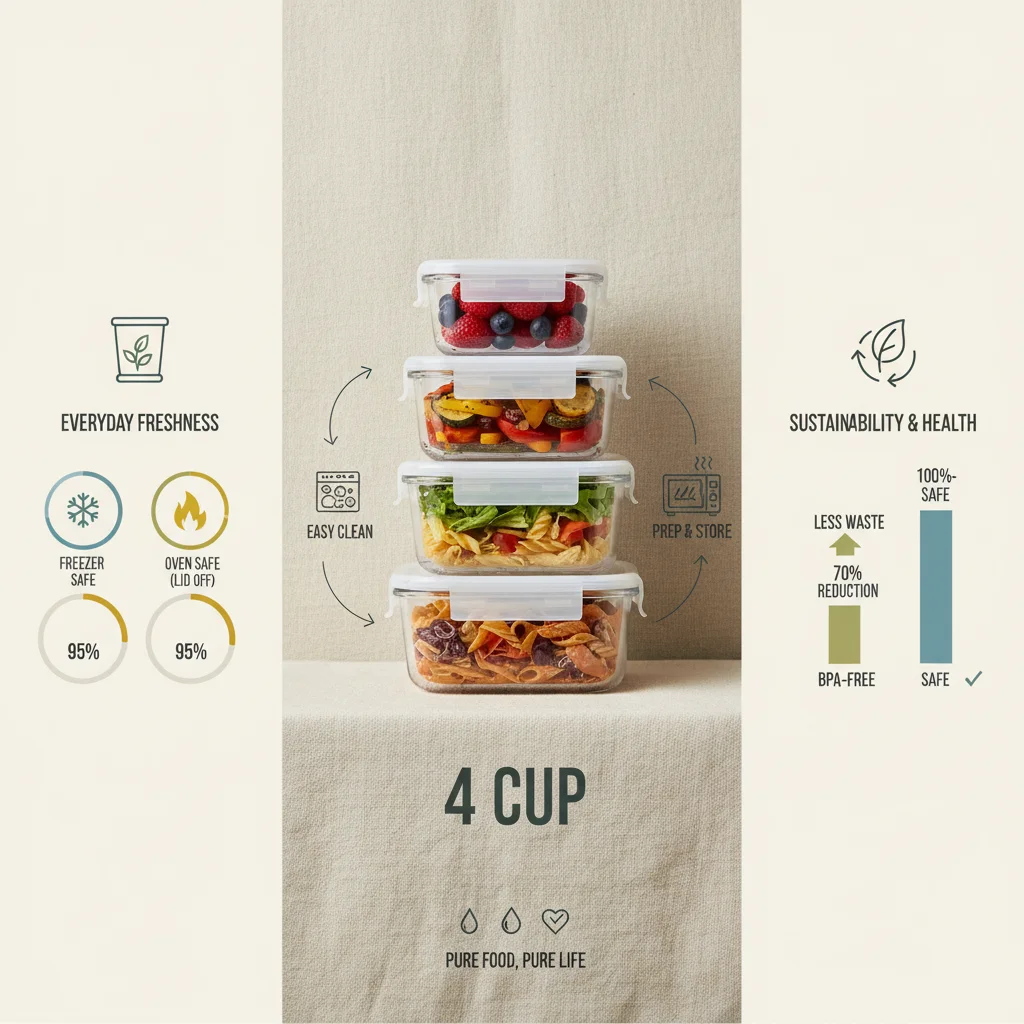
Performance Metrics for 1 Cup Glass Food Storage Containers
Global Applications and Use Cases
In real-world contexts, 1 cup glass food storage containers are widely used in the healthcare and wellness industries for precise medication or supplement dosing. In clinics and hospitals, these small, transparent vessels allow staff to clearly identify contents while ensuring a sterile environment for sensitive dietary supplements.
Beyond healthcare, the culinary world utilizes these containers for "mise en place" preparation. Professional chefs in high-pressure kitchens rely on the uniform size of 1-cup glass containers to organize pre-measured ingredients, ensuring consistency in recipe execution while maintaining a clean, organized workspace that complies with international food safety regulations.
Long-Term Value and Sustainability Impact
The long-term value of investing in 1 cup glass food storage containers extends beyond simple utility to significant economic and environmental savings. By eliminating the need for disposable plastic wraps and bags, consumers reduce their lifetime waste production, contributing to a cleaner global ecosystem and reducing the pressure on landfills.
From an emotional perspective, the use of glass evokes a sense of purity and trust. The transparency of the container allows the natural colors of the food to shine through, which not only aids in inventory management (reducing food waste) but also enhances the psychological experience of healthy eating, associating organized storage with a disciplined and mindful lifestyle.
Moreover, the reliability of glass means these products do not degrade over time. Unlike plastic, which can become cloudy or stained, glass remains crystal clear, maintaining its aesthetic appeal and functional integrity for decades, thereby providing a higher return on investment for the consumer.
Future Innovations in Glass Storage Technology
The future of 1 cup glass food storage containers is being shaped by advancements in material science and smart technology. We are seeing the integration of "smart lids" equipped with vacuum-seal sensors and digital date trackers, which alert users via smartphone apps when food is approaching its expiration date.
Additionally, the industry is exploring the use of bio-based coatings to further enhance the thermal properties of glass, allowing for even faster heating and cooling cycles without risking structural failure. This digital transformation in glassware is turning a simple storage tool into a sophisticated component of the "smart kitchen."
Sustainability policies are also pushing manufacturers toward zero-carbon production methods. The adoption of electric furnaces powered by renewable energy in glass factories is reducing the carbon footprint of each container, ensuring that the journey from the raw sand to the consumer's kitchen is as green as possible.
Comparison of Advanced Glass Storage Features and Performance
| Material Type |
Thermal Resistance |
Seal Reliability |
Sustainability Score |
| Borosilicate Glass |
Excellent (High) |
Vacuum Tight |
10/10 |
| Tempered Glass |
Good (Medium) |
Snap-Lock |
9/10 |
| Coated Glass |
Moderate |
Airtight |
8/10 |
| Eco-Wood Lid Glass |
Good |
Silicone Seal |
10/10 |
| Stainless Lid Glass |
Good |
Mechanical Lock |
9/10 |
| Amber-Colored Glass |
Good |
Airtight |
9/10 |
FAQS
Yes, provided they are made from borosilicate or tempered glass. Always ensure the lid is removed or vented before microwaving to prevent pressure buildup. Our containers are specifically designed to handle thermal stress, making them ideal for reheating small portions safely.
Check that the silicone gasket is properly seated in the lid groove and that all locking clips are fully engaged. 1 cup glass food storage containers with a 4-lock system provide the highest level of security against leaks, even when storing liquids like soup or dressing.
Absolutely. Glass is excellent for freezing as it doesn't absorb odors. However, we recommend leaving a small amount of headspace (about half an inch) at the top to allow for the natural expansion of liquids during the freezing process to prevent the glass from cracking.
It depends on the purpose. The 1-cup size is perfect for snacks, side dishes, sauces, and portion-controlled desserts. For main courses, you might combine several 1-cup containers with larger sizes to create a balanced, organized meal plan.
While glass is non-porous, some residue can cling to the surface. A paste of baking soda and water, or a soak in white vinegar, will effectively remove any stains and neutralize odors, restoring the crystal-clear transparency of the container.
Yes, because glass is completely chemically inert. Even "BPA-free" plastics can contain other endocrine disruptors. Glass ensures that no chemicals leach into your food, regardless of temperature, and it is infinitely recyclable, making it a superior environmental choice.
Conclusion
In summary, 1 cup glass food storage containers represent the perfect intersection of technical precision, health-conscious design, and environmental stewardship. By focusing on high-quality materials like borosilicate glass and implementing airtight sealing technologies, these compact containers solve the modern challenges of portion control and food waste reduction while ensuring maximum safety and hygiene.
As we move toward a more sustainable future, the transition from plastic to glass is not just a trend but a necessity. We encourage consumers and businesses to embrace high-performance glassware to enhance their quality of life and reduce their ecological impact. For premium, durable, and customizable glass solutions, visit our website: www.ikoo-glass.com.