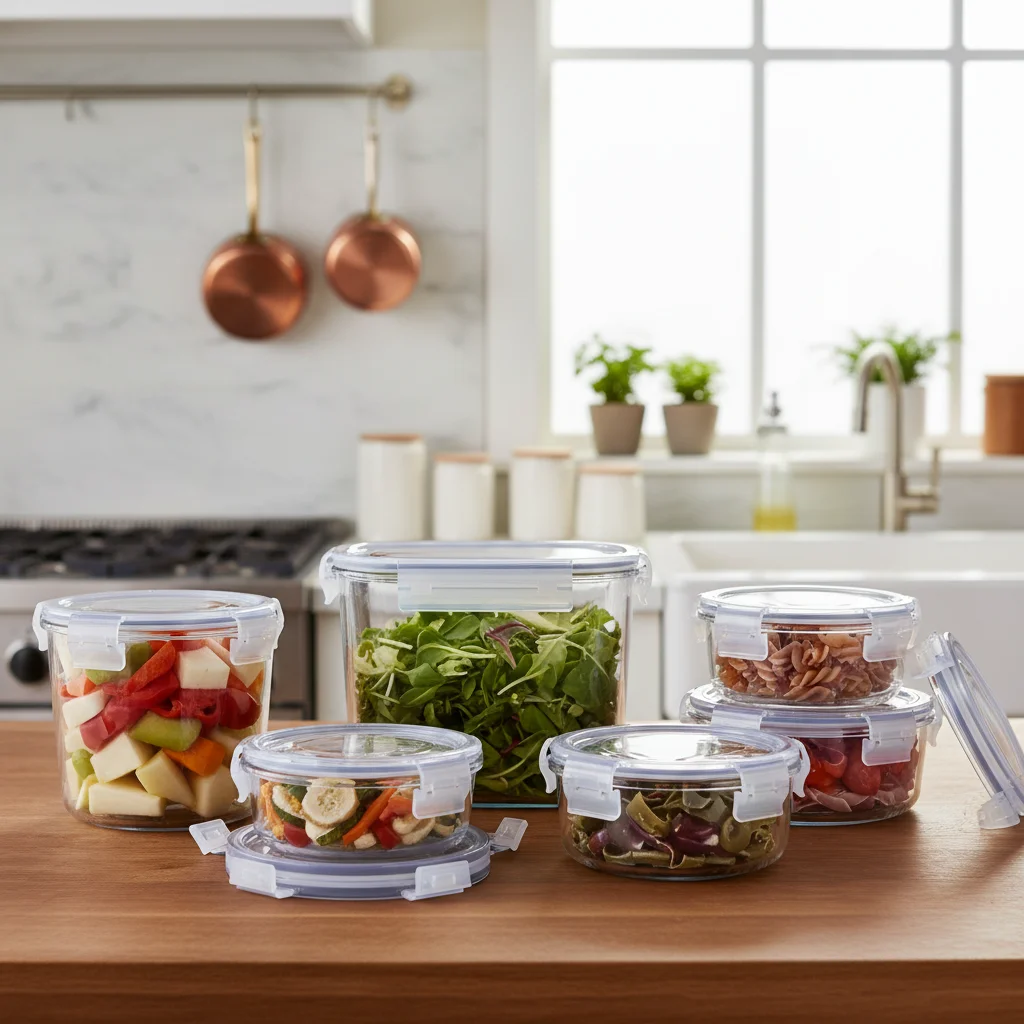
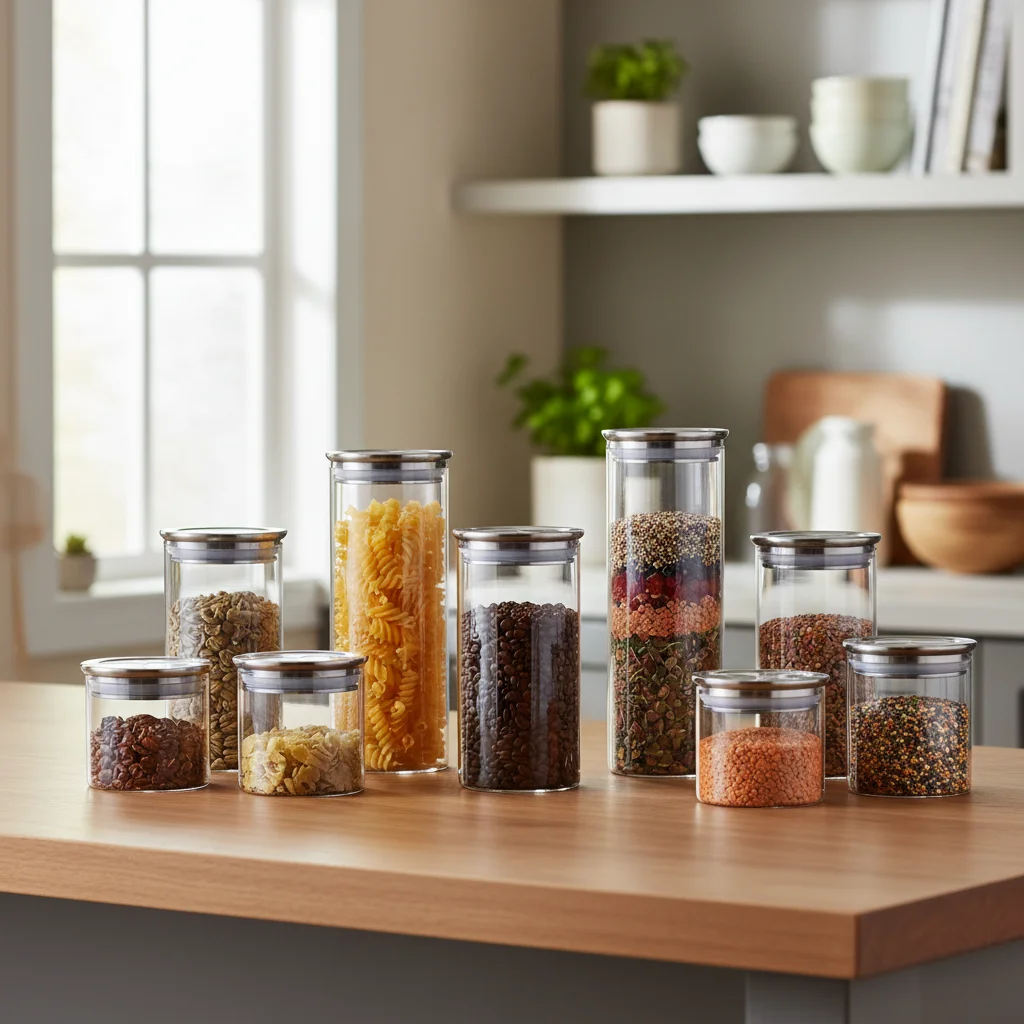
Large glass food storage containers are becoming increasingly vital in a world focused on sustainability, food safety, and healthy living. They offer a durable, non-toxic alternative to plastic containers, addressing growing concerns about microplastic contamination and environmental impact. From everyday kitchen use to large-scale commercial food storage, these containers are transforming how we preserve and manage our food supply. Understanding their benefits and applications is crucial for individuals, businesses, and organizations committed to responsible food practices.
Globally, the demand for food storage solutions is soaring, driven by population growth, urbanization, and an increasing awareness of food waste. The UN estimates that roughly one-third of all food produced globally is lost or wasted, contributing to significant economic and environmental costs. Large glass food storage containers play a key role in mitigating this issue by extending shelf life and preventing spoilage. Furthermore, their reusability aligns with the principles of a circular economy, reducing reliance on single-use plastics and minimizing landfill waste.
The shift towards large glass food storage containers isn’t merely a consumer trend; it reflects a broader industry response to regulatory changes and evolving consumer preferences. Organizations like the ISO are increasingly focused on material safety and environmental standards, further incentivizing the adoption of sustainable alternatives to traditional packaging. Ultimately, these containers represent a practical and effective solution for promoting food security and environmental stewardship.
Introduction: Global or Industry Context
The prevalence of large glass food storage containers is directly tied to the growing global emphasis on minimizing food waste and promoting sustainable practices. The food industry, in particular, is facing mounting pressure to reduce its environmental footprint, and glass containers offer a viable solution for achieving this goal. Their inert nature ensures food quality and prevents chemical leaching, addressing concerns raised by health organizations worldwide.
Currently, the global food packaging market is a multi-billion dollar industry, with a significant portion still dominated by plastics. However, consumer demand for eco-friendly alternatives is rapidly changing this landscape. Market research indicates a substantial increase in sales of glass containers over the past decade, particularly in developed nations. This trend is expected to continue as regulations tighten and consumers become more discerning about the products they purchase and how their food is stored.
Definition & Meaning
Large glass food storage containers, simply put, are vessels designed to safely and effectively preserve food items. These containers are typically made from soda-lime or borosilicate glass, offering excellent clarity, durability, and chemical resistance. They are available in a wide range of sizes and shapes to accommodate various food types and storage needs, from bulk pantry items to prepared meals. Unlike plastic, glass is non-porous, preventing odors and stains from lingering.
In the context of modern industry, these containers are increasingly integral to supply chain management. Food producers and distributors are utilizing large-scale glass storage solutions to maintain product freshness and quality throughout the transportation process. This is particularly crucial for perishable goods and specialized food products that require stringent storage conditions.
From a humanitarian standpoint, large glass food storage containers can significantly improve food security in vulnerable communities. Their ability to extend shelf life and prevent contamination makes them invaluable for storing emergency food supplies and preserving harvests in regions with limited refrigeration infrastructure. This translates to reduced food loss and increased access to nutritious meals.
Key Factors or Core Components
Durability: Glass is renowned for its exceptional strength and resistance to breakage. While it can shatter, it’s less susceptible to cracking and warping than plastic, making it a long-lasting investment. Large glass food storage containers can withstand repeated use and washing without compromising their integrity.
Non-Reactivity: Glass is chemically inert, meaning it doesn't interact with food contents. This is critical for preserving the flavor, aroma, and nutritional value of stored items. Unlike some plastics, glass won't leach harmful chemicals into your food, ensuring a safe and healthy storage solution.
Transparency: The clarity of glass allows for easy identification of contents without the need to open the container. This saves time and effort while also minimizing the risk of food spoilage due to forgotten items. It also allows for visual assessment of food quality.
Global Applications & Use Cases
Large glass food storage containers find widespread application across numerous industries. In the commercial food sector, restaurants and catering businesses utilize them for bulk ingredient storage, ensuring freshness and compliance with food safety regulations. Food processing plants rely on glass containers for storing and transporting delicate products that require a non-reactive environment.
In post-disaster relief operations, organizations often distribute large glass food storage containers alongside emergency food supplies. Their durability and ability to preserve food in challenging conditions are essential for providing sustenance to affected populations. Similarly, in remote industrial zones where access to refrigeration is limited, these containers serve as a crucial means of preserving perishable provisions for work crews.
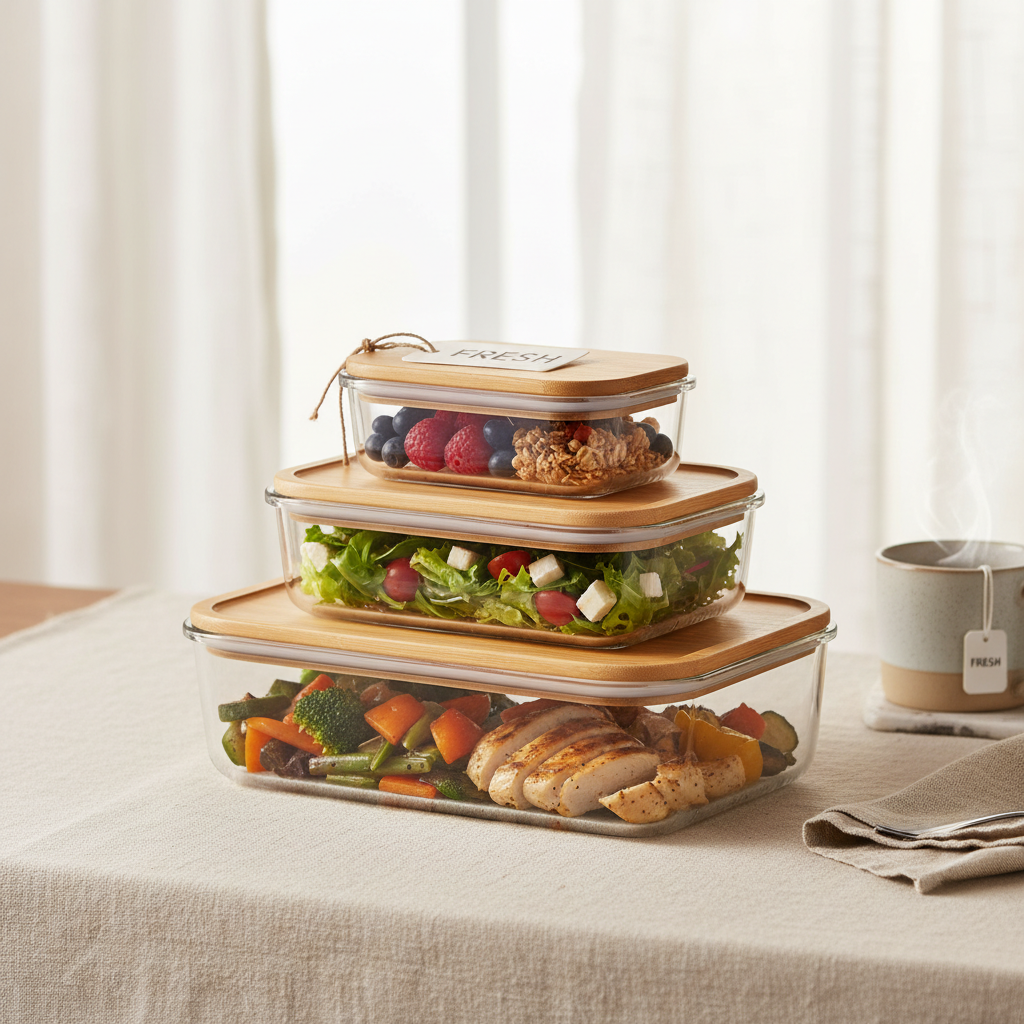
Household adoption of large glass food storage containers is also growing steadily. Consumers are increasingly opting for glass over plastic for storing leftovers, meal prepping, and organizing pantry staples. The emphasis on zero-waste lifestyles and mindful consumption is driving this demand, with individuals actively seeking sustainable alternatives for everyday kitchen tasks.
Effectiveness of Large Glass Food Storage Containers by Method
Advantages & Long-Term Value
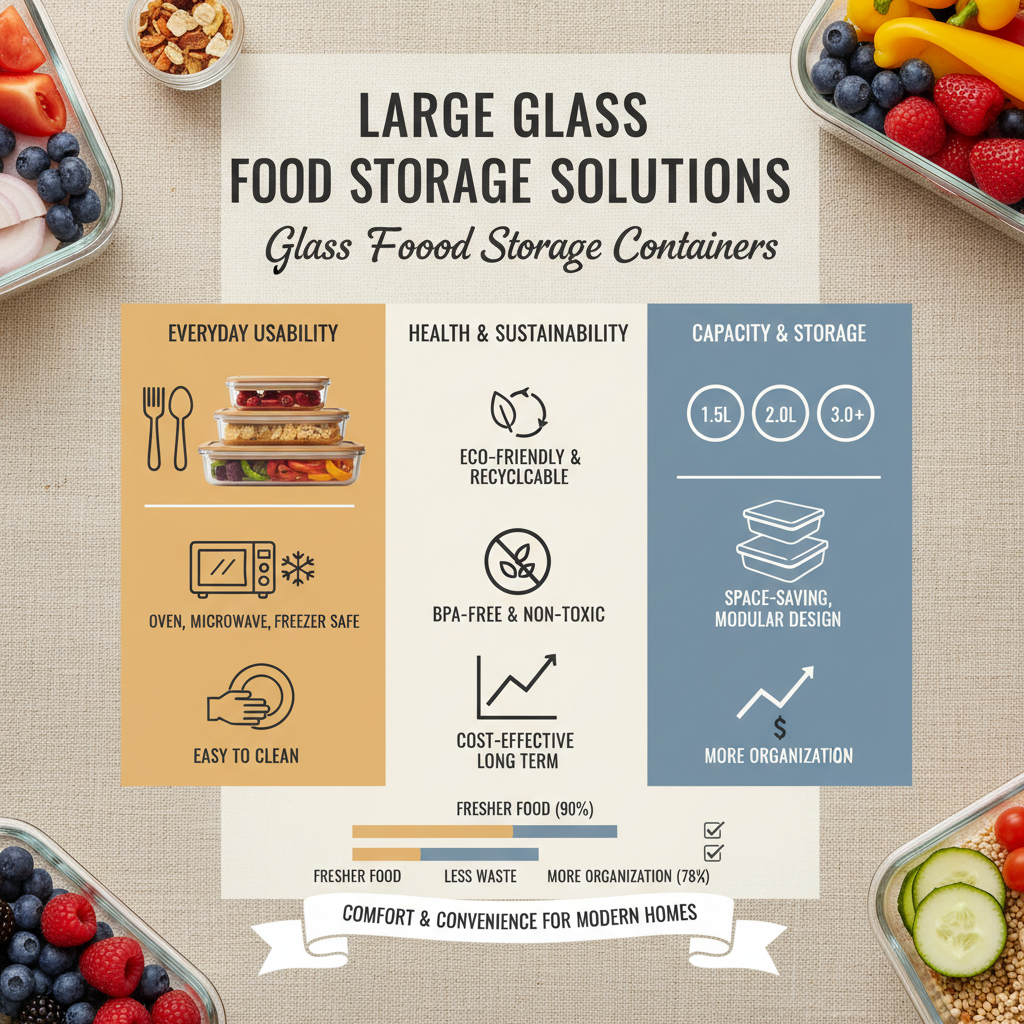
The benefits of choosing large glass food storage containers extend far beyond simple convenience. From a cost perspective, their durability translates to a longer lifespan, reducing the need for frequent replacements – a significant saving compared to disposable plastic containers. Environmentally, glass is 100% recyclable, minimizing landfill waste and promoting a circular economy.
Beyond the tangible benefits, glass containers offer a sense of security and peace of mind. Knowing that your food is stored in a non-toxic, inert material enhances the overall dining experience and promotes a healthier lifestyle. This aligns with a growing consumer trend toward prioritizing well-being and making informed purchasing decisions.
Future Trends & Innovations
Innovation in glass manufacturing is driving the development of lighter, more impact-resistant glass formulations. Research into bio-based coatings and materials is also underway, aiming to further enhance the sustainability of glass containers. Smart packaging solutions, incorporating QR codes and RFID tags, are expected to become more prevalent, enabling real-time tracking of food products and optimizing supply chain efficiency.
The integration of digital technologies, such as blockchain, can improve transparency and traceability within the food storage and distribution process. This will help to build trust between consumers and producers, ensuring the authenticity and safety of stored food items. Furthermore, advancements in automated cleaning and sterilization systems will streamline the maintenance of large glass food storage containers in commercial settings.
Challenges & Solutions
One of the primary challenges associated with large glass food storage containers is their weight. Compared to plastic, glass is considerably heavier, which can pose logistical difficulties for transportation and handling. However, advancements in glass composition and design are resulting in lighter-weight yet equally durable containers.
Another concern is the potential for breakage. While glass is strong, it is susceptible to shattering if dropped or subjected to sudden impacts. Protective packaging and careful handling practices are essential to mitigate this risk. Furthermore, the development of tempered glass and reinforced glass technologies is enhancing the impact resistance of these containers.
Cost can also be a barrier to adoption, particularly for businesses operating on tight margins. However, the long-term cost savings associated with durability and reusability often outweigh the initial investment. Government incentives and subsidies for sustainable packaging solutions can further encourage the transition to glass containers.
Core Analysis of Challenges and Solutions for Large Glass Food Storage Containers
| Challenge |
Impact Severity (1-10) |
Potential Solution |
Implementation Cost (1-10) |
| Weight of Containers |
6 |
Lightweight Glass Composition |
7 |
| Risk of Breakage |
8 |
Tempered or Reinforced Glass |
8 |
| Initial Cost |
7 |
Government Subsidies/Incentives |
5 |
| Handling Complexity |
5 |
Automated Handling Systems |
9 |
| Perception of Fragility |
4 |
Public Awareness Campaigns |
3 |
| Limited Shape Variety |
3 |
Advanced Glass Molding Techniques |
6 |
FAQS
Most large glass food storage containers are indeed dishwasher safe, but it’s crucial to check the manufacturer’s instructions. High heat and abrasive detergents can potentially cause thermal shock or etching over time. Using the gentle cycle and avoiding overcrowding the dishwasher will help to prolong the lifespan of your glass containers. Generally, borosilicate glass is more resistant to thermal shock than standard soda-lime glass.
To minimize the risk of breakage, avoid sudden temperature changes – don’t pour hot liquids into a cold container, or vice versa. Handle the containers with care and avoid dropping them. When stacking, place a protective layer, such as a silicone mat or cloth napkin, between each container to prevent chipping or cracking. Consider investing in containers with silicone sleeves for added protection.
Yes, generally speaking. While the production of glass requires more energy than plastic, glass is 100% recyclable and can be recycled endlessly without losing quality. Plastic, on the other hand, degrades with each recycling cycle and often ends up in landfills. The non-leaching properties of glass also eliminate the risk of harmful chemicals contaminating your food, a concern with certain plastics.
To prevent odors, wash the containers promptly after use with warm, soapy water. For stubborn odors, try soaking the container in a solution of baking soda and water overnight. Alternatively, you can use a paste of baking soda and water to scrub the interior. Ensure the container is thoroughly rinsed and dried before storing.
Lids made from BPA-free plastic or stainless steel are excellent choices for large glass food storage containers. Silicone lids offer a flexible and airtight seal. Avoid lids containing phthalates or other harmful chemicals. Ensure the lid fits snugly to prevent leaks and maintain food freshness.
You can find a wide selection of large glass food storage containers at large glass food storage containers, major retailers, and online marketplaces. Look for brands that prioritize quality materials, durability, and sustainable manufacturing practices. Consider factors such as lid type, container size, and stackability when making your selection.
Conclusion
In conclusion, large glass food storage containers represent a superior choice for those seeking a sustainable, safe, and durable food storage solution. Their non-reactive properties, recyclability, and long lifespan offer tangible benefits for both individuals and the environment. By embracing glass, we can reduce our reliance on plastic, minimize food waste, and promote a healthier lifestyle.
Looking ahead, continued innovation in glass manufacturing and packaging technologies will further enhance the appeal of these containers. Government policies and consumer demand will play a crucial role in accelerating the transition towards a more circular and sustainable food system. Visit our website today at www.ikoo-glass.com to explore our range of high-quality large glass food storage containers and join the movement towards a more sustainable future.