Ceramic containers for food storage have become a popular option for kitchens that combine everyday functionality with attractive design. From storing dry ingredients and pantry staples to organizing countertops, ceramic food storage containers offer a balance of practical use and decorative appeal. For kitchenware brands, retailers, importers, and wholesalers, understanding the benefits and limitations of ceramic storage products can help identify the right products for different customer needs.
In this guide, we explore the key benefits of ceramic food storage containers, how to choose the right designs, and what buyers should consider when building a kitchen storage collection.
What Are Ceramic Containers for Food Storage?
Ceramic food storage containers with lids are storage vessels made from ceramic materials, typically clay-based bodies that are shaped and fired at high temperatures. Depending on the manufacturing process, they may feature glazed or unglazed surfaces, decorative finishes, and different lid materials.
Common examples include ceramic canisters for coffee, tea, sugar, flour, spices, cookies, and other pantry ingredients. Some designs feature ceramic lids, while others use bamboo, wood, silicone, or other materials to provide a different appearance or closure structure.
These containers are often used in kitchens where storage products are expected to serve both a functional and decorative purpose. Their colors, textures, and finishes can complement a wide range of interior styles, from traditional kitchens to contemporary minimalist spaces.
However, not all ceramic containers provide the same storage performance. The material, glaze quality, lid construction, and sealing mechanism all influence how a particular product should be used.
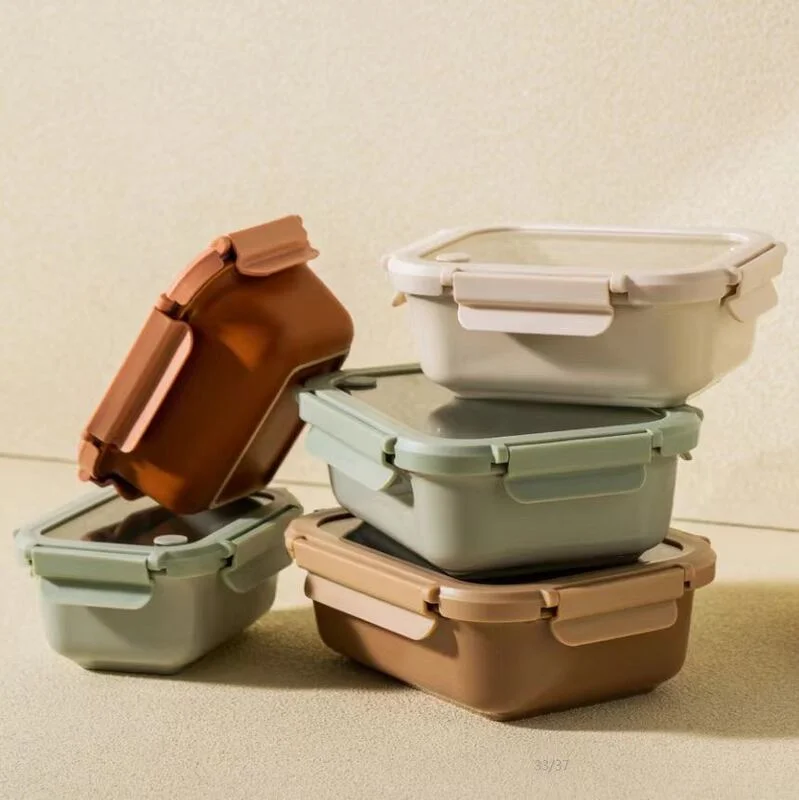
1. Why Choose Ceramic Food Storage Containers?
Attractive Design for Modern Kitchens
One of the main advantages of ceramic food storage containers is their visual appeal. Unlike transparent storage vessels, ceramic containers can introduce color, texture, and a coordinated appearance to kitchen shelves and countertops.
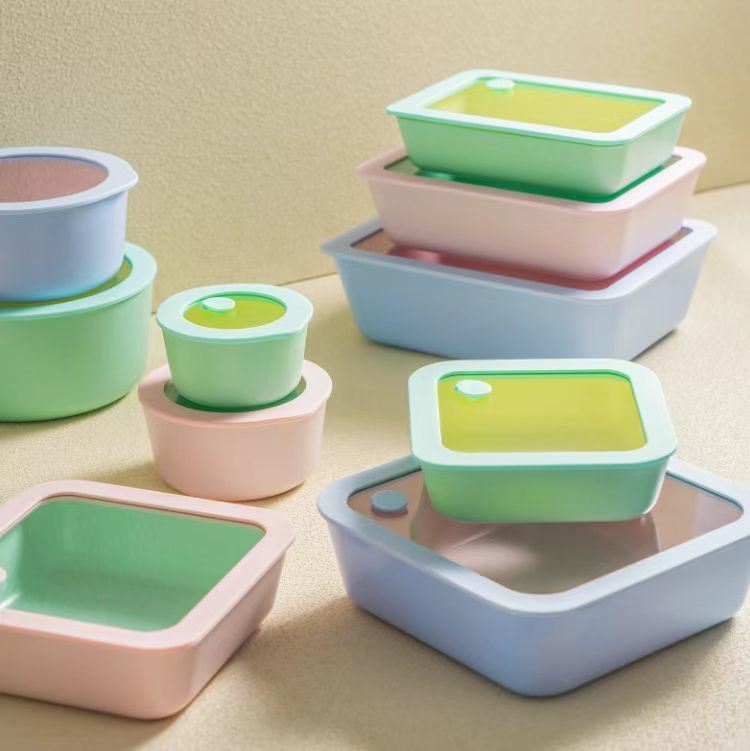
Neutral colors such as white, beige, and gray can complement minimalist interiors, while earthy tones and textured finishes may suit rustic or farmhouse-inspired kitchens.
For retailers and private-label brands, this design flexibility creates opportunities to develop coordinated collections. Matching containers for coffee, tea, sugar, and flour can provide a consistent appearance across a kitchen storage range.
Suitable for Dry Food Storage
Ceramic canisters are commonly used for dry ingredients such as tea leaves, coffee beans, sugar, flour, rice, and spices.
A suitable food-contact glaze can create a smooth interior surface that is practical for routine cleaning. The ceramic body also prevents light from passing through opaque walls, which may be useful for ingredients that benefit from reduced light exposure.
Nevertheless, the container itself does not automatically guarantee freshness. Moisture control and protection from air depend heavily on the lid design, sealing materials, and overall construction.
For ingredients sensitive to humidity, buyers should prioritize products with a well-designed closure and verify the intended storage application.
Reusable and Easy to Coordinate
Ceramic containers are reusable household products that can become part of a long-term kitchen organization system when properly maintained.
They can also be coordinated with other kitchenware, including utensil holders, serving dishes, and countertop accessories. This makes ceramic storage products relevant to retailers seeking to create complete kitchen collections rather than sell individual items.
2. Ceramic vs. Glass Food Storage Containers
Choosing between ceramic and glass depends on the intended application, target customer, and product positioning.
| Feature | Ceramic Containers | Airtight Food Storage Containers Glass |
|---|---|---|
| Appearance | Opaque, with a wide range of colors and finishes | Transparent, allowing contents to remain visible |
| Ingredient visibility | Contents are hidden | Contents can be identified without opening |
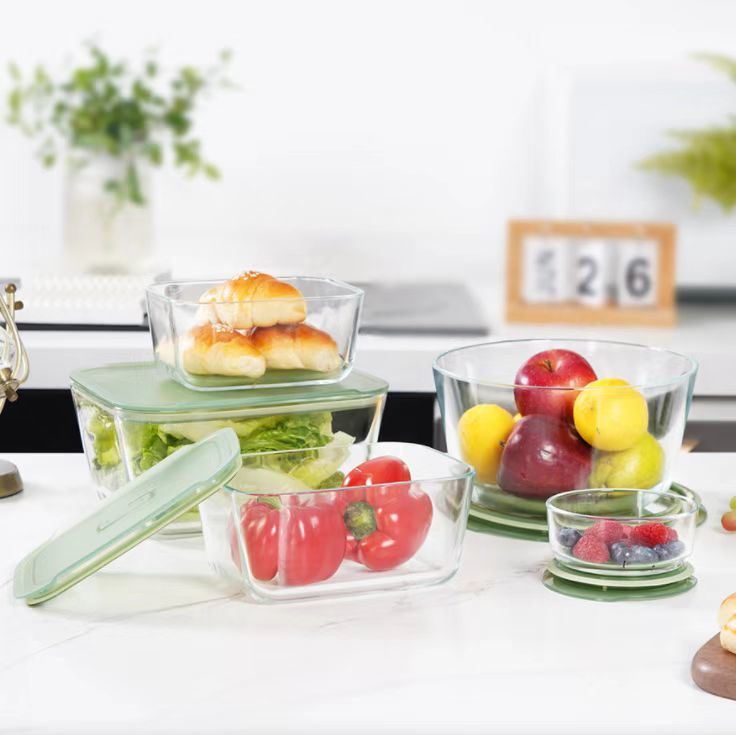
| Common applications | Pantry storage and countertop organization | Food storage, leftovers, meal preparation, and pantry use |
| Weight | Often relatively heavy | Varies by glass type and wall thickness |
| Fragility | Can chip or crack if dropped | Can break or chip if dropped |
| Cleaning | Depends on glaze, lid, and product design | Depends on glass surface, lid, and product design |
| Design positioning | Decorative, coordinated kitchen collections | Functional, versatile, and visually transparent storage |
Neither material is universally better. Ceramic may appeal to customers who prioritize coordinated countertop aesthetics, while glass may be preferable when visibility of stored ingredients is important.
For B2B buyers, offering both materials can help address different consumer preferences and create a more comprehensive kitchen storage assortment.
3. How to Choose the Right Ceramic Storage Containers
Selecting a ceramic container involves more than choosing an attractive shape or color. Buyers should consider the following factors.
Material and Food-Contact Safety
The container's intended food-contact surfaces should be suitable for the relevant application and comply with applicable market requirements.
For glazed ceramic products, buyers should request appropriate documentation and testing information for the intended market. Lead and cadmium migration requirements may be relevant, depending on the product and destination country.
Do not assume that every decorative ceramic item is suitable for food storage simply because it has a glazed surface.
Lid Design and Sealing Performance
The lid affects convenience, storage performance, and the overall appearance of the product.
Ceramic lids can create a coordinated look, while bamboo or wooden lids can introduce a natural material contrast. Silicone seals may improve closure performance when correctly designed and fitted.
However, a lid that sits securely on a container is not necessarily airtight. Buyers who require airtight storage should verify the sealing structure and request performance evidence rather than relying on appearance alone.
Capacity and Container Shape
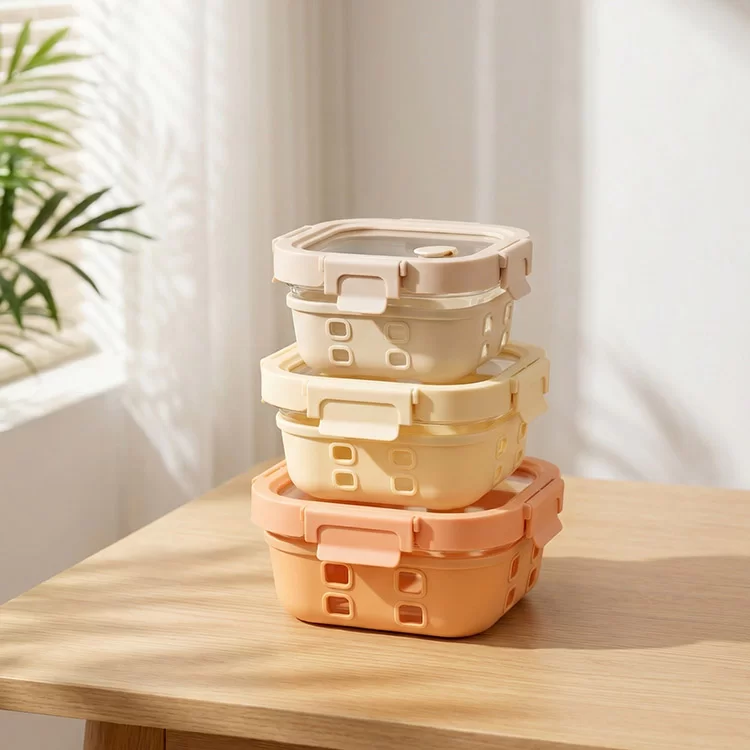
Different ingredients require different storage capacities. Small containers may be suitable for spices and loose tea, while larger canisters can accommodate flour, rice, or other pantry staples.
A coordinated range of sizes can help consumers organize ingredients according to their usage frequency and available kitchen space.
For retail buyers, it is useful to evaluate whether the proposed sizes meet the needs of the target market and whether the products can be displayed or packaged as individual units or sets.
Durability and Care Instructions
Ceramic products can chip or crack if mishandled. Buyers should review wall thickness, rim design, surface finish, packaging protection, and handling requirements.
Dishwasher, microwave, and oven suitability should also be confirmed for each specific product. These properties depend on the complete product construction, including the lid, seal, decoration, and any additional components.
Clear care instructions can help reduce misuse and improve the customer experience.
4. How to Organize a Pantry with Ceramic Canisters
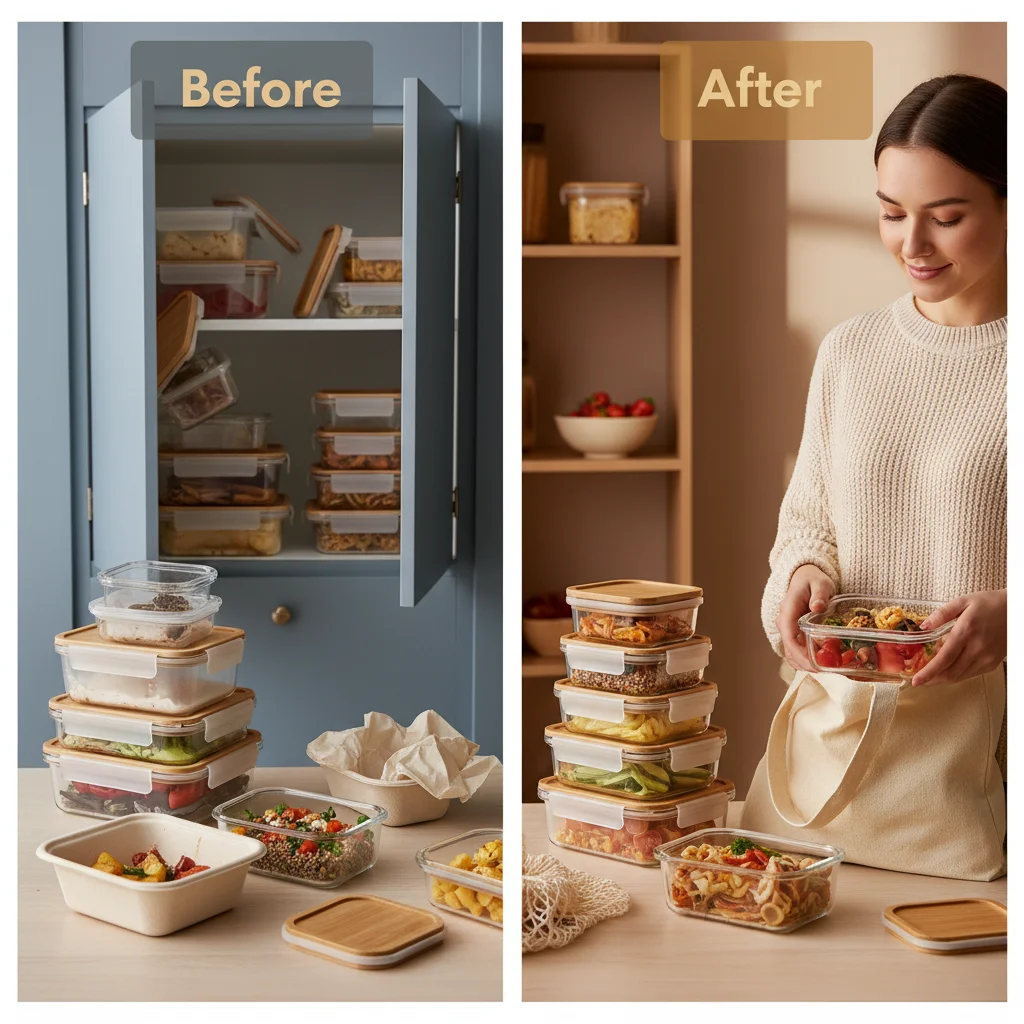
Ceramic canisters can help create a more organized pantry when their sizes and placement are planned around everyday cooking habits.
Start by grouping ingredients according to use. Coffee, tea, and sugar can be placed near the beverage preparation area, while flour, rice, and baking ingredients can be grouped closer to the cooking or baking workspace.
Use different container sizes according to ingredient quantity and consumption frequency. Frequently used ingredients should be easy to reach, while less frequently used items can be stored on higher shelves.
Labels can improve identification, especially when containers have opaque walls. Consistent labeling also makes a coordinated storage set more practical for shared kitchens.
Finally, keep containers away from excessive heat and moisture unless their specifications confirm suitability for those conditions. Ensure that ingredients are completely dry when appropriate and that containers are cleaned and dried before refilling.
5. Ceramic Food Storage Containers for Retailers and Private-Label Brands
For importers, wholesalers, and kitchenware brands, ceramic food storage containers offer opportunities to develop differentiated products through design and assortment planning.
Develop a Coordinated Product Collection
Instead of sourcing only one canister, buyers can consider a collection of complementary sizes and applications. A coordinated range may include containers for coffee, tea, sugar, flour, and spices.
Consistent finishes, lid styles, and packaging can help create a recognizable product family and simplify merchandising.
Match Product Features to the Target Market
Different customer segments prioritize different features. Premium kitchenware retailers may emphasize finish quality and coordinated design, while value-focused retailers may prioritize practical sizes, accessible pricing, and efficient packaging.
Product selection should therefore reflect the retailer's positioning, intended selling price, and customer expectations.
Verify Quality Before Ordering
Before placing a production order, buyers should confirm product dimensions, capacity, weight, glaze finish, lid fit, packaging specifications, and applicable compliance documentation.
Sample evaluation can help identify inconsistencies in color, finish, closure performance, and overall workmanship.
For fragile ceramic products, packaging evaluation is particularly important. Protective inserts, dividers, and suitable outer cartons can help reduce the risk of damage during handling and transportation. Packaging performance should be assessed against the actual product and shipping conditions.
6. Are Ceramic Containers the Right Choice for Every Type of Food?
Ceramic containers are particularly relevant for dry pantry ingredients and countertop organization, but they are not automatically the best solution for every food storage situation.
For refrigerated leftovers, meal preparation, or applications requiring visibility, glass containers may be more suitable depending on their specifications. For products requiring verified airtight or leak-resistant performance, the complete closure system should be evaluated.
Ceramic containers should also not be assumed to be suitable for freezing, heating, or direct food preparation without manufacturer confirmation.
The best choice depends on the food being stored, environmental conditions, cleaning requirements, and the performance characteristics of the specific product.
Conclusion
Ceramic containers for food storage combine practical pantry organization with versatile design possibilities. Their opaque bodies, decorative finishes, and coordinated appearance make them attractive options for storing dry ingredients and creating organized kitchen spaces.
For consumers, the key considerations are food-contact suitability, lid performance, capacity, durability, and ease of care. For retailers and private-label brands, the main priorities include target-market fit, coordinated product design, verified specifications, and protective packaging.
By evaluating these factors before purchasing, buyers can select ceramic food storage containers that meet both functional requirements and design expectations while building a more relevant and competitive kitchenware collection.