0%

Table of Contents

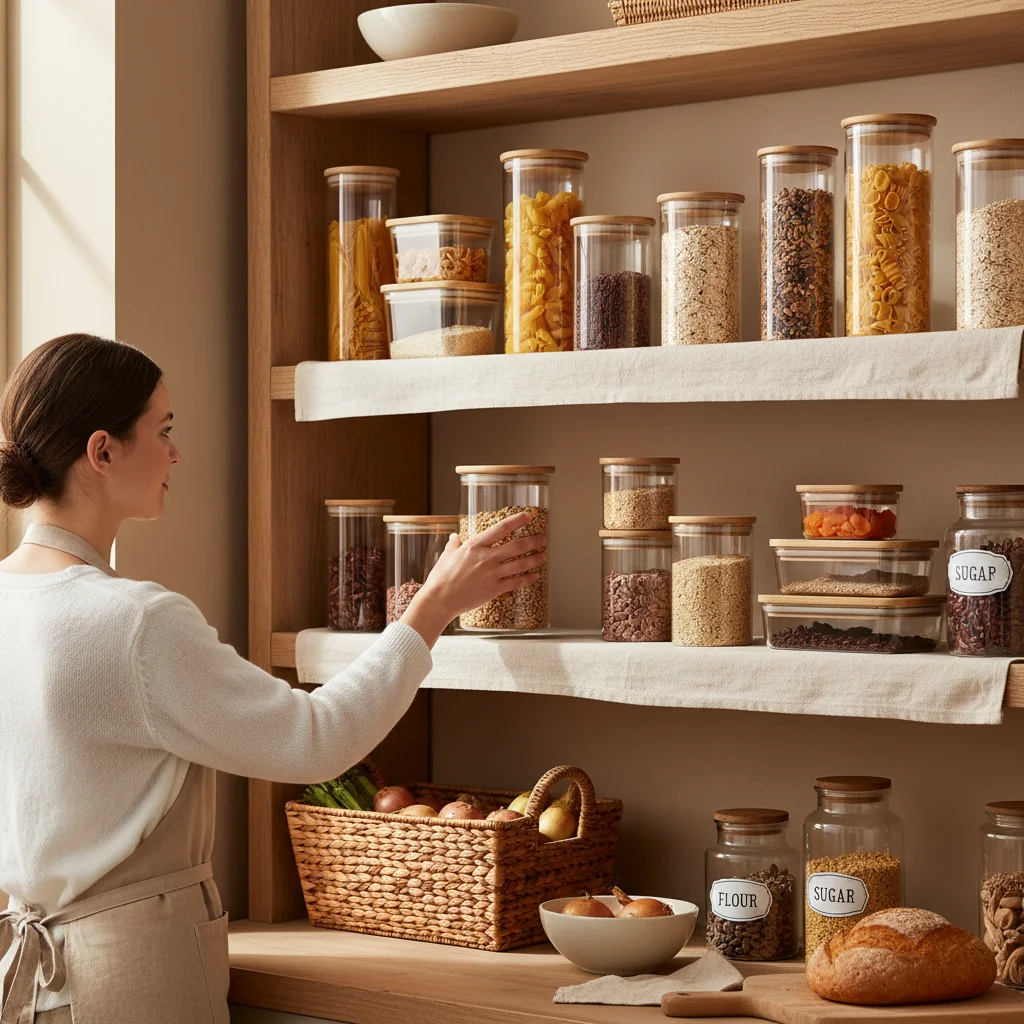
In the modern culinary and organizational landscape, the shift toward sustainable living has placed a spotlight on high-quality food preservation. Among the various options available, 16 oz glass food storage containers have emerged as the gold standard for individuals seeking a balance between capacity and convenience, offering a non-reactive environment that keeps food fresh for longer periods.

Beyond simple utility, these containers represent a commitment to health and environmental stewardship. By replacing single-use plastics with durable borosilicate or soda-lime glass, users can significantly reduce their carbon footprint while avoiding the risks associated with chemical leaching, making the 16 oz size particularly ideal for meal-prepping and portion control.

Understanding the technical nuances—from thermal shock resistance to airtight sealing mechanisms—allows consumers and businesses to maximize the lifespan of their glassware. This guide explores the global impact, practical applications, and future innovations of 16 oz glass food storage containers to help you make an informed choice for your kitchen or commercial enterprise.
16 oz glass food storage containers

Global Industry Context of 16 oz Glass Food Storage Containers

16 oz glass food storage containers

The global demand for sustainable packaging has seen a dramatic surge, with international standards such as ISO 7151 emphasizing the importance of glass quality in food-contact materials. As urban populations increase and the "meal-prep" culture expands across North America, Europe, and Asia, 16 oz glass food storage containers have become a pivotal product in the transition away from BPA-laden plastics.

Industry data suggests that the shift toward circular economies is driving manufacturers to optimize the weight-to-strength ratio of these containers. The challenge lies in producing glass that is lightweight enough for portable lunch boxes yet durable enough to withstand the rigors of industrial dishwashers and frequent microwave use, ensuring a long product lifecycle.

Defining the 16 oz Glass Food Storage Container Standard

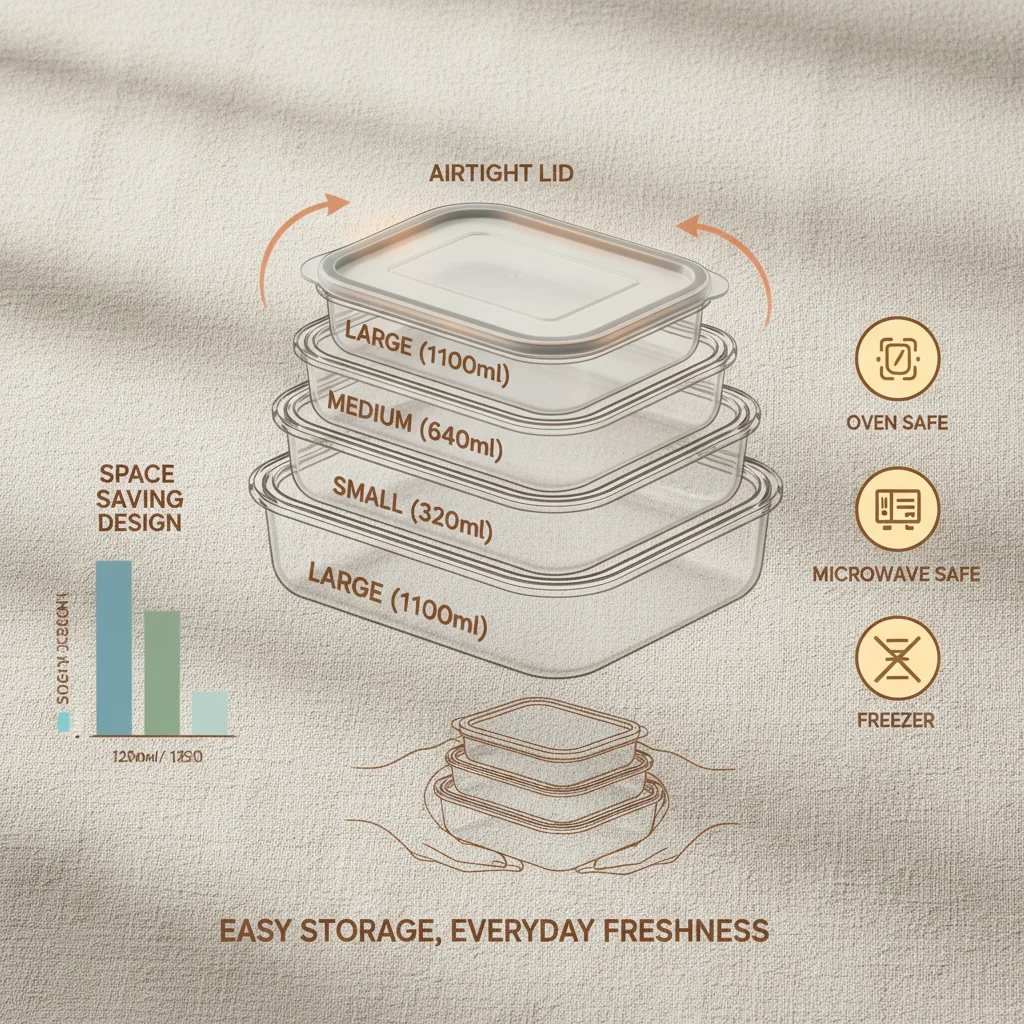
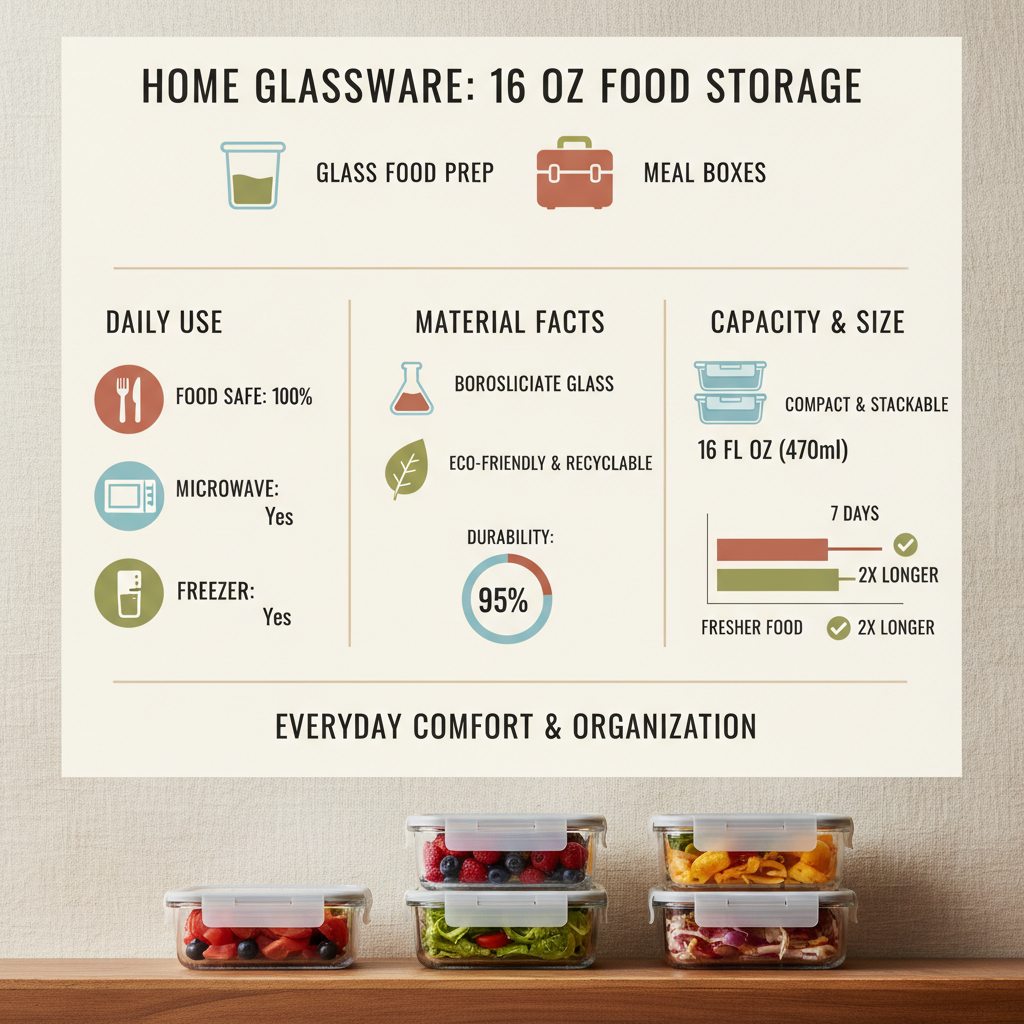
In simple terms, 16 oz glass food storage containers are medium-capacity vessels specifically engineered to hold approximately 473 milliliters of food or liquid. This specific volume is widely regarded as the "golden ratio" for individual servings, fitting comfortably in most refrigerator shelves and standard lunch bags while providing ample space for a balanced meal.

From a manufacturing perspective, these containers are typically crafted from borosilicate glass or tempered soda-lime glass. This ensures that the vessel can handle temperature fluctuations—from the freezer to the oven—without cracking, a critical requirement for the modern "cook once, eat thrice" consumer habit.

Beyond the physical dimensions, the "standard" includes the integration of airtight lids, often made from bamboo, stainless steel, or BPA-free polymers. This synergy between the glass body and the sealing mechanism is what transforms a simple jar into a high-performance food preservation tool suitable for both home and professional catering.

Core Components of High-Quality Glassware

The first critical factor in evaluating 16 oz glass food storage containers is thermal shock resistance. High-grade borosilicate glass allows the container to expand and contract minimally during rapid temperature changes, preventing the catastrophic failures often seen in cheaper, non-tempered glassware.

Secondly, chemical inertness is paramount. Unlike plastic, which can leach phthalates or BPA into acidic foods (such as tomato sauces), the molecular structure of premium 16 oz glass food storage containers ensures that no chemicals migrate into the food, preserving the original taste and nutritional integrity.

Finally, the structural integrity of the rim and the seal compatibility cannot be overlooked. A precision-engineered rim ensures that the lid creates a vacuum-tight seal, which is essential for preventing oxidation and extending the shelf life of perishables in a high-humidity environment.

Practical Applications and Global Use Cases

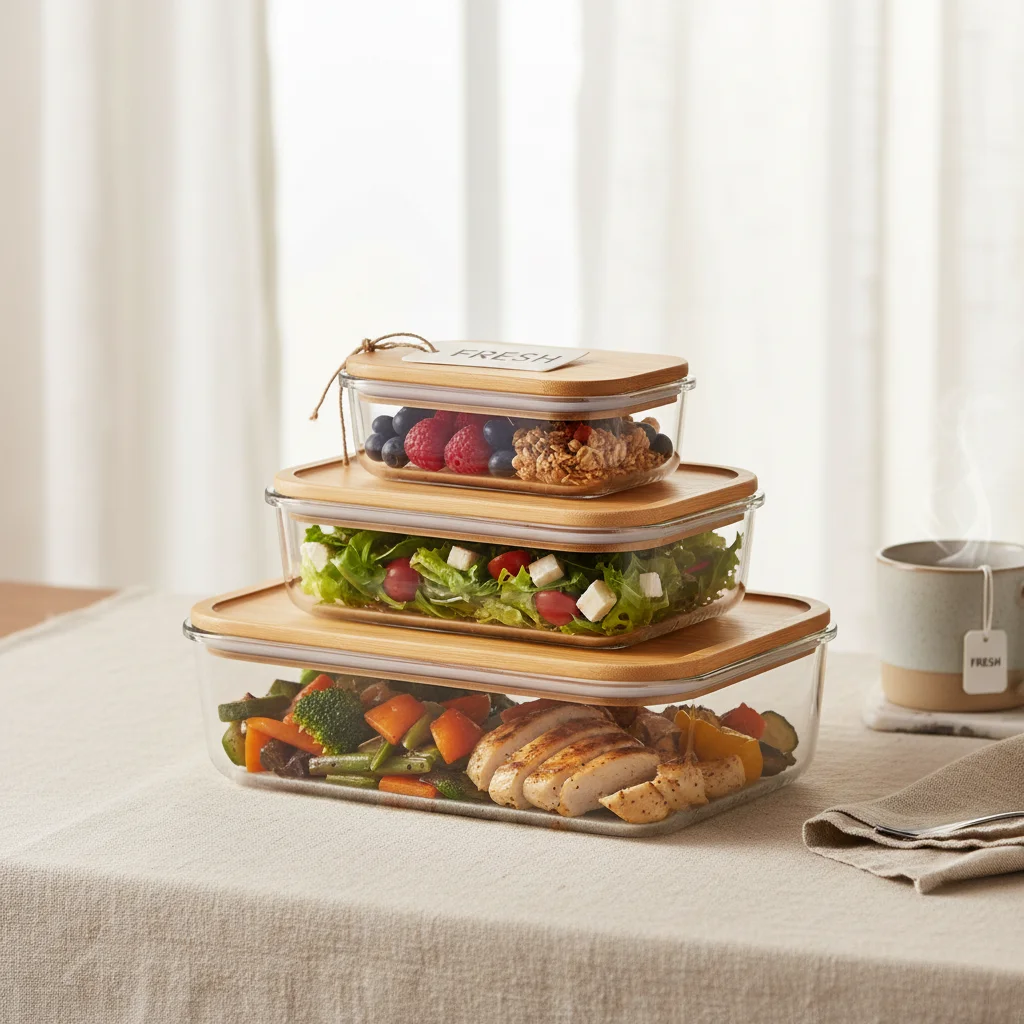
In real-world scenarios, 16 oz glass food storage containers serve a diverse array of functions. In the corporate world, they are the primary choice for health-conscious employees in metropolitan hubs like New York or Tokyo, where "desk lunches" are common and the ability to reheat food safely in a microwave is essential.

Moreover, these containers are increasingly utilized by specialized diet clinics and nutritionists to provide precise portion control for patients. The transparency of the glass allows for quick visual verification of food volume, making them indispensable in medical meal-planning regimens across Europe.

Performance Comparison of 16 oz Glass Food Storage Container Variations

Long-Term Value and Sustainability Benefits

Investing in 16 oz glass food storage containers provides significant long-term financial value. While the initial cost may be higher than plastic alternatives, the longevity of glass—which does not stain, warp, or absorb odors—means consumers purchase fewer replacements over time, resulting in a lower "cost-per-use" ratio.

From an emotional and ethical standpoint, these containers offer peace of mind. There is a profound sense of dignity and safety in knowing that your family's food is stored in a material that is 100% recyclable and free from synthetic polymers. This alignment with "green" values fosters a deeper trust between the consumer and the brand.

Future Trends in Glass Storage Innovation

The future of 16 oz glass food storage containers is leaning heavily toward "smart" integration and advanced material science. We are seeing the emergence of antimicrobial coatings that prevent bacterial growth on the rim, as well as the integration of RFID tags in the lids to help users track expiration dates via smartphone apps.

Automation in the manufacturing process is also reducing the energy intensity of glass production. New "cold-forming" techniques are being explored to lower the carbon emissions associated with the melting process, making the production of these containers as sustainable as their usage.

Furthermore, we anticipate a shift toward hybrid materials. Imagine 16 oz glass food storage containers with integrated vacuum-pump lids that can remove oxygen at the touch of a button, further extending the freshness of organic produce and reducing global food waste.

Overcoming Common Challenges in Glass Storage

One of the primary limitations of 16 oz glass food storage containers is their inherent fragility and weight compared to plastic. To solve this, manufacturers are implementing "impact-zone" reinforcement, where the corners of the glass are thickened without adding significant overall weight, reducing the likelihood of chipping.

Another common concern is the difficulty of cleaning complex lid seals. The industry solution has been the development of modular, detachable gaskets made from food-grade silicone, allowing users to deep-clean every crevice, thereby eliminating mold risks and maintaining hygiene.

Finally, the issue of "lid loss" is being addressed through standardized sizing. By ensuring that 16 oz glass food storage containers from the same product line use interchangeable lids, brands are reducing waste and increasing the practicality for the end-user.

Comparative Analysis of 16 oz Glass Storage Solutions

Material Type Thermal Resistance Weight Category Eco-Score (1-10)
Borosilicate Glass Extreme (Oven-Safe) Light-Medium 10
Tempered Soda-Lime Moderate (Microwave) Medium 9
Amber Glass Low (Cool Storage) Medium 9
Coated Glass Moderate Medium 7
Recycled Glass Moderate Medium 10
Heavy-Duty Glass High Heavy 8

FAQS

Are 16 oz glass food storage containers safe for the oven?

It depends on the material. Borosilicate glass containers are specifically designed to handle high temperatures and are generally oven-safe. However, tempered soda-lime glass is typically only microwave and dishwasher safe. Always check the bottom of the container for the "Oven Safe" symbol before use to avoid thermal shock.

How do I prevent the lids of my 16 oz glass containers from leaking?

Ensure that the silicone gasket is seated perfectly flat within the lid groove. If leaks persist, check for any food debris trapped under the seal. For maximum airtightness, we recommend containers with 4-lock snap lids, which provide a mechanical compression that forces the seal tighter against the glass rim.

Is 16 oz the best size for meal prepping?

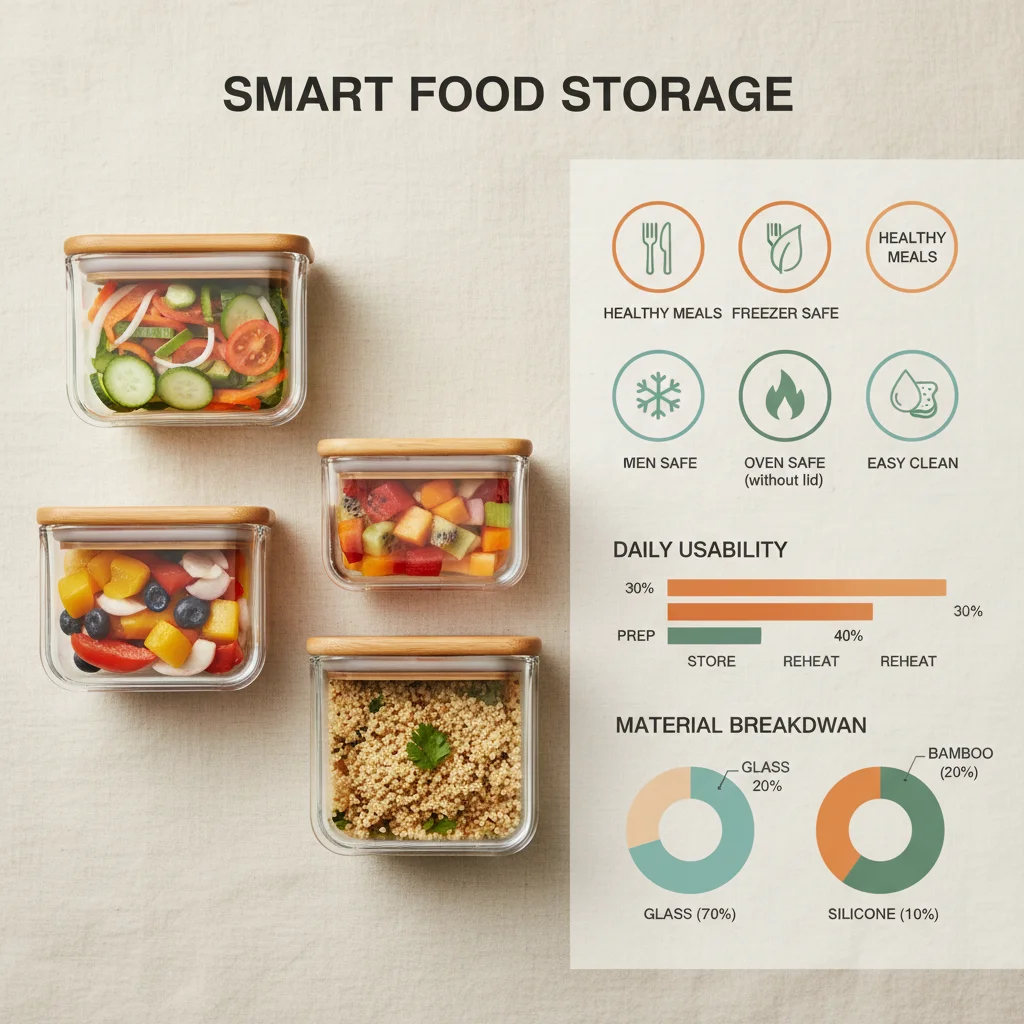
For most adults, 16 oz is ideal for side dishes, salads, or portion-controlled snacks. For main courses, you may want to pair these with larger containers. However, the 16 oz size is the most versatile for "component prepping," where you store proteins, grains, and vegetables separately to maintain texture.

Can I put 16 oz glass food storage containers in the freezer?

Yes, glass is excellent for freezing. However, you must leave about an inch of "headspace" at the top. Since liquids expand when frozen, filling the container to the brim can cause the glass to crack. Once thawed, they can often go straight into the microwave or oven (if borosilicate).

How do I remove stubborn stains or smells from my glass containers?

One of the biggest advantages of glass is that it is non-porous. For stubborn residue, a paste of baking soda and water left overnight usually works. For the lids, a soak in white vinegar and warm water will neutralize odors and remove biofilm from the silicone seals.

Are bamboo lids better than plastic lids for these containers?

Bamboo lids are more sustainable and aesthetically pleasing, making them great for serving. However, they are not dishwasher safe and can mold if stored with wet food. Plastic or stainless steel lids are better for heavy-duty, daily use and high-temperature cleaning cycles.

Conclusion

The adoption of 16 oz glass food storage containers is more than a simple kitchen upgrade; it is a strategic move toward a healthier, more sustainable lifestyle. By combining optimal volume, thermal durability, and chemical safety, these containers solve the dual challenge of food waste and plastic pollution while enhancing the quality of our daily nutrition.

As we look forward, the integration of smart materials and eco-friendly manufacturing will only increase the value proposition of glass storage. We encourage both individual consumers and commercial distributors to prioritize borosilicate quality and airtight sealing to ensure long-term reliability. To explore our full range of professional storage solutions, visit our website: www.ikoo-glass.com

Marcus Thorne

Marcus Thorne

Marcus Thorne serves as the Lead Product Designer at IKOO GLASS. Having joined the company in 2018, Marcus brings a wealth of experience in glass design and material science. He’s a core member of the team responsible for securing over 20 prestigious international awards, including the iF Design Award and
Previous Benefits and Style of Using Cute Glass Food Storage Containers
Next Defining Pure Elegance in Borosilicate Excellence

If you are interested in our products, you can choose to leave your information here, and we will be in touch with you shortly.