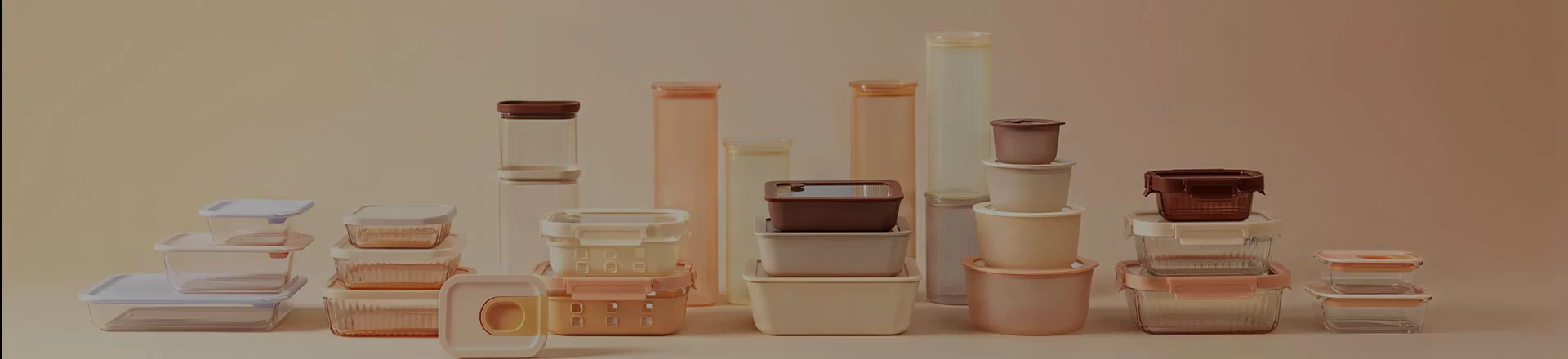
This comparison helps distributors and procurement teams choose between IKOO’s ceramic container with glass lid and its stainless steel food storage container with leak-proof PP lid. It focuses on body and lid materials, shared storage features, care environments, and the buyer profile each format suits.

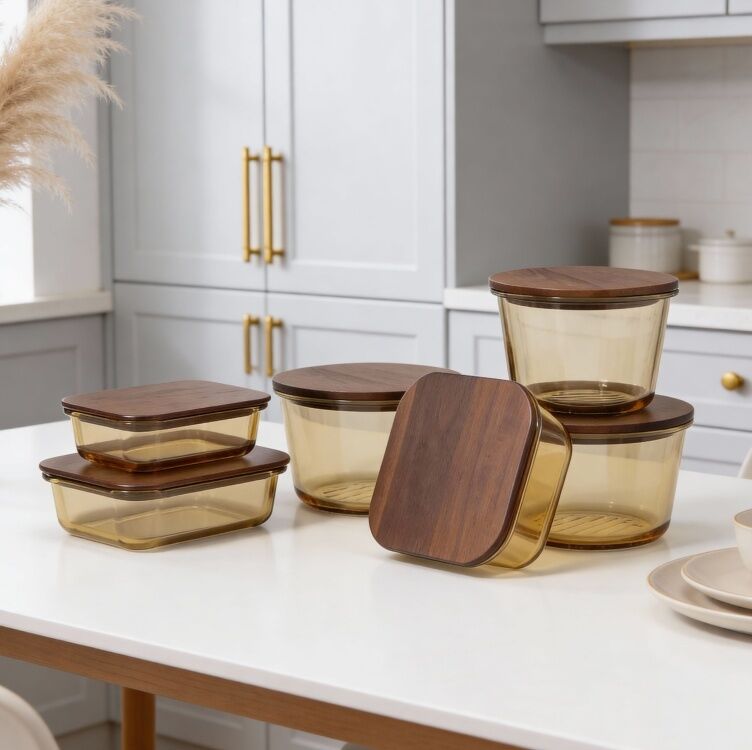
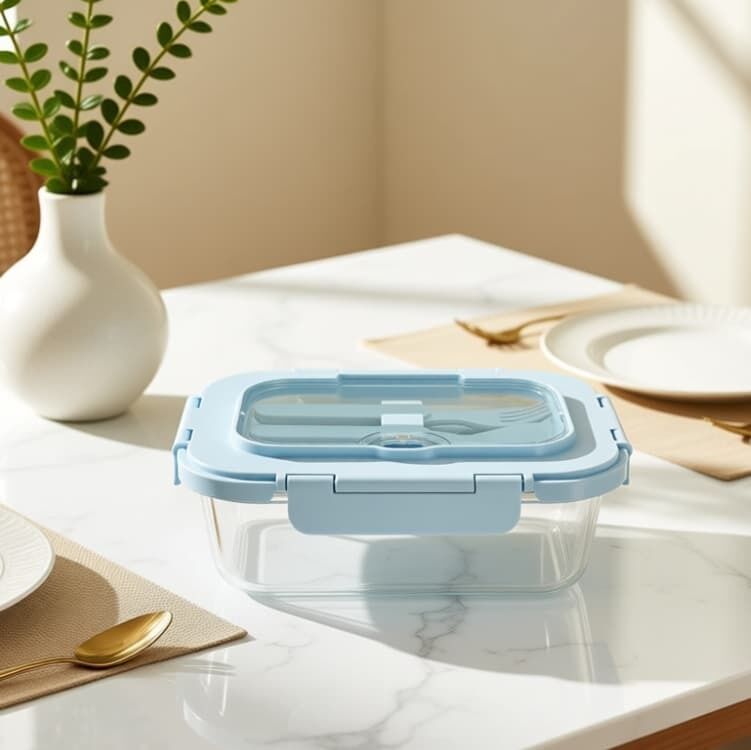
IKOO Leak-proof Microwave Safe Ceramic Food Storage Container with Glass Lid
IKOO BPA Free Airtight Stainless Steel Food Storage Container with Leak-proof PP Lid
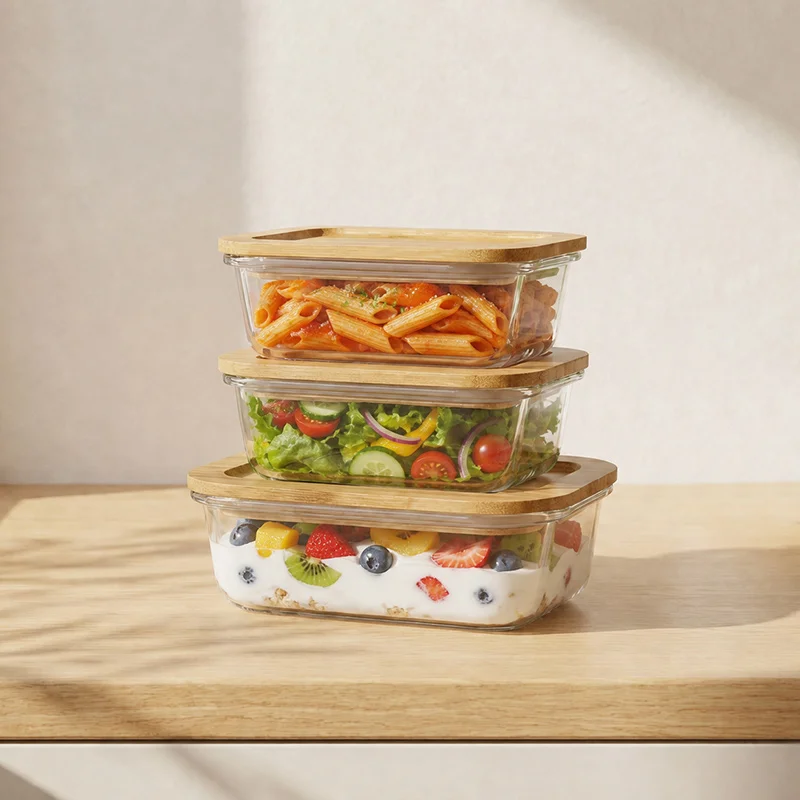
The right container depends on the handling routine your customers expect. IKOO’s ceramic container uses a ceramic body with a tempered glass lid and is offered in 400 ml, 650 ml, 900 ml, and 1150 ml capacities. The stainless steel food storage container uses a 304 or 316 stainless steel body with a PP lid and silicone gasket, with multiple sizes available.
For a product range that needs both formats, compare the two options by material, closure, care environment, and shape before setting the assortment. The IKOO stainless steel food storage container is the more direct fit for buyers seeking a metal container with an airtight, leak-proof closure. The ceramic option suits buyers who want a storage container that can also be used as tableware.
Material and lid construction
The ceramic model pairs a ceramic body with a tempered glass lid. Its product description also identifies glossy or matte surface finishes and multiple color options. The body is presented as durable, chip-resistant, and food-safe.
The stainless steel model uses stainless steel 304 or 316 for the body. Its PP lid includes a silicone gasket, and the container is described as airtight and leak-proof. The product is rectangular and stackable, with customized coating color available.
This distinction matters at the point of use. A ceramic body with a glass lid supports a table-to-storage presentation, while the stainless steel body and gasketed PP lid are suited to buyers prioritizing a metal storage format and a sealed closure. Choose the material and lid combination that matches the handling expectations of your distribution channel.
Shared storage functions
Both containers are described as stackable, leak-proof, and suitable for food storage. The ceramic version is also described as airtight and as tableware, while the stainless steel version is described as airtight with a silicone-gasketed PP lid.
Picture a meal-preparation range in which containers move from preparation to cold storage and then to serving. The ceramic model can support that tableware role. For a transport-oriented assortment, the stainless steel model’s PP locking lid and silicone gasket give the buyer a clear closure specification to evaluate for soups, salads, sandwiches, or other prepared foods.
Care environments
The ceramic container is identified as microwave safe, oven safe, dishwasher safe, and freezer safe. The stainless steel model is identified for freezer, oven, microwave, and dishwasher use in its product specification, but microwave handling should follow the specific model guidance because the body is metal.
For either option, map the care claims to the way your customers work. A buyer planning direct reheating should confirm the exact heating instructions for the selected stainless steel configuration before placing it in a microwave. A buyer planning oven-to-table use should review the complete container and lid handling instructions, then align the pack copy with those instructions.
Which buyer should choose each format?
Choose the ceramic container when the range needs fixed capacities of 400 ml, 650 ml, 900 ml, or 1150 ml, a ceramic body, a tempered glass lid, and a tableware role. It fits meal-prep and household ranges where serving appearance is part of the use case.
Choose the stainless steel food storage container when the range needs a 304 or 316 stainless steel body, a PP lid with silicone gasket, rectangular stackable storage, and multiple size options. It fits distributors building a metal-container assortment with airtight and leak-proof positioning.
Before requesting a quotation, send the supplier your target capacity mix, preferred body grade, lid configuration, color requirements, and the care instructions you need printed on the packaging.
The people

About the author
The company
IKOO GLASS
Visit company website ↗Your next step
Bring your brief. Start a useful conversation.
Use case, specification, quantity and delivery window: make the next conversation specific.