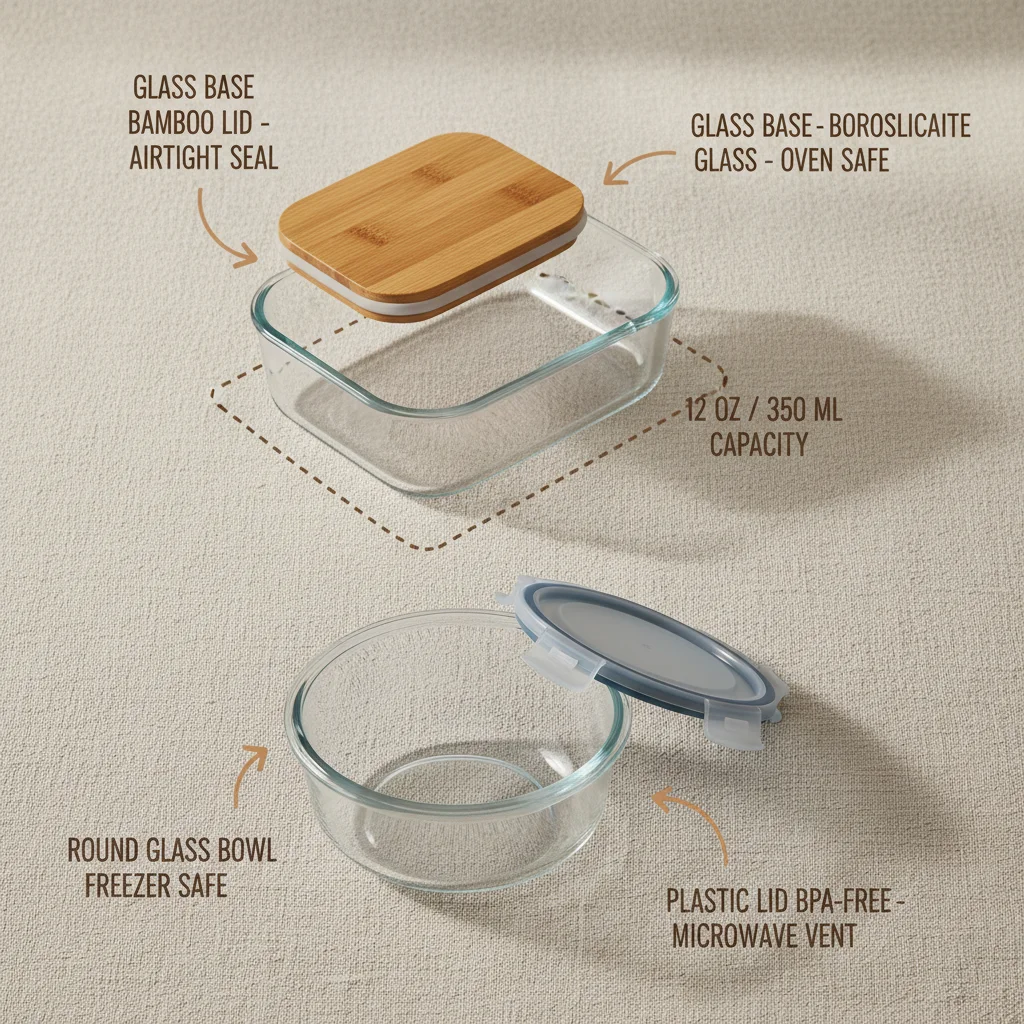
The global shift toward sustainable living has revitalized the demand for high-quality food preservation solutions. Among these, glass dry food storage containers have emerged as the gold standard for consumers seeking a balance between health, durability, and environmental responsibility. By eliminating the risks associated with plastic leaching and providing a superior airtight seal, these containers ensure that pantry staples remain fresh and uncontaminated over long periods.
From a manufacturing perspective, the evolution of borosilicate and soda-lime glass has allowed for the creation of versatile kitchenware that handles various thermal stresses. The industry is currently seeing a move toward multifunctional designs that serve not just as storage, but as active tools in food preparation. This integration reduces waste and streamlines the culinary process, making organized kitchens more accessible to the average homeowner.
Whether you are organizing a professional pantry or managing a home kitchen, utilizing glass dry food storage containers provides a transparent, non-reactive environment for your ingredients. This transparency not only aids in inventory management but also enhances the aesthetic appeal of modern interior design, proving that utility and beauty can coexist in the heart of the home.

The Versatility of Multifunctional Glassware
Modern kitchenware has evolved beyond simple containment. The integration of multiple functions into a single vessel, such as combining a measuring cup with an egg separator and a juicer, represents a significant leap in utilitarian design. This multifunctional approach allows users to transition seamlessly from preparation to storage without needing a vast array of separate tools.
By incorporating features like fat separators and mixing bowl capabilities into a 700ml capacity vessel, manufacturers are optimizing counter space and reducing the number of items that need cleaning. This efficiency is particularly valuable in urban living environments where kitchen space is at a premium and multi-purpose glass dry food storage containers are highly sought after.
Global Standards and Certification in Glass Manufacturing
Safety and quality assurance are the cornerstones of the non-metallic mineral products industry. For products intended for food contact, adhering to international standards is not optional but a necessity to ensure consumer health. Certifications such as FDA and LFGB ensure that the glass is free from harmful lead or cadmium and can withstand the rigors of daily food preparation.
Beyond the material itself, the manufacturing process must meet ethical and quality management benchmarks. BSCI and ISO certifications reflect a commitment to social compliance and standardized production workflows. This ensures that every piece of glassware produced is consistent in thickness, clarity, and thermal resistance, reducing the rate of breakage and improving the lifespan of the product.
Furthermore, the DGCCRF certification provides an additional layer of European regulatory compliance, ensuring that the items are safe for the diverse needs of the global market. When choosing glass dry food storage containers, these certifications serve as a guarantee that the product can safely handle everything from acidic juices to high-temperature dishwasher cycles.
Key Design Features for Maximum Utility
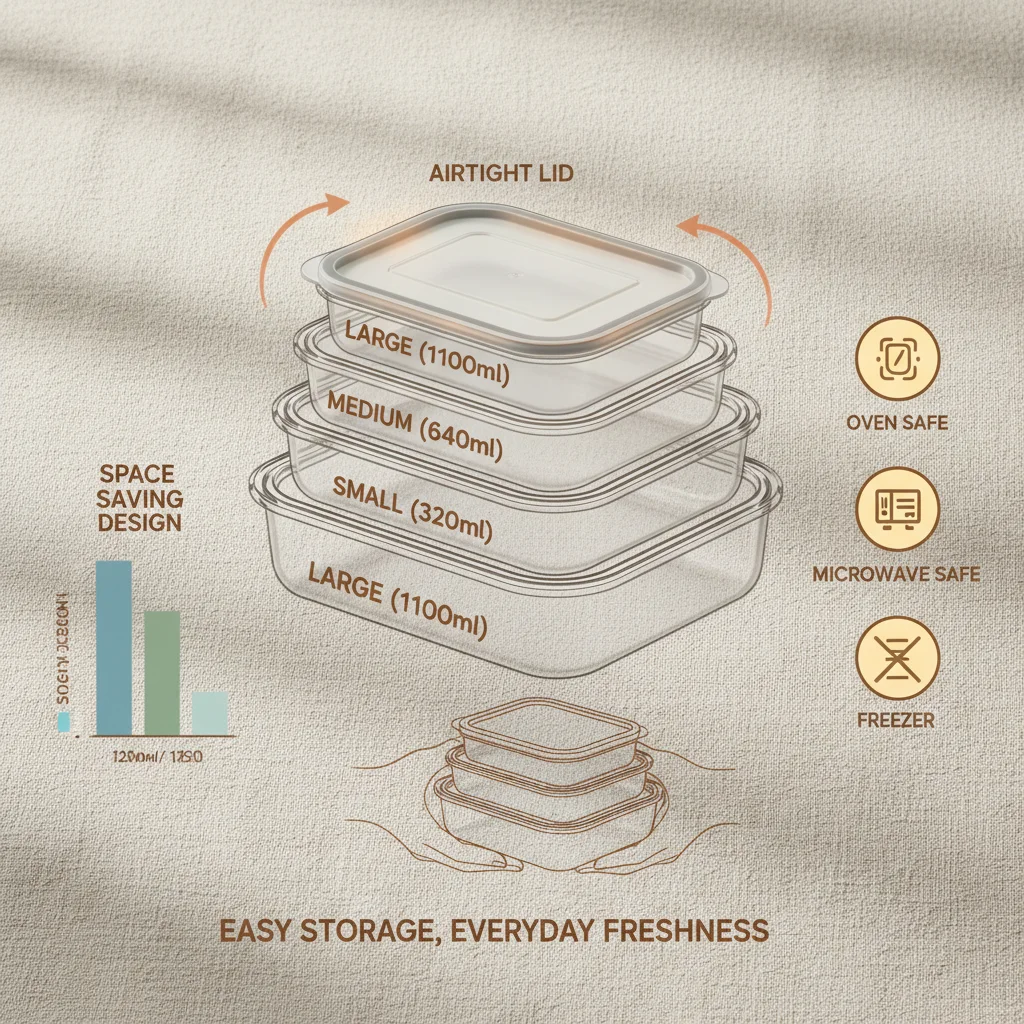
The physical architecture of high-end glassware is designed with the end-user's workflow in mind. A critical feature is the stackable and nestable design, which allows for organized storage in cabinets. This prevents the cluttered appearance often associated with traditional glass dry food storage containers and makes them an ideal choice for professional organizers.
Maintenance is another pillar of design; being dishwasher safe is a non-negotiable requirement for the modern consumer. The use of non-porous glass ensures that odors and stains from previous ingredients do not linger, maintaining a hygienic environment for glass dry food storage containers and preparation tools.
Capacity and precision also play a role in functionality. A 700ml (approximately 24 oz) volume is specifically chosen to balance versatility and size, making it large enough for significant prep work but compact enough for easy handling. This precision is what separates industrial-grade glass dry food storage containers from basic household jars.
Performance Metrics of Food Storage Solutions
When evaluating the efficiency of kitchenware, it is essential to look at how different design philosophies impact user satisfaction. Multifunctional tools often score higher in "Space Efficiency" and "User Convenience" because they replace three or four separate items. This consolidated approach reduces the cognitive load on the cook and speeds up the overall food preparation cycle.
Comparing traditional storage to integrated multifunctional glass dry food storage containers reveals a clear trend: users prefer products that offer a high return on "Utility per Square Inch." The following data reflects a comparative rating across various performance dimensions, emphasizing the superiority of integrated glass solutions.
Performance Rating of Glass Dry Food Storage Containers
Industrial Applications and Customization Options
In the B2B sector, the ability to customize glassware is a key driver for brand loyalty. For companies integrating glass dry food storage containers into their product lines, offering custom colors and logo printing allows for a cohesive brand identity. This is particularly useful for corporate gifting, promotional kits, or specialized culinary brands that want their tools to reflect their aesthetic values.
Beyond aesthetics, industrial applications extend to the hospitality sector. Hotels and high-end restaurants utilize these multifunctional sets to maintain strict hygiene standards while ensuring that prep chefs have precise measuring tools at their fingertips. The durability of the glass ensures that these items can withstand the high-volume usage typical of commercial kitchens.
Environmental Impact and Long-term Value
The transition away from single-use plastics has made glass the most viable long-term alternative for food storage. Unlike plastics, which degrade over time and release microplastics into the food supply, glass is chemically inert. This means that glass dry food storage containers do not react with the contents, preserving the original taste and nutritional value of the food.
From a sustainability standpoint, glass is 100% recyclable without loss in quality. By investing in high-quality, durable glassware, consumers reduce the frequency of replacements, thereby lowering the overall carbon footprint associated with manufacturing and shipping. The long-term value is found not just in the product's life, but in the reduction of landfill waste.
Moreover, the emotional value of owning timeless, high-quality kitchenware cannot be overlooked. There is a psychological satisfaction in a well-organized, transparent pantry. This sense of order and cleanliness promotes a healthier relationship with food and cooking, transforming a daily chore into a mindful activity.
Comparison of Material Efficiency and Maintenance
Understanding the technical advantages of glass requires a comparison with other common materials. While stainless steel is durable, it lacks the transparency needed for quick identification of contents. Ceramic is beautiful but often heavier and more prone to chipping. Glass dry food storage containers provide the perfect equilibrium: they are transparent, lightweight enough for daily use, and highly resistant to stains.
Maintenance efficiency is where glass truly shines. Because the surface is non-porous, it does not absorb oils or odors, which is a common failure point for plastic containers. A simple trip through the dishwasher restores the glass to its original state, ensuring that the 700ml measuring cup or storage vessel is always sanitary.
When we analyze these factors across different dimensions, the superiority of professional-grade glass becomes evident. The following table summarizes how these attributes compare, providing a clear guide for those looking to optimize their kitchen inventory.
Material Comparison Analysis for Food Storage and Preparation
| Material Type |
Chemical Inertness |
Transparency |
Maintenance Ease |
| Borosilicate Glass |
Excellent (10/10) |
High |
Dishwasher Safe |
| Soda-Lime Glass |
Very Good (9/10) |
High |
Dishwasher Safe |
| BPA-Free Plastic |
Moderate (5/10) |
Medium |
Stain Prone |
| Stainless Steel |
Good (8/10) |
None |
Easy |
| Ceramic/Porcelain |
Good (7/10) |
None |
Medium |
| Silicone |
Moderate (6/10) |
Translucent |
Easy |
FAQS
Yes, glass is non-reactive and non-porous, meaning it doesn't leach chemicals like BPA or phthalates into your food, nor does it absorb odors or flavors from previous contents. This makes it the healthiest choice for long-term storage.
Absolutely. Our multifunctional sets are designed to be dishwasher safe, allowing for effortless cleaning and sterilization. This ensures that your food preparation environment remains hygienic without the need for tedious hand-scrubbing.
A 700ml (approx. 24 oz) capacity is the "sweet spot" for kitchen versatility. It is large enough to act as a small mixing bowl or fat separator, yet compact enough to fit comfortably in a refrigerator door or a standard kitchen cabinet.
Yes, we provide comprehensive customization services, including custom colors and professional logo printing. This allows businesses to align their kitchenware products with their specific brand identity for retail or promotional purposes.
Look for FDA, LFGB, and ISO certifications. These ensure the material is food-safe and the manufacturing process meets global quality and safety standards. Additionally, BSCI certification ensures the product was made under ethical labor conditions.
Stackable and nestable designs maximize vertical space in your cabinets. By allowing containers to fit inside one another or sit securely on top of each other, you reduce clutter and can find the tools you need more quickly.
Conclusion
In summary, the transition toward multifunctional glass dry food storage containers represents a convergence of health-conscious living, industrial efficiency, and environmental stewardship. By combining preparation tools like measuring cups and fat separators with durable, certified glass materials, users can significantly streamline their kitchen workflows while ensuring the highest standards of food safety and hygiene.
As we look toward the future of the kitchen, the emphasis will continue to shift toward "less but better"—fewer tools that do more. Investing in high-quality, customizable, and sustainable glassware is not just a purchase for today, but a commitment to a more organized and eco-friendly lifestyle. Explore our full range of solutions and elevate your culinary experience. Visit our website: www.ikoo-glass.com