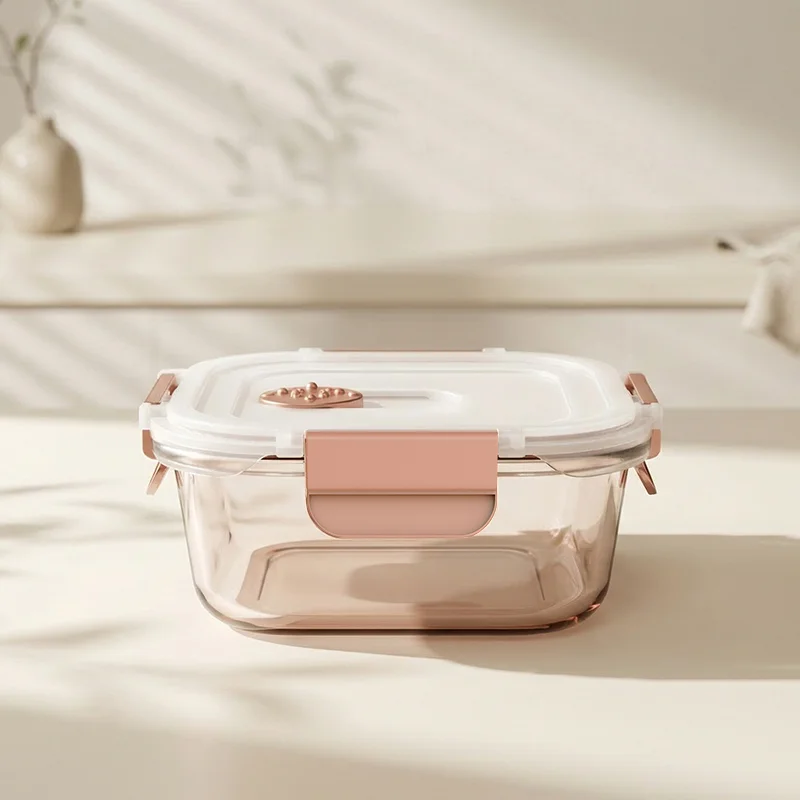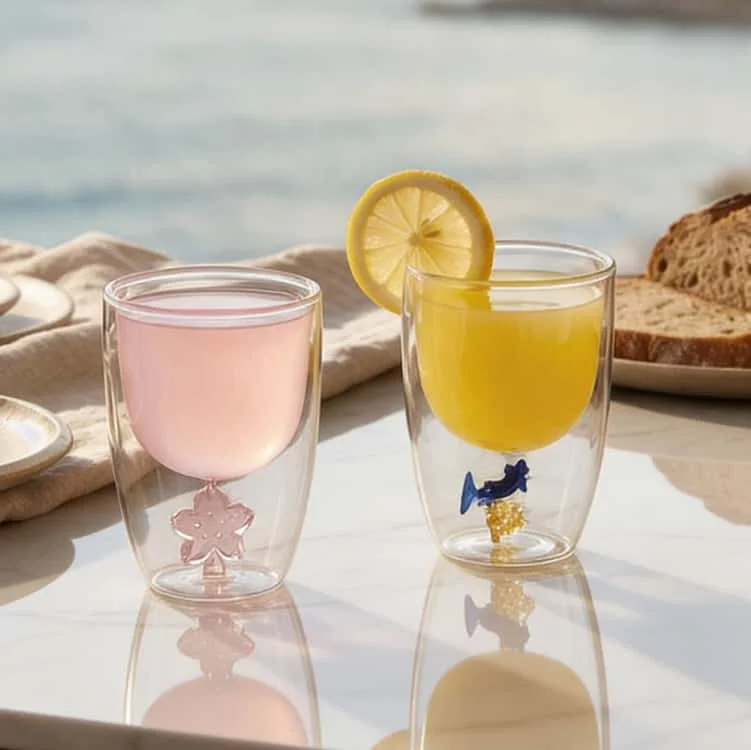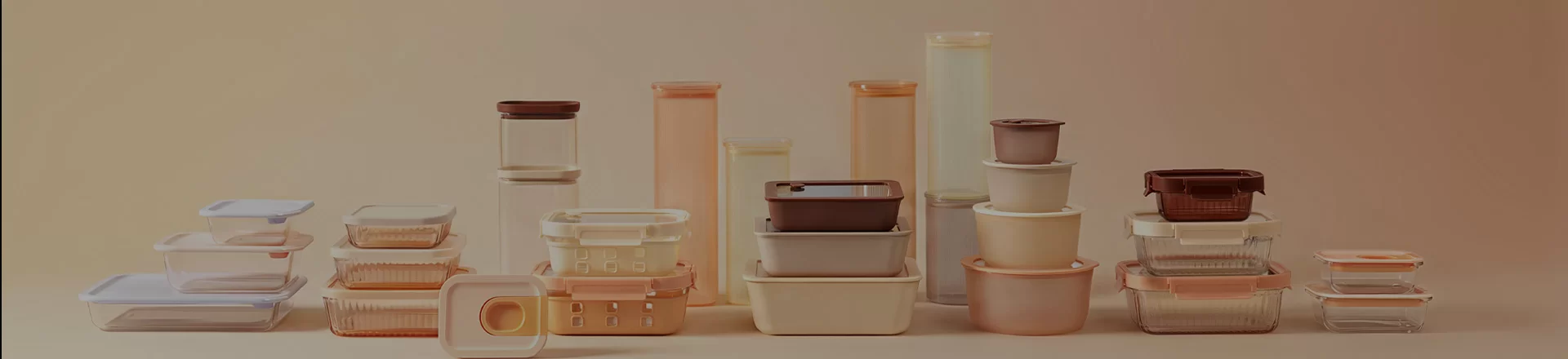
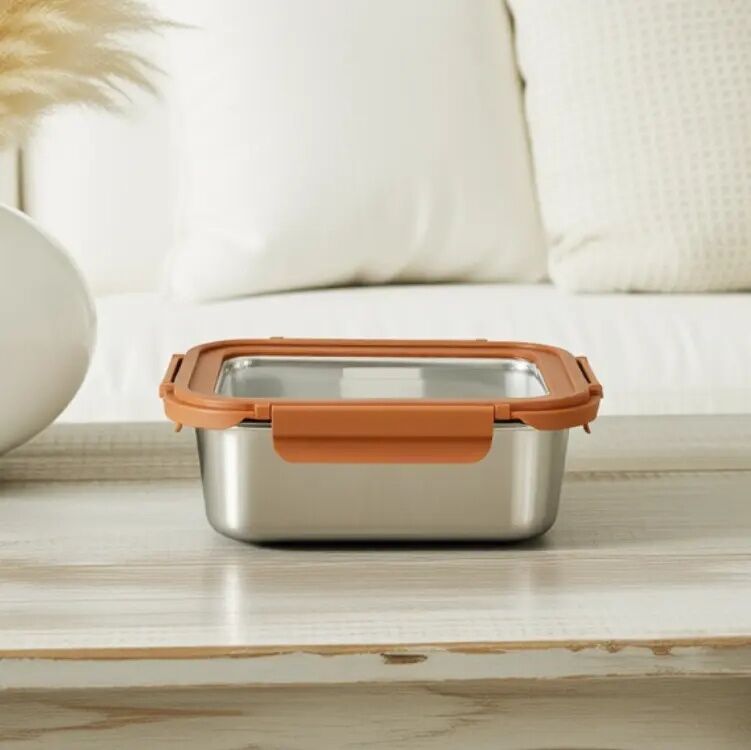
Premium Food Preservation Solutions: High-Borosilicate glass food storage container for Uganda

Integrating advanced thermal shock resistance and sustainable materials to meet the evolving culinary and preservation needs of the Ugandan market.

Premium Food Preservation Solutions: High-Borosilicate glass food storage container for Uganda

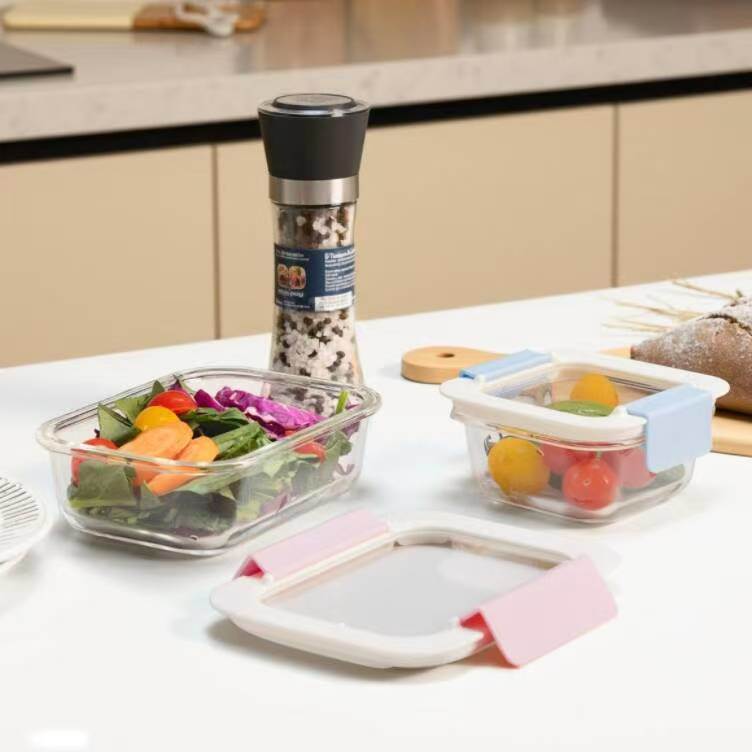
Our specialized range of glass and steel containment systems is engineered to handle the diverse climatic conditions of Uganda, ensuring food safety, longevity, and versatility from the kitchen to the table.

Current Landscape of Glassware Manufacturing in Uganda

Analyzing the intersection of traditional food storage and modern industrial glass requirements in East Africa.

In Uganda, the demand for durable food storage is driven by a combination of tropical humidity and a growing urban middle class in cities like Kampala. Traditional storage methods are rapidly being replaced by microwavable glass containers as consumers shift toward healthier, BPA-free alternatives that can withstand the rigors of daily reheating.

The local market faces a significant challenge with fragile, low-grade glass that often cracks under thermal stress. This has created a critical gap for professional-grade glass bakeware with lids, which allows Ugandan households and small catering businesses to transition seamlessly from oven-baked preparation to airtight storage.

Furthermore, the logistical constraints of the region require products that are not only functional but exceptionally robust. The integration of stainless steel food storage containers with lids alongside glass options provides a hybrid solution for outdoor markets and long-distance transport where maximum durability is non-negotiable.
Technical Evolution and Market Trajectory

From basic soda-lime glass to high-performance borosilicate engineering.

Market Development History

Prior to 2010, the Ugandan market was dominated by basic soda-lime glass containers which had poor thermal resistance and were prone to breaking during temperature fluctuations common in local cooking practices.

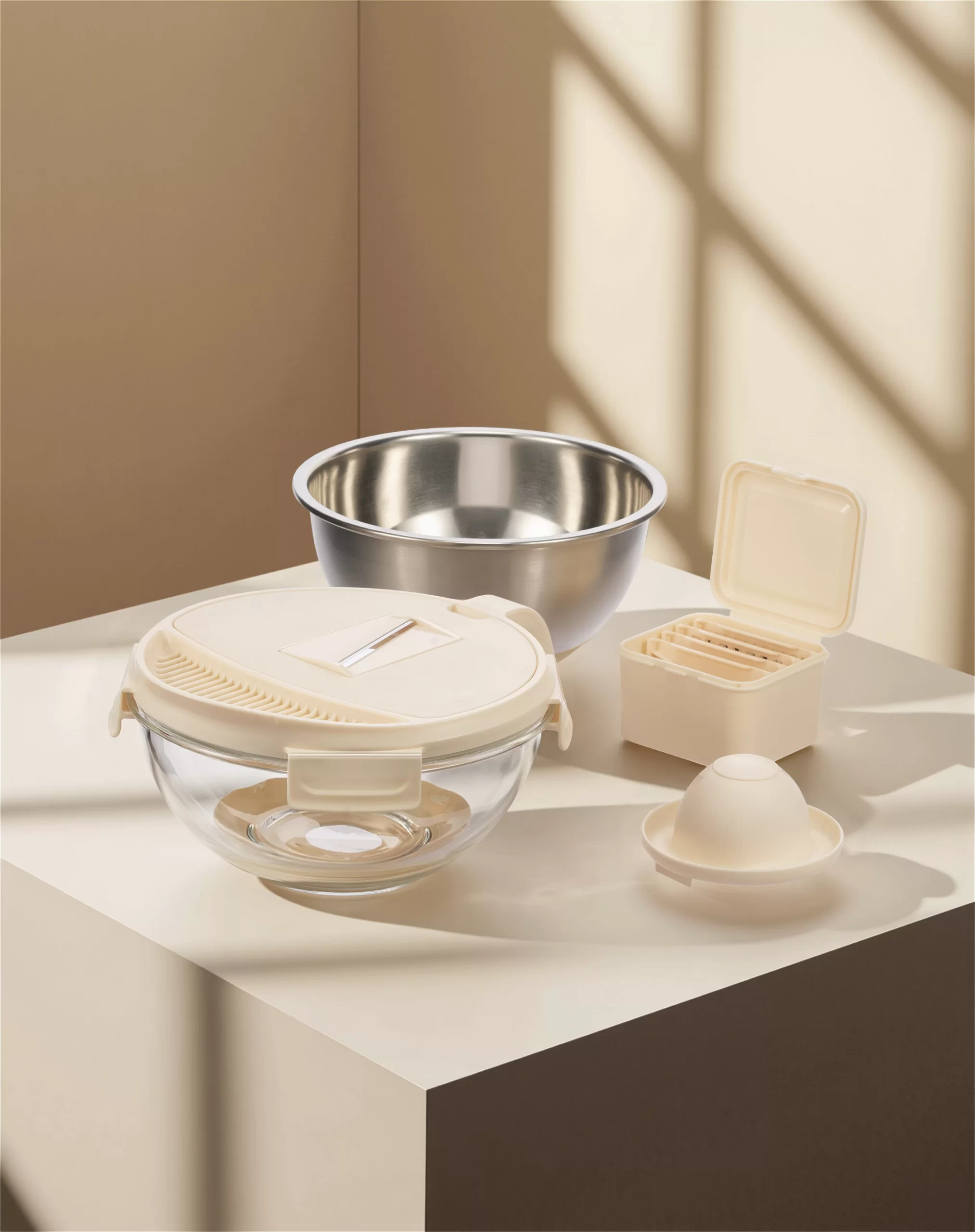
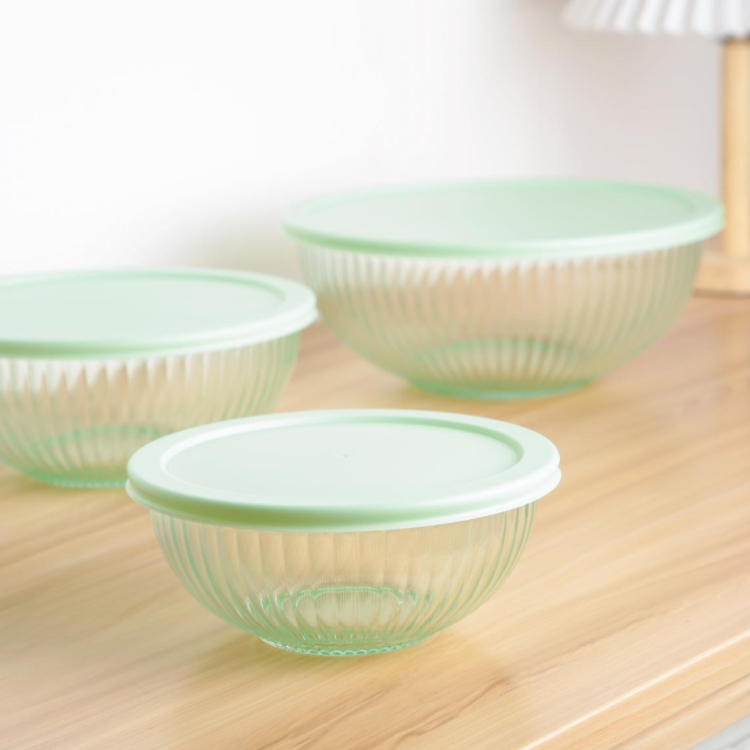
Between 2012 and 2020, there was a noticeable shift toward tempered glass and the introduction of the glass mixing bowl set, reflecting a move toward integrated kitchenware that supports both preparation and serving.

Since 2021, the focus has pivoted toward "Smart Storage," where high-borosilicate glass and vacuum-seal technology have become the gold standard for food safety and energy-efficient reheating in urban Ugandan hubs.

Future Development Trends

Eco-Friendly Material Fusion

We anticipate a surge in demand for hybrid sets combining borosilicate glass with sustainable bamboo or recycled polymer lids to align with Uganda's environmental conservation goals.

Thermal Shock Optimization

Future product iterations will focus on ultra-low expansion coefficients, allowing containers to move from freezer to oven without risk of fracturing.

Modular Space Management

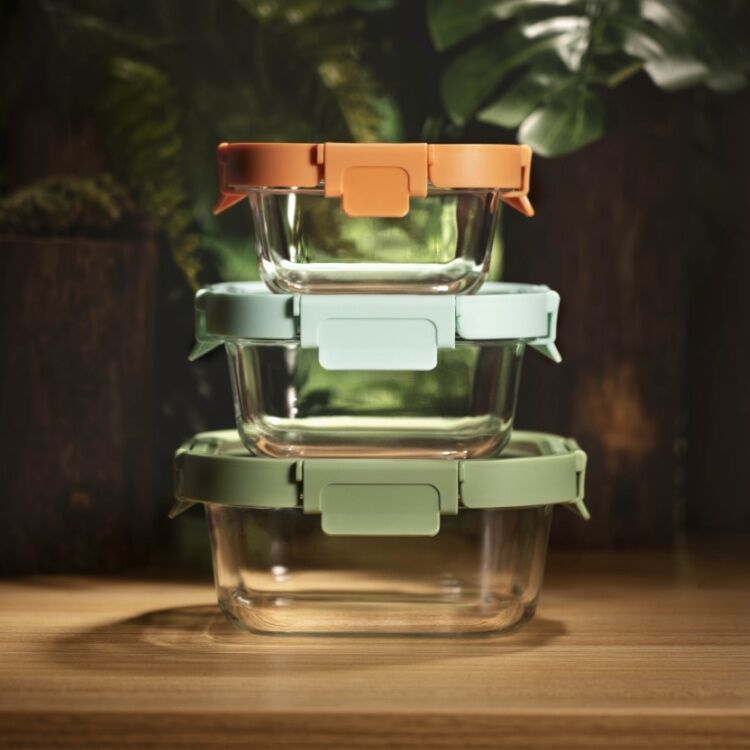
Design trends are moving toward stackable, modular geometries that maximize limited kitchen space in high-density urban residential areas.

Industry Outlook and Future Projections

Strategic forecasting for the non-metallic mineral products sector in East Africa.

Sustainable Material Transition
Rapid replacement of single-use plastics with reusable high-borosilicate glass across Ugandan food sectors.
Thermal Resilience Engineering
Development of glass structures capable of enduring extreme temperature swings in commercial kitchens.
E-commerce Logistics Integration
Optimizing protective packaging for fragile glass shipments across the East African corridor.
Health-Centric Design
Focusing on non-reactive surfaces that maintain the nutritional integrity of traditional Ugandan foods.

Industry Outlook

Based on current search trend data for "eco-friendly kitchenware" and "borosilicate glass" in the East African region, we project a 15% annual growth in the adoption of professional-grade storage solutions. The transition from plastics to glass is no longer just a trend but a regulatory and health-driven necessity.

We expect the market to consolidate around brands that can offer a complete ecosystem—combining cooking, storage, and serving in a single, durable material—reducing the need for multiple product transitions in the kitchen.

Localized Application Scenarios in Uganda

Practical implementations of our glass and steel solutions in everyday Ugandan contexts.

01. Urban Meal Prep for Kampala Professionals

Utilizing microwavable glass containers for weekly meal prepping, allowing office workers to store traditional Matooke dishes and reheat them safely in corporate environments.

02. Commercial Catering & Event Management

Deployment of large-scale glass mixing bowl set for preparing high-volume salads and appetizers for Kampala's growing hospitality sector.

03. High-Temperature Baking for Local Bakeries

Using industrial-strength glass bakeware with lids to ensure consistent heat distribution and airtight cooling for artisanal breads and pastries.

04. Long-Distance Food Transport

Leveraging stainless steel food storage containers with lids for transporting perishables between rural farms and urban markets, ensuring zero breakage and maximum hygiene.

05. Home-Based Food Entrepreneurship

Small-scale entrepreneurs using professional glass food storage container sets to package and sell homemade preserves, increasing perceived value and shelf life.

Brand Story

Global Development Journey of Shijiazhuang Yisite Intelligent Technology Co., Ltd.

Foundational Excellence

Started with a mission to eliminate the fragility of traditional glassware through advanced borosilicate research and development.

Technological Pivot

Integrated intelligent manufacturing processes to ensure micron-level precision in lid sealing and thermal stress distribution.

Global Expansion

Expanded our footprint into East Africa, tailoring our product durability to the specific logistical and climatic needs of Uganda.

Sustainability Leadership

Committed to reducing the global carbon footprint by replacing millions of single-use plastic containers with lifelong glass alternatives.

Future Vision

Striving to become the world's most trusted provider of intelligent, non-reactive food storage solutions for every household.

Common Questions Regarding Glassware in Uganda

Expert answers to the most frequent technical and usage queries from our Ugandan clients.

Are these microwavable glass containers safe for high-temperature reheating?

Yes, our borosilicate glass is engineered to withstand extreme thermal shock, making it far safer than soda-lime glass for microwave use in Ugandan homes.

How do stainless steel food storage containers with lids compare to glass for transport?

Stainless steel options are virtually unbreakable, making them ideal for the rugged transport conditions and outdoor markets found throughout Uganda.

Can the glass bakeware with lids be used directly in the oven?

Absolutely. The glass body is oven-safe; however, we recommend removing the lids before placing them in the oven unless specified as heat-resistant.

What is the benefit of a glass mixing bowl set over plastic alternatives?

Glass is non-porous and non-reactive, meaning it won't absorb odors or stains from strong local spices and oils used in Ugandan cuisine.

How do I ensure a leak-proof seal with my glass food storage container?

Our containers feature precision-engineered silicone gaskets that create an airtight seal, preventing leakage even during bumpy transit in urban traffic.

Are these products compatible with dishwasher and freezer use?

Yes, the materials used are designed for full versatility, moving from the freezer to the dishwasher without compromising structural integrity.

Ready to Upgrade Your Food Storage?

Contact our expert team today for bulk wholesale opportunities and customized glass solutions tailored for Uganda.

Contact Us Now

If you are interested in our products, you can choose to leave your information here, and we will be in touch with you shortly.