Premium French Culinary Storage: High-Borosilicate glass bakeware with lids Solutions

Integrating advanced thermal resistance and French aesthetic standards for the modern European kitchen.

Current Landscape of Glassware Manufacturing in France

Analyzing the shift toward eco-conscious food preservation in the European market.

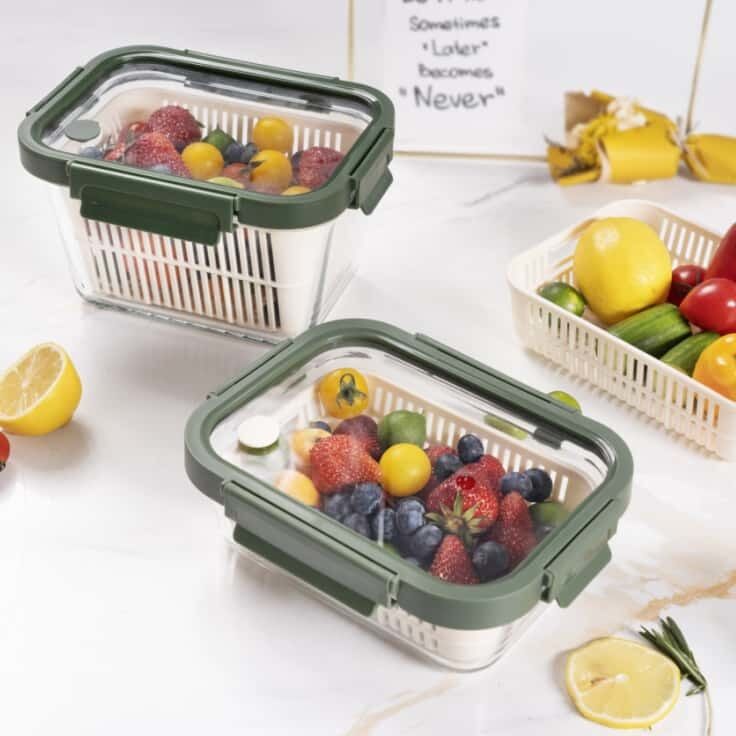
In France, the tradition of culinary excellence meets a strict regulatory environment regarding food safety and sustainability. The market is currently witnessing a massive transition away from single-use plastics toward reusable glass food storage container options, driven by both government legislation and a cultural preference for "zero-waste" lifestyles in urban centers like Paris and Lyon.

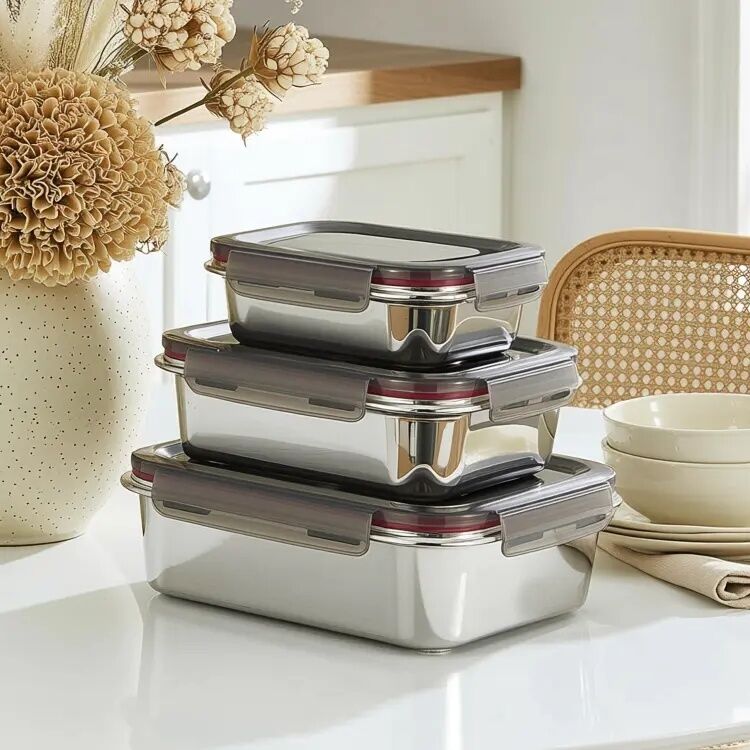
Economically, the French market demands a balance between artisanal aesthetics and industrial durability. Consumers are increasingly seeking stainless steel food storage containers with lids for their lightweight portability and lifelong durability, reflecting a pragmatic approach to meal prepping for the professional workforce.

Climate factors, specifically the variation between humid coastal regions and continental interiors, require materials that resist corrosion and thermal shock. This has solidified the dominance of high-borosilicate glass in the region, ensuring that containers remain stable during the rapid temperature shifts common in professional French kitchens.
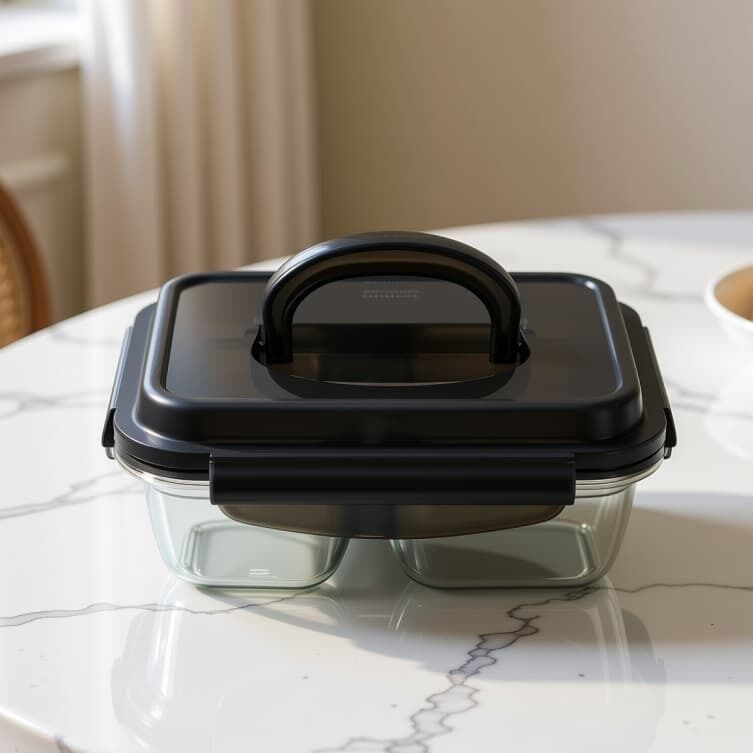
Evolution of Food-Grade Glassware Technology

From traditional soda-lime glass to advanced thermal-shock resistant borosilicate systems.

Market Development History

Prior to the 1990s, the French market relied heavily on soda-lime glass, which offered basic storage but lacked versatility in temperature changes. The focus was purely on preservation rather than multi-functional utility.

From 2000 to 2015, the industry shifted toward the mass adoption of borosilicate glass. This allowed for the rise of microwavable glass containers, enabling users to transition seamlessly from the refrigerator to the microwave, a key requirement for the evolving European fast-paced lifestyle.

Between 2016 and the present, technology has evolved toward "hybrid systems." The integration of airtight silicone seals and the development of professional glass mixing bowl set configurations have turned simple storage into essential culinary tools.

Future Development Trends

Smart-Glass Integration

Integration of QR-coded lids for inventory tracking and freshness monitoring via smartphone apps, aligning with the digital transformation of French smart homes.

Hyper-Sustainability

Transitioning to 100% recycled cullet without compromising the structural integrity of high-temperature bakeware to meet EU Circular Economy goals.

Advanced Thermal Coating

Development of nano-coatings that further reduce the weight of glass while increasing its impact resistance, bridging the gap between glass and steel.

Industry Forecast & Strategic Outlook

Predicting the trajectory of non-metallic mineral products in the French market.

Plastic-Free Mandates
Increasing EU regulations against PFAS and plastics are driving a 15% annual growth in glass-based storage alternatives.
Thermal Versatility
Demand for products that move from -20°C freezer to 400°C oven without fracture is now a baseline market requirement.
Health-Centricity
Non-reactive materials are preferred to avoid chemical leaching, especially for the acidic components of French cuisine.
Modular Design
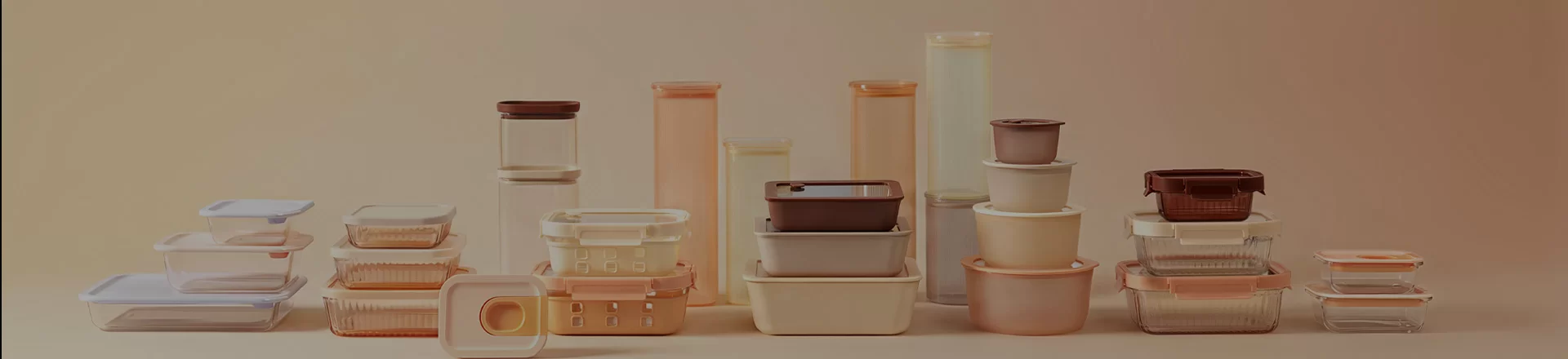
Shift toward stackable, space-saving designs to accommodate smaller urban living spaces in French cities.

Industry Outlook

Over the next 3-5 years, the glass manufacturing sector in France will move toward "intelligent materials." Google search trends indicate a spike in queries for "non-toxic food storage" and "sustainable kitchenware," suggesting that consumers are no longer just buying a product, but an environmental statement.

The convergence of the non-metallic mineral industry with biotech is expected to produce self-cleaning or antimicrobial glass surfaces, reducing the reliance on chemical detergents and enhancing the longevity of the products.

Localized Application Scenarios in France

Tailored usage cases for the diverse needs of French households and businesses.

1. Parisian "Meal Prep" Culture

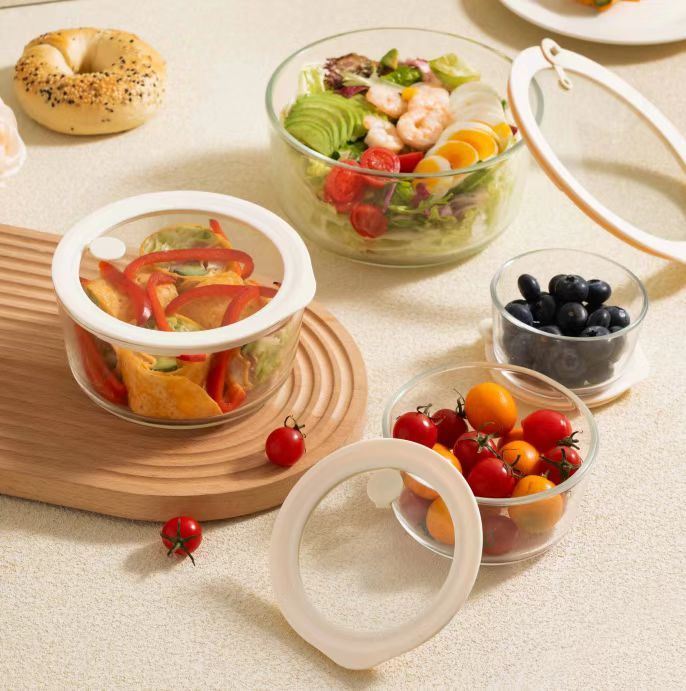
Young professionals in Paris utilize microwavable glass containers to prepare healthy, homemade lunches on Sundays, ensuring food safety and reheating quality in office microwave stations.

2. Provençal Family Gastronomy

In southern France, large-scale cooking of traditional ratatouille requires high-capacity glass bakeware with lids that can move from the oven to the dining table for an elegant presentation.

3. Gourmet Patisserie Preparation

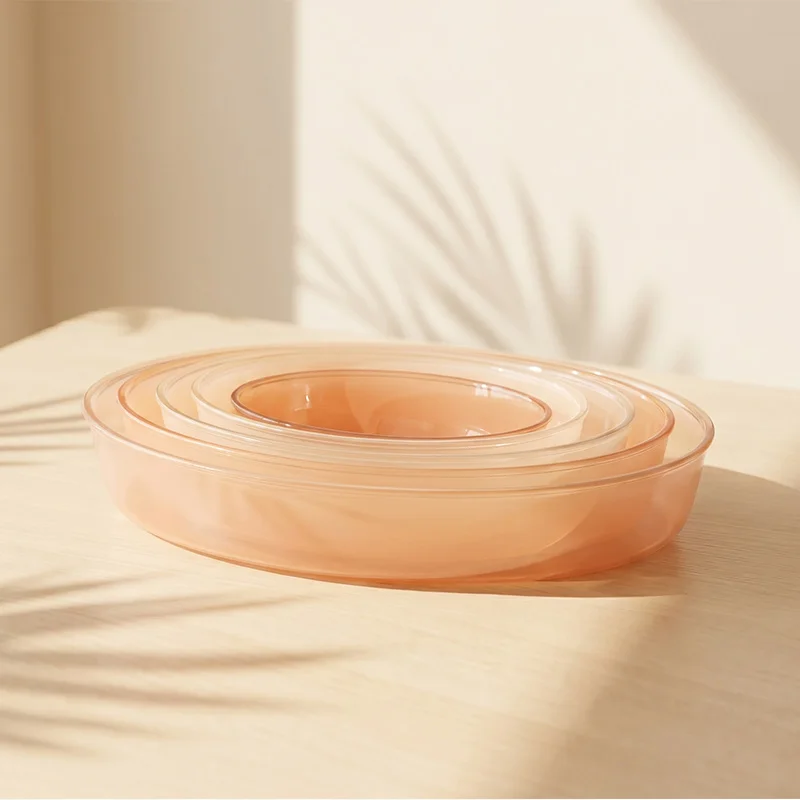
Professional pastry chefs use a high-precision glass mixing bowl set for folding delicate meringues and macarons, where transparency is vital for monitoring texture and aeration.

4. Outdoor Alpine Excursions

For hikers in the French Alps, stainless steel food storage containers with lids provide the necessary impact resistance and weight efficiency for transporting snacks across rugged terrain.

5. Rural Farm-to-Table Storage

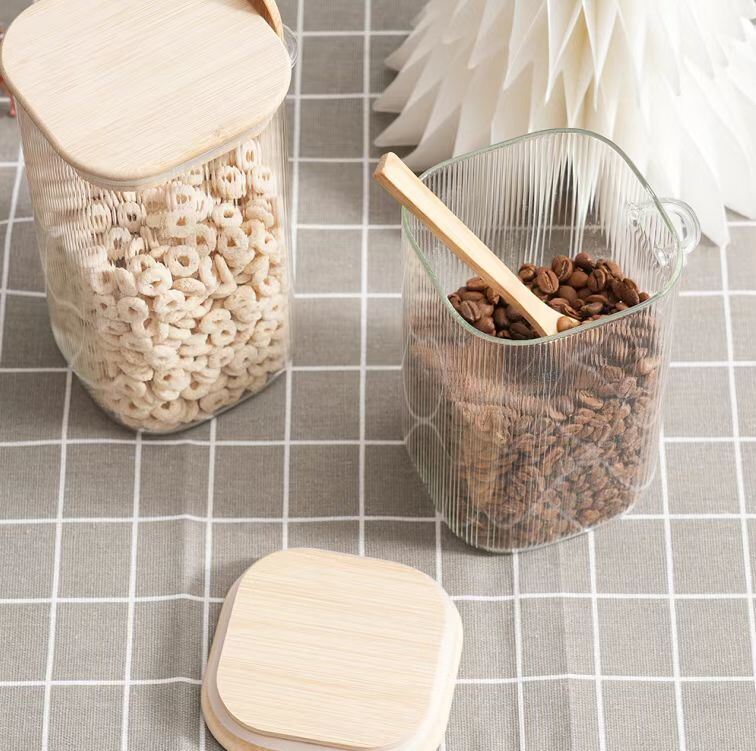
In agricultural regions, producers use bulk glass food storage container systems to preserve seasonal harvests and homemade preserves, utilizing the natural airtight seal to maintain organic quality.

Brand Story

Global Development Journey of Shijiazhuang Isst Intelligent Technology Co., Ltd.

Foundational Precision

Established with a vision to redefine glass durability, we began by solving the critical failure point of thermal shock in household cookware.

Material Innovation

We developed a proprietary borosilicate refining process that increased transparency and strength, meeting the highest European safety standards.

Global Market Expansion

Expanding into France and the EU, we adapted our designs to match the ergonomic and aesthetic preferences of European gourmet kitchens.

Eco-System Integration

We pivoted toward a circular economy model, implementing recycled glass initiatives and plastic-free packaging for our global shipping lines.

The Future of Smart Storage

Today, we combine traditional glass craftsmanship with intelligent design, providing sustainable solutions for the modern global kitchen.

Common Questions from Our French Clients

Expert answers regarding the use and maintenance of premium glass and steel containers.

Are these microwavable glass containers safe for high-temperature reheating?

Yes, our borosilicate glass is specifically engineered to withstand rapid temperature changes, making them ideal for microwave use without the risk of cracking.

How do stainless steel food storage containers with lids compare to glass for portability?

Stainless steel is significantly lighter and more impact-resistant, making it the preferred choice for outdoor activities, while glass is better for oven-to-table use.

Can the glass bakeware with lids be used in a traditional French oven?

Absolutely. Our bakeware is designed for high-heat tolerance. However, we recommend removing the lids if they are not made of heat-resistant glass/silicone before placing them in the oven.

Is the glass mixing bowl set suitable for whisking acidic ingredients like lemon or vinegar?

Yes, high-borosilicate glass is non-reactive, meaning it will not leach chemicals or change the flavor of your food, regardless of the acidity level.

How should I maintain a glass food storage container to ensure long-term clarity?

We recommend using non-abrasive sponges and mild detergents. Our glass is dishwasher safe, which helps maintain a hygienic and clear surface.

Are the lids on your storage containers BPA-free and leak-proof?

Yes, all our lids utilize food-grade, BPA-free silicone seals that provide an airtight lock, preventing leaks and extending the freshness of your meals.

Request a Professional Consultation

Partner with the leading glass manufacturing experts to optimize your kitchenware supply chain in France.

Contact Us Now

If you are interested in our products, you can choose to leave your information here, and we will be in touch with you shortly.