Premium Glass Bakeware with Lids for Danish Culinary Standards

Engineering high-borosilicate excellence for the modern Denmark kitchen, blending Scandinavian minimalism with industrial-grade durability.

Premium Glass Bakeware with Lids for Danish Culinary Standards

Providing high-performance glass bakeware with lids and specialized storage solutions that meet the rigorous thermal and aesthetic demands of the Northern European market.

The State of Glassware Manufacturing in Denmark

Analyzing the intersection of sustainability and functional design in the Danish market.

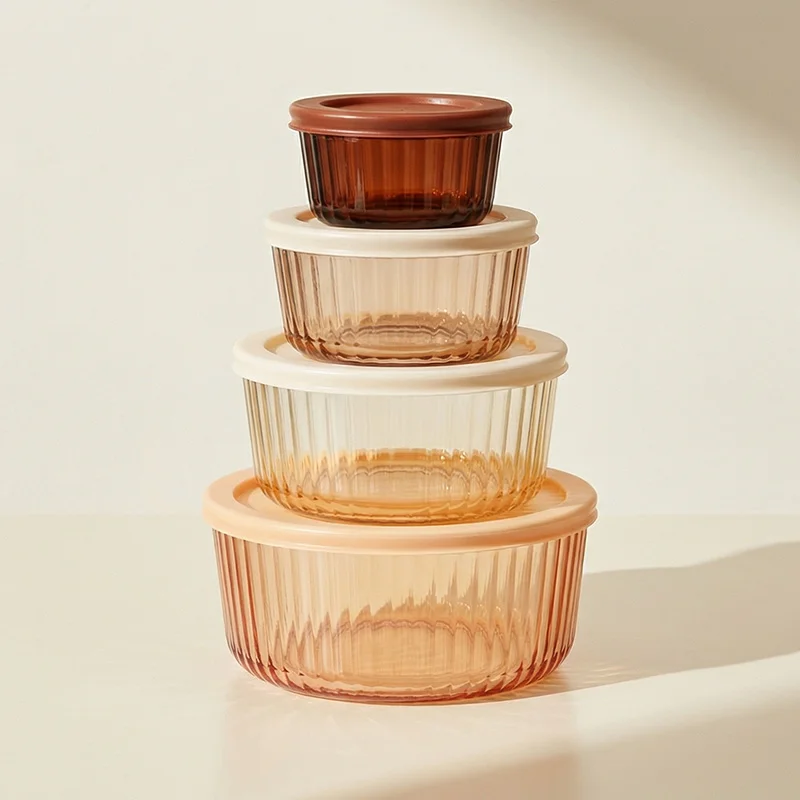
In Denmark, the demand for glass food storage container solutions is driven by a deep-rooted cultural commitment to "Bæredygtighed" (sustainability). The Danish consumer prioritizes non-toxic, recyclable materials over single-use plastics, pushing the manufacturing sector toward high-borosilicate glass that withstands extreme temperature fluctuations common in Nordic climates.

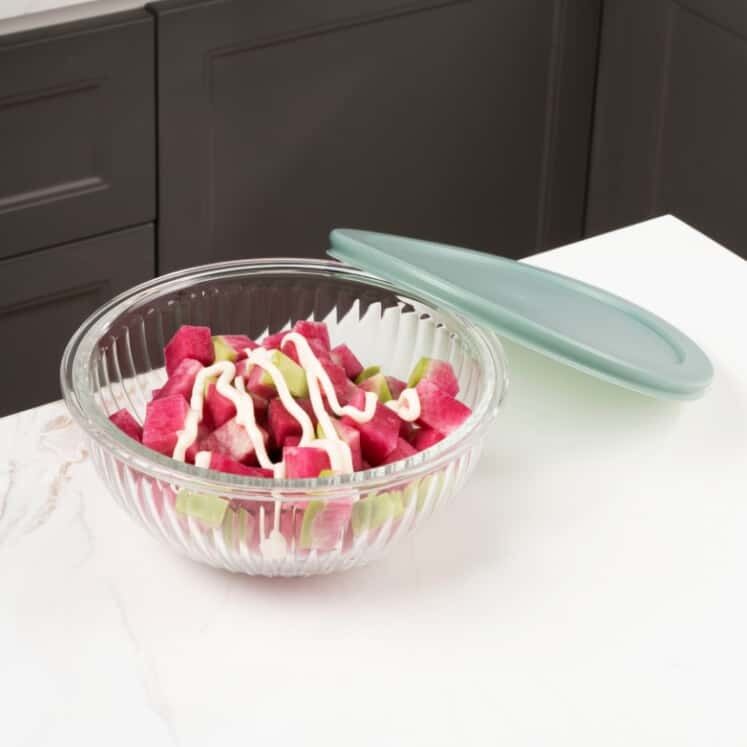
The market currently sees a high penetration of minimalist designs. Whether it is a glass mixing bowl set used in professional Copenhagen bakeries or home kitchens in Aarhus, the emphasis is on multifunctionality—products must transition seamlessly from preparation to oven and then to the dining table.

Economically, the region's high labor costs have shifted the focus toward automated, precision-engineered glass production. There is a growing niche for hybrid solutions, such as stainless steel food storage containers with lids, which offer a lightweight alternative for the active, outdoor-oriented Danish lifestyle while maintaining food safety standards.
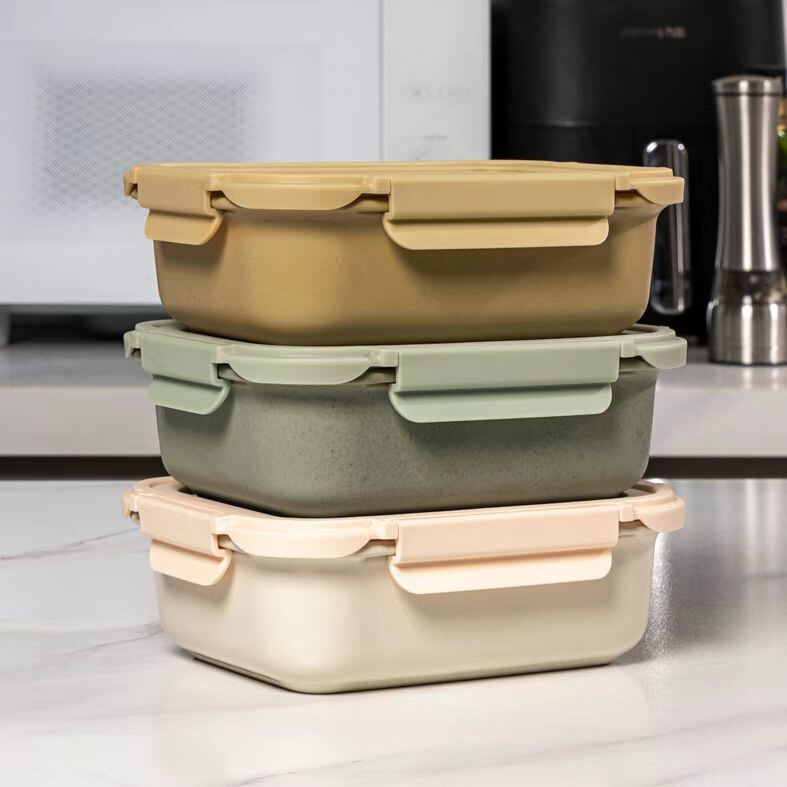
Evolution of Glassware Technology in Europe

From traditional soda-lime glass to advanced thermal-shock resistant materials.

Market Development History

Prior to the 1990s, the Danish market relied heavily on traditional soda-lime glass, which was prone to cracking under rapid temperature changes. The focus was purely on storage rather than active cooking.

Between 2000 and 2015, the introduction of advanced borosilicate tempering allowed for the rise of microwavable glass containers. This era marked a shift toward "fast-healthy" eating, aligning with the busy urban lifestyles of Danish professionals.

From 2016 to the present, the industry has integrated airtight silicone sealing and ergonomic lid designs. The focus has evolved from basic containment to "smart storage," where glass is engineered for vacuum-sealing and long-term nutrient preservation.

Future Development Trends

Eco-Polymer Integration

Future lids will move away from traditional plastics toward bio-based polymers that are fully compostable, complementing the purity of the glass body.

Enhanced Thermal Conductivity

R&D is focusing on glass compositions that distribute heat more evenly, reducing "hot spots" in oven-to-table bakeware.

Modular Stackability

Following the "Hygge" philosophy of organized living, future sets will feature precision-engineered interlocking bases for maximum space efficiency in small city apartments.

Industry Trends and Future Outlook

Driving innovation in non-metallic mineral products for the Northern European sector.

Carbon-Neutral Production
Implementing electric furnaces and hydrogen-based heating to reach net-zero glass manufacturing by 2030.
Hyper-Durable Glass
Applying advanced ion-exchange strengthening to reduce breakage rates in commercial kitchen environments.
Smart-Lid Technology
Integration of freshness-indicating sensors within lids to reduce food waste in Danish households.
Circular Economy Logistics
Developing a closed-loop system for the collection and recycling of industrial glass waste.

Industry Outlook

Based on Google search trends in Denmark, there is a 25% year-over-year increase in queries related to "plastic-free kitchenware." This indicates a permanent shift toward glass and stainless steel, ensuring long-term growth for manufacturers who prioritize non-toxic materials.

The future of the industry lies in the synergy between aesthetic minimalism and extreme functionality. We expect a rise in bespoke glass solutions designed specifically for the unique meal-prepping habits of Northern Europeans.

Localized Application Scenarios in Denmark

Practical implementations of professional glass solutions in Danish daily life.

1. Copenhagen Urban Meal Prep

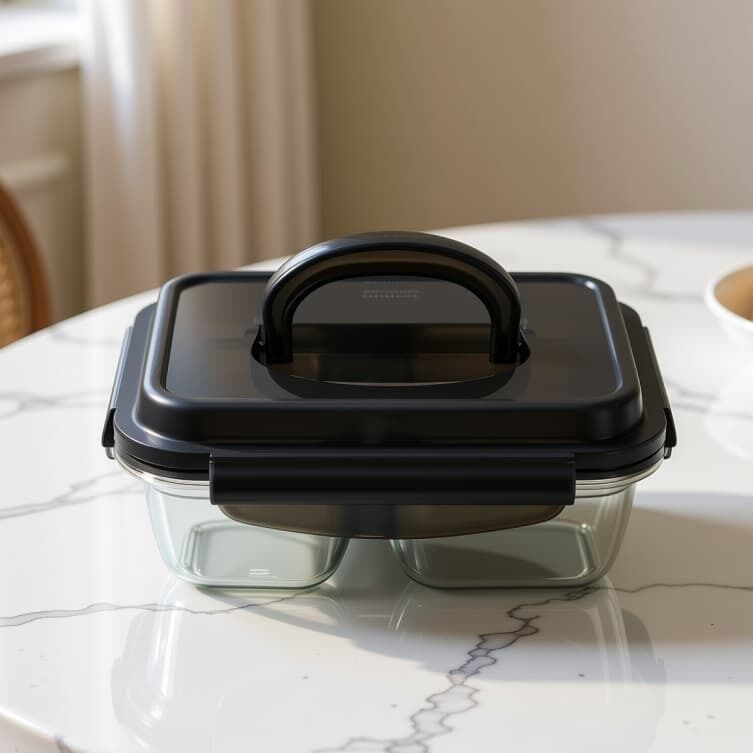
Using microwavable glass containers for weekly "Madpakke" (lunchbox) preparation, ensuring health and hygiene for office workers in the city center.

2. Traditional Danish Baking (Smørrebrød Prep)

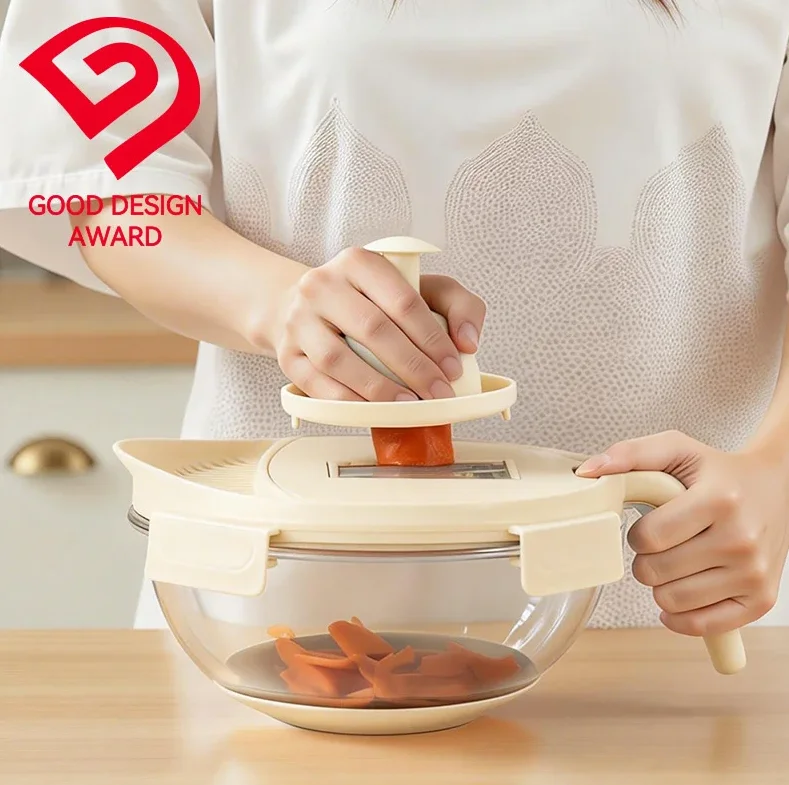
Utilizing a high-precision glass mixing bowl set for preparing traditional rye bread toppings and salads with high accuracy.

3. Nordic Winter Slow-Cooking

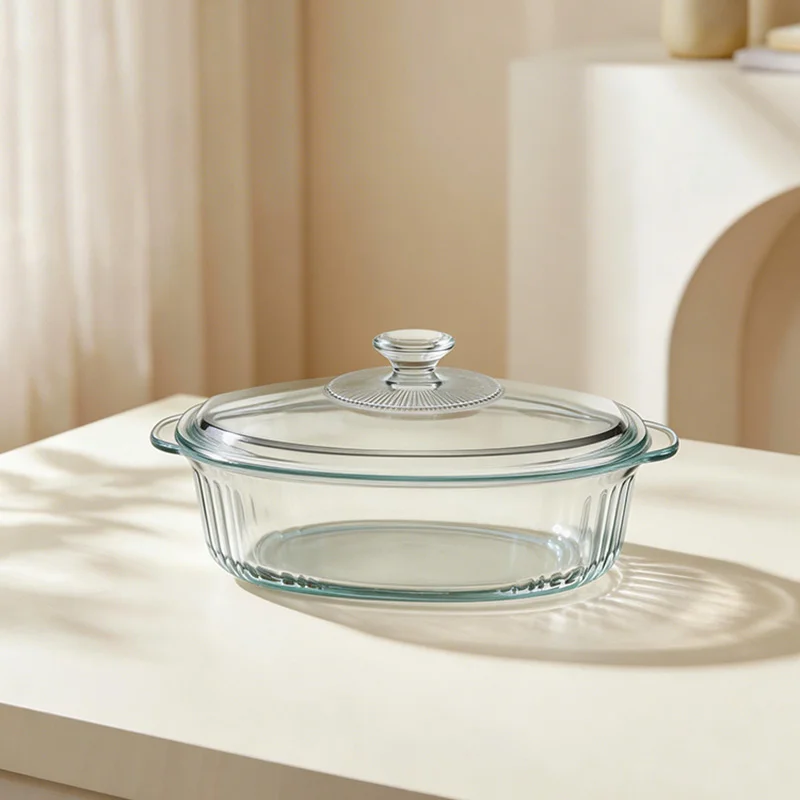
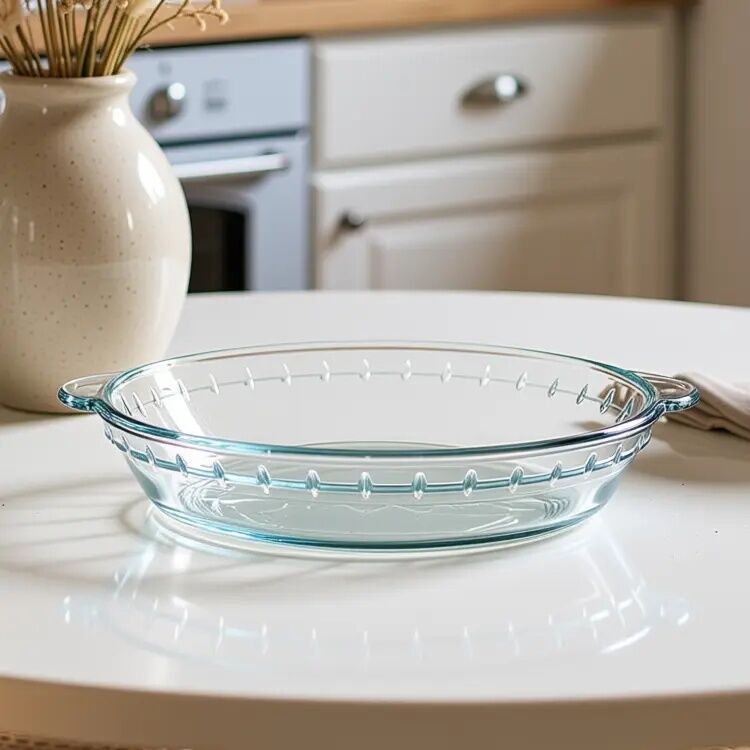
Employing heavy-duty glass bakeware with lids for slow-roasting root vegetables in energy-efficient convection ovens during winter months.

4. Outdoor Hygge Picnics

Leveraging stainless steel food storage containers with lids for durability and weight reduction during excursions to the Danish coast or forests.

5. Sustainable Home Pantry Organization

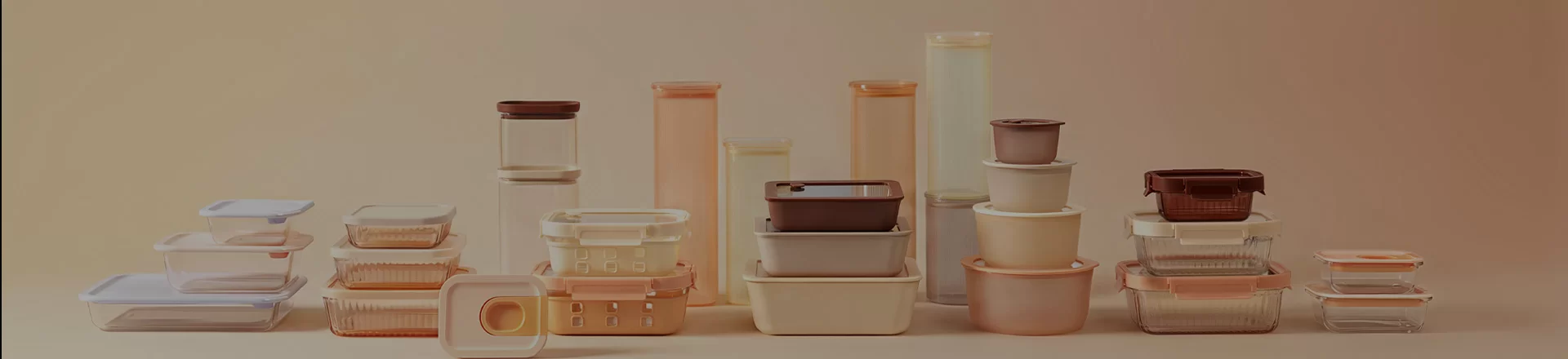
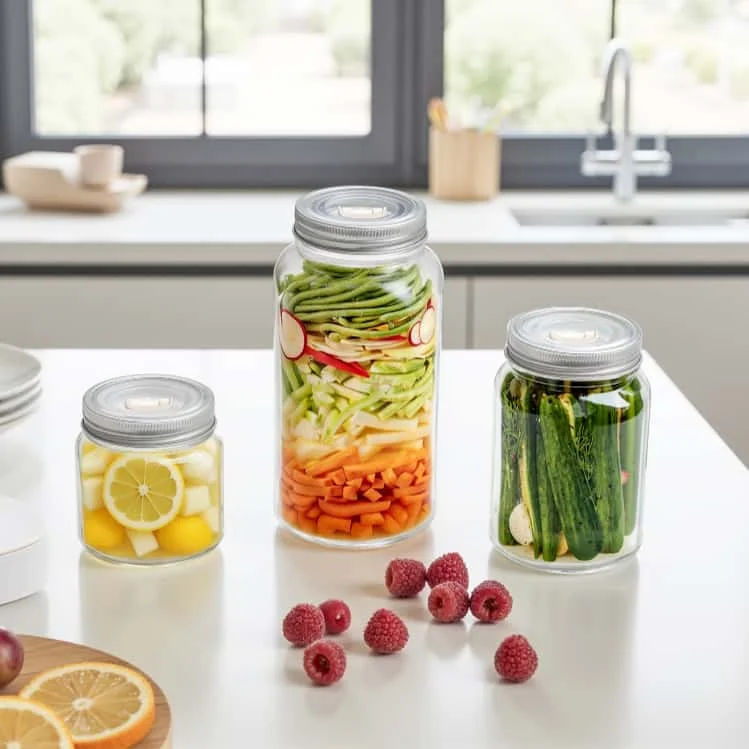
Implementing a standardized system of glass food storage container units to reduce food waste and maintain a visually clean, Scandinavian-style pantry.

Brand Story

Global Development History of Shijiazhuang East Intelligent Technology Co., Ltd.

Foundational Engineering

Established with a vision to solve the fragility of common glass, we focused on perfecting the borosilicate tempering process for industrial use.

Market Expansion

We expanded into the European market, adapting our designs to meet the stringent safety and environmental regulations of the EU.

Technological Pivot

Integrated intelligent automation in the molding process, drastically reducing impurities and enhancing the clarity of our glass products.

Sustainability Initiative

Launched a green-manufacturing line that reduces energy consumption by 20% per unit, aligning with the global push for eco-friendly production.

Global Leadership

Now a trusted partner for Nordic retailers, providing a seamless blend of durability and elegance in every glass piece.

Frequently Asked Questions in Denmark

Expert answers to the most common technical queries from our Nordic clients.

Are microwavable glass containers safe for high-temperature Danish ovens?

Yes, our borosilicate glass is designed to withstand rapid temperature shifts, making it safe for both microwave and oven use, provided you avoid extreme thermal shock (e.g., moving from freezer to preheated oven).

How do stainless steel food storage containers with lids compare to glass for outdoor use?

Stainless steel provides superior impact resistance and lighter weight, making it ideal for hiking or commuting, whereas glass is preferred for reheating and long-term food preservation.

Can the lids on glass bakeware with lids be used in the microwave?

Our lids are made from BPA-free, heat-resistant materials. However, we recommend venting the lid slightly during microwave use to prevent pressure buildup.

What is the benefit of a glass mixing bowl set over plastic alternatives?

Glass is non-porous, meaning it does not absorb odors or stains from ingredients, and it is chemically inert, ensuring no toxins leach into your food.

Is the glass food storage container line dishwasher safe?

Absolutely. Both the glass bodies and the silicone seals are designed for high-temperature dishwasher cycles without degrading.

How do I maintain the airtight seal of my storage containers?

Ensure the rim of the glass is clean and dry before closing. For long-term maintenance, avoid using abrasive scrubbers on the silicone gaskets.

Start Your Sustainable Transition Today

Partner with the leading glass manufacturing experts for your business needs in Denmark.

Contact Us Now

If you are interested in our products, you can choose to leave your information here, and we will be in touch with you shortly.