Premium Glass Bakeware with Lids Solutions for Ecuador's Culinary Market

Integrating advanced borosilicate technology to meet the diverse food storage and baking needs of the Ecuadorian hospitality and home sectors.

Premium Glass Bakeware with Lids Solutions for Ecuador's Culinary Market

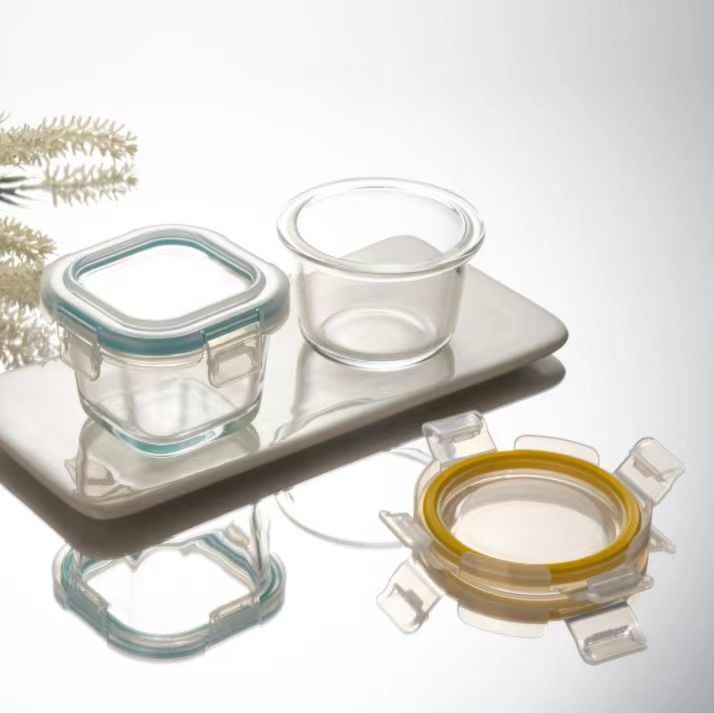
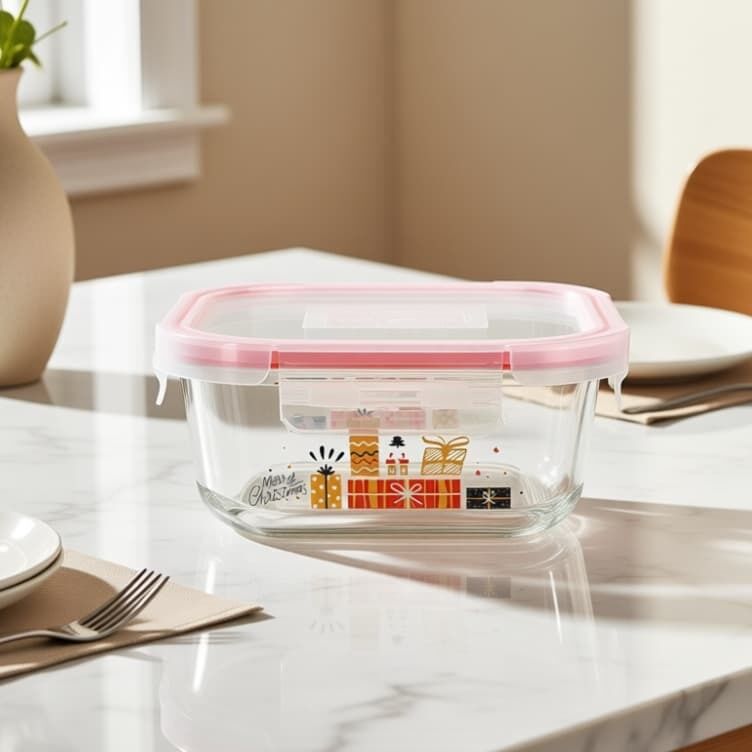
We provide high-durability glass bakeware with lids designed for thermal shock resistance, ensuring safety and freshness for Ecuador's rich gastronomic traditions.

The Landscape of Glassware Manufacturing in Ecuador

Analyzing the demand for sustainable food storage in South America's equatorial hub.

In Ecuador, the glass manufacturing sector is currently shifting from traditional soda-lime glass to high-performance borosilicate materials. This transition is driven by the local climate's humidity and the growing urban demand in cities like Quito and Guayaquil for microwavable glass containers that can withstand rapid temperature changes.

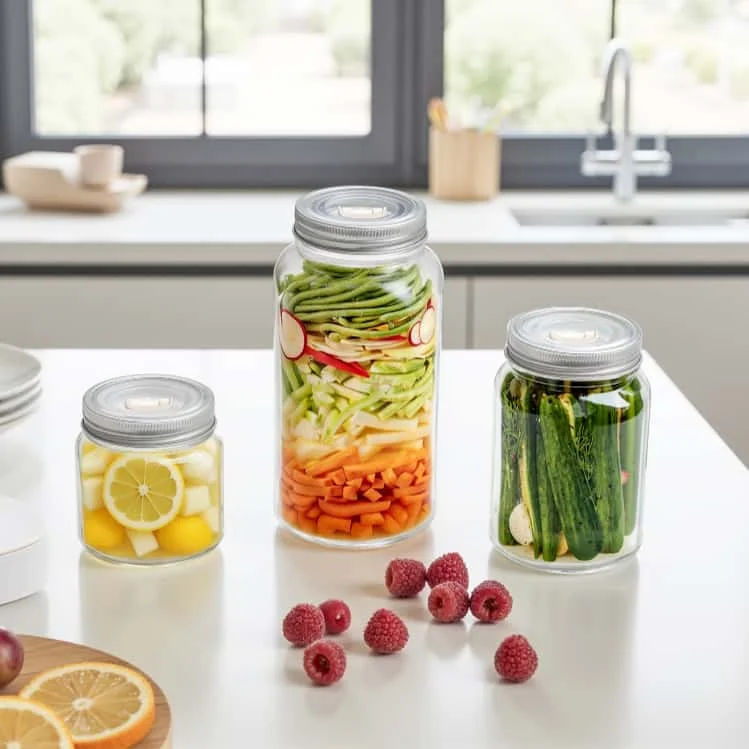
The economic landscape shows a rising preference for eco-friendly alternatives to plastic. As Ecuadorian consumers become more health-conscious, there is a significant surge in the adoption of glass food storage container options, which are perceived as safer for preserving organic produce from the Andean highlands.

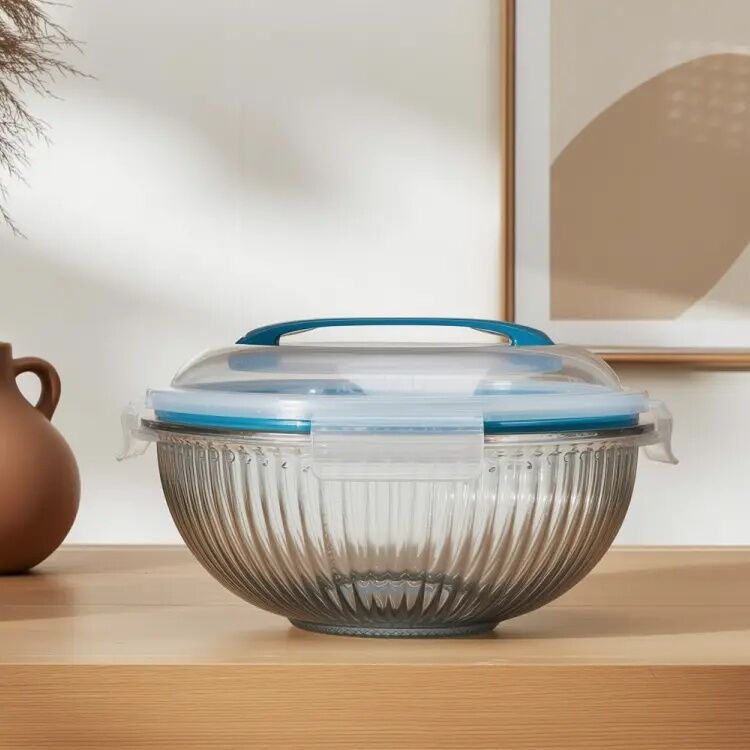
However, the market still faces challenges regarding the distribution of specialized equipment. There is a clear gap in the availability of professional-grade glass mixing bowl set products, creating a lucrative opportunity for manufacturers who can offer both durability and aesthetic appeal.
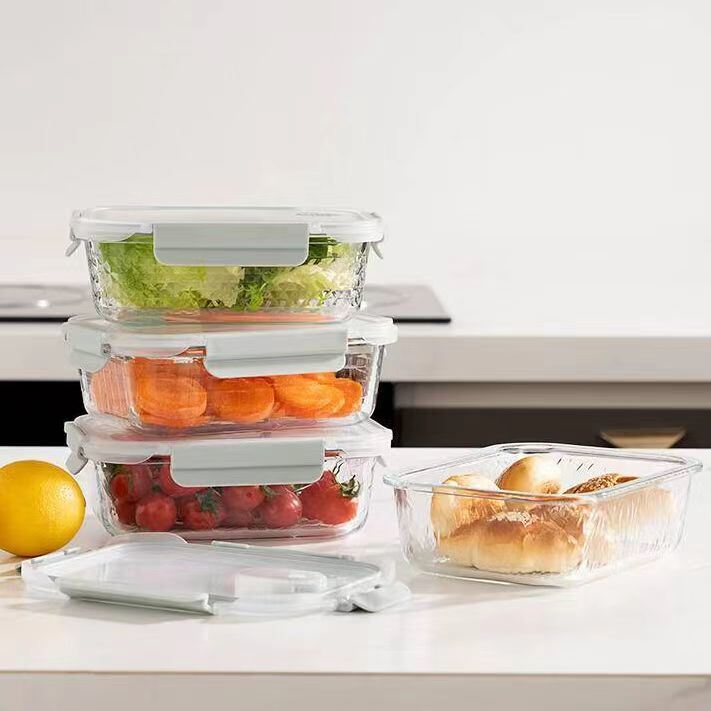
Evolution and Trajectory of Food Storage Tech

From traditional earthenware to smart borosilicate glass solutions.

Market Development History

During the late 20th century, Ecuadorian kitchens relied heavily on ceramic and basic glass. By 2010, the introduction of tempered glass began to replace fragile alternatives, allowing for the first wave of mass-market stainless steel food storage containers with lids and basic glass jars.

Between 2015 and 2020, the industry witnessed a "Material Revolution." The shift toward borosilicate glass enabled the creation of oven-to-tableware, reducing the need for multiple vessels and improving energy efficiency in local kitchens.

Since 2021, the focus has pivoted toward "Hermetic Sealing Technology." The integration of silicone-grade lids with glass has minimized food waste, a critical factor for the Ecuadorian agricultural export-driven economy.

Future Development Trends

Smart Thermal Integration

Integration of phase-change materials within glass walls to maintain temperature for longer periods during transport in varied Ecuadorian altitudes.

Bio-Polymer Lid Hybridization

Moving beyond standard plastics to biodegradable lids for all glass storage sets to meet strict South American environmental regulations.

Modular Space Optimization

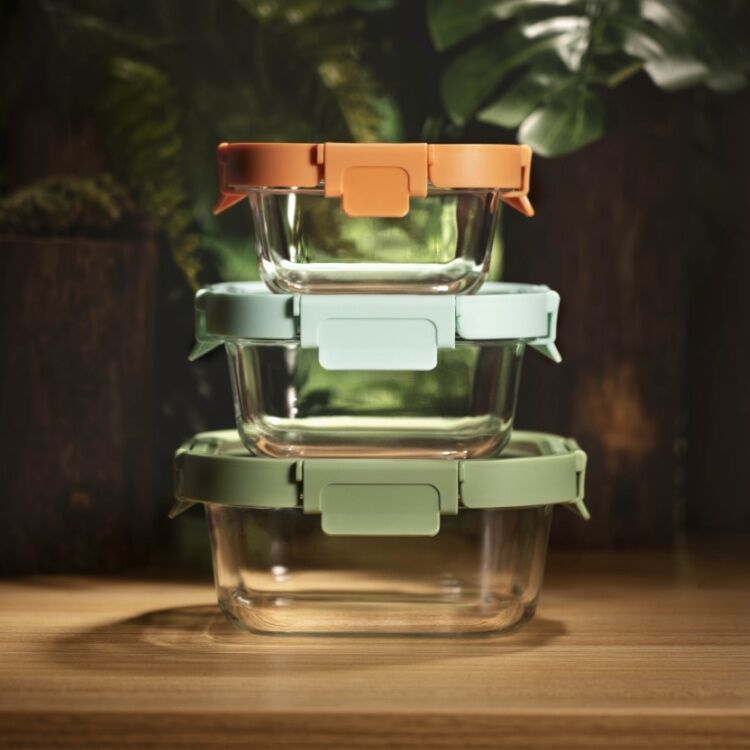
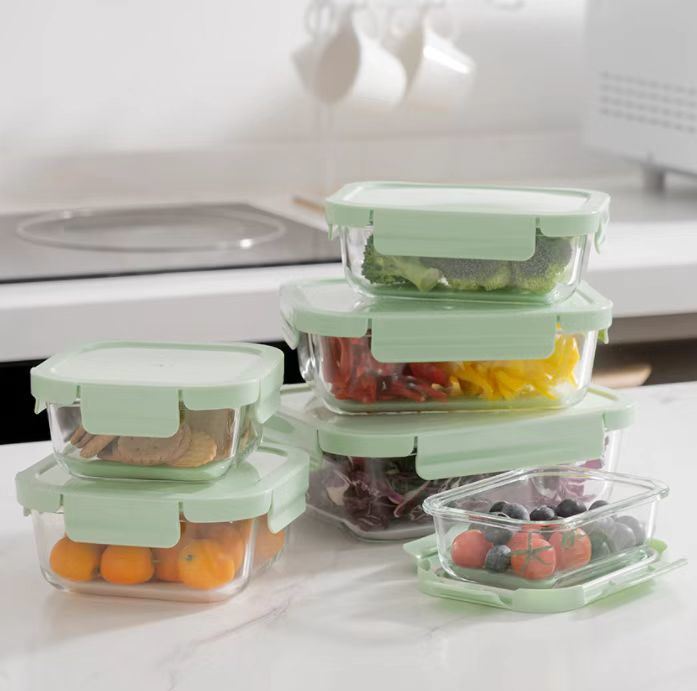
Design shift toward stackable, nesting architectures to accommodate the compact urban living spaces in growing metropolitan areas.

Industry Trends and Future Outlook

Projecting the next 5 years of glass manufacturing innovation.

Sustainable Material Sourcing
Implementing recycled cullet to reduce carbon footprints in the production of glass containers.
Advanced Thermal Resistance
Developing glass with higher tolerance for extreme temperature swings found in Andean cooking.
E-commerce Logistics Sync
Optimizing packaging for safer transit across the rugged Ecuadorian terrain to reduce breakage.
Health-Centric Design
Focusing on non-porous surfaces that prevent bacterial growth in tropical humidity.

Industry Outlook

Based on Google search trends, queries for "sustainable kitchenware" in Ecuador have grown by 25% annually. This indicates a strong transition toward reusable glass systems over single-use plastics, especially in the urban middle class.

We anticipate that within 3-5 years, the integration of smart-tracking lids (QR/NFC) will become common, allowing Ecuadorian households to track expiration dates of stored food via mobile apps, further reducing waste.

Localized Application Scenarios in Ecuador

Practical use-cases for our glass and steel storage solutions across different regions.

1. Coastal Seafood Preservation in Guayaquil

Using glass food storage container sets to preserve fresh ceviche ingredients, preventing odor transfer and maintaining flavor in high-humidity coastal environments.

2. High-Altitude Meal Prep in Quito

Utilizing microwavable glass containers for healthy meal prepping, allowing professionals to heat meals safely in offices while resisting the pressure changes of the Andes.

3. Traditional Andean Baking

Applying glass bakeware with lids for traditional desserts like Humitas, allowing for oven-baking and immediate airtight storage for freshness.

4. Gourmet Restaurant Mise en Place

Implementing a professional glass mixing bowl set in Quito's fine-dining sector for precise ingredient preparation and transparent refrigeration storage.

5. Eco-Tourism Catering in Galápagos

Deploying stainless steel food storage containers with lids for tour operators to provide plastic-free, durable food transport to protect the fragile island ecosystem.

Brand Story

Global Development Journey of Shijiazhuang Isite Intelligent Technology Co., Ltd.

Founding Vision

Established with the mission to solve the fragility of household glassware through intelligent material science and precision engineering.

Technical Breakthrough

Pioneered a new borosilicate annealing process that increased thermal shock resistance by 30% compared to industry standards.

Global Expansion

Expanded operations to South America, tailoring product designs to meet the specific climatic and cultural needs of markets like Ecuador.

Sustainability Milestone

Achieved a closed-loop production system, ensuring that 40% of raw materials come from recycled glass sources.

Future Intelligence

Now integrating smart-manufacturing AI to customize glass thicknesses for specific regional temperature variances globally.

Common Questions for the Ecuadorian Market

Expert answers regarding the use and care of glass storage solutions.

Are microwavable glass containers safe for high-altitude heating in Quito?

Yes, our borosilicate glass is specifically engineered to handle pressure and temperature fluctuations, making them ideal for the unique atmospheric conditions of Quito.

How do glass bakeware with lids compare to traditional metal trays for Ecuadorian cakes?

Glass bakeware provides more even heat distribution and allows you to see the baking process clearly, while the lids enable immediate refrigeration without extra wrapping.

Can a glass mixing bowl set handle heavy batters for traditional Ecuadorian breads?

Absolutely. Our bowls are made from thickened, reinforced glass that supports high-viscosity mixing and is resistant to scratching from whisks and spatulas.

Why choose stainless steel food storage containers with lids for Galápagos tours?

Stainless steel offers unmatched impact resistance for rugged travel and supports the "zero-plastic" initiative essential for protecting Galápagos wildlife.

Is every glass food storage container in your range dishwasher safe?

Yes, all our glass containers are dishwasher safe. We recommend the top rack for lids to preserve the silicone seal longevity.

How do I prevent condensation in glass storage during Guayaquil's humid season?

Our airtight locking lids minimize air exchange, which significantly reduces condensation compared to standard press-on lids.

Ready to Upgrade Your Kitchenware?

Contact our experts today for wholesale and customized glass solutions delivered across Ecuador.

Contact Us Now

If you are interested in our products, you can choose to leave your information here, and we will be in touch with you shortly.