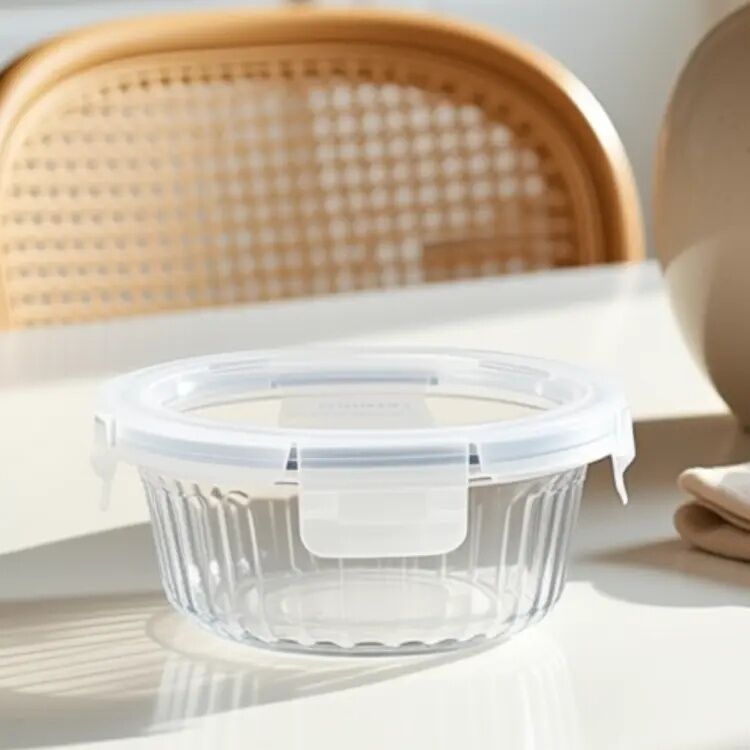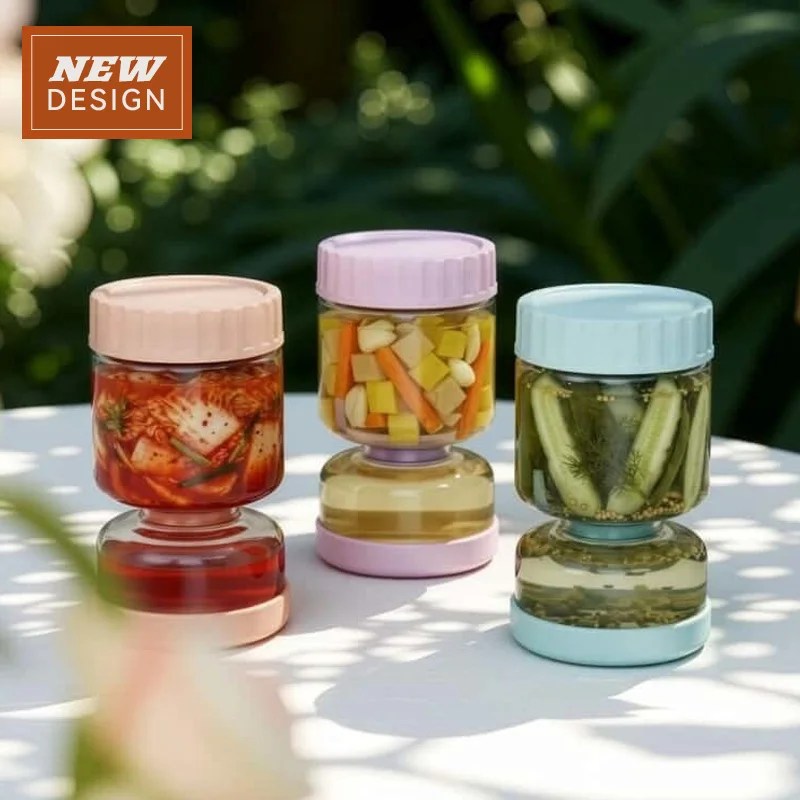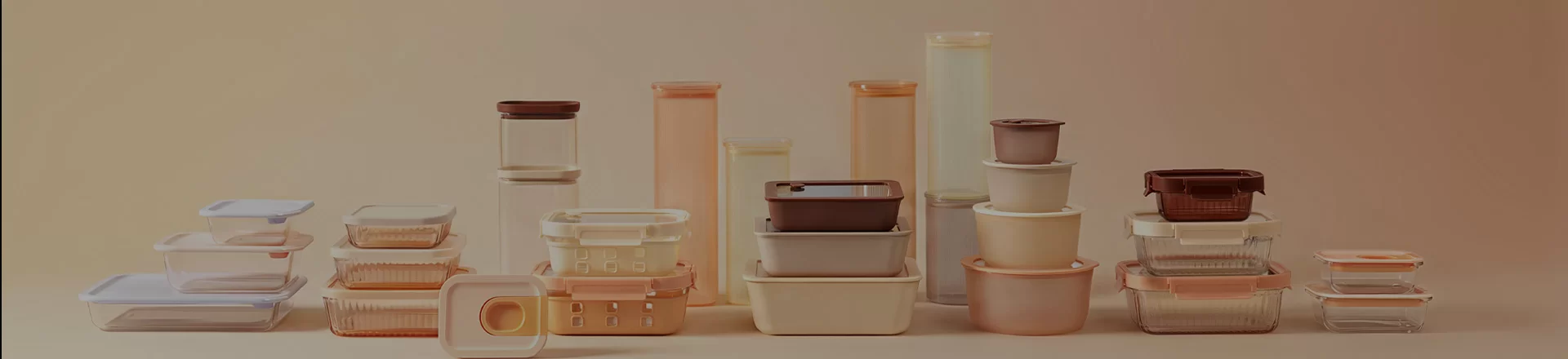
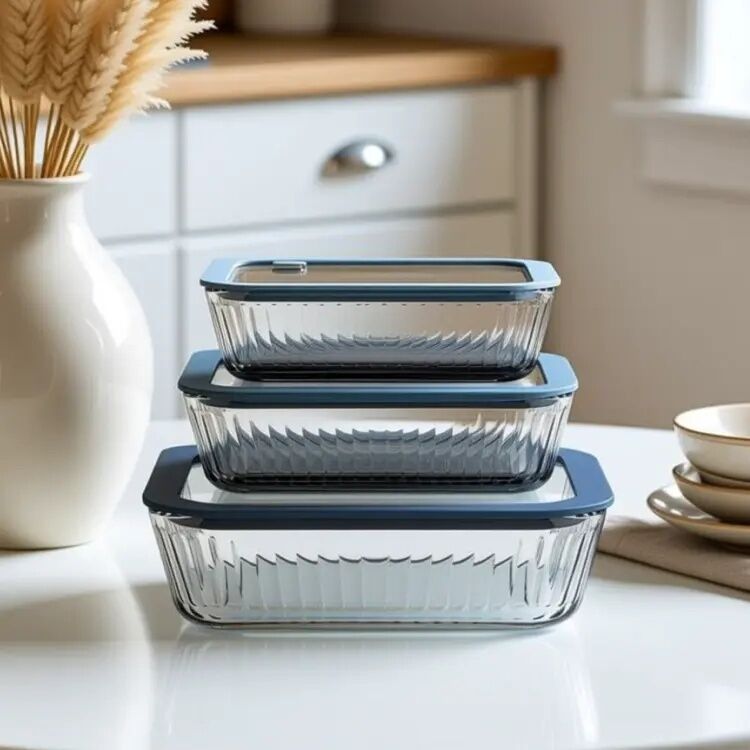
Premium glass bakeware with lids Solutions for Netherlands Kitchenware Market

Integrating advanced borosilicate durability with Dutch sustainable living standards for superior food preservation and cooking.

Premium glass bakeware with lids Solutions for Netherlands Kitchenware Market

Our professional-grade glass solutions are engineered to meet the rigorous demands of European culinary standards, combining thermal shock resistance with airtight sealing technology.

The Current State of Glassware Manufacturing in the Netherlands

Analyzing the shift towards sustainable, non-toxic food storage in the Dutch market.

The Netherlands is currently experiencing a massive shift toward "Zero Waste" lifestyles, which has significantly spiked the demand for glass food storage container options. Dutch consumers are increasingly abandoning single-use plastics in favor of materials that are chemically inert and infinitely recyclable.

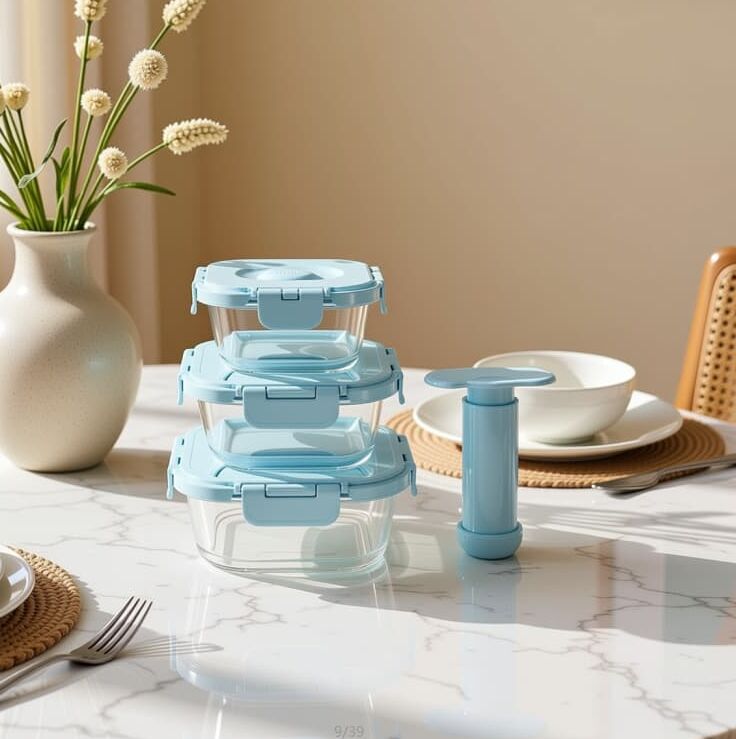
Due to the temperate maritime climate and the high prevalence of meal-prepping in urban centers like Amsterdam and Rotterdam, there is a critical need for microwavable glass containers that can transition seamlessly from cold storage to high-temperature heating without cracking.

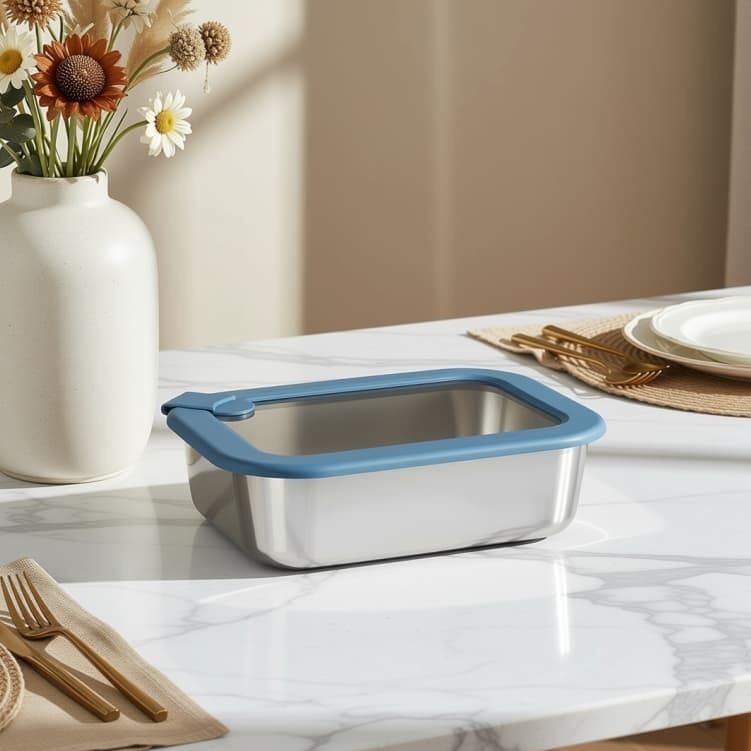
Furthermore, the professional Dutch catering sector is diversifying its inventory, integrating both high-borosilicate glass and stainless steel food storage containers with lids to balance weight requirements with hygiene standards in commercial kitchens.
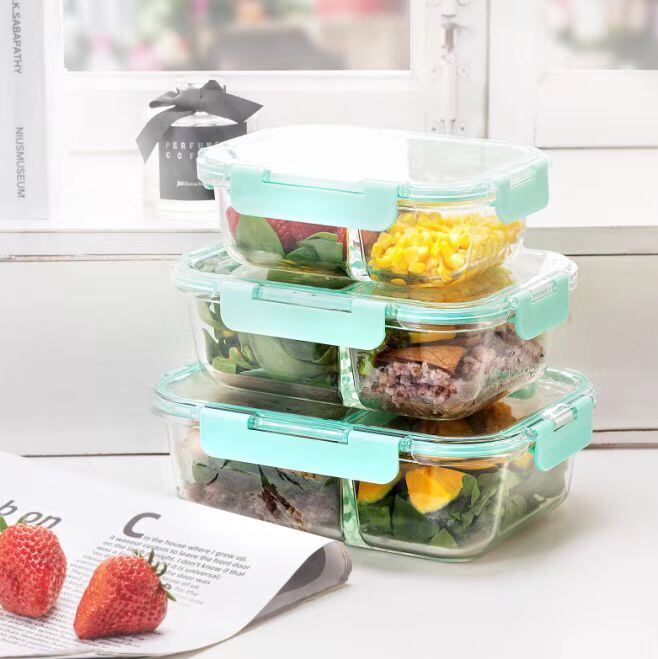
Evolution and Trajectory of Daily Glassware Manufacturing

From traditional soda-lime glass to smart thermal-resistant engineering.

Market Development History

Prior to 2010, the Dutch market was dominated by basic soda-lime glass, which lacked the thermal versatility required for modern ovens. During this era, the glass mixing bowl set was primarily a room-temperature preparation tool rather than a multi-functional asset.

Between 2012 and 2018, the introduction of advanced borosilicate tempering allowed for the mass production of glass that could withstand extreme temperature differentials. This period saw the rise of integrated lid systems, transforming simple bowls into airtight storage solutions.

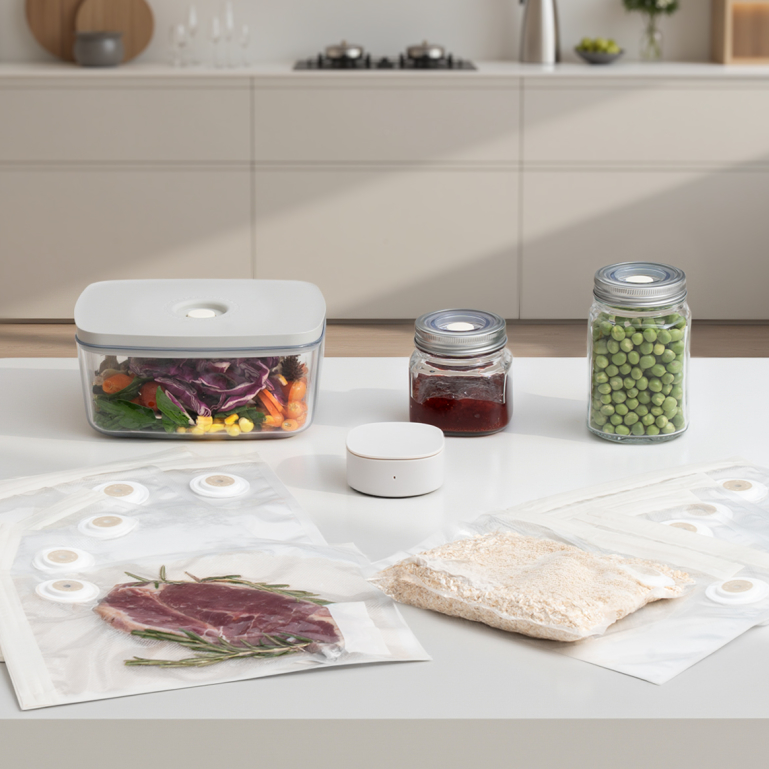
From 2019 to the present, the focus has shifted toward "Hybridity." We now see a convergence of materials where glass is paired with eco-friendly polymers or silicone, optimizing the seal for vacuum-like freshness.

Future Development Trends

Smart Thermal Coating

Integration of nano-coatings to further reduce the weight of glass while increasing impact resistance, catering to the mobile lifestyle of Dutch professionals.

Bio-Polymer Lid Integration

Replacing traditional plastics with corn-starch based bio-polymers for lids, ensuring the entire product is compostable or recyclable.

Modular Stackability Optimization

Designing containers specifically for the compact kitchen layouts common in Dutch apartments, maximizing vertical space efficiency.

Industry Trends and Future Outlook

Strategic projections for the non-metallic mineral products sector in Europe.

Circular Economy Shift
Moving toward a closed-loop system where glass waste is reintegrated into the manufacturing process to reduce carbon footprints.
High-Borosilicate Dominance
Replacing standard glass with low-expansion borosilicate to ensure safety in rapid temperature changes.
Minimalist Dutch Design
Focusing on clean lines and transparent aesthetics that fit the modern "Scandi-Dutch" interior design trends.
Health-Centric Materials
Increasing demand for BPA-free, lead-free, and phthalate-free certifications to comply with EU health regulations.

Industry Outlook

Based on current search trends in the Benelux region, there is a marked increase in queries for "eco-friendly meal prep" and "non-toxic bakeware." This suggests that the market is moving away from versatility alone toward a "health-first" procurement logic.

Over the next 3-5 years, we expect a merger of food storage and smart home integration, where glass containers might be paired with NFC tags to track food expiration dates, aligning with the Netherlands' leadership in Agri-Tech.

Localized Application Scenarios in the Netherlands

How our glassware fits into the unique Dutch lifestyle and economic structure.

01. Urban Meal Prepping in Randstad

For busy professionals in the Randstad area, microwavable glass containers are essential for preparing weekly meals on Sunday and reheating them in office breakrooms without compromising food taste or safety.

02. Sustainable Family Dining in Utrecht

Families focusing on sustainability use a glass mixing bowl set to reduce plastic waste during food preparation, utilizing the same bowls for serving and then for leftovers storage.

03. High-End Patisserie in Amsterdam

Local artisanal bakeries utilize professional glass bakeware with lids for transporting delicate cakes and tarts, ensuring the product remains fresh while showcasing the visual appeal to the customer.

04. Commercial Food Logistics in Rotterdam

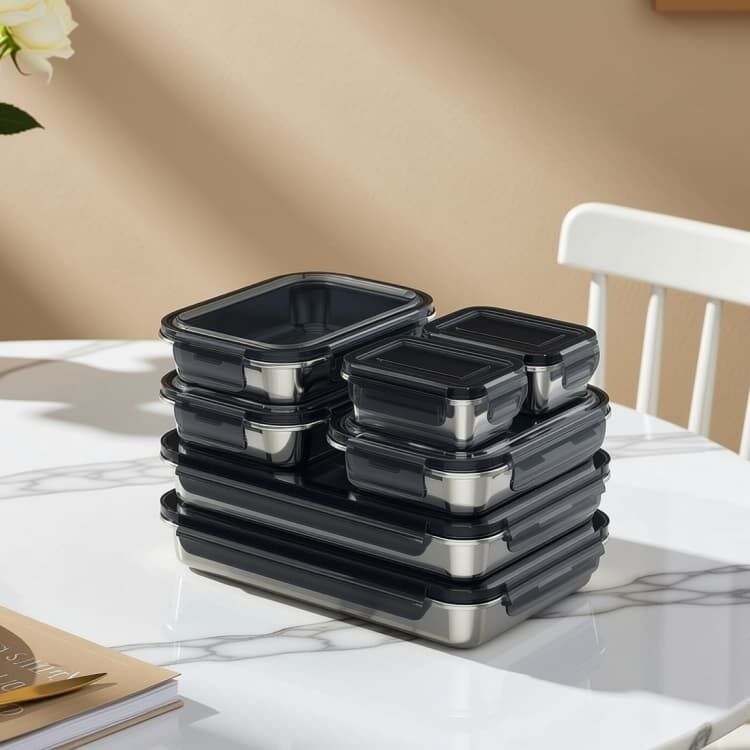
In the bustling port city of Rotterdam, catering services employ stainless steel food storage containers with lids for heavy-duty transport of ingredients, valuing the impact resistance of steel for logistics.

05. Eco-Conscious Pantries in The Hague

Residents in The Hague are adopting the "pantry aesthetic," using uniform glass food storage container sets to organize dry goods, reducing the need for original plastic packaging.

Brand Story

Global Development History of Shijiazhuang Yist Intelligent Technology Co., Ltd.

Founding Vision

Established with a mission to solve the fragility and toxicity issues of traditional glassware, focusing on high-purity borosilicate research.

Technical Breakthrough

Developed a proprietary tempering process that increased the thermal shock resistance of daily glassware by 40%.

European Expansion

Entered the EU market by aligning production with REACH and LFGB standards, establishing a strong presence in the Netherlands.

Intelligence Integration

Incorporated automated precision molding to ensure 100% lid-to-container compatibility, eliminating leakage issues.

Sustainability Leadership

Committed to a carbon-neutral manufacturing goal by 2030, utilizing solar-powered furnaces for glass melting.

Common Questions for Dutch Glassware Consumers

Expert answers to technical and usage queries.

Are your microwavable glass containers safe for high-temperature ovens?

Yes, our borosilicate glass is designed for both microwave and oven use. However, we recommend removing the lids before placing them in a traditional oven to prevent seal deformation.

How do glass bakeware with lids compare to ceramic options in terms of heat distribution?

Glass provides more uniform heat distribution and allows for visual monitoring of the cooking process, which is often a preference in modern Dutch kitchens.

Can I use a glass mixing bowl set for both freezing and heating?

Absolutely. Our sets are engineered for extreme temperature transitions, making them perfect for freezing doughs or chilling desserts and then reheating them.

What makes stainless steel food storage containers with lids a better choice for outdoor transport?

Stainless steel offers superior impact resistance and is lightweight, making it ideal for Dutch commuting or outdoor events where glass fragility might be a concern.

Is the glass food storage container truly airtight for long-term preservation?

Yes, we use a medical-grade silicone seal combined with a locking mechanism that prevents air infiltration, extending the shelf life of food significantly.

Are the materials compliant with EU food safety regulations?

All our products are 100% lead-free and BPA-free, fully compliant with the European Union's strict food contact material directives.

Partner with the Glassware Experts

Ready to upgrade your inventory with sustainable, high-performance glass solutions in the Netherlands?

Contact Us Now

If you are interested in our products, you can choose to leave your information here, and we will be in touch with you shortly.