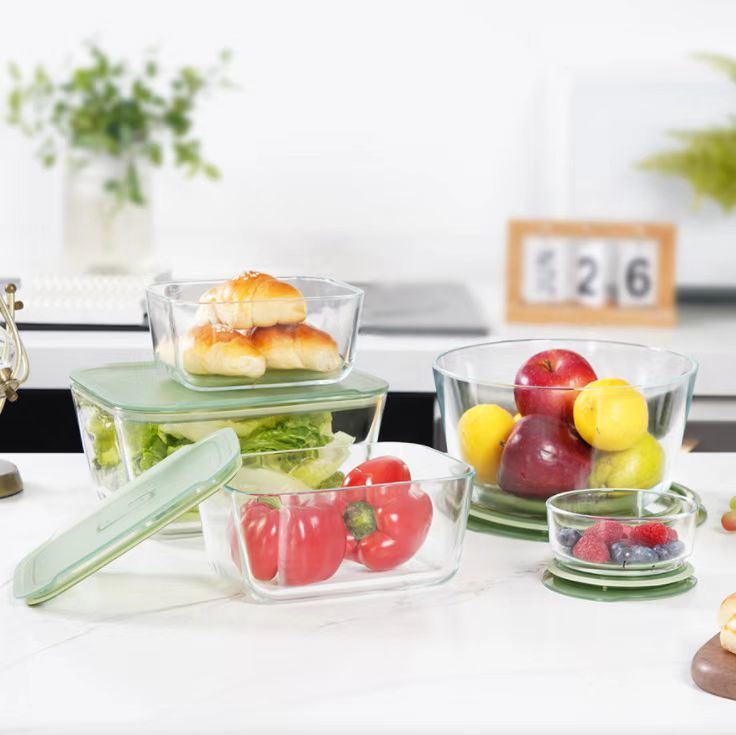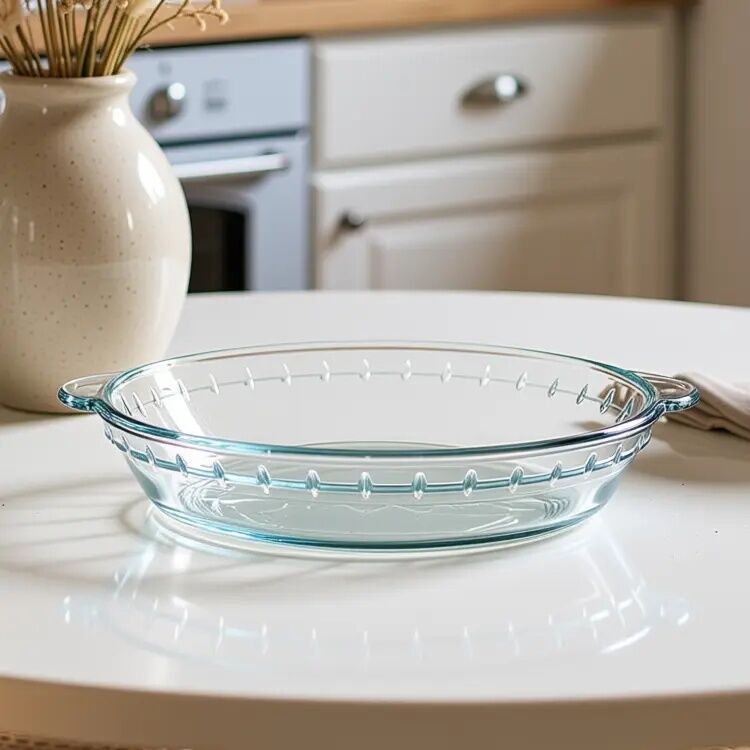

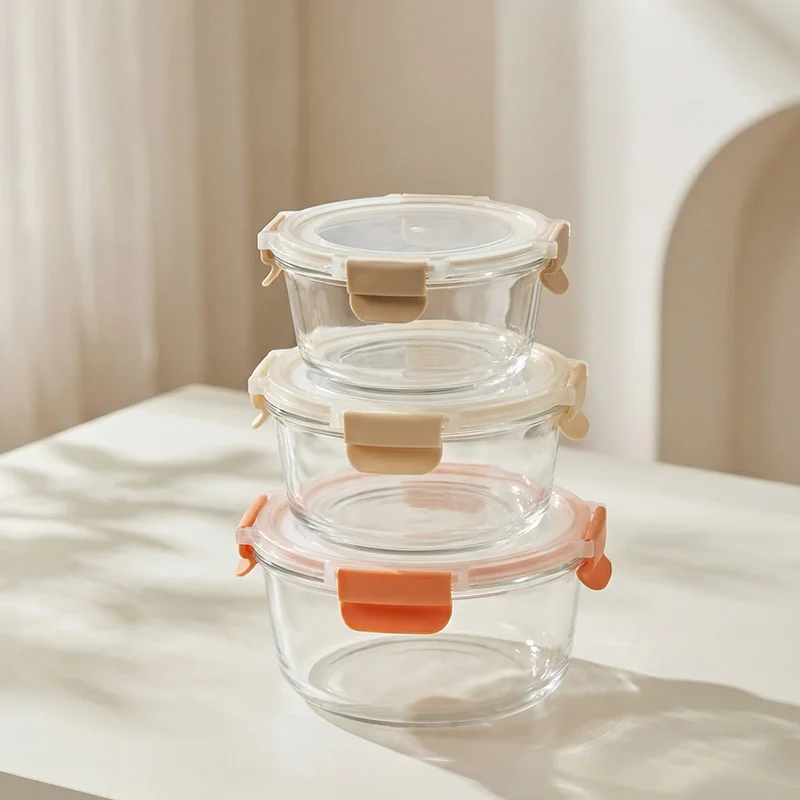
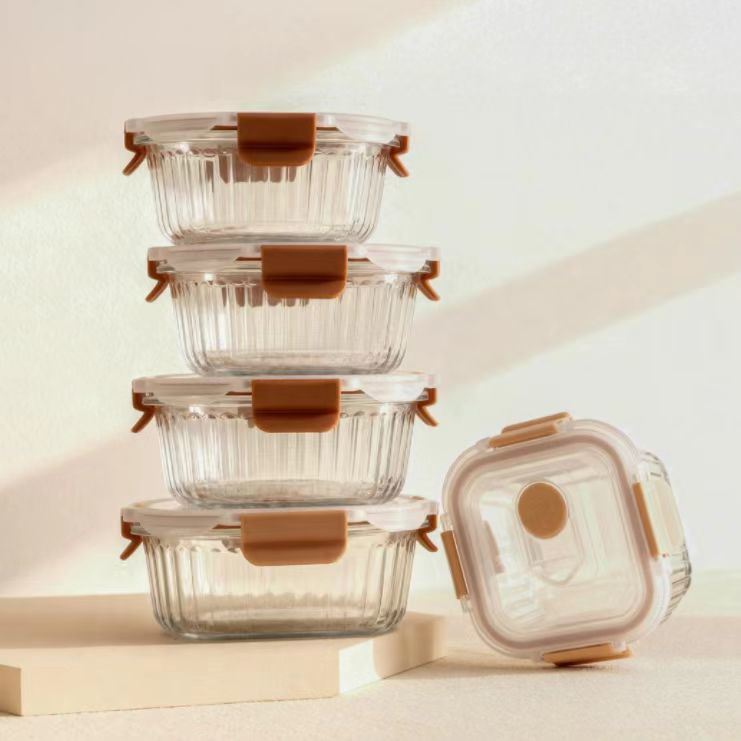
In Nigeria, the demand for durable food storage is driven by a combination of high ambient humidity and a growing urban middle class in cities like Lagos and Abuja. Traditional plastic containers are being phased out due to health concerns and the inability to withstand high-heat cooking methods common in local cuisine, leading to a surge in the adoption of glass food storage container options.
The market currently faces a gap between low-quality imports and high-end industrial requirements. The volatility of the power grid makes energy-efficient, microwavable glass containers highly attractive, as they allow for quick reheating without the chemical leaching associated with low-grade polymers.
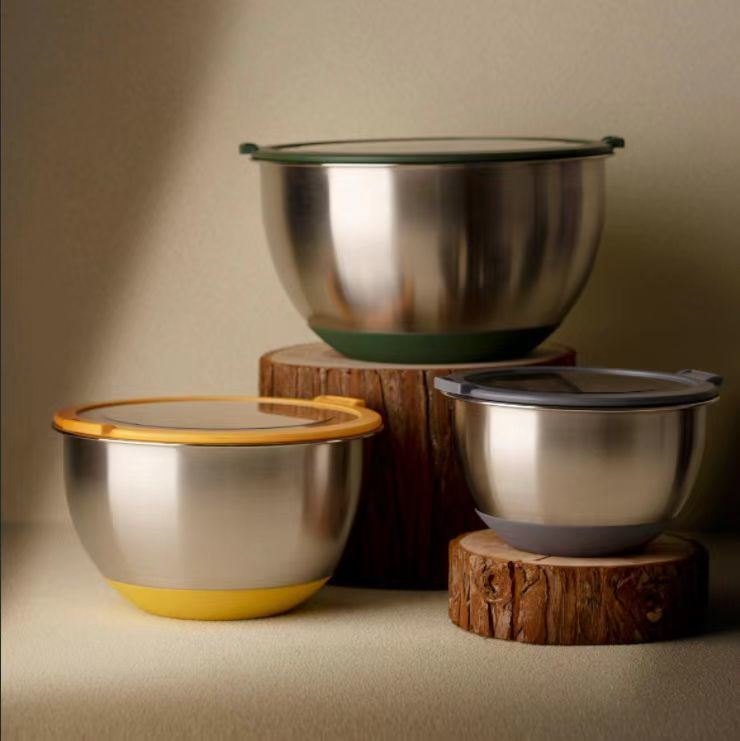
Furthermore, the logistical challenges of the region require products with superior impact resistance. The shift toward stainless steel food storage containers with lids for outdoor transport and reinforced glass for indoor use reflects a hybrid approach to food security and preservation in the West African climate.