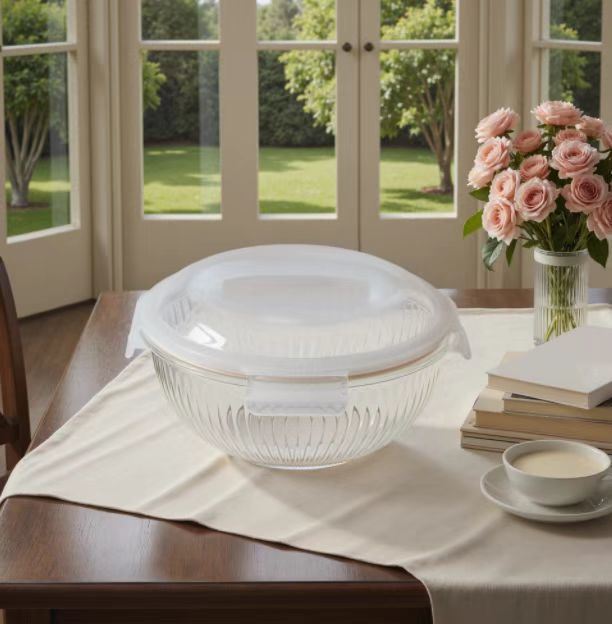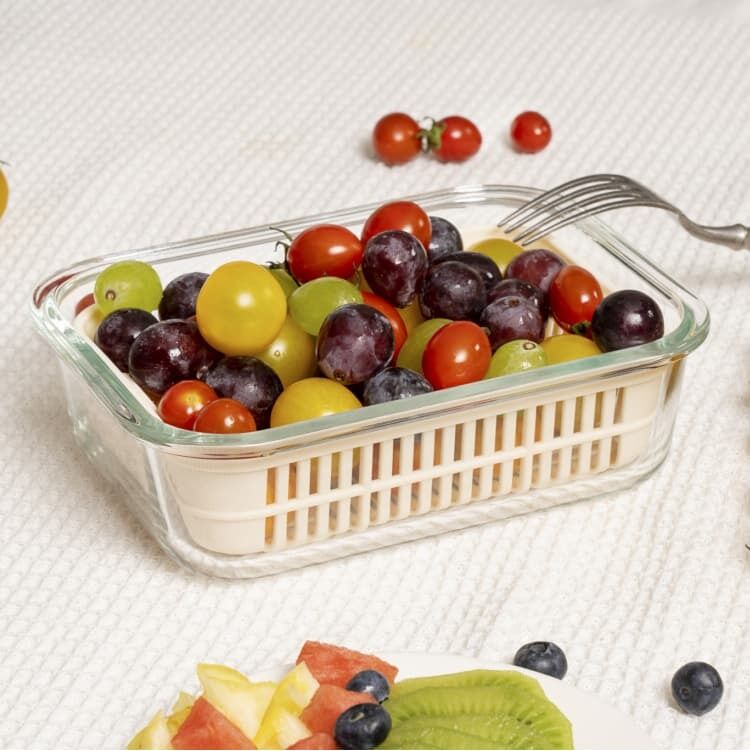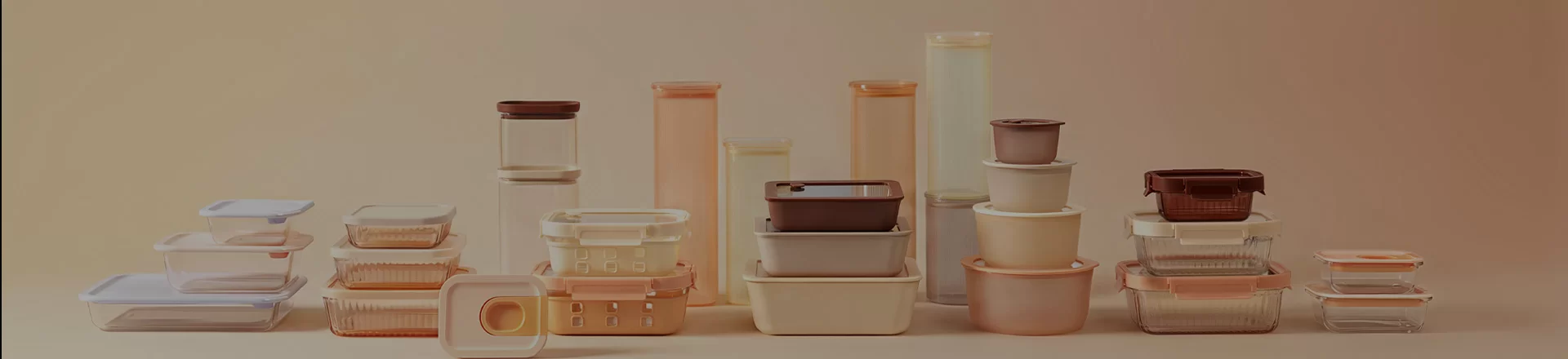
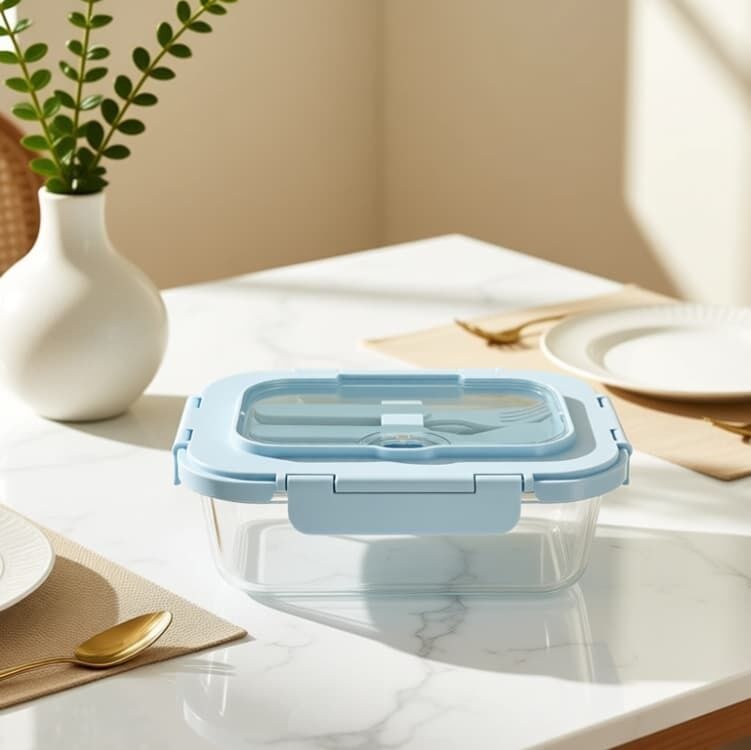
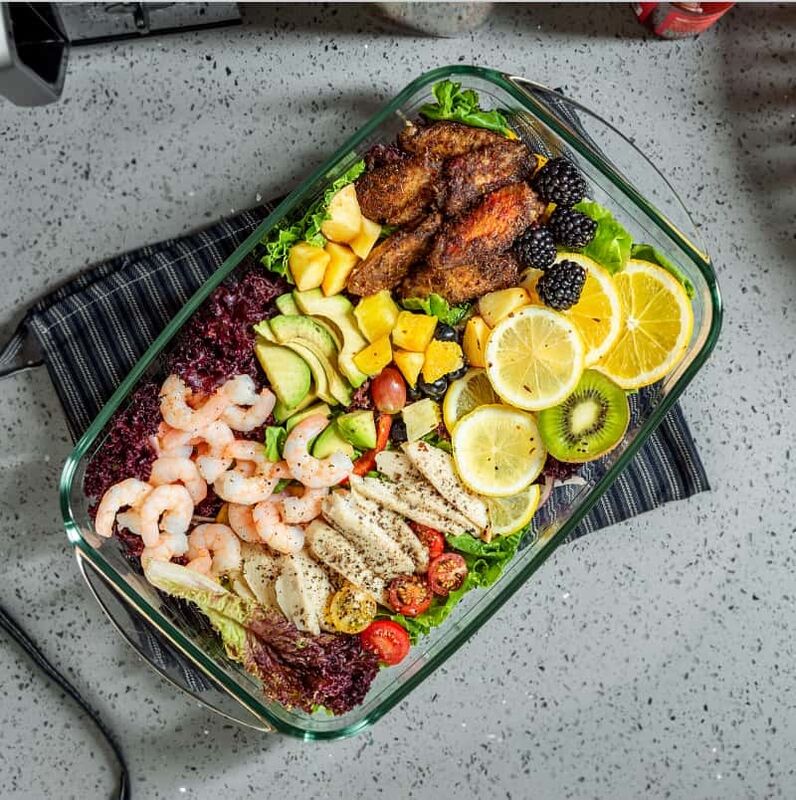
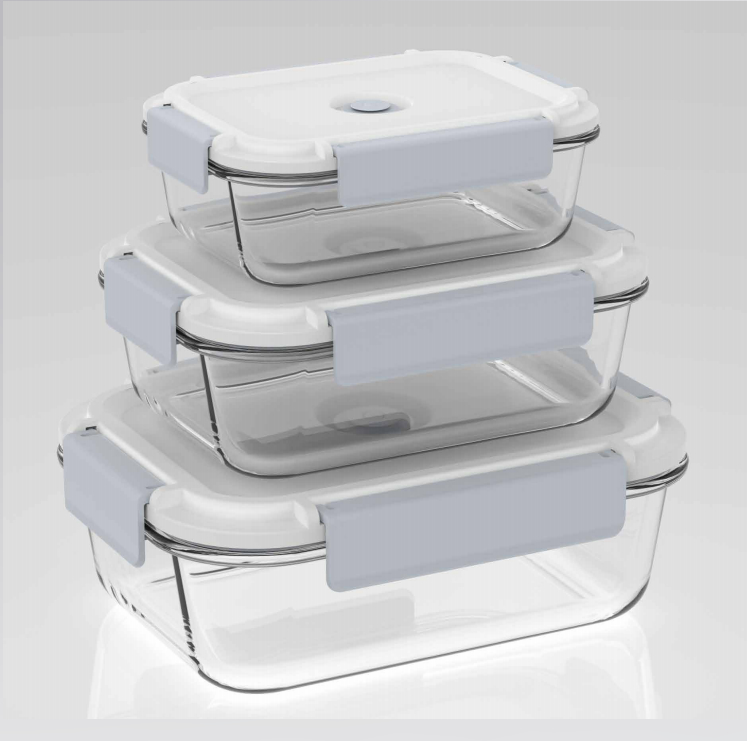
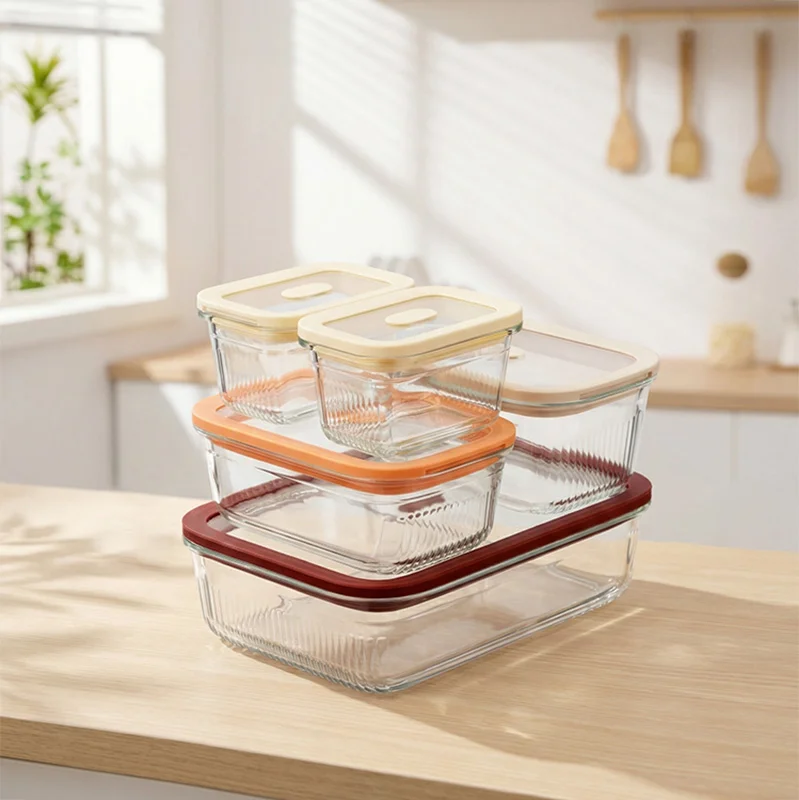
Premium glass bakeware with lids Solutions for Tanzania

Integrating high-borosilicate durability with airtight sealing technology to meet the rigorous demands of East African kitchens and food preservation.

Premium glass bakeware with lids Solutions for Tanzania

From heat-resistant ovenware to precision-engineered food storage, we provide Tanzania with world-class glass solutions that balance safety, hygiene, and longevity.

The Landscape of Food Storage in Tanzania

Analyzing the shift from traditional preservation to modern borosilicate standards in East Africa.

In Tanzania, the humid tropical climate and varied temperature zones—from the coastal heat of Dar es Salaam to the cool highlands of Arusha—create significant challenges for food preservation. Traditionally, local markets relied on plastic or basic ceramics, but there is a surging demand for glass food storage container options that prevent chemical leaching and resist mold growth in high-humidity environments.

The rapid urbanization of Tanzanian cities has led to a rise in the middle class, increasing the adoption of modern kitchen appliances. This transition has made microwavable glass containers essential for urban professionals who require fast, safe, and efficient meal preparation without compromising the nutritional value of their food.

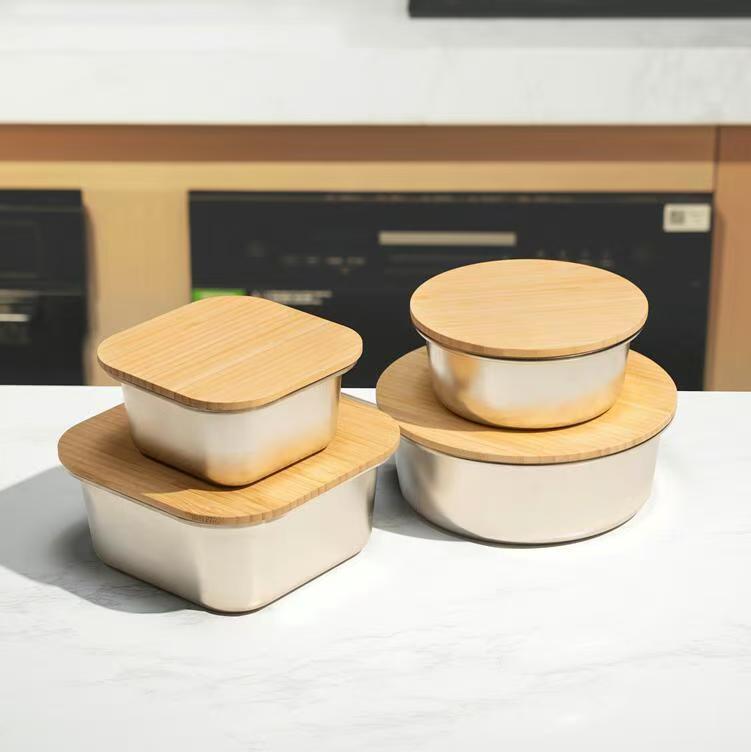
Moreover, the hospitality sector in Zanzibar and Dar es Salaam is upgrading its culinary hardware. The integration of high-grade stainless steel food storage containers with lids alongside glass solutions reflects a market move toward industrial-grade durability that can withstand the rigors of commercial transport and high-frequency use.
Evolution of Glassware Technology in Tanzania

From basic soda-lime glass to advanced thermal-shock resistant borosilicate systems.

Market Development History

Between 2000 and 2010, the Tanzanian market was dominated by basic soda-lime glassware, which was prone to cracking under sudden temperature changes. During this era, food storage was primarily focused on short-term use with minimal sealing capabilities.

From 2011 to 2020, the introduction of tempered glass and early borosilicate imports marked a technical turning point. The market saw the first wave of glass mixing bowl set products that could transition from the fridge to the prep table, emphasizing versatility and hygiene.

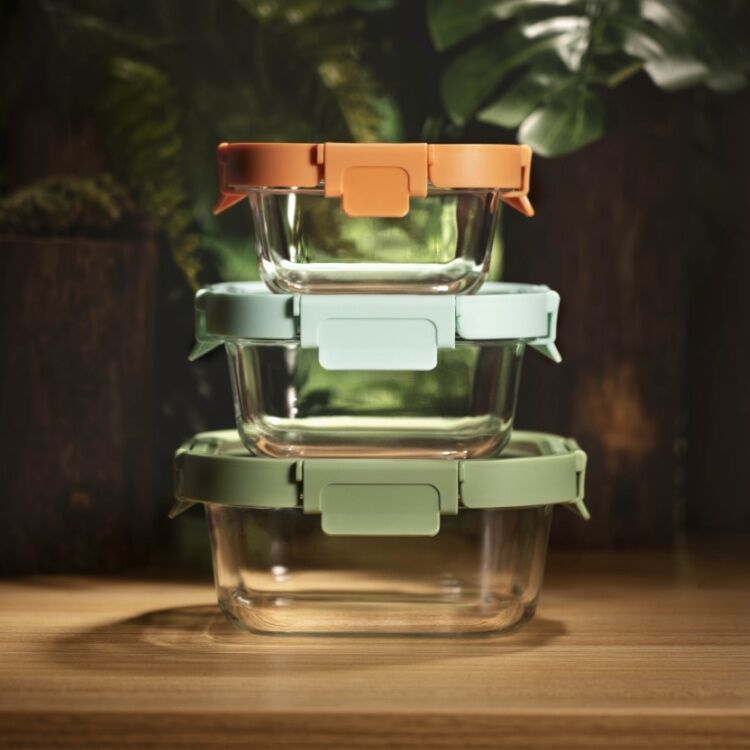
Since 2021, the "Smart Kitchen" movement has hit East Africa. We have seen a shift toward hybrid materials and vacuum-sealed lids, focusing on the longevity of the product and the reduction of single-use plastics in alignment with global sustainability goals.

Future Development Trends

Advanced Thermal Resistance

Expect a move toward ultra-low expansion glass that can handle extreme temperature gradients, expanding the utility of glass bakeware with lids in professional Tanzanian bakeries.

Eco-Friendly Hermetic Sealing

The focus will shift toward biodegradable or silicone-based lids that provide 100% airtight seals, reducing food waste in tropical climates.

Modular Storage Ecosystems

Future trends indicate a demand for stackable, modular designs that optimize limited kitchen space in expanding urban apartments in Dar es Salaam.

Industry Trends & Future Outlook

Predicting the next 5 years of glass manufacturing for the East African market.

Material Hybridization
Combining borosilicate glass with aerospace-grade silicone to enhance impact resistance during transport.
Sustainable Production
Implementing closed-loop recycling for non-metallic minerals to lower the carbon footprint in Tanzania.
Smart-Seal Integration
Development of visual indicators on lids to show vacuum seal status for longer food preservation.
Precision Mold Design
Using AI-driven mold design to reduce glass thickness without losing structural integrity.

Industry Outlook

Based on Google search trends for "healthy kitchenware" and "BPA-free storage" in East Africa, we anticipate a 15% CAGR in the demand for premium glass solutions over the next 3 years. The transition away from plastics is not just a trend but a regulatory movement in Tanzanian urban centers.

The future lies in the intersection of durability and health. As more Tanzanians embrace microwave-based cooking and oven-to-table serving, the demand for multifunctional borosilicate products will outpace traditional glassware.

Localized Applications in Tanzania

How our glass and steel solutions fit into the unique Tanzanian lifestyle.

01. Coastal Hospitality & Resort Dining

Luxury resorts in Zanzibar utilize glass bakeware with lids to prepare and serve fresh seafood gratins, maintaining heat while presenting an elegant, transparent aesthetic.

02. Urban Professional Meal Prepping

In Dar es Salaam, the rise of corporate culture has increased the use of microwavable glass containers for office lunches, ensuring safety and ease of reheating.

03. Large Family Culinary Traditions

Tanzanian family gatherings often involve large-scale food prep; our glass mixing bowl set provides the hygiene and volume needed for traditional feasts.

04. Cold Chain Logistics for Artisanal Foods

Local producers of organic honey and spices use glass food storage container sets to preserve flavor profiles and prevent contamination during regional transport.

05. High-Impact Commercial Catering

For outdoor events and catering, stainless steel food storage containers with lids are deployed to ensure durability against drops and outdoor environmental stressors.

Brand Story

Global Development Journey of Shijiazhuang East Intelligent Technology Co., Ltd.

Founding Vision

Established with a mission to bridge the gap between industrial glass durability and home kitchen elegance, focusing on non-metallic mineral precision.

Technical Breakthrough

Perfected the borosilicate fusion process, allowing our products to withstand extreme thermal shock, a critical pain point for global consumers.

Market Expansion

Expanded operations into the African market, tailoring glass thickness and lid seals to withstand high-humidity tropical environments.

Quality Certification

Achieved international food-grade certifications, ensuring every piece of glassware is 100% lead-free and cadmium-free.

Future Innovation

Currently integrating AI-driven quality control to ensure zero-defect shipments to our partners in Tanzania and beyond.

Tanzania Market FAQ

Common technical questions regarding glass and steel food storage.

Are your microwavable glass containers safe for high-temperature reheating?

Yes, our containers are made from high-borosilicate glass, which is designed to handle rapid temperature changes without cracking, making them ideal for microwave use.

How do glass bakeware with lids perform in professional ovens?

They are engineered for high thermal stability. However, we recommend removing the lid or using a vented lid during high-heat baking to prevent pressure buildup.

Is the seal on the glass food storage container airtight for long-term preservation?

Yes, we use premium food-grade silicone gaskets that create a vacuum seal, preventing oxidation and keeping food fresh in humid Tanzanian climates.

Can the stainless steel food storage containers with lids be used for freezing?

Absolutely. The high-grade stainless steel is corrosion-resistant and maintains structural integrity at sub-zero temperatures, making it perfect for bulk freezing.

What makes your glass mixing bowl set better than plastic alternatives?

Unlike plastic, our glass does not absorb odors or stains and is completely non-reactive, ensuring that your food remains pure and untainted.

How should I clean the silicone lids to maintain the seal?

We recommend washing lids with mild soap and warm water. For deep cleaning, they are dishwasher safe on the top rack to preserve the elasticity of the seal.

Ready to Upgrade Your Kitchenware?

Contact our export specialists today for bulk orders and customized glass solutions delivered across Tanzania.

Contact Us Now

If you are interested in our products, you can choose to leave your information here, and we will be in touch with you shortly.