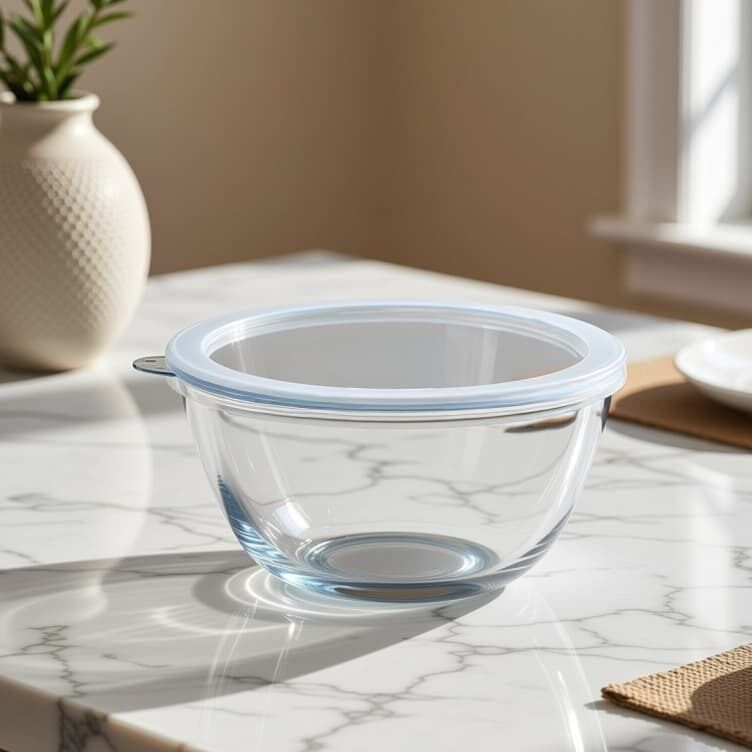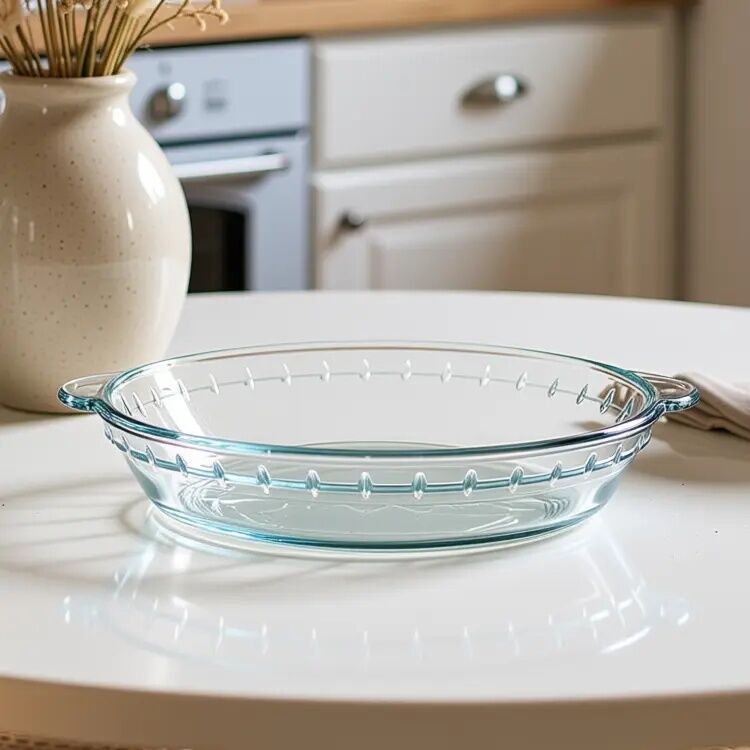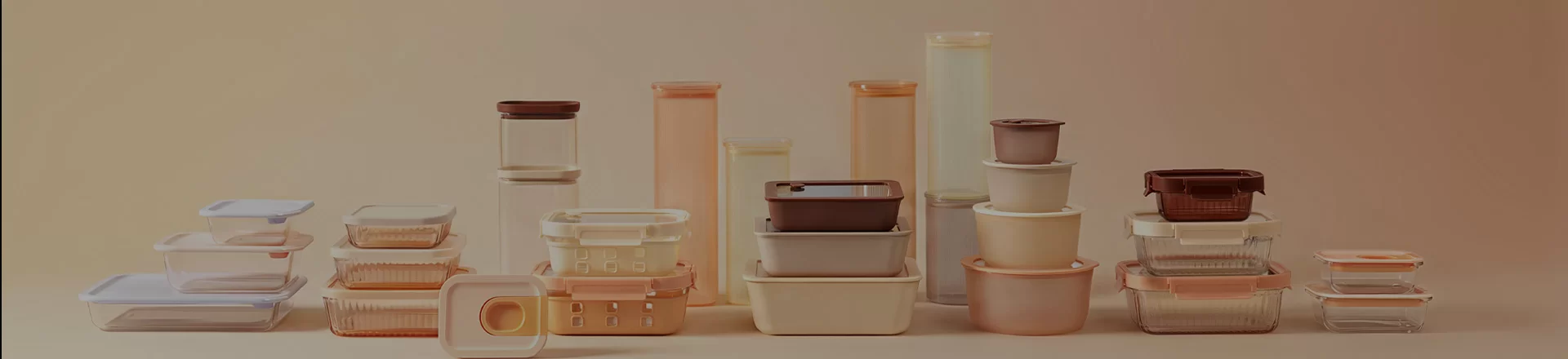
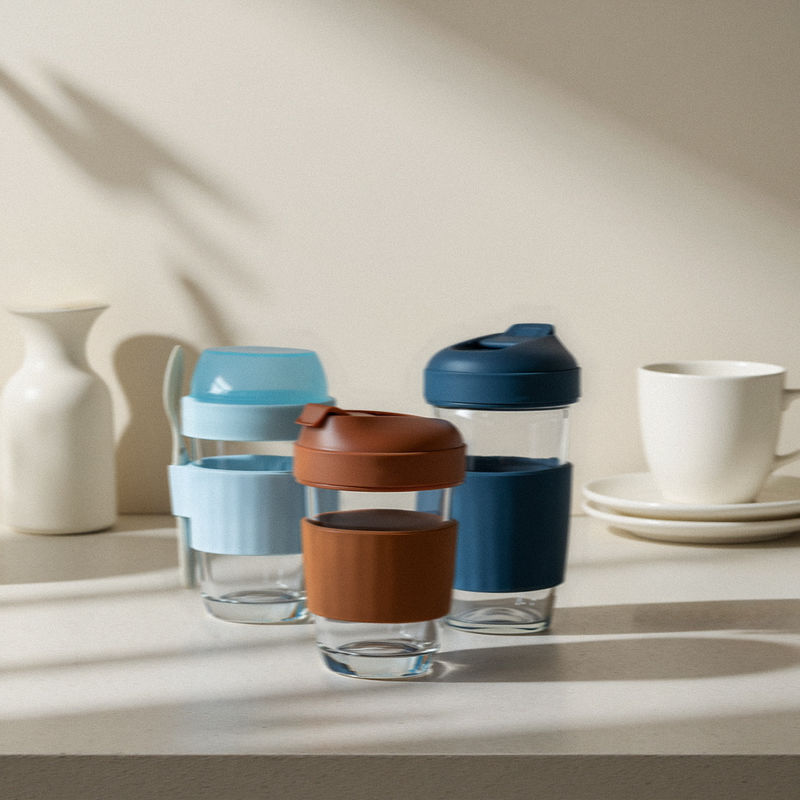
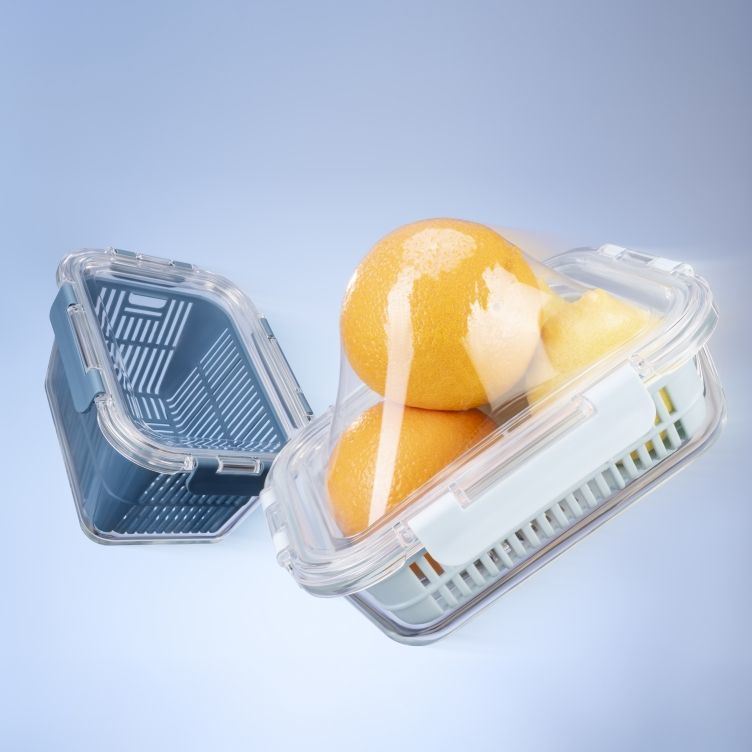
Premium Glass Bakeware with Lids Solutions for the German Market

Engineering high-durability, eco-friendly borosilicate glass storage systems tailored for German culinary standards and sustainable living.

The State of Glassware Manufacturing in Germany

Analyzing the demand for sustainable and high-performance food storage in Central Europe.

In Germany, the consumer market is characterized by a profound shift toward "Zero Waste" and a strict avoidance of single-use plastics. This has led to a surge in demand for glass food storage container options that meet rigorous DIN standards for safety and thermal shock resistance.

The German climate, with its distinct seasonal changes, drives a culture of seasonal food preservation and "Meal Prep," where microwavable glass containers are essential for urban professionals seeking healthy, home-cooked meals in office environments.

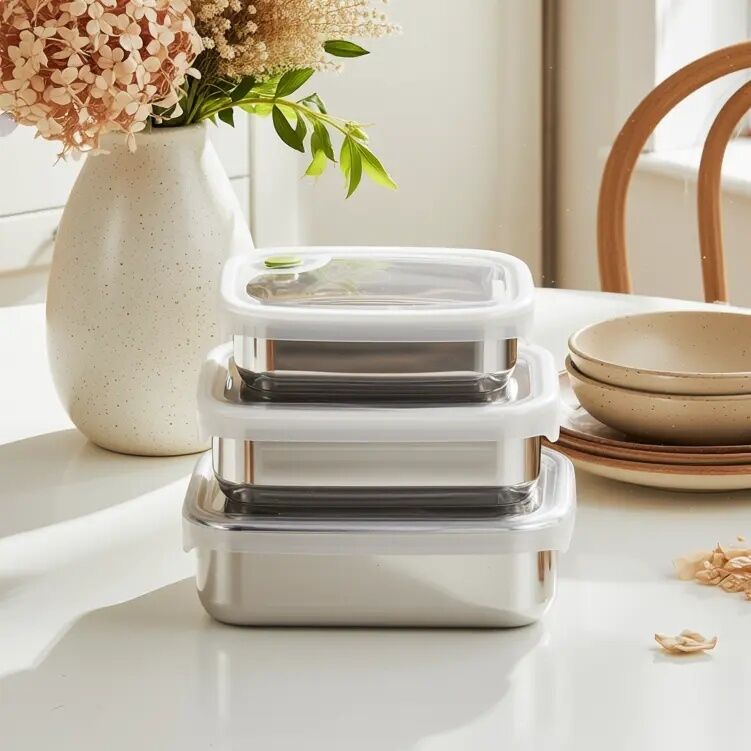
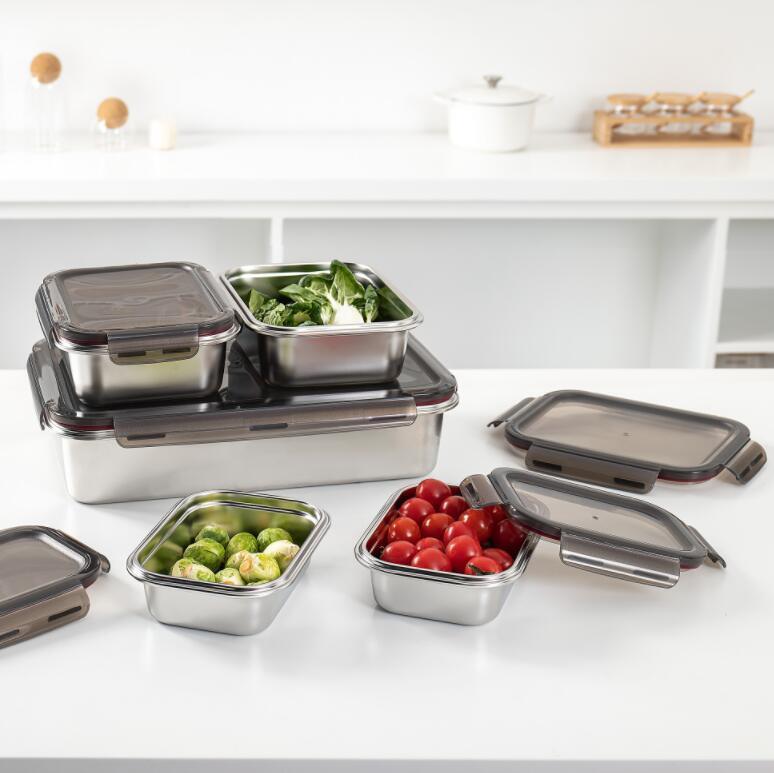
Furthermore, the economic emphasis on longevity and "Wertarbeit" (quality workmanship) means that German consumers prefer hybrid solutions, including stainless steel food storage containers with lids for durability and glass for transparency and hygiene.
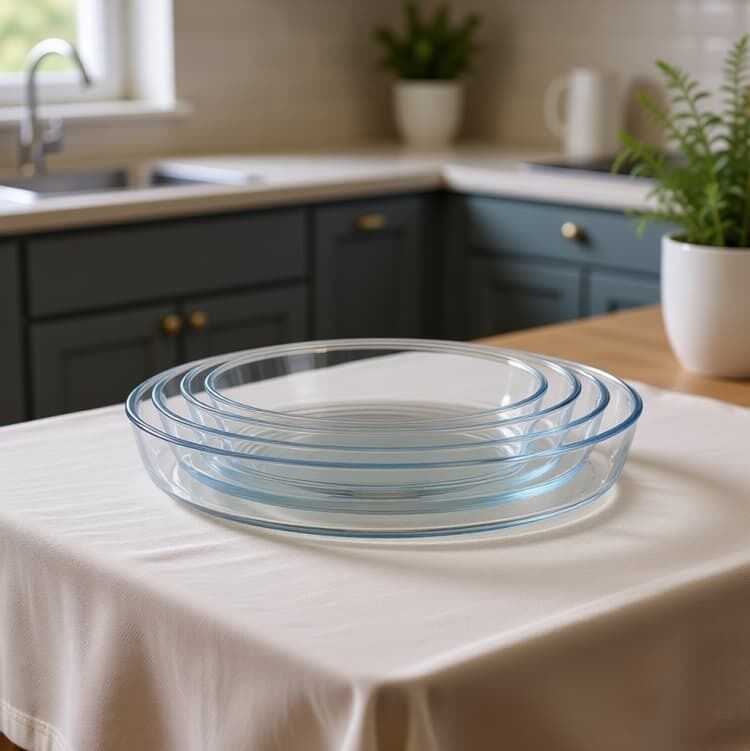
Evolution of Glass Storage Technology

From traditional soda-lime glass to advanced borosilicate thermal engineering.

Market Development History

Prior to 2010, the German market relied heavily on standard soda-lime glass, which offered basic storage but lacked the thermal range required for oven-to-fridge transitions.

Between 2011 and 2018, the introduction of high-grade borosilicate glass revolutionized the industry, enabling the mass adoption of the glass mixing bowl set that could withstand extreme temperature gradients without cracking.

From 2019 to the present, the focus has shifted toward "Smart Sealing" technologies, integrating BPA-free silicone and airtight locking mechanisms to ensure maximum freshness and leak-proof transport.

Future Development Trends

Eco-Circular Material Sourcing

Integration of post-consumer recycled glass without compromising the structural integrity of microwavable glass containers.

Hyper-Thermal Resistance

Development of glass composites that allow for faster heating cycles in high-wattage industrial microwaves commonly used in German catering.

Modular Ergonomic Design

Designing stackable systems that optimize the limited kitchen space found in modern Berlin and Munich apartments.

Industry Trends and Future Outlook

Strategic projections for the non-metallic mineral products sector in Europe.

Plastic-Free Transition
Replacing all polymer-based storage with high-borosilicate glass to meet EU Green Deal regulations.
Thermal Optimization
Enhancing the heat distribution properties for oven-safe bakeware and microwave efficiency.
Aesthetic Minimalism
Adopting the "Bauhaus" philosophy: clean lines and functional transparency for luxury kitchens.
Hybrid Materiality
Merging borosilicate glass with food-grade stainless steel for extreme durability.

Industry Outlook

Based on Google search trends in Germany, there is a 35% year-on-year increase in queries related to "sustainable kitchenware" and "plastic-free food storage." This indicates a permanent shift toward glass-based ecosystems.

The future 3-5 years will see a transition toward "intelligent glass," where thermal sensors are integrated into the lids to monitor food freshness and safety during reheating.

Localized Applications in Germany

Real-world usage scenarios tailored to the German lifestyle.

1. Urban Meal Prep in Berlin

Professionals in Berlin's tech hubs utilize microwavable glass containers to maintain a healthy diet while reducing waste in corporate cafeterias.

2. Traditional Bavarian Baking

Home bakers in Bavaria use high-capacity glass bakeware with lids for traditional casseroles that can move directly from the oven to the dining table.

3. Gourmet Mise-en-place in Munich

Culinary enthusiasts in Munich rely on a professional glass mixing bowl set for precise ingredient preparation, ensuring no flavor contamination.

4. Sustainable Pantry Organization

Eco-conscious households across Germany use a glass food storage container system to organize bulk-bought grains and nuts, eliminating plastic packaging.

5. Outdoor Hiking Logistics

For German nature enthusiasts, stainless steel food storage containers with lids provide the lightweight, shatterproof durability needed for the Black Forest trails.

Brand Story

Global Development Journey of Shijiazhuang Eist Intelligent Technology Co., Ltd.

Founding Vision

Established to solve the fragility of traditional household glass, focusing on high-strength borosilicate engineering.

Technological Leap

Implemented automated precision molding to eliminate air bubbles and internal stress in daily glass products.

European Expansion

Customized product lines to meet the strict EU REACH and LFGB food contact safety certifications.

Sustainability Pivot

Launched the "Green Glass" initiative, focusing on 100% recyclable packaging and energy-efficient kilns.

Global Leadership

Now a leading provider of intelligent glass solutions, bridging the gap between industrial strength and domestic elegance.

Common Questions from Our German Customers

Expert answers regarding the use and maintenance of premium glass storage.

Are these microwavable glass containers truly thermal shock resistant?

Yes, our containers are made from high-borosilicate glass, which allows them to transition from freezer to microwave safely, provided they are not placed on a freezing cold surface immediately after heating.

How do stainless steel food storage containers with lids compare to glass?

Stainless steel offers superior impact resistance and lightness, making them ideal for transport, while glass is preferred for oven use and visibility of contents.

Can I use a glass mixing bowl set in the oven?

Our borosilicate mixing bowls are oven-safe up to 300°C, making them versatile for both preparation and baking.

Are the lids on your glass bakeware with lids BPA-free?

Absolutely. All our lids are manufactured from food-grade, BPA-free silicone and polypropylene, complying with strict EU safety regulations.

How should I clean a glass food storage container to maintain clarity?

We recommend dishwasher-safe cycles. For stubborn stains, a mixture of baking soda and white vinegar will restore the crystal clarity of the glass.

Is your glassware compatible with German recycling systems?

Yes, our products are designed for full recyclability. The glass can be processed in standard glass recycling bins (Altglascontainer) across Germany.

Partner with the Glass Experts

Looking for high-capacity manufacturing for your brand in Germany? Let's build a sustainable future together.

Contact Us Now

If you are interested in our products, you can choose to leave your information here, and we will be in touch with you shortly.