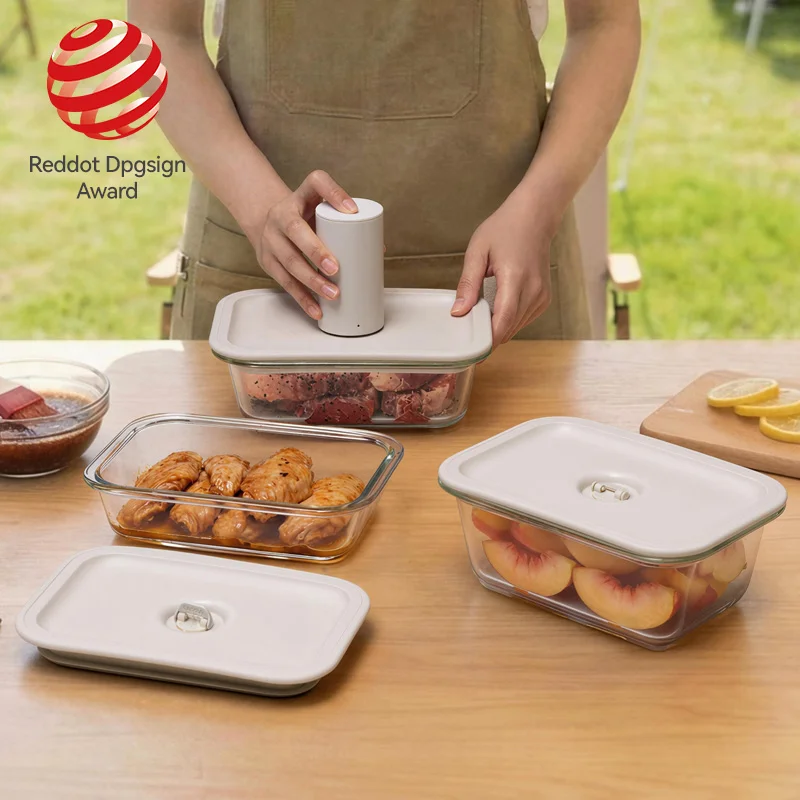
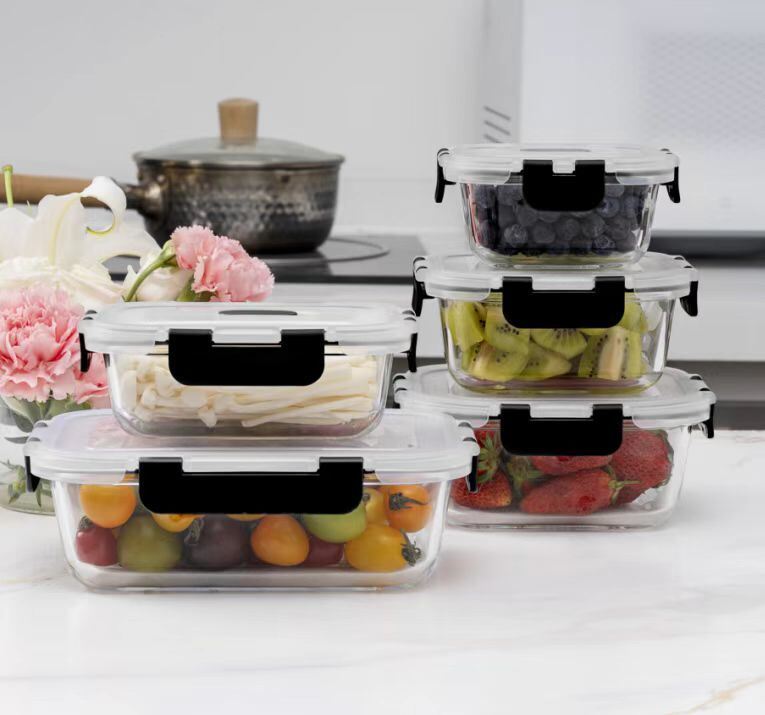
Premium Kitchenware Solutions: glass bakeware with lids for South Africa

Engineered for durability and heat resistance, providing South African households and commercial kitchens with professional-grade food storage and baking systems.

Market Landscape of Glassware in South Africa

Analyzing the shift toward sustainable and hygienic food storage in the Southern African region.

In South Africa, the demand for high-quality glass food storage container options has surged due to a growing awareness of food safety and the environmental impact of single-use plastics. The diverse climate, ranging from the humid coasts of Durban to the dry interior of Gauteng, requires materials that can withstand varied temperature fluctuations without compromising structural integrity.

The South African middle class is increasingly adopting a "cook once, eat twice" lifestyle, which has significantly boosted the adoption of microwavable glass containers. These products provide a seamless transition from freezer to microwave, catering to the fast-paced urban environments of Johannesburg and Cape Town where convenience is paramount.

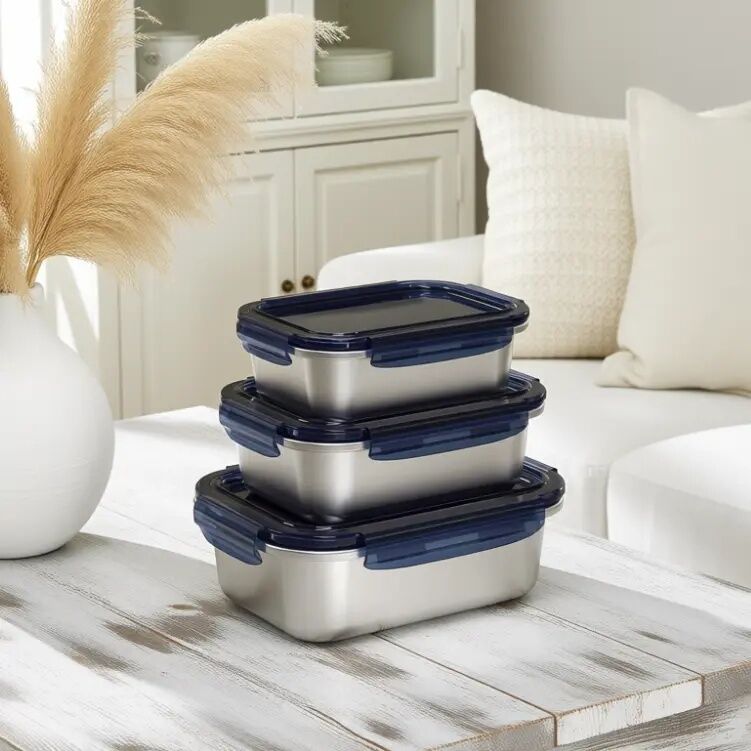
Furthermore, there is a distinct market preference for hybrid storage. While glass is preferred for health, the robustness of stainless steel food storage containers with lids remains popular for outdoor braai culture and long-distance transport, creating a unique dual-demand landscape for non-metallic storage solutions.
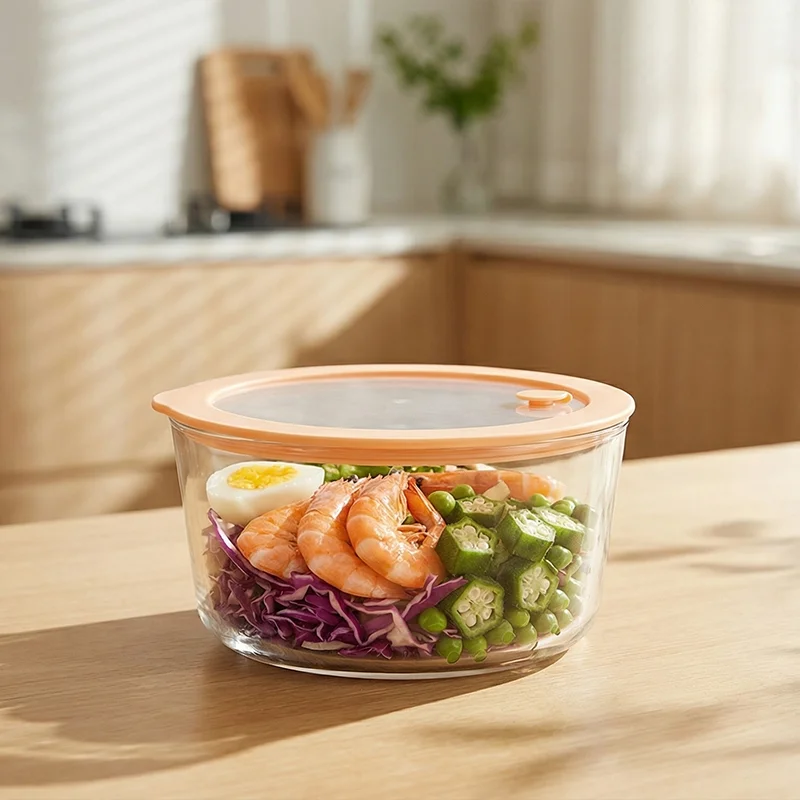
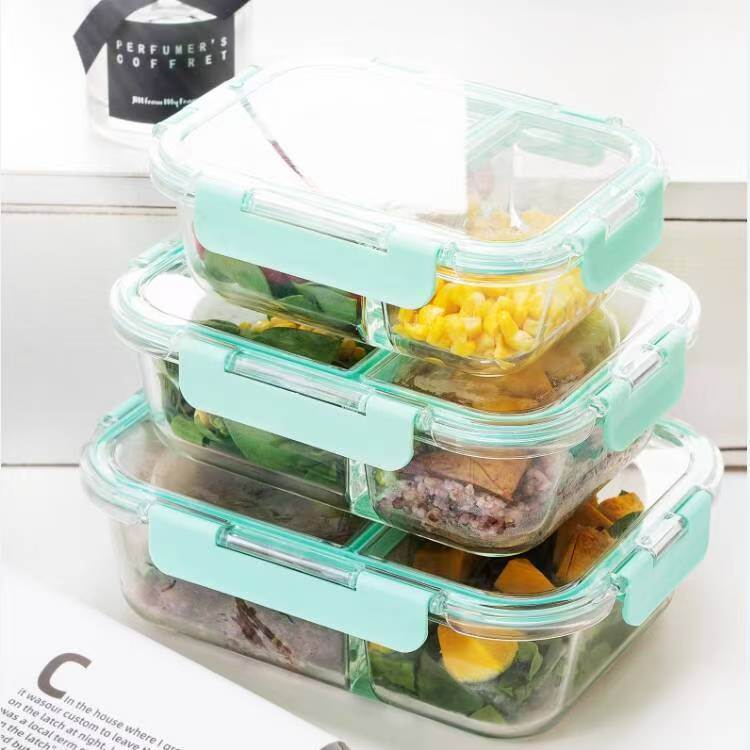
Evolution of Glassware Manufacturing & Market Trajectory

From basic tempered glass to advanced borosilicate technology in the South African market.

Market Development History

Between 2000 and 2010, the South African market was dominated by basic soda-lime glass, which lacked the thermal resistance required for modern ovens. Storage was primarily focused on simple jars rather than specialized sets like a glass mixing bowl set.

From 2011 to 2020, the industry saw a pivot toward borosilicate glass. This technical iteration allowed for higher temperature tolerances, enabling the mass adoption of oven-to-table bakeware. This era marked the introduction of airtight silicone-sealed lids, reducing food waste in South African households.

Since 2021, the focus has shifted toward "Smart Glass" and ergonomic design. The integration of stackable designs and reinforced edges has addressed the high breakage rates previously seen in budget-tier imports, establishing a new standard for durability.

Future Development Trends

Eco-Conscious Material Integration

The next 3 years will see a move toward 100% recyclable packaging and carbon-neutral manufacturing processes to align with South Africa's green economy goals.

Enhanced Thermal Shock Resistance

R&D is focusing on ultra-low expansion glass that can withstand extreme temperature swings, specifically targeting the high-heat requirements of industrial catering.

Hybrid Modular Systems

We expect a trend toward modular sets that combine the lightweight nature of steel with the transparency of glass for comprehensive kitchen organization.

Industry Outlook & Strategic Future

Projecting the growth of high-performance glass containers based on global search trends and local demand.

Sustainability Pivot
Rapid transition from plastic to glass to meet South Africa's reducing plastic waste mandates.
Health-First Storage
Increased demand for BPA-free and non-reactive surfaces to protect food purity.
Urban Space Optimization
Development of nesting and stackable designs for compact apartment living in cities.
Omnichannel Distribution
Growth of direct-to-consumer (DTC) shipments of fragile glassware via specialized logistics.

Industry Outlook

Based on Google Search trends, queries for "non-toxic food storage" in South Africa have grown by 25% annually. This suggests a permanent shift toward glass and stainless steel, as consumers prioritize health over the low cost of plastic.

We anticipate that the next generation of products will focus on "Multifunctionalism"—where a single piece of glassware serves as a mixing bowl, baking dish, and storage container, reducing the total number of items needed in a kitchen.

Localized Application Scenarios in South Africa

Real-world uses of our high-performance glass and steel containers in the South African context.

1. Urban Meal Prep for Professionals

In the busy hubs of Sandton and Cape Town, microwavable glass containers are essential for workers who prepare healthy meals on Sundays and reheat them in office microwaves throughout the week.

2. Traditional Family Sunday Braais

Using a glass mixing bowl set to prepare large batches of potato salad or coleslaw, which can then be stored in the same bowls in the fridge to maintain freshness.

3. Gourmet Baking in the Winelands

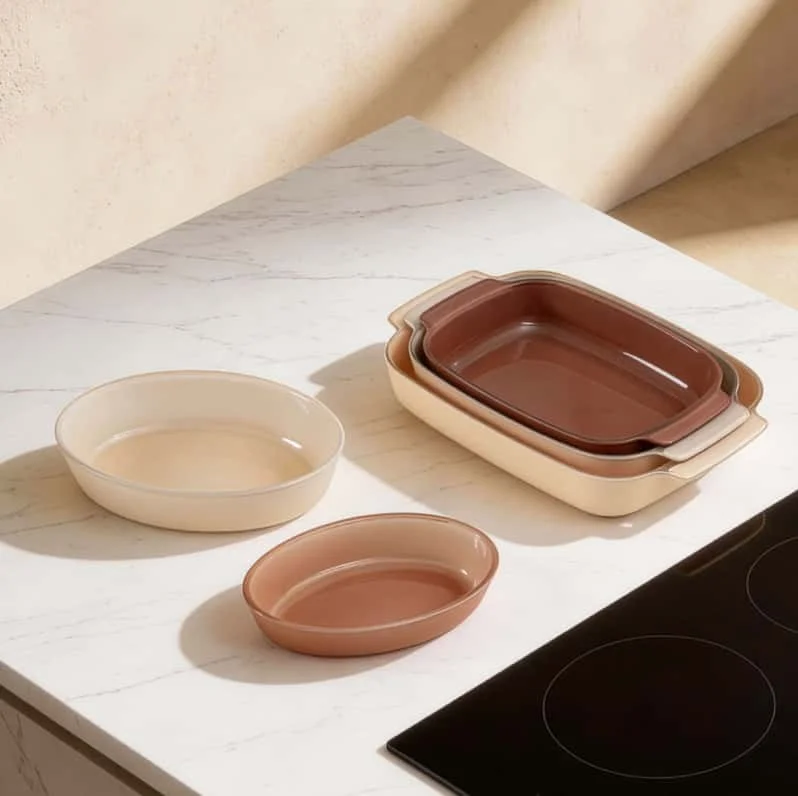
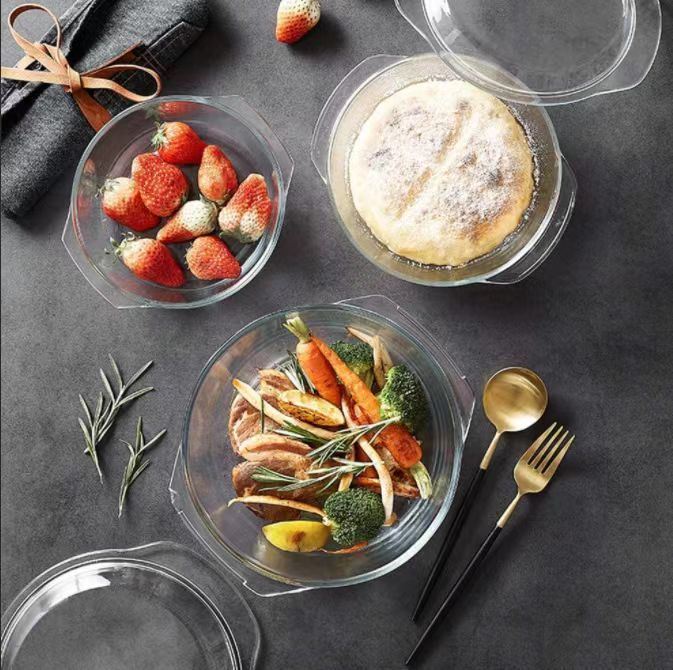
Professional and home bakers in the Western Cape utilize glass bakeware with lids for lasagna and gratins, moving the dish from oven to table to fridge without changing containers.

4. Long-Distance Travel & Picnics

Leveraging stainless steel food storage containers with lids for road trips to Kruger National Park, ensuring food remains secure and leak-proof in rugged conditions.

5. Sustainable Home Pantry Organization

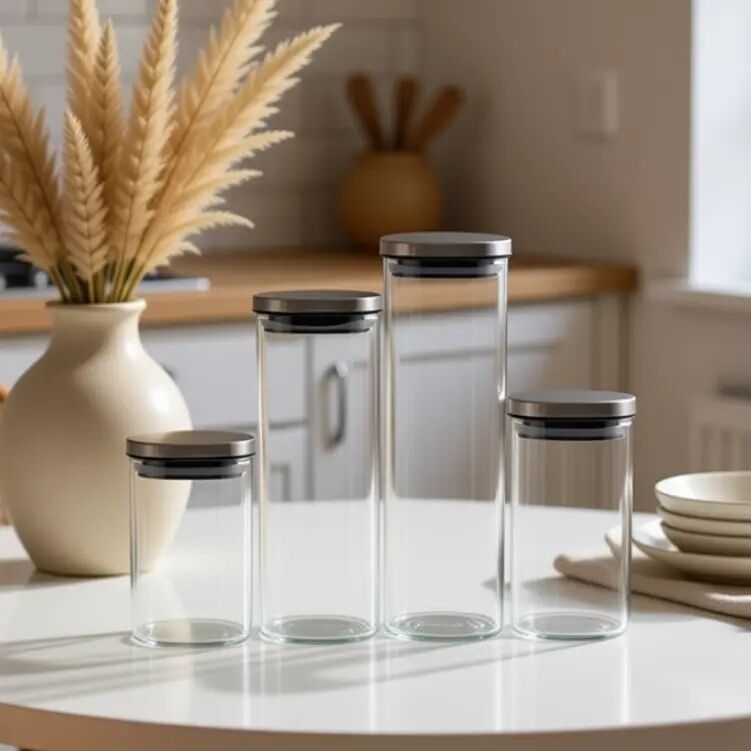
South African homeowners are replacing plastic tubs with a glass food storage container system to store bulk grains and spices, reducing pest infiltration and improving visibility.

Brand Story

The Global Development Journey of Shijiazhuang East Intelligent Technology Co., Ltd.

Foundational Engineering

Established with a focus on non-metallic mineral processing, we began by mastering the purity of raw silica to ensure glass clarity.

Technological Breakthrough

Invested in advanced borosilicate tempering lines to solve the common industry pain point of thermal shock breakage.

Global Quality Certification

Achieved international food-grade certifications, allowing our products to enter strict European and North American markets.

African Market Expansion

Customized product lines specifically for the South African market, focusing on durability and hybrid material sets.

Smart Manufacturing Future

Integrating AI-driven quality control to ensure every piece of glassware meets zero-defect standards before shipping.

Common Questions from South African Customers

Everything you need to know about our glass and steel storage solutions.

Are your microwavable glass containers safe for high-temperature ovens?

Yes, our borosilicate glass is designed to handle extreme temperatures. However, we recommend removing the lids before placing them in the oven for maximum safety.

How do stainless steel food storage containers with lids compare to glass for freshness?

Stainless steel provides superior durability and light-blocking properties, while glass offers transparency and a non-reactive surface for acidic foods.

Can a glass mixing bowl set be used for both whisking and serving?

Absolutely. Our sets are designed with elegant silhouettes and reinforced rims, making them perfect for preparation and immediate table service.

Is glass bakeware with lids suitable for freezer-to-oven transitions?

Yes, our tempered borosilicate glass is engineered to withstand thermal shock, allowing you to move dishes from the freezer to a preheated oven.

How do I maintain the airtight seal on my glass food storage container?

We recommend hand-washing the silicone seals and ensuring the rim of the glass is dry before locking the lid to maintain a vacuum seal.

Which storage option is best for the South African climate?

For indoor refrigeration and reheating, glass is ideal. For outdoor use and travel during hot South African summers, stainless steel is more resilient.

Partner With the Glassware Experts

Looking for bulk wholesale or customized kitchenware solutions in South Africa? Our team is ready to support your business growth.

Contact Us Now

If you are interested in our products, you can choose to leave your information here, and we will be in touch with you shortly.