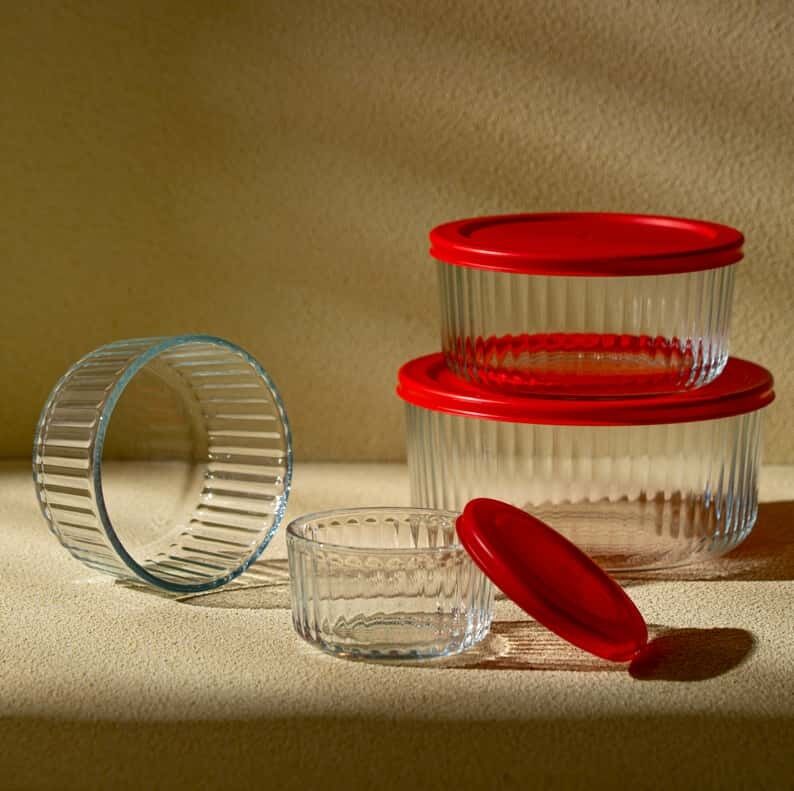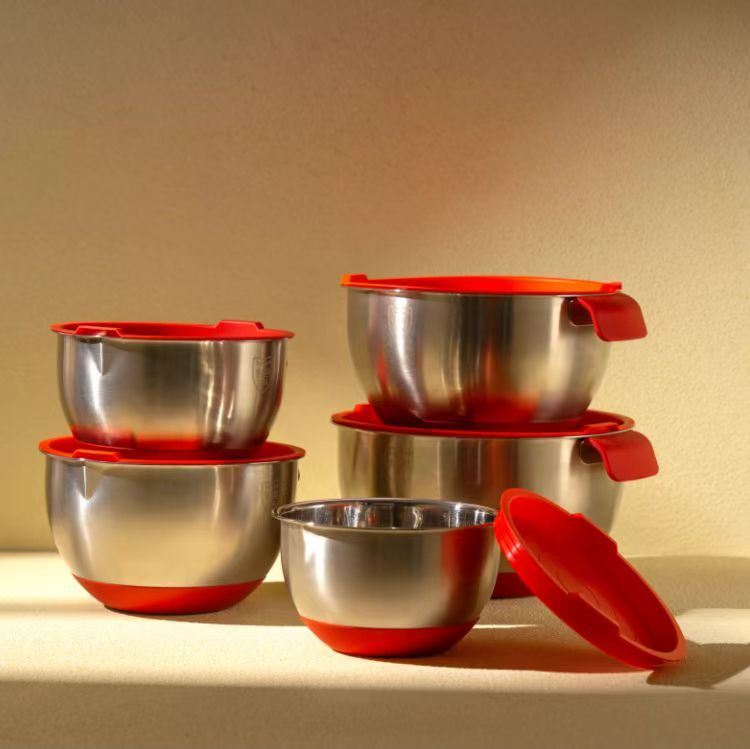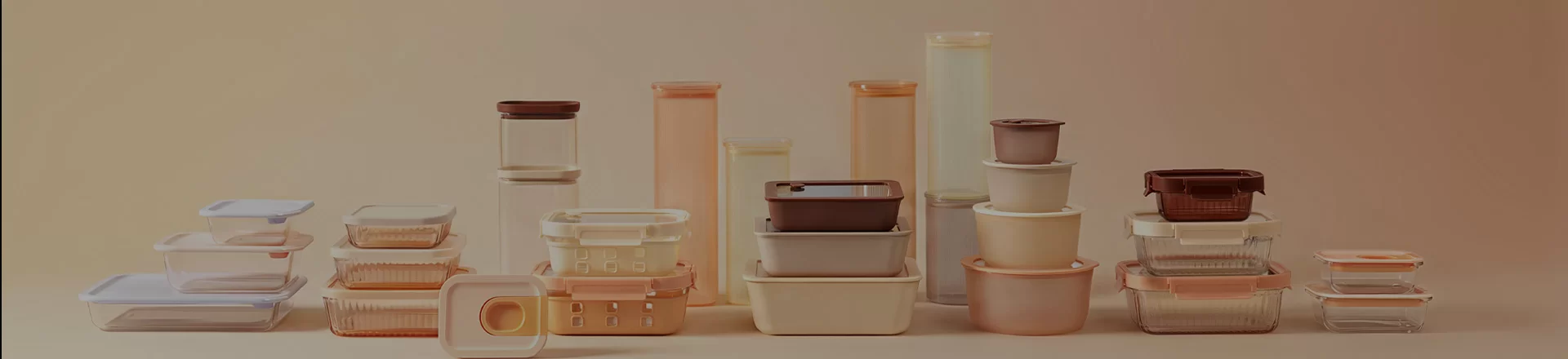
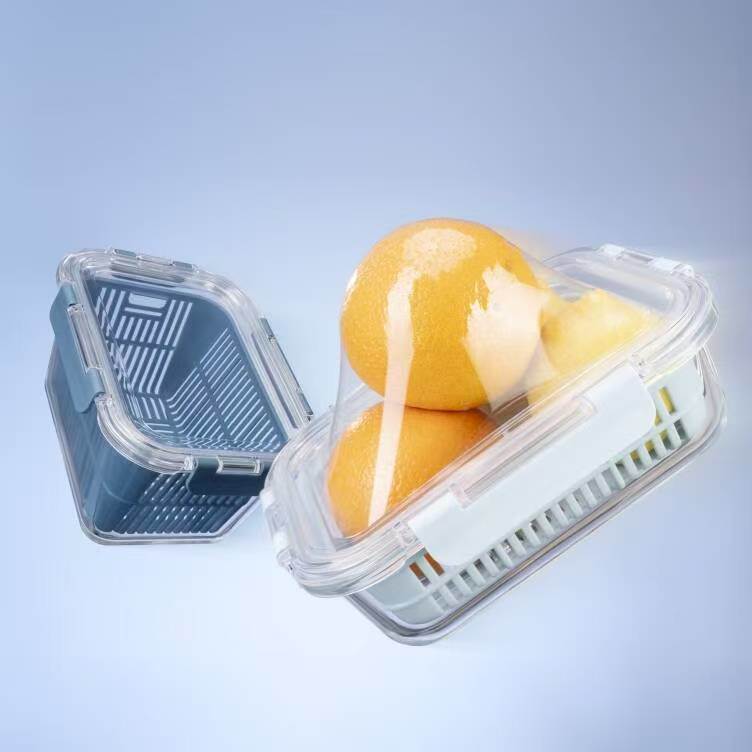
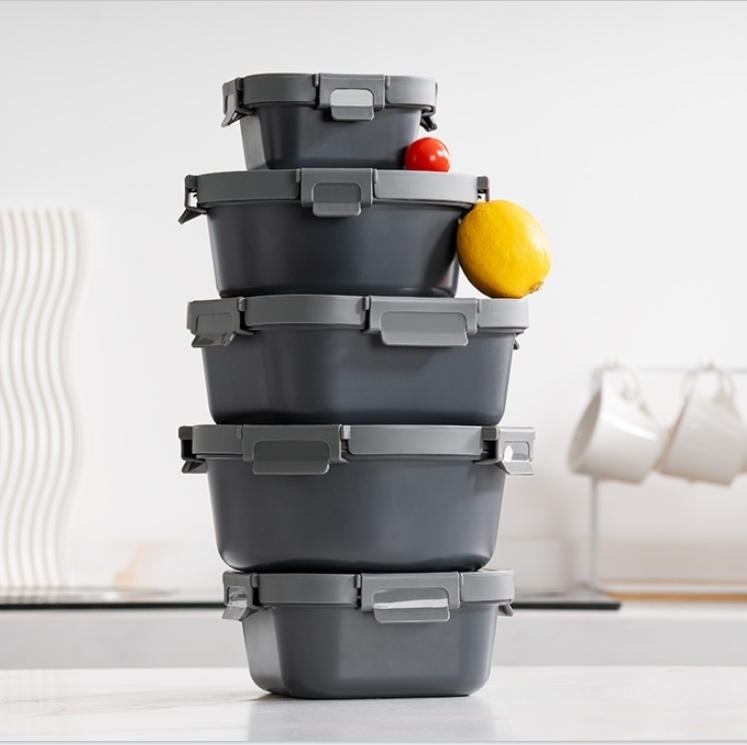
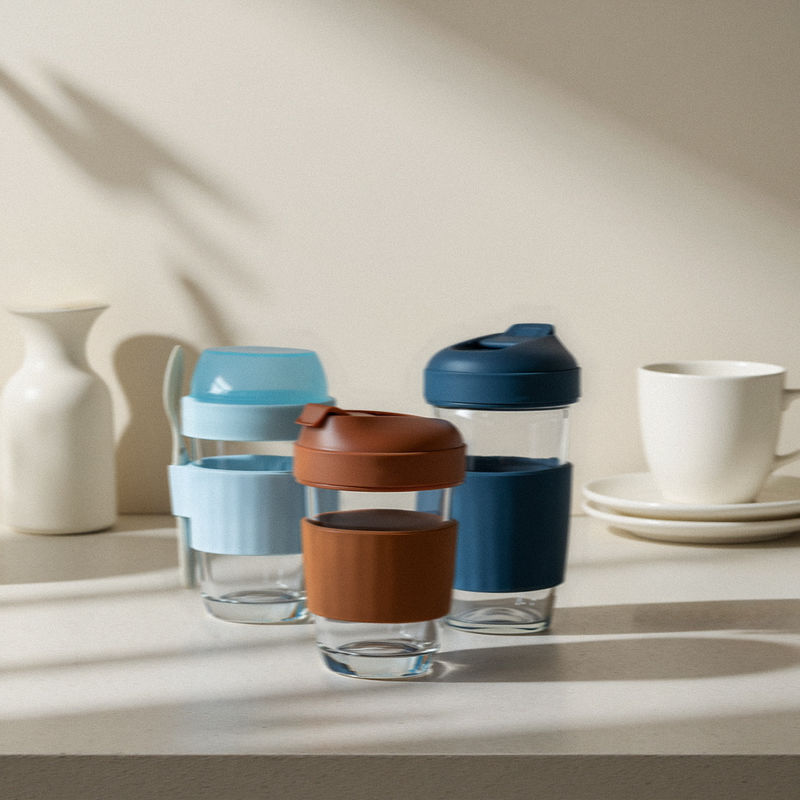
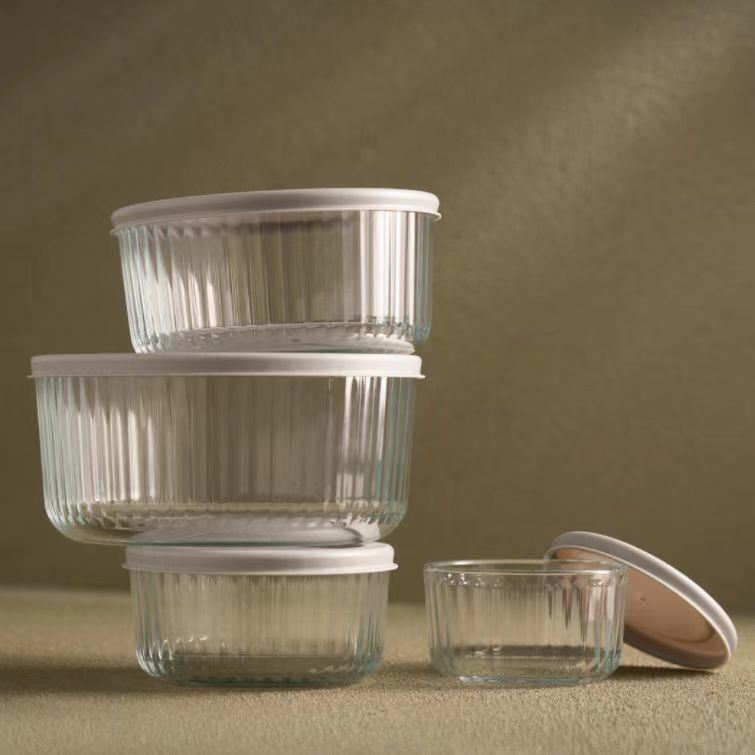
Premium microwavable glass containers Solutions for Japan's Modern Kitchens

Integrating high-borosilicate durability with minimalist Japanese aesthetics to redefine sustainable food preservation and culinary precision.

Premium microwavable glass containers Solutions for Japan's Modern Kitchens

We provide professional-grade glassware and storage solutions tailored for the rigorous quality standards of the Japanese market, focusing on thermal shock resistance and airtight sealing technology.

The Current Landscape of Glassware in Japan

Analyzing the shift toward sustainable, non-toxic storage in urban Japanese households.

In Japan, the demand for glass food storage container options has surged due to an extreme cultural emphasis on food hygiene and the "Mottainai" (waste-not) philosophy. With the prevalence of small urban apartments in Tokyo and Osaka, consumers prioritize stackable, space-saving designs that maintain the freshness of seasonal ingredients.

The regional climate, characterized by high humidity during the rainy season, makes airtight seals critical. This has led to a preference for high-performance glass bakeware with lids that prevent oxidation and contamination, ensuring that traditional Washoku dishes remain pristine.

Furthermore, the health-conscious demographic in Japan is actively replacing plastics with stainless steel food storage containers with lids and tempered glass to avoid BPA and microplastic leaching, driving the industry toward high-transparency, medical-grade materials.
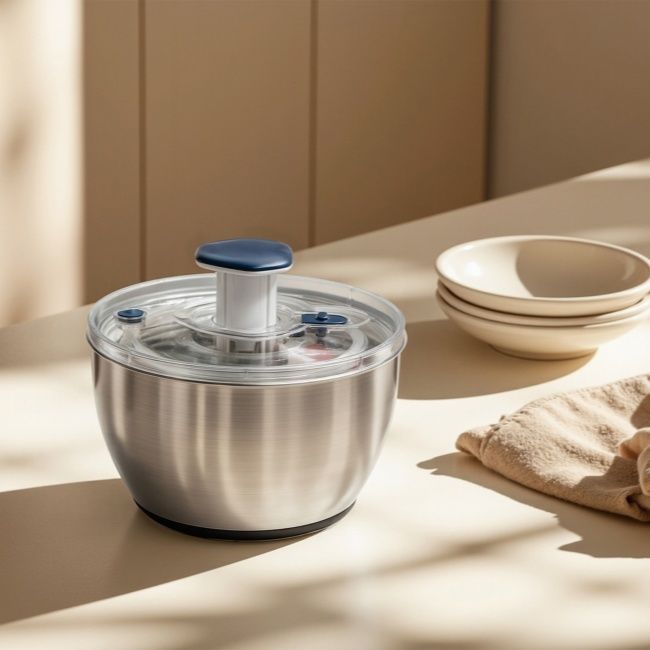
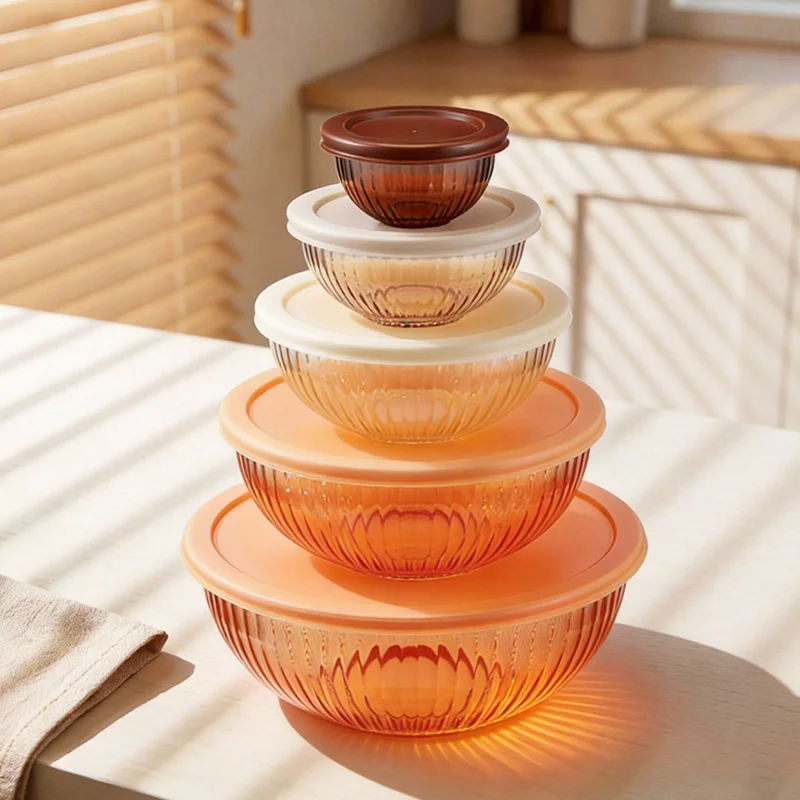
Evolution of Glass Manufacturing Technology

From traditional soda-lime glass to high-precision borosilicate engineering.

Market Development History

In the late 20th century, the Japanese market relied heavily on standard soda-lime glass, which provided transparency but lacked thermal resistance, often leading to breakage during rapid temperature changes.

By the 2010s, the iteration shifted toward borosilicate glass integration. This technical leap allowed for the mass production of a glass mixing bowl set that could transition seamlessly from the refrigerator to the oven without compromising structural integrity.

From 2020 onwards, the focus evolved into "Smart Glassware," integrating vacuum-sealing lids and microwave-safe polymers, optimizing the utility of microwavable glass containers for the fast-paced "Bento" culture.

Future Development Trends

Nano-Coating for Scratch Resistance

Implementation of silica-based nano-coatings to prevent the clouding and scratching typical of long-term commercial use in Japanese professional kitchens.

Eco-Polymer Hybrid Lids

Transitioning from standard plastics to bio-based, compostable polymers for lids, aligning with Japan's 2030 carbon neutrality goals.

Precision Thermal Modulation

Engineering glass with specific heat-retention properties to ensure food stays warm longer during the commute to the office.

Industry Trends and Future Outlook

Predicting the next 3-5 years of non-metallic mineral product innovation.

Circular Economy Integration
Designing 100% recyclable glass structures to support Japan's strict waste management protocols.
Hyper-Airtight Sealing
Developing multi-layered silicone gaskets to ensure zero air leakage for long-term fermentation.
Modular Space Optimization
Square-edge geometry to maximize fridge efficiency in compact Japanese urban dwellings.
Thermal Shock Resilience
Enhanced borosilicate formulations allowing safe transitions from -20°C to 400°C.

Industry Outlook

Based on Google search trends in the Asia-Pacific region, there is a marked increase in queries related to "plastic-free kitchens" and "borosilicate longevity." This indicates a systemic shift where Japanese consumers are viewing glassware as a long-term investment rather than a disposable commodity.

We expect the integration of smart-tracking (RFID tags in lids) to become a niche but growing trend in Japan, allowing users to track the expiration dates of their stored food via mobile apps, further reducing food waste.

Localized Application Scenarios in Japan

How our glassware integrates into the unique Japanese lifestyle.

01. Urban Bento Preparation

Using microwavable glass containers for the daily commute, allowing office workers to reheat home-cooked meals safely without plastic odors.

02. Traditional Tsukemono Fermentation

Utilizing high-seal glass food storage container sets to preserve traditional Japanese pickled vegetables while maintaining anaerobic conditions.

03. Minimalist Kitchen Organization

Implementing a glass mixing bowl set that doubles as serving ware, reducing the number of dishes in small kitchen spaces.

04. High-Temperature Oven Baking

Employing glass bakeware with lids for precision baking of Japanese cheesecakes, transitioning directly from oven to dining table.

05. Cold-Chain Meal Prepping

Combining stainless steel food storage containers with lids for chilled salads and glass containers for hot proteins, creating a balanced, healthy diet.

Brand Story

Global Development History of Shijiazhuang East Intelligent Technology Co., Ltd.

Foundation of Excellence

Established with a vision to solve the fragility of common glassware, focusing on the fusion of industrial strength and home aesthetics.

Technological Breakthrough

Perfected the borosilicate tempering process, eliminating the common pain point of thermal cracking in high-temperature environments.

Asian Market Expansion

Tailored production lines to meet the exacting standards of the Japanese market, emphasizing precision dimensions and crystal clarity.

Sustainable Innovation

Launched a series of eco-friendly packaging solutions to reduce the carbon footprint of global glass shipping.

Vision for the Future

Striving to become the world leader in intelligent glass solutions, blending IoT capabilities with traditional craftsmanship.

Frequently Asked Questions - Japan Region

Expert answers to the most common technical queries regarding glass storage.

Are your microwavable glass containers safe for sudden temperature changes?

Yes, our containers are made from high-borosilicate glass, which has a very low coefficient of thermal expansion, making them safe for transitions from freezer to microwave.

How does a glass mixing bowl set compare to stainless steel in terms of reactivity?

Glass is completely non-reactive, making it superior for mixing acidic ingredients (like lemon or vinegar) compared to some lower-grade metals.

Can glass bakeware with lids be used in the oven?

The glass body is oven-safe up to 400°C. However, we recommend removing the lids (unless specified as oven-safe) before placing them in the oven.

Are stainless steel food storage containers with lids dishwasher safe?

Absolutely. Both the stainless steel body and the high-grade silicone seals are designed to withstand industrial dishwasher cycles without warping.

What makes your glass food storage container more durable than standard glass?

We use a specialized tempering process and high-purity raw materials that increase the impact resistance and structural density of the glass.

Do the lids provide a 100% vacuum seal for long-term storage?

Our lids utilize a medical-grade silicone ring and snap-lock mechanism that creates an airtight seal, preventing leaks and oxidation effectively.

Ready to Upgrade Your Kitchen Standards?

Contact our specialists today for customized B2B glass solutions and bulk orders across Japan.

Contact Us Now

If you are interested in our products, you can choose to leave your information here, and we will be in touch with you shortly.