Premium microwavable glass containers Solutions for South Sudan

High-durability food preservation and bakeware engineered for the challenging climatic conditions and evolving culinary needs of the South Sudanese market.

Current State of Glassware and Food Storage in South Sudan

Analyzing the intersection of extreme tropical heat and the demand for hygienic storage.

In South Sudan, the extreme temperature fluctuations and high humidity levels pose a significant challenge to food preservation. Historically, there has been a heavy reliance on plastic containers, which degrade under intense UV exposure and can leach chemicals when exposed to heat, creating an urgent market need for glass food storage container options that are chemically inert and thermally stable.

The current logistics landscape in Juba and other urban centers is seeing a rise in the hospitality sector, where the demand for professional-grade glass mixing bowl set products is growing. However, the fragility of standard glass during long-distance transport across rough terrain remains a primary pain point for local distributors.

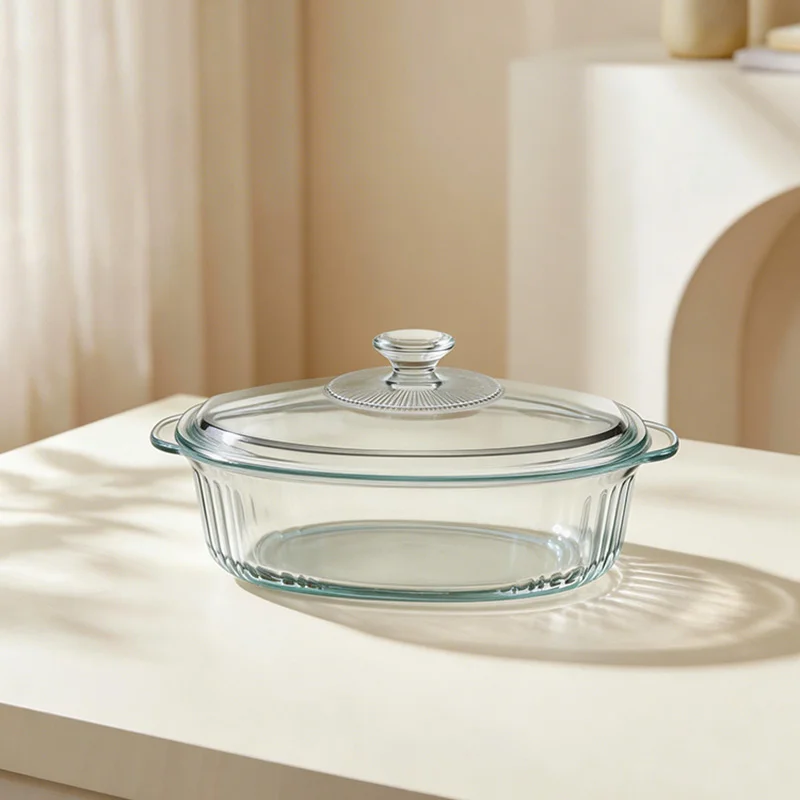
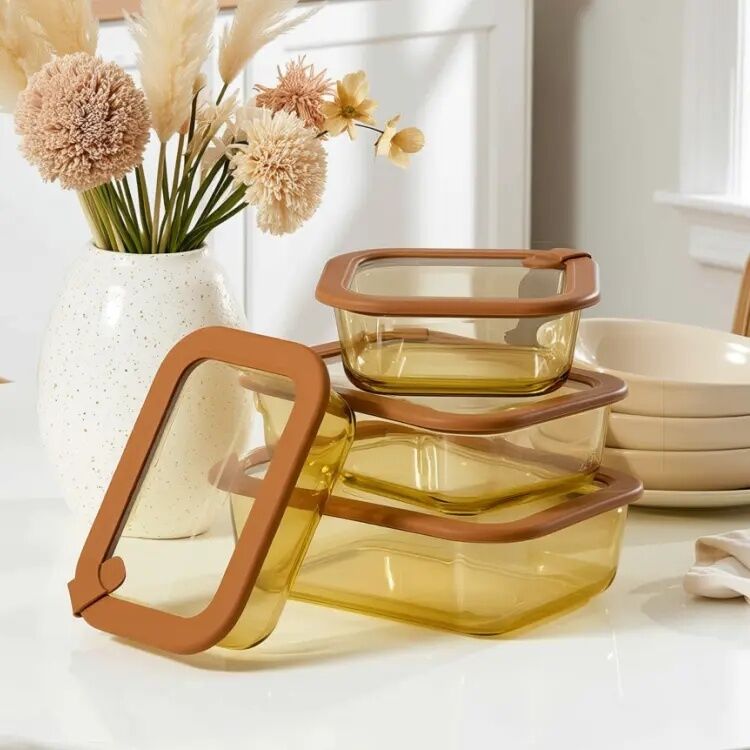
Furthermore, as electricity grids stabilize and microwave adoption increases in modern South Sudanese households, there is a visible shift toward microwavable glass containers. The market is transitioning from basic utilitarian vessels to multifunctional cookware that supports both storage and rapid reheating.
Evolution of Daily Glassware Manufacturing

From artisanal blowing to high-precision borosilicate engineering.

Market Development History

Between 2000 and 2010, the market was dominated by basic soda-lime glass, which offered limited thermal shock resistance. Most storage was improvised or imported as low-cost, fragile items that could not withstand the rigorous demands of industrial kitchens.

From 2011 to 2020, we witnessed the introduction of tempered glass and the first wave of glass bakeware with lids. This period marked a transition toward "health-conscious" storage, where consumers began prioritizing non-porous materials over plastics to prevent mold growth in humid climates.

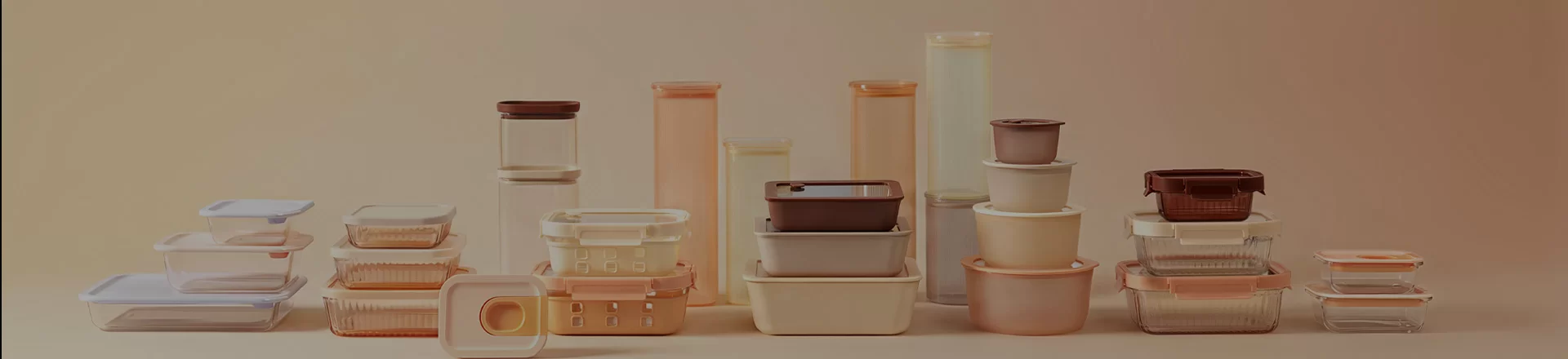
Since 2021, the focus has shifted toward hybrid materials. The integration of stainless steel food storage containers with lids alongside borosilicate glass has allowed for a versatile ecosystem of storage that caters to both outdoor rugged use and indoor kitchen precision.

Future Development Trends

Thermal Shock Optimization

Upcoming iterations will focus on enhanced borosilicate compositions to prevent cracking during rapid temperature shifts, specifically for high-heat cooking common in East African cuisine.

Eco-Friendly Sealant Technology

We expect a move toward biodegradable or high-grade silicone seals for all containers, reducing the environmental footprint in the Nile Basin region.

Smart Volume Standardization

Future product lines will likely adopt standardized modular sizes to optimize cargo space during import to South Sudan, reducing landed costs for the end consumer.

Industry Trends and Future Outlook

Strategic projections for the non-metallic mineral products sector.

Advanced Borosilicate Integration
Transitioning from standard glass to low-expansion borosilicate for superior microwave and oven safety.
Hybrid Material Synergy
Combining steel durability with glass transparency for a complete food storage ecosystem.
Hermetic Seal Innovation
Development of vacuum-lock lids to extend food shelf life in high-temperature environments.
Sustainable Logistics
Optimizing packaging to reduce breakage rates during transport to the South Sudanese interior.

Industry Outlook

Based on Google search trends for "sustainable kitchenware" in East Africa, we predict a 25% increase in demand for non-plastic storage over the next 3 years. The South Sudanese market is poised for a rapid shift toward premium borosilicate products as disposable income in urban centers grows.

Furthermore, the integration of high-capacity glass bakeware with lids will become a standard in the burgeoning restaurant sector of Juba, replacing outdated aluminum alternatives with hygienic, transparent glass solutions.

Localized Application Scenarios in South Sudan

Practical implementations of our glass and steel solutions in regional contexts.

01. Urban Meal Prep in Juba

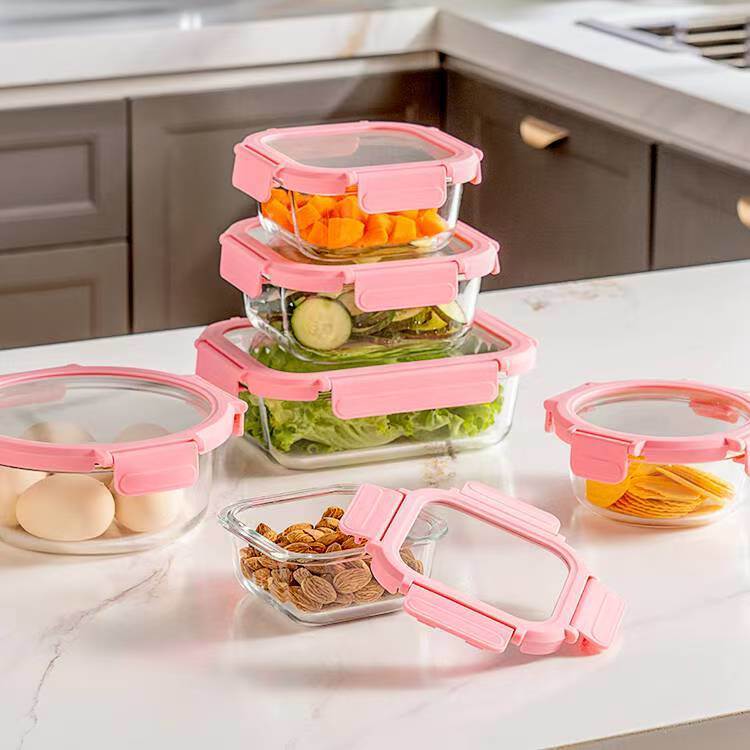
Professionals in the capital use microwavable glass containers to prepare weekly meals, ensuring freshness despite the heat and enabling safe reheating in office environments.

02. High-Humidity Pantry Storage

Using a glass food storage container with an airtight seal prevents moisture and pests from contaminating grains and spices, a common issue in South Sudanese rural homes.

03. Commercial Catering and Baking

Local bakeries utilize glass bakeware with lids for both the baking process and the immediate transport of cakes and pastries to clients, maintaining temperature and hygiene.

04. Outdoor Market Transport

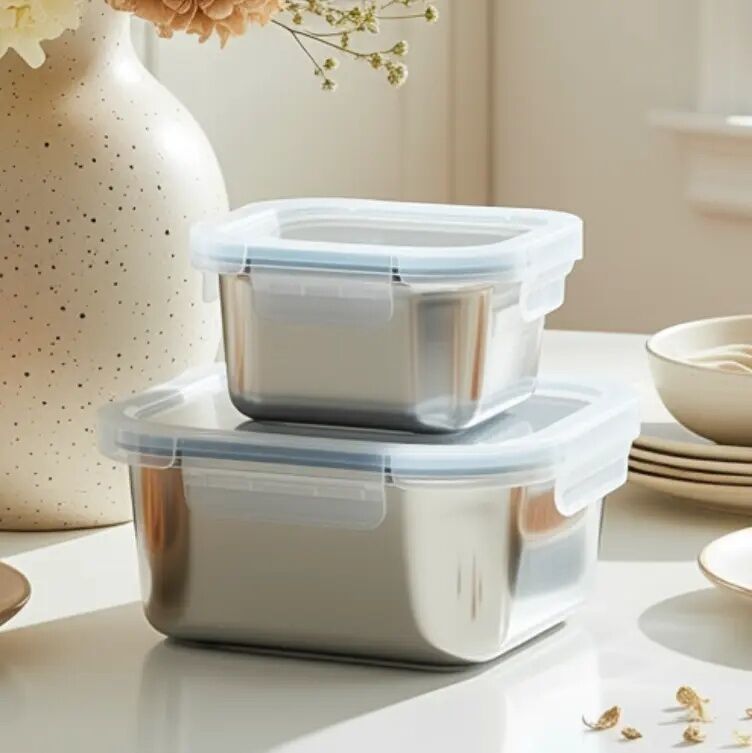
Vendors employ stainless steel food storage containers with lids for transporting bulk ingredients across unpaved roads, benefiting from the impact resistance of steel.

05. Large Scale Food Preparation

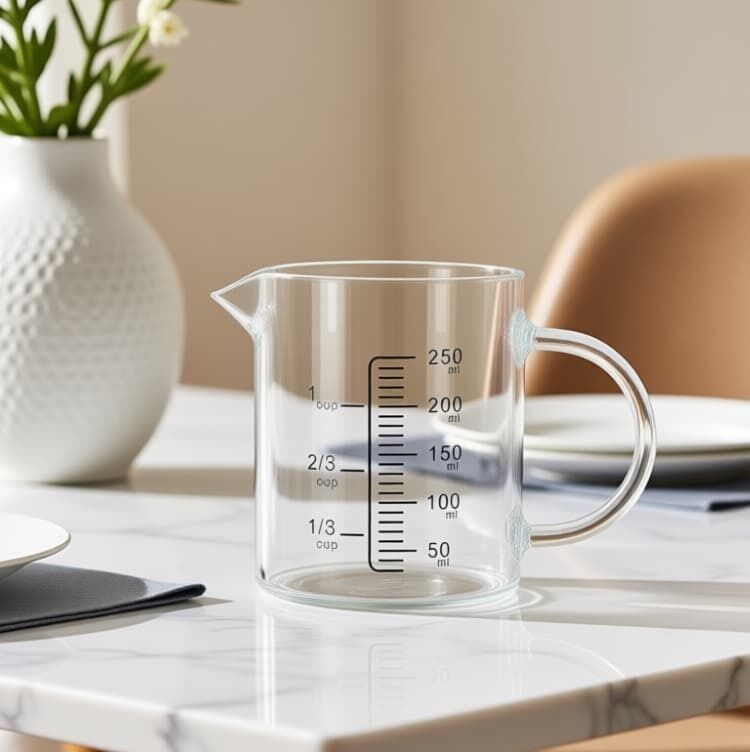
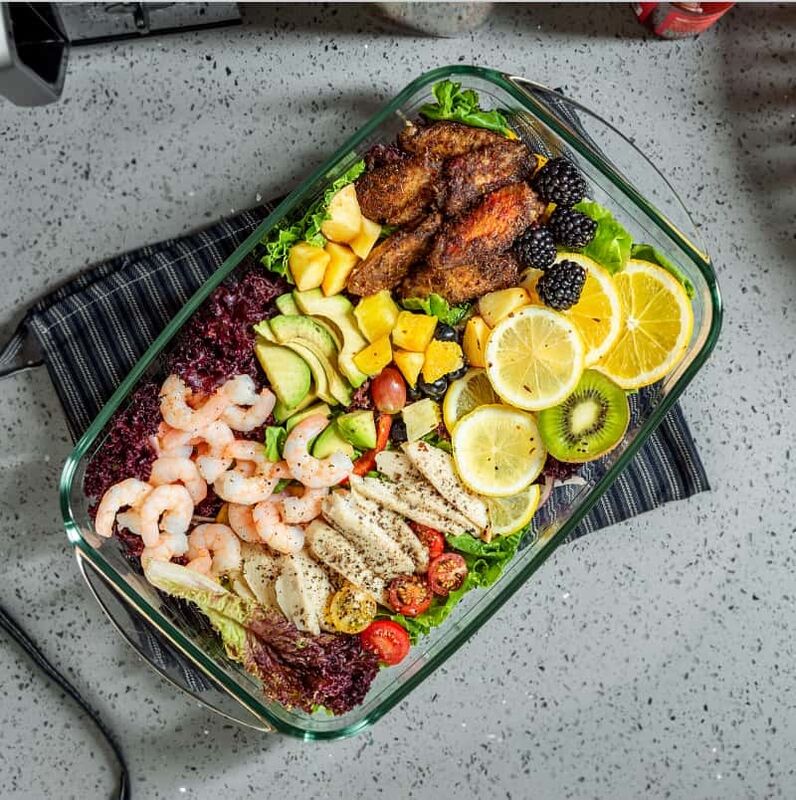
Community kitchens and large family gatherings rely on a professional glass mixing bowl set to handle large volumes of traditional dishes while maintaining a sanitary, non-reactive surface.

Brand Story

Global Development Journey of Shijiazhuang East Intelligent Technology Co., Ltd.

Foundational Excellence

Established as a specialist in non-metallic mineral products, we began with a mission to solve the instability of low-grade glassware in emerging markets.

Technical Breakthroughs

We pioneered the integration of automated precision molding, reducing internal stress in glass structures to prevent spontaneous breakage.

Global Market Expansion

Expanding into Africa, we tailored our product lines to survive extreme climates, focusing on thermal shock resistance and logistical durability.

Sustainability Pivot

We shifted toward eco-friendly production, eliminating hazardous chemicals from the glass tempering process to ensure food-grade safety.

Vision for the Future

Today, we strive to be the primary infrastructure provider for hygienic food storage globally, bridging the gap between industrial power and household health.

Common Inquiries from South Sudanese Clients

Expert answers regarding the use and maintenance of professional glassware.

Can microwavable glass containers withstand the high heat of South Sudanese kitchens?

Yes, our containers are made from high-borosilicate glass, which is specifically designed to withstand rapid temperature changes and high heat without cracking.

What makes stainless steel food storage containers with lids better for transport in rural areas?

Stainless steel provides unmatched impact resistance, making it ideal for transport over rough terrain where glass might be too fragile for bulk logistics.

Is a glass mixing bowl set hygienic for traditional fermented foods?

Absolutely. Glass is non-porous and chemically inert, meaning it will not react with acidic or fermented ingredients, ensuring zero flavor contamination.

How do glass bakeware with lids prevent food spoilage in humid weather?

The airtight seals on our bakeware create a vacuum-like environment that blocks out moisture and airborne contaminants, significantly extending shelf life.

Can I use a glass food storage container in a conventional oven?

Our borosilicate range is oven-safe. However, we recommend removing plastic lids before placing them in the oven to avoid melting.

Do you offer bulk shipping protections for glass shipments to Juba?

Yes, we implement reinforced honeycomb packaging and customized pallets to minimize breakage during the long-haul transit to South Sudan.

Request a Professional Consultation

Partner with the leader in glass manufacturing to upgrade your food storage infrastructure in South Sudan.

Contact Us Now

If you are interested in our products, you can choose to leave your information here, and we will be in touch with you shortly.