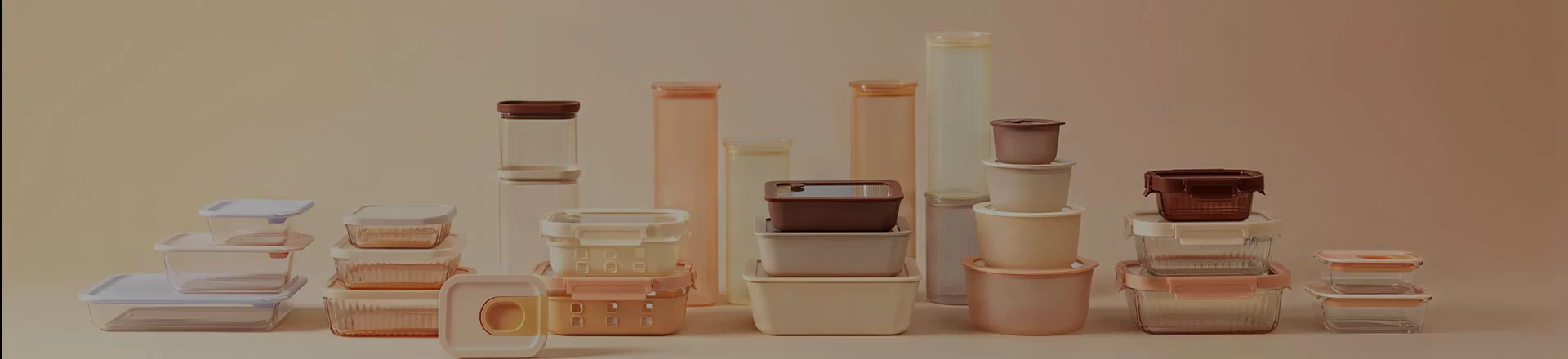
Optimize your meal prep and pantry workflow with professional organization strategies and high-performance storage solutions.
Implementing a high-efficiency system to maximize refrigerator space and preserve food freshness.
When considering how to organize glass food storage containers, the goal is to balance accessibility with space optimization. A well-structured system prevents the common "cabinet avalanche" and ensures that meal prep remains a streamlined process rather than a chaotic chore. By utilizing stackable designs and consistent sizing, users can transform a cluttered pantry into a professional-grade storage hub.
Beyond simple organization, the choice of material plays a critical role in health and longevity. IKOO GLASS provides advanced alternatives, such as microwave-safe stainless steel containers with PP locking lids, which combine the hygiene of non-porous materials with the organizational benefits of stackable geometry, ensuring your kitchen remains eco-friendly and efficient.
Three foundational strategies to maintain a pristine and functional food storage environment.
Utilizing shape and size to maximize every cubic inch of storage space.
Selecting materials that support both health and organizational longevity.
Aligning storage habits with daily meal preparation cycles.
Comparing material benefits and organizational priorities for modern kitchen management.
Detailed technical parameters for IKOO Glass and Stainless Steel storage solutions.
Proven application scenarios for optimizing food storage workflows across different user profiles.
Replacing mismatched plastic bins with stackable stainless steel containers reduced refrigerator space usage by 30%.
Transitioning to BPA-free stainless steel containers eliminated chemical leaching concerns for school-age children.
A catering service optimized its prep line by utilizing standardized rectangular stainless steel boxes for ingredient storage.
Users switched to oven-safe stainless containers, reducing the need for transferring food between pots and storage.
By replacing single-use plastic with durable 304 stainless steel, a household reduced its annual plastic waste by 40%.
Implementing non-porous stainless steel containers prevented odor transfer and bacterial growth in sensitive ingredients.
Tailored solutions for demanding environments.
Daily meal prep and fridge organization using stackable, diverse-sized containers.
Safe, durable, and leak-proof lunch solutions for students and staff.
High-volume food transport and storage with industrial-grade stainless steel.
Supplying eco-friendly, BPA-free storage options for specialty food markets.
Standardized ingredient storage for professional kitchens to maintain hygiene.
Optimizing B2B delivery cycles with durable, high-capacity storage sets.
Strict adherence to FDA and ISO9001 standards ensures all stainless steel and PP materials are food-grade and safe.
Our facilities are audited by global entities including Walmart, AVON, and BSCI to ensure ethical and quality production.
Rigorous testing for microwave and oven safety, as well as leak-proof seal integrity across various temperature ranges.
Certified manufacturing excellence meeting the highest international food safety and quality requirements.
Expert answers to common technical and commercial inquiries regarding storage organization.
The most effective method is to use stackable, uniform shapes (rectangular or square) to maximize vertical space. Group containers by size and usage frequency to ensure easy access.
Yes, stainless steel (especially 304 and 316 grades) is non-porous, does not leach BPA or other chemicals when heated, and is naturally resistant to bacteria and corrosion.
IKOO GLASS offers specialized microwave and oven-safe stainless steel containers. Always verify the specific product model's thermal rating before use.
Standardize your container set to use identical lid sizes where possible. Use a dedicated lid organizer or store lids nested inside the containers when not in use.
For international standards, prioritize FDA and ISO9001 certifications. Social responsibility audits like BSCI also ensure a sustainable and ethical supply chain.
Yes, IKOO GLASS provides full OEM/ODM support, allowing businesses to customize shapes, materials, and capacities to meet specific brand or user needs.
Whether you are a retail distributor or a meal-prep enthusiast, we provide the professional-grade containers you need for a healthier, organized kitchen.
If you are interested in our products, you can choose to leave your information here, and we will be in touch with you shortly.


