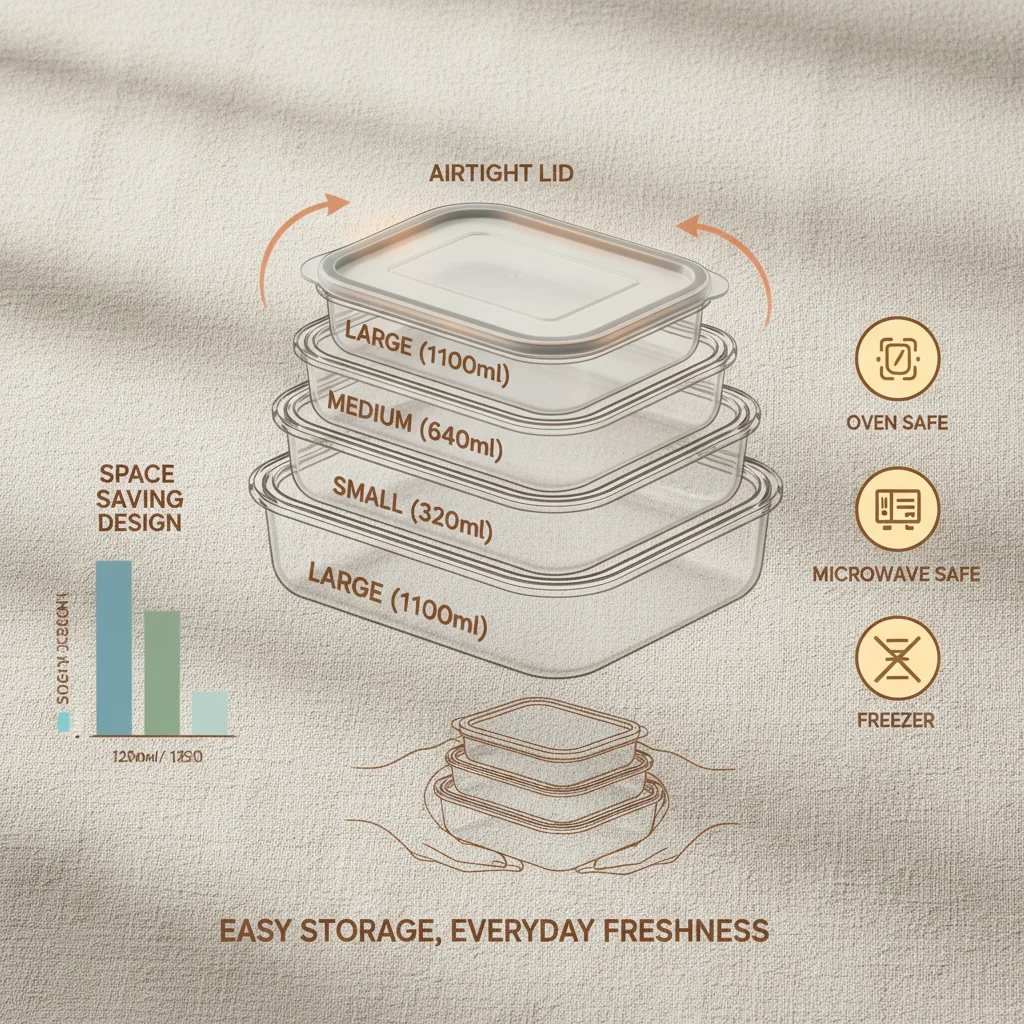
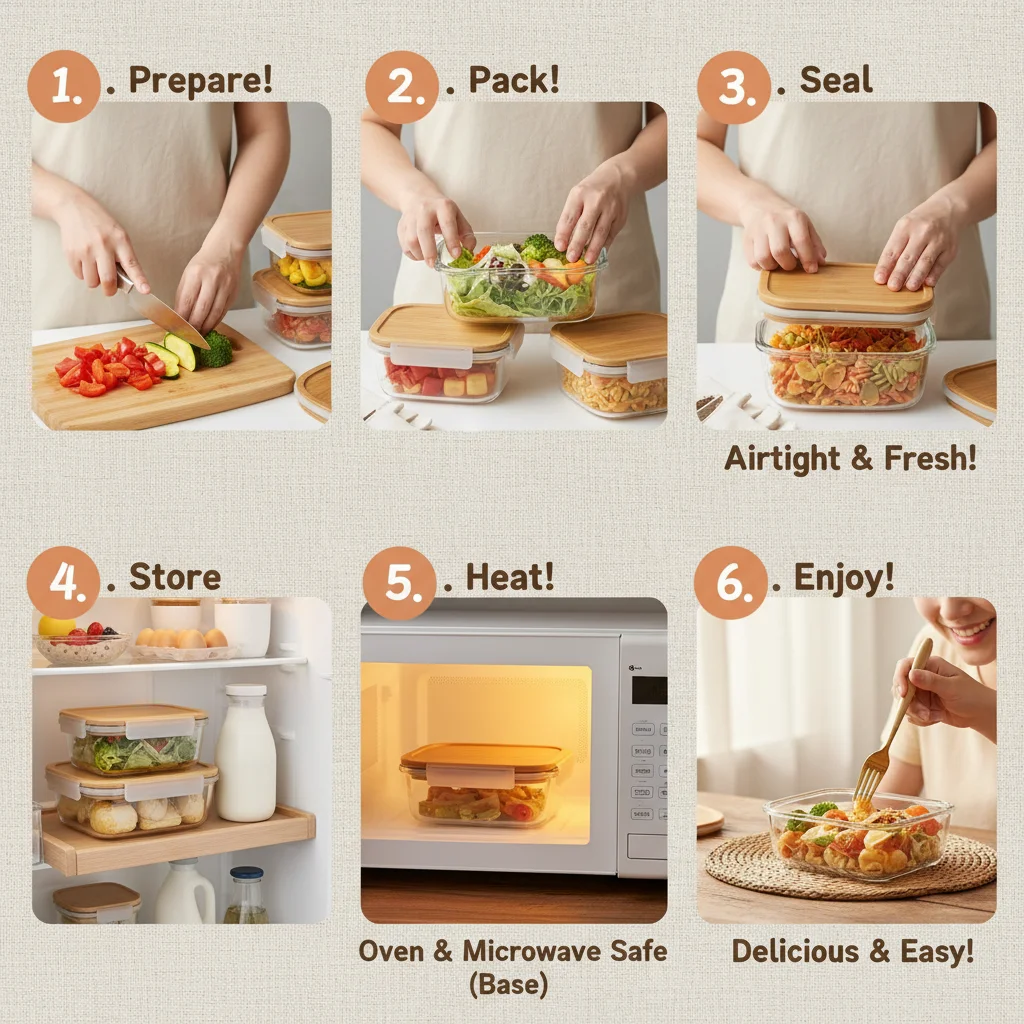
In the modern era of conscious consumption, the shift toward sustainable kitchenware has become a global priority. The adoption of genicook glass container food storage represents more than just a trend in home organization; it is a fundamental move toward reducing single-use plastic waste and enhancing food safety through non-reactive materials. As households worldwide seek ways to extend the shelf life of fresh produce, the demand for high-borosilicate and tempered glass solutions continues to rise.
From a technical standpoint, the engineering behind these containers focuses on thermal shock resistance and airtight sealing technology. By integrating precision-molded lids with high-grade glass, genicook glass container food storage addresses the critical challenge of oxidative spoilage, ensuring that nutrients are preserved and flavors remain untainted. This synergy of material science and ergonomic design allows for a seamless transition from freezer to oven, simplifying the meal-prep process for millions.
Understanding the nuances of these storage systems is essential for both professional chefs and home cooks who prioritize health and sustainability. By choosing a system that emphasizes durability and transparency, users can better manage their inventory, reduce food waste, and embrace a more organized lifestyle. This guide explores the comprehensive benefits and technical advantages of implementing a high-quality glass storage system in any modern culinary environment.
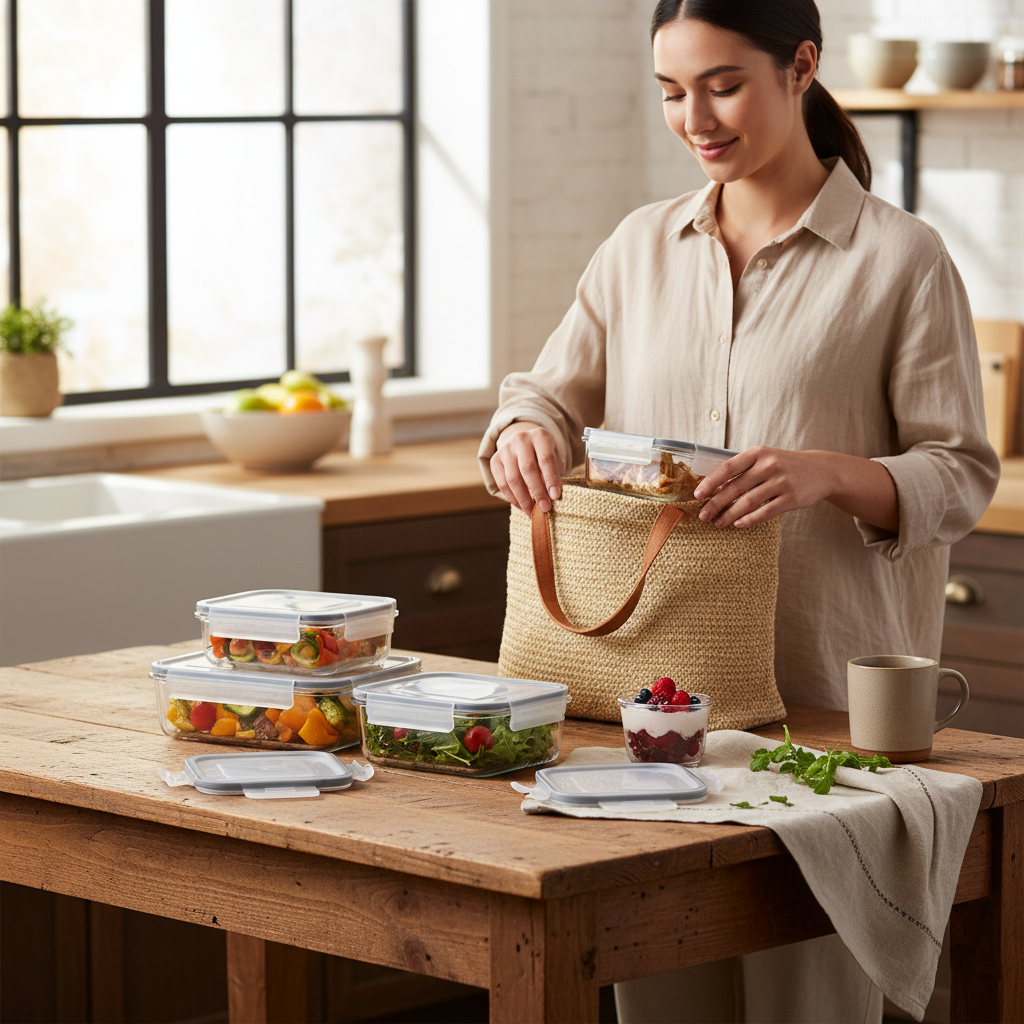
The Global Impact of genicook glass container food storage
The global shift toward sustainable living has placed genicook glass container food storage at the center of the environmental movement. With the World Bank and various UN environmental initiatives highlighting the catastrophic impact of microplastics in the food chain, the industry has seen a pivot toward inert materials. Glass, being naturally BPA-free and non-porous, provides a critical solution to the problem of chemical leaching often found in low-grade plastics.
Beyond the ecological benefits, the adoption of these storage systems reflects a global trend toward "mindful eating" and meal preparation. By providing a clear view of contents, these containers reduce the likelihood of forgotten food spoiling in the back of the refrigerator, thereby directly contributing to the global effort to reduce food waste—a challenge that currently affects nearly one-third of all food produced for human consumption.
Defining the Standards of genicook glass container food storage
At its core, genicook glass container food storage refers to a specialized system of food-grade glass vessels designed for the preservation, transport, and reheating of meals. Unlike standard glassware, these products are engineered to withstand significant temperature fluctuations, making them suitable for a wide range of kitchen tasks from deep-freezing to microwave heating.
In the context of modern industrial standards, these containers are often evaluated by their thermal shock resistance and the integrity of their vacuum seals. The integration of high-quality silicone gaskets and locking mechanisms ensures that the environment inside the container remains isolated from external contaminants, which is essential for maintaining the sensory qualities of the food.
Furthermore, the concept extends to humanitarian and health needs, where the ability to store nutrients without the risk of contamination is paramount. Whether used in high-end urban kitchens or in healthcare facilities requiring sterile food transport, the standard of excellence in glass storage focuses on purity, transparency, and longevity.
Core Components of High-Performance Glass Storage
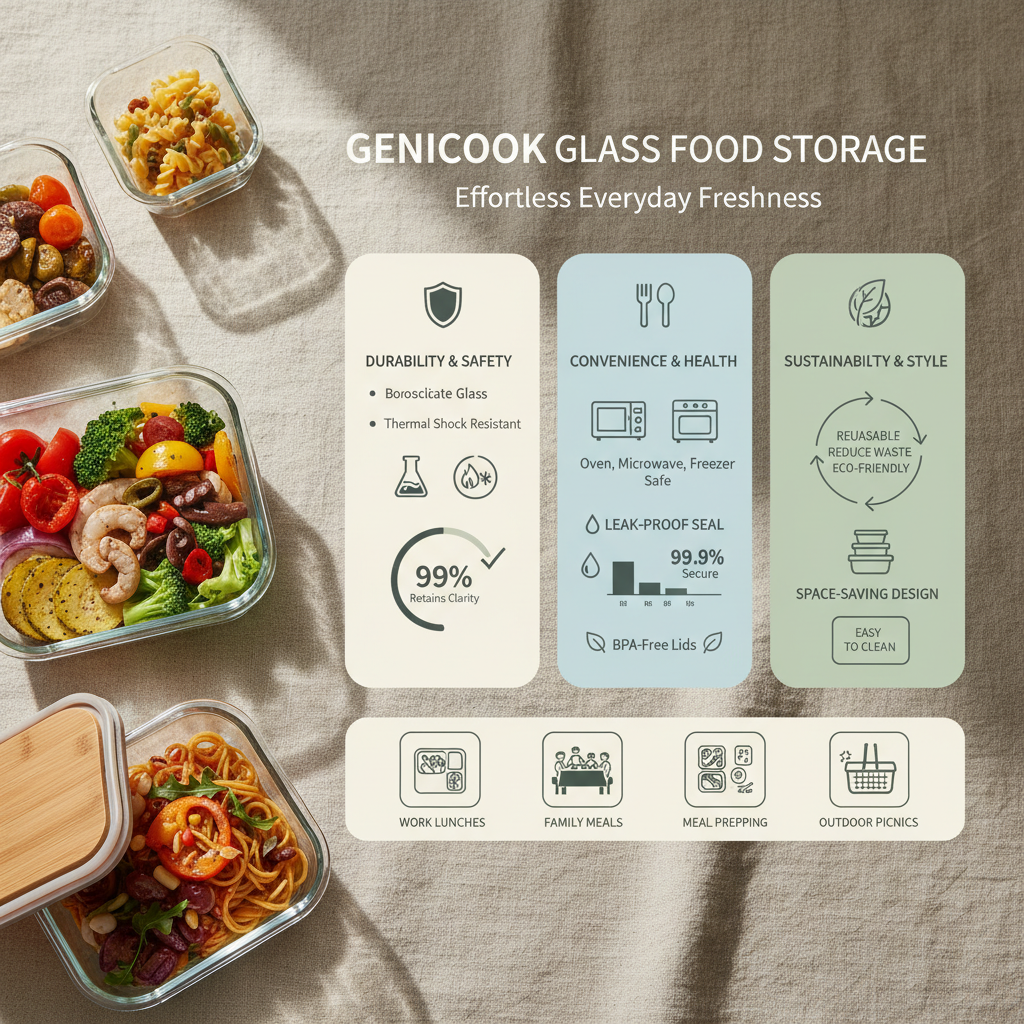
The effectiveness of genicook glass container food storage relies heavily on its material composition. Borosilicate glass is often the gold standard here, as it possesses a lower coefficient of thermal expansion compared to soda-lime glass. This allows the container to transition from a cold refrigerator to a hot oven without cracking, providing unparalleled versatility for the user.
Another critical component is the sealing mechanism. The use of food-grade silicone rings combined with heavy-duty locking clips creates an airtight and leak-proof barrier. This specific engineering prevents air from entering, which slows down the oxidation process and keeps ingredients like salads or soups fresh for significantly longer periods than traditional lids.
Finally, the ergonomic design of the containers ensures scalability and space efficiency. By employing stackable geometries, genicook glass container food storage maximizes vertical space in pantries and refrigerators. This organizational efficiency is not just a convenience but a strategic approach to kitchen management that encourages better food planning and consumption.
Technical Efficiency and Material Durability
When analyzing the technical efficiency of genicook glass container food storage, we must look at the balance between weight, thickness, and impact resistance. While glass is inherently more fragile than plastic, modern tempering processes have significantly increased the structural integrity of these containers, making them resilient enough for daily commuting and professional catering.
The thermal conductivity of glass also plays a vital role in food safety. Glass heats and cools more evenly than plastic, reducing the risk of "hot spots" during microwave use that can lead to uneven cooking or burns. This consistent thermal performance ensures that the nutritional value of the food is preserved while maintaining a high standard of safety.
Performance Metrics for genicook glass container food storage
Real-World Applications Across Diverse Environments
In professional culinary settings, genicook glass container food storage is widely utilized for "mise en place" preparation. High-end restaurants in Europe and North America utilize these containers to prep ingredients in bulk, knowing that the non-reactive glass will not alter the delicate flavor profiles of organic herbs or acidic sauces over several days.
Beyond the professional kitchen, these containers are essential in health-conscious households and educational institutions. For example, in corporate wellness programs, employees are encouraged to use glass containers to avoid the endocrine disruptors found in plastic, promoting a culture of health and environmental stewardship. Even in remote industrial zones, where food security is a challenge, the durability of glass storage ensures that meals are transported safely and stored hygienically.
Long-Term Economic and Ecological Value
While the initial investment in genicook glass container food storage may be higher than that of plastic alternatives, the long-term economic value is significantly greater. Glass containers do not warp, stain, or absorb odors, meaning they can be used for years without needing replacement. This eliminates the recurring cost of replacing degraded plastic bins.
From an ecological perspective, the impact is profound. By transitioning to a permanent storage solution, a single household can prevent hundreds of plastic containers and bags from entering landfills and oceans annually. The recyclability of glass—which can be recycled infinitely without loss of quality—further enhances its sustainability profile.
Moreover, there is a psychological value associated with this transition. The clarity and cleanliness of glass promote a sense of order and dignity in food handling. Users report a higher level of trust in the safety of their food, knowing that no hidden chemicals are migrating from the container into their meals, which fosters a healthier relationship with the food they consume.
Future Innovations in Glass Storage Technology
The future of genicook glass container food storage is leaning toward the integration of "smart" materials and sustainable lid alternatives. We are seeing a rise in eco-wood lids and bamboo composites that replace plastic components entirely, creating a 100% biodegradable or infinitely recyclable storage system.
Furthermore, the industry is exploring the use of nano-coatings to enhance the shatter-resistance of glass without compromising its purity. These invisible layers could potentially make glass containers as durable as high-impact polymers while retaining the non-toxic advantages of glass, effectively removing the only major deterrent to widespread adoption.
Digital transformation is also touching the storage sector. Imagine containers with integrated RFID tags or QR codes that sync with a mobile app to track expiration dates and suggest recipes based on current inventory. This fusion of traditional material science and modern IoT will redefine how we interact with genicook glass container food storage in the coming decade.
Comparison of Glass Storage Material Specifications and Performance
| Material Type |
Thermal Stability |
Chemical Inertness |
Lifespan Rating |
| Borosilicate Glass |
Excellent (High) |
Absolute |
10/10 |
| Tempered Soda-Lime |
Moderate |
High |
8/10 |
| Standard Glass |
Low |
High |
6/10 |
| Plastic-Glass Hybrid |
Moderate |
Variable |
7/10 |
| Ceramic-Glass Blend |
Very High |
High |
9/10 |
| Eco-Coated Glass |
High |
Absolute |
9/10 |
FAQS
Yes, provided they are made from borosilicate glass. Most high-quality glass storage containers are designed to withstand high temperatures. However, always ensure the lid (especially if it's plastic or silicone) is removed before placing the container in the oven. For specific temperature limits, please refer to the manufacturer's guidelines to avoid thermal shock.
To ensure a leak-proof seal, first check that the silicone gasket is properly seated in the lid's groove. When locking the clips, apply firm pressure until you hear or feel a click. We recommend avoiding overfilling the container to leave a small amount of air space, which helps the vacuum seal maintain its integrity during movement.
Absolutely. Glass is an excellent material for freezing as it doesn't absorb smells or leach chemicals. The key is to leave about an inch of headspace at the top of the container to allow food to expand as it freezes. This prevents the glass from cracking under the pressure of expanding ice crystals.
While the glass is non-porous, silicone lids can sometimes absorb scents. We suggest soaking the lids in a mixture of warm water, baking soda, and white vinegar for 30 minutes. For stubborn stains, a paste of baking soda and water scrubbed gently with a soft brush usually does the trick without damaging the seal.
Glass is naturally heavier, which often provides more stability in the fridge and a more premium feel. While they can break if dropped on a hard surface, tempered and borosilicate glass are engineered for durability. The long-term benefit of not having to replace warped or stained plastic containers far outweighs the slight increase in weight.
Glass is one of the most recyclable materials on Earth. If a container breaks, please handle it safely and place it in your local glass recycling bin. If the container has a composite lid, separate the silicone or plastic parts from the glass to ensure each material is processed through the correct recycling stream.
Conclusion
Integrating genicook glass container food storage into your daily routine is a strategic decision that yields benefits across health, economics, and environmental sustainability. By leveraging materials like borosilicate glass and precision-engineered sealing systems, users can significantly reduce food waste, eliminate exposure to harmful plastics, and simplify their meal preparation. The combination of thermal versatility and timeless durability makes glass storage an indispensable tool for the modern, conscious kitchen.
Looking forward, as we move toward a zero-waste society, the role of high-performance glassware will only grow. We encourage everyone to transition away from disposable plastics and invest in storage solutions that respect both the body and the planet. For those seeking the pinnacle of quality and design in food preservation, we invite you to explore our professional range. Visit our website: www.ikoo-glass.com