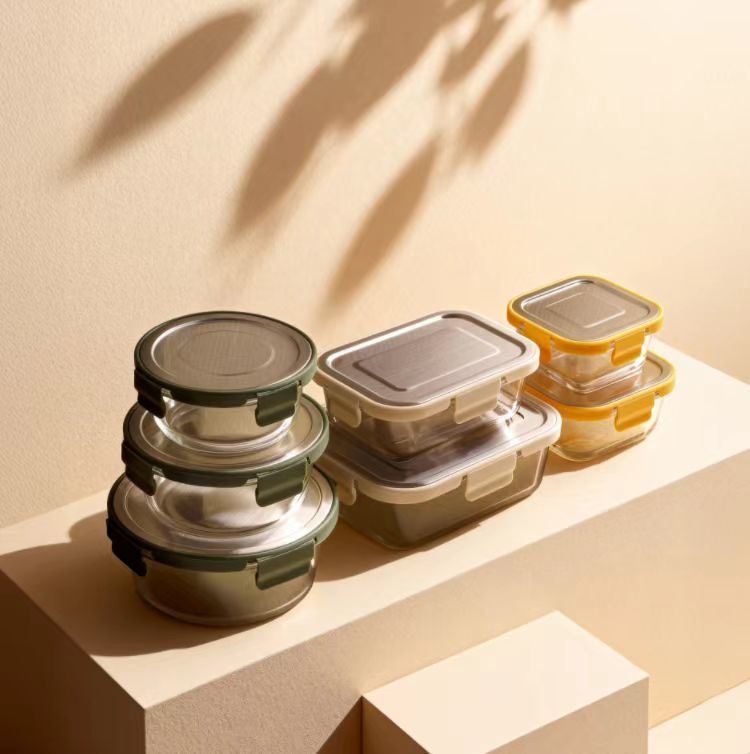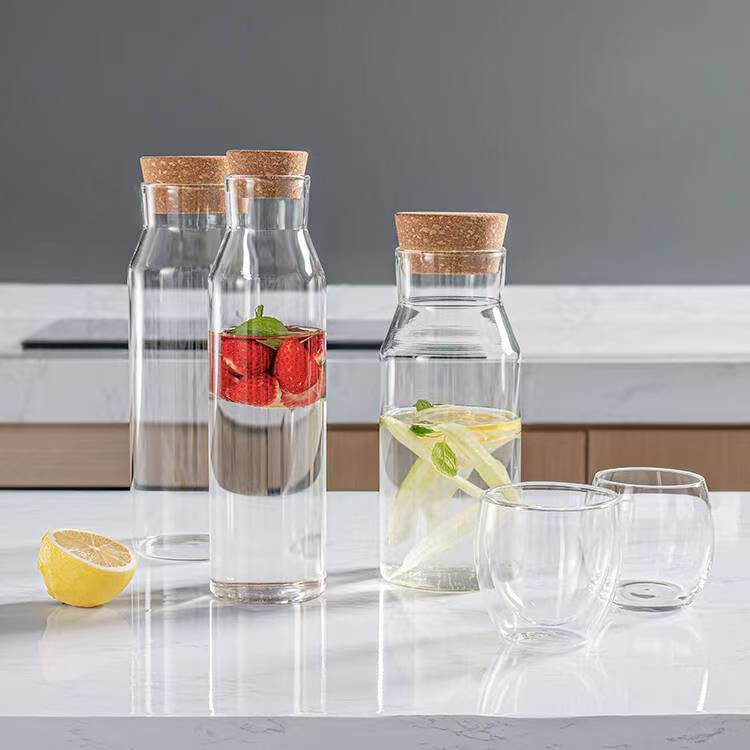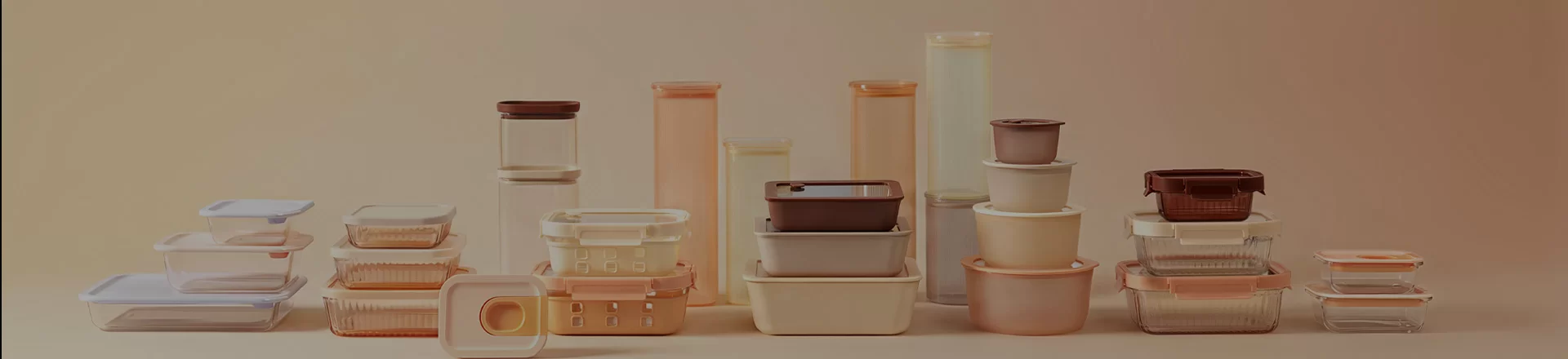
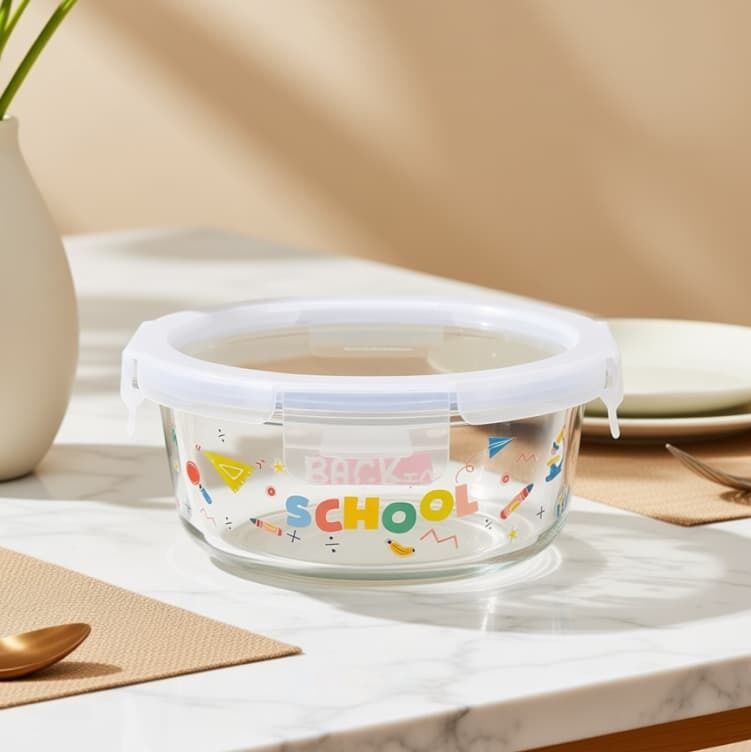
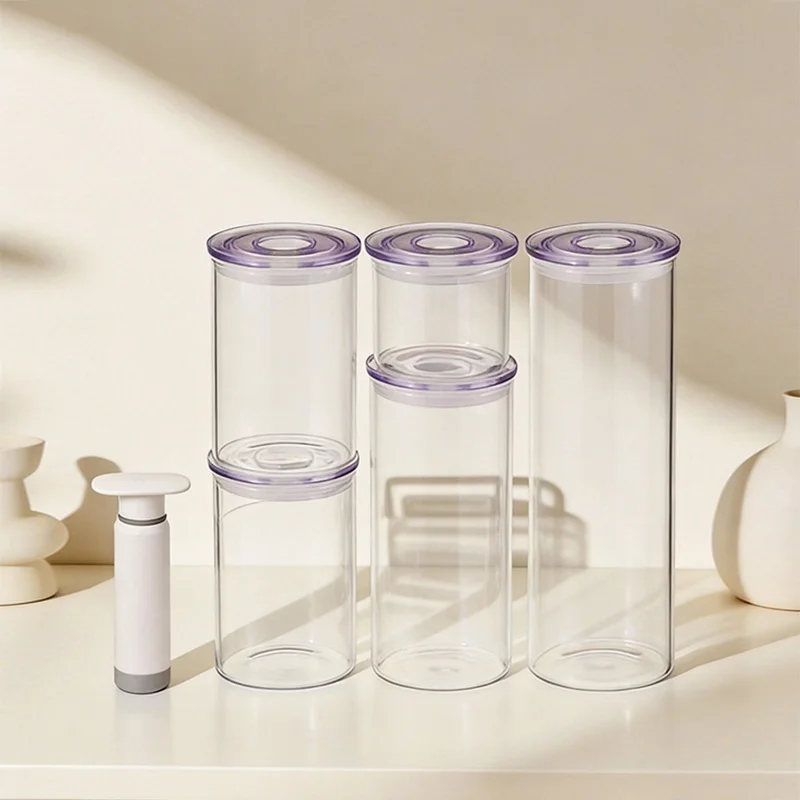
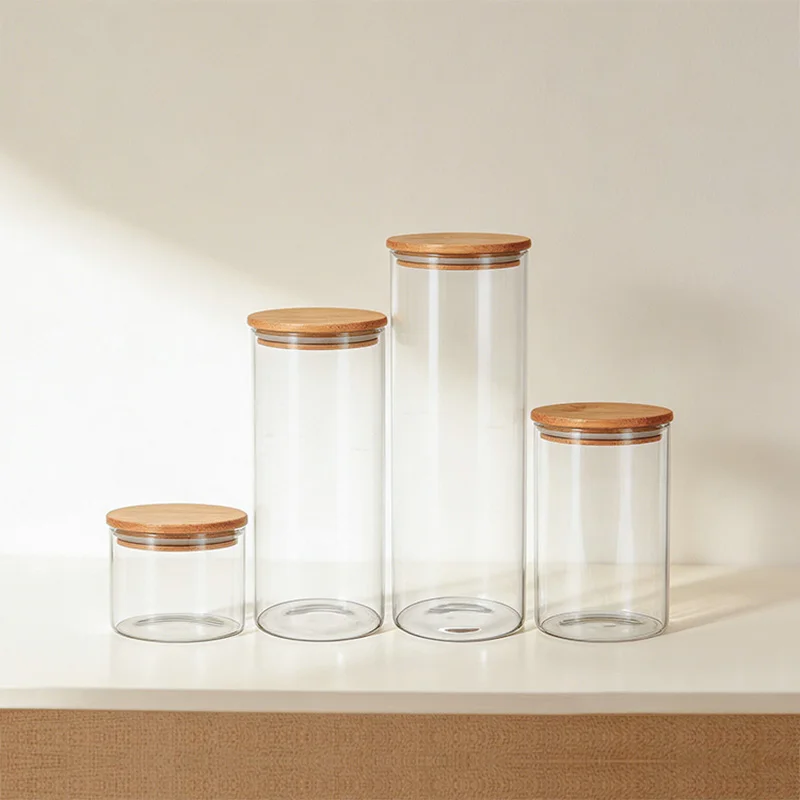
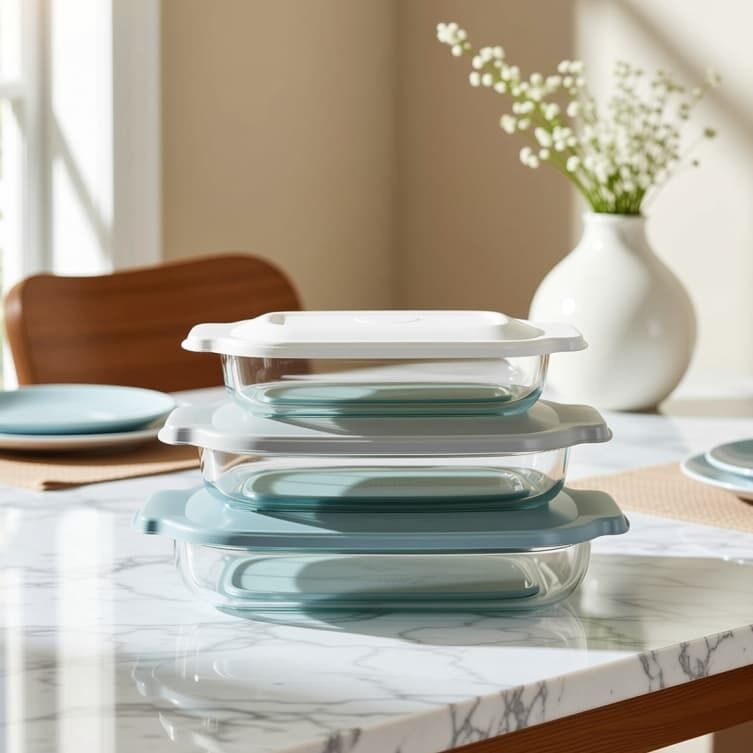
In South Sudan, the extreme temperature fluctuations and high humidity levels pose a significant challenge to food preservation. Historically, there has been a heavy reliance on plastic containers, which degrade under intense UV exposure and can leach chemicals when exposed to heat, creating an urgent market need for glass food storage container options that are chemically inert and thermally stable.
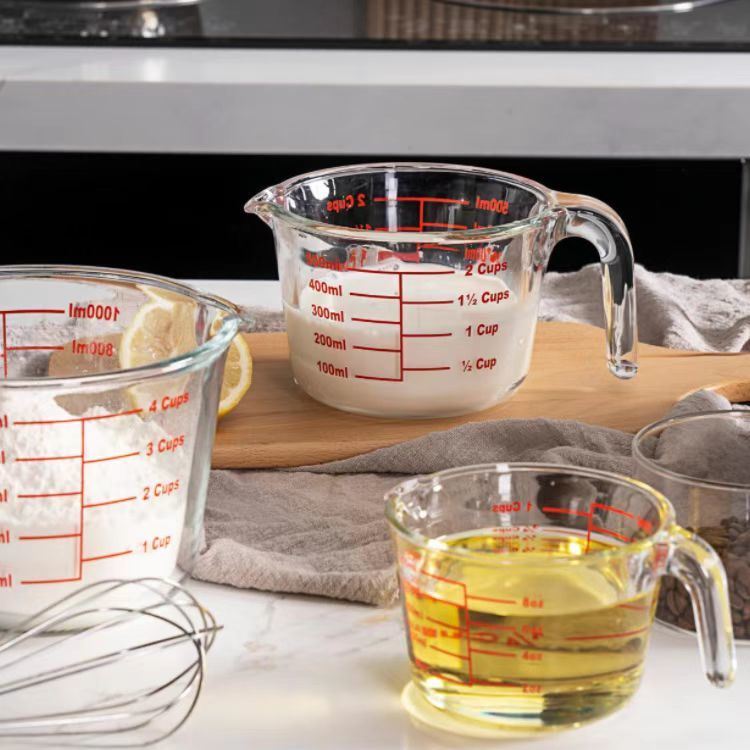
The current logistics landscape in Juba and other urban centers is seeing a rise in the hospitality sector, where the demand for professional-grade glass mixing bowl set products is growing. However, the fragility of standard glass during long-distance transport across rough terrain remains a primary pain point for local distributors.
Furthermore, as electricity grids stabilize and microwave adoption increases in modern South Sudanese households, there is a visible shift toward microwavable glass containers. The market is transitioning from basic utilitarian vessels to multifunctional cookware that supports both storage and rapid reheating.