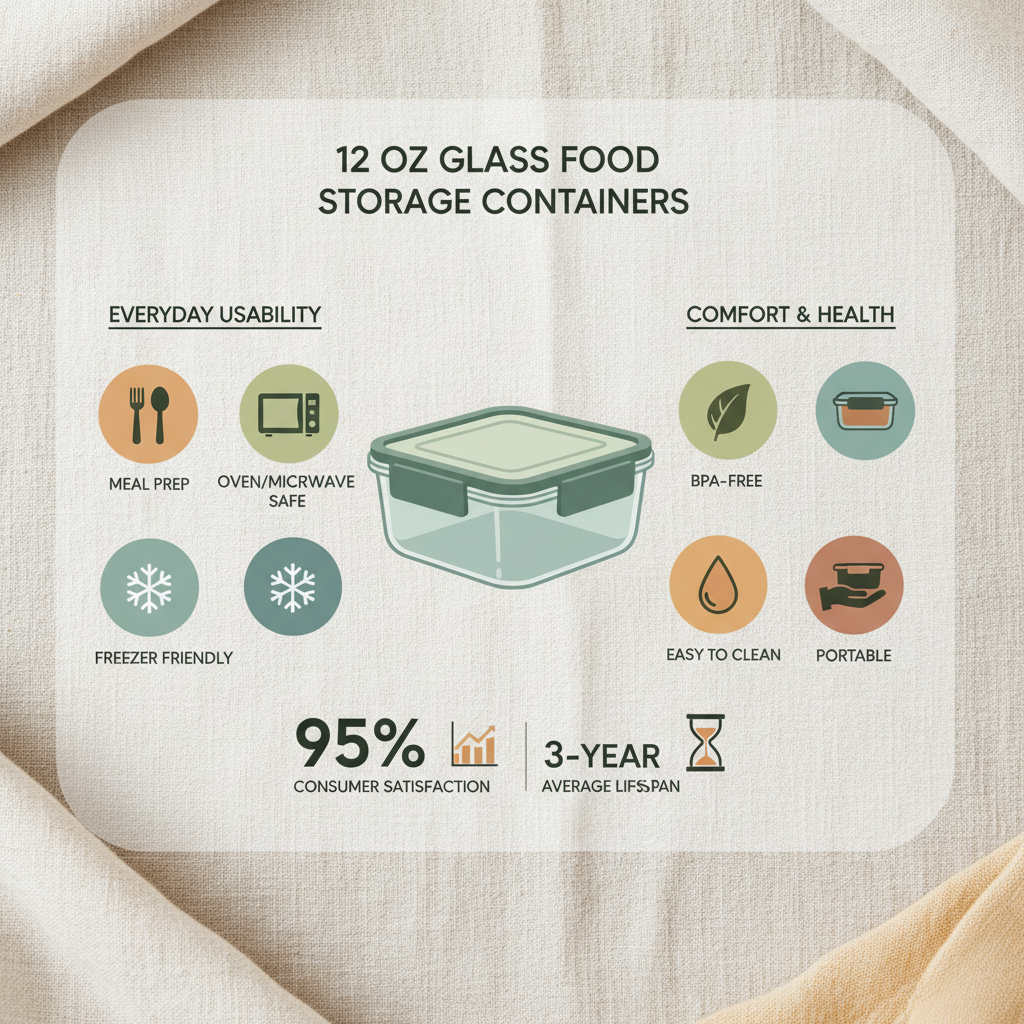
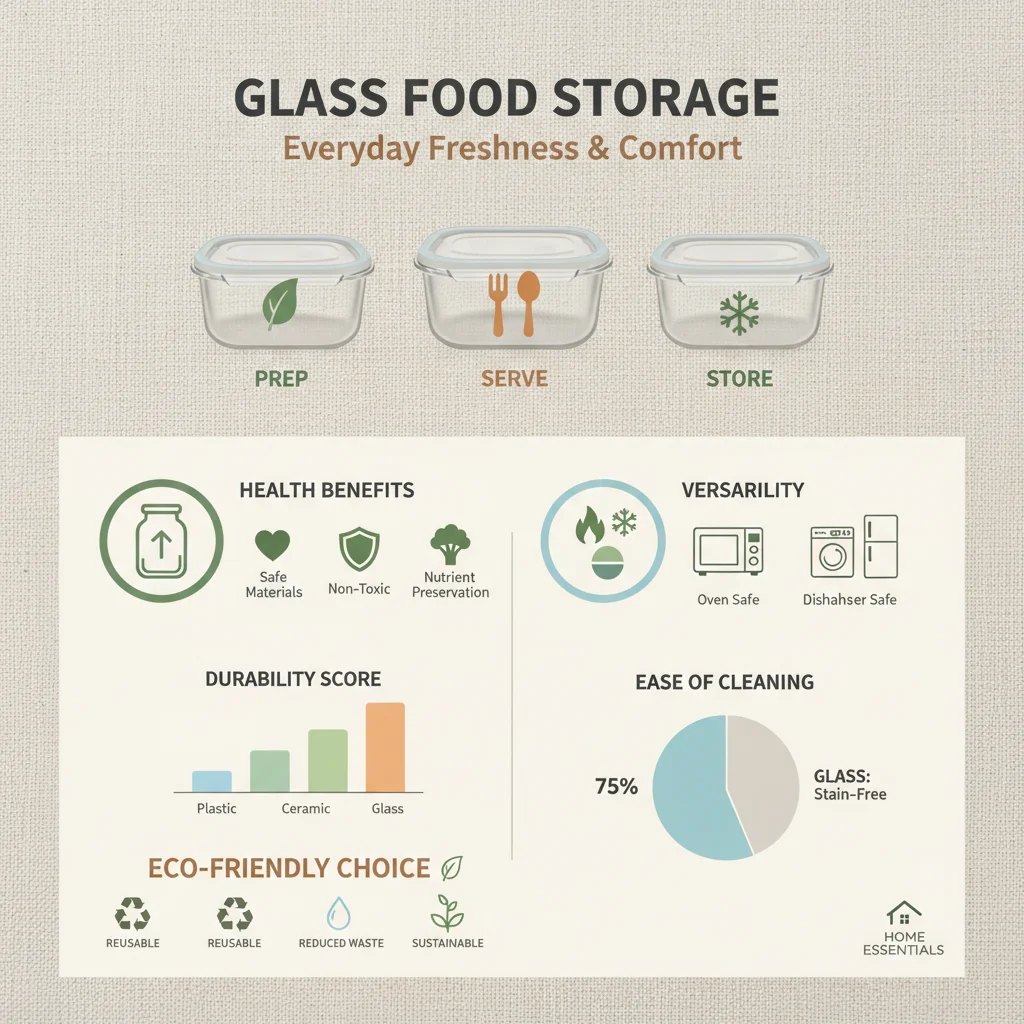
Choosing the right food storage solution is more than just a matter of organization; it is a critical decision for health, sustainability, and food preservation. Among the various sizes available, 12 oz glass food storage containers have emerged as the industry standard for portion control and versatile meal prep, offering a perfect balance between capacity and compactness.
Across the globe, there is a visible shift away from single-use plastics toward high-borosilicate glass options. The adoption of 12 oz glass food storage containers is driven by a growing awareness of chemical leaching and the environmental impact of landfills, leading both households and commercial kitchens to seek non-reactive, durable alternatives.
Understanding the technical specifications and practical benefits of these containers allows consumers to maximize the shelf life of their ingredients while reducing waste. Whether used for baby food, side dishes, or specialty condiments, the 12 oz glass food storage containers provide a hygienic and aesthetically pleasing solution for modern living.
Global Market Context of 12 oz Glass Food Storage Containers
The global demand for 12 oz glass food storage containers has surged as urban populations prioritize "meal prepping" and healthy eating. According to industry trends aligned with ISO quality standards, the shift toward glass is not merely a trend but a systemic change in consumer behavior, aimed at eliminating Bisphenol A (BPA) and phthalates found in cheaper plastic alternatives.
In regions like North America and Europe, the 12 oz capacity is specifically favored for its alignment with standard nutritional serving sizes. This has created a significant market for manufacturers to optimize production for these specific dimensions, ensuring that containers fit perfectly into lunch bags and refrigerator shelves without wasting space.
Defining the Standard 12 oz Glass Food Storage Containers
At its core, 12 oz glass food storage containers refer to specialized vessels made from high-quality soda-lime or borosilicate glass, designed to hold approximately 355 milliliters of volume. This specific size is strategically engineered to accommodate a single serving of soup, a side of vegetables, or a curated portion of grains, making it an essential tool for caloric management and organized food storage.
Beyond the physical dimensions, these containers represent a bridge between industrial glass manufacturing and humanitarian needs for food security. By providing an airtight, non-porous environment, 12 oz glass food storage containers prevent cross-contamination and protect food from oxidation, which is vital in both domestic kitchens and professional culinary environments.
From a technical standpoint, the "12 oz" designation ensures consistency across product lines, allowing users to buy matching lids or stacking accessories. This standardization is a hallmark of modern glass manufacturing, ensuring that the transition from the freezer to the microwave is seamless and safe.
Core Components of Premium Glass Storage
The durability of 12 oz glass food storage containers is primarily determined by the thermal shock resistance of the material. High-grade borosilicate glass allows these containers to withstand rapid temperature fluctuations, such as moving from a cold refrigerator to a preheated oven, without cracking.
Another critical component is the sealing mechanism. Most premium 12 oz glass food storage containers utilize a combination of silicone gaskets and locking clips (such as the 4-lock system) to create a vacuum-like seal. This prevents leaks and ensures that aromatics do not seep into other foods in the fridge.
Finally, the chemical neutrality of the glass surface is what sets these containers apart. Unlike plastics, 12 oz glass food storage containers do not absorb odors or stains from acidic foods like tomato sauce or pungent ingredients like garlic, ensuring that every meal tastes fresh and uncontaminated.
Practical Applications and Use Cases
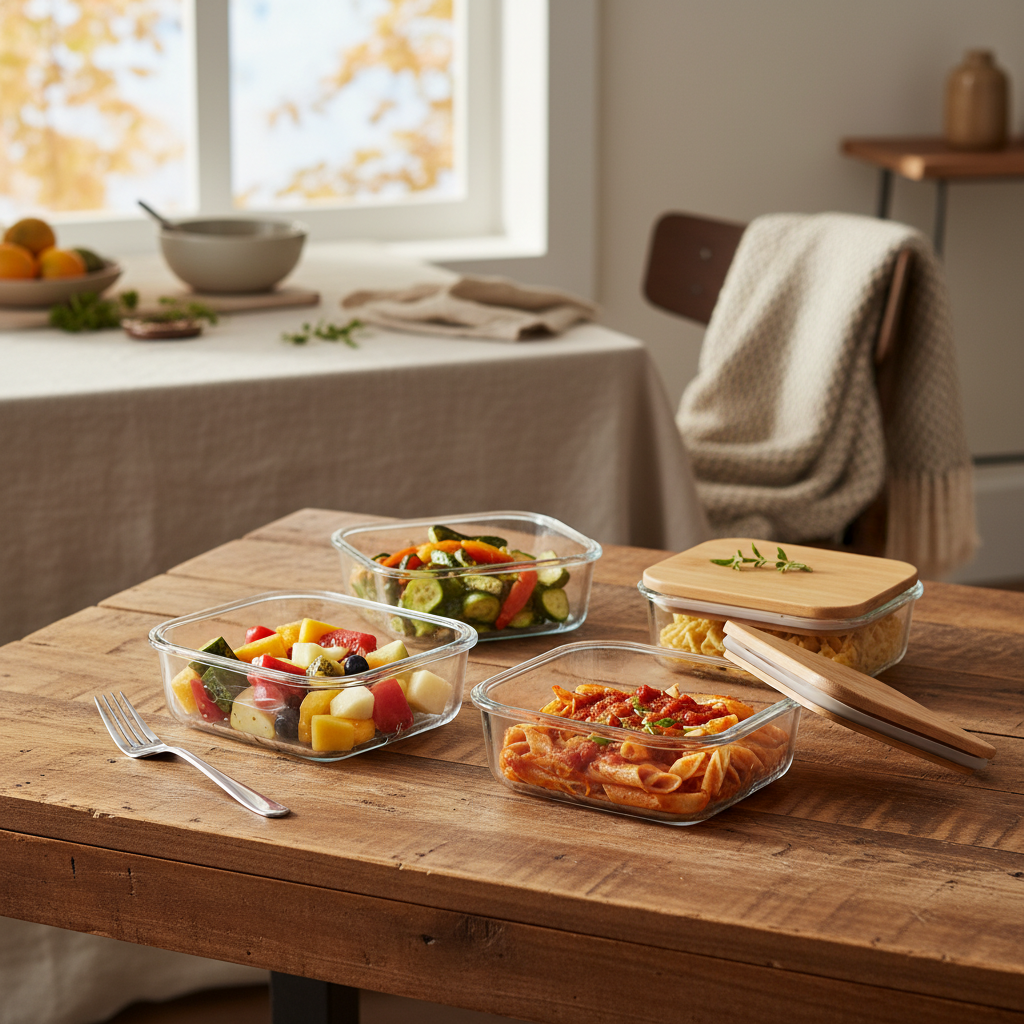
In real-world applications, 12 oz glass food storage containers serve diverse functions across various industries. In the healthcare sector, they are frequently used for precise dietary portions for patients, while in the corporate world, they are the gold standard for eco-conscious employees who bring homemade lunches to the office.
Beyond the home, these containers are utilized in specialized food boutiques for "grab-and-go" salads or overnight oats. In remote industrial zones or field research stations, the reliability of glass ensures that food remains untainted by external pollutants, providing a level of food safety that is paramount in harsh environments.
Performance Comparison of 12 oz Glass Food Storage Containers Types
Long-Term Value and Sustainability Benefits
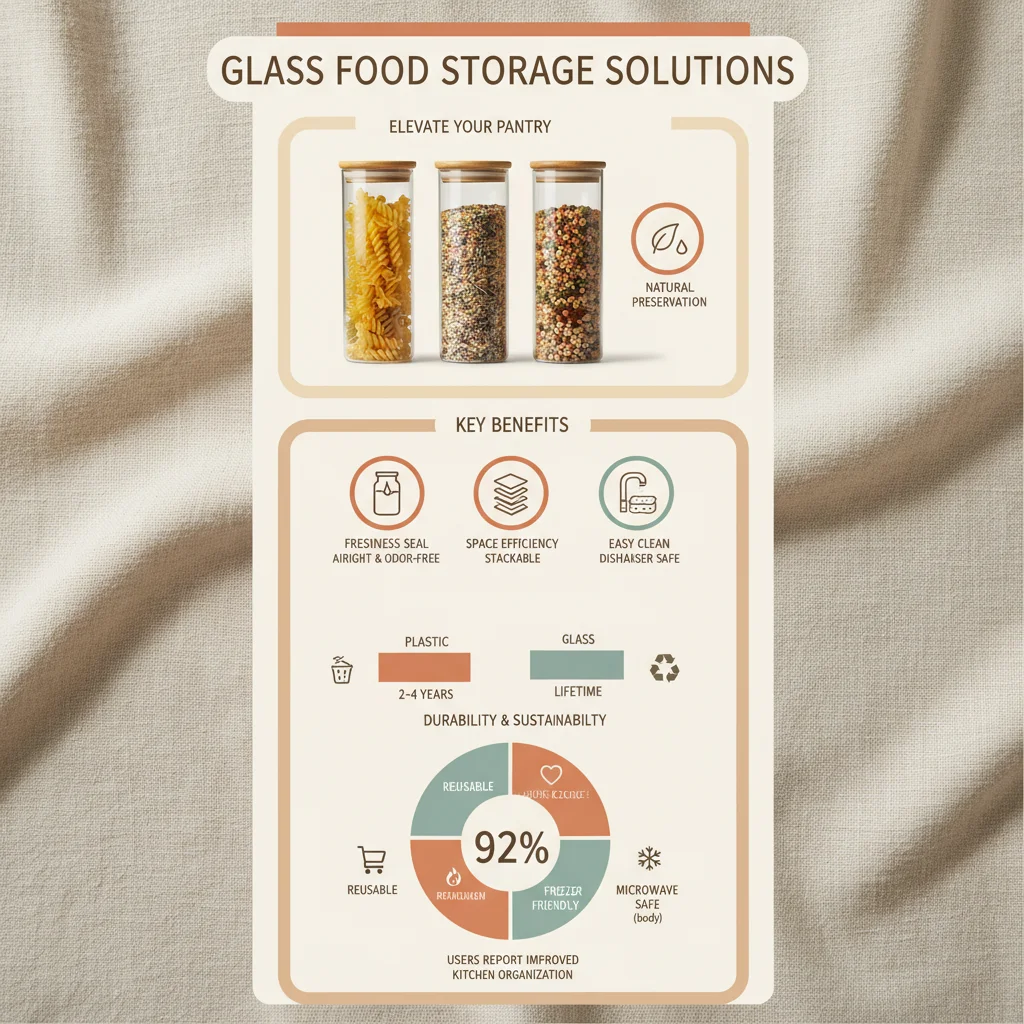
The long-term value of investing in 12 oz glass food storage containers extends far beyond simple utility. From a financial perspective, the durability of glass reduces the frequency of replacement compared to plastic containers, which warp or crack over time. This longevity represents a significant cost saving for the consumer and a reduction in the volume of waste entering the waste stream.
Emotionally, there is a sense of trust and dignity that comes with using high-quality materials. Knowing that your food is stored in a non-toxic, transparent vessel provides peace of mind regarding family health. Furthermore, the timeless aesthetic of glass integrates seamlessly into any kitchen decor, proving that functionality and style can coexist in a sustainable manner.
Future Innovations in Glassware Manufacturing
The future of 12 oz glass food storage containers is being shaped by advancements in material science and digital manufacturing. We are seeing the emergence of "smart glass" coatings that can indicate food freshness via color changes, as well as enhanced tempering processes that make glass nearly as shatter-resistant as certain polymers.
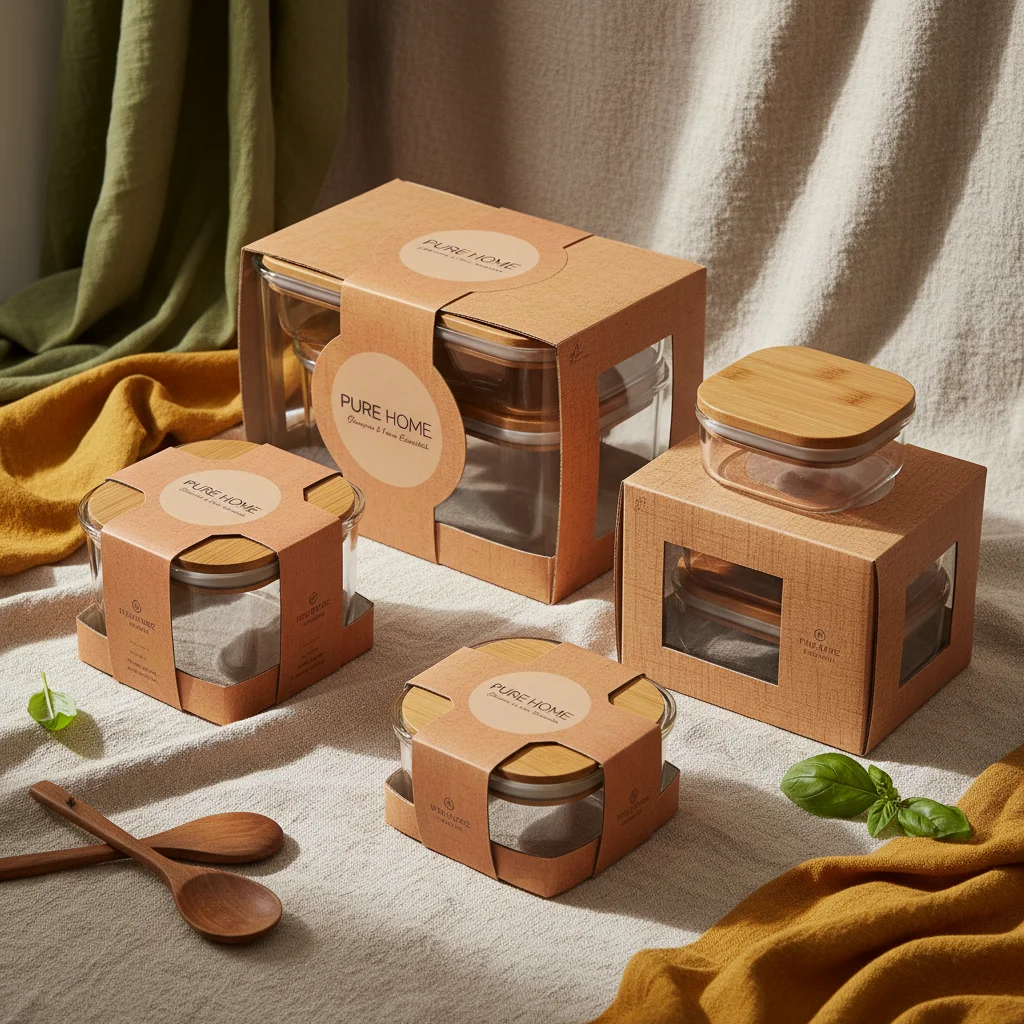
Sustainability is also driving the integration of bio-based lids, such as bamboo and recycled wood, paired with 12 oz glass bases. This holistic approach to design ensures that every part of the container—not just the glass—is environmentally responsible and biodegradable.
Automation and AI-driven quality control are further refining the production process, reducing the margin of error in wall thickness and seal precision. This ensures that every 12 oz glass food storage container produced meets rigorous global safety standards while minimizing energy consumption during the firing process.
Overcoming Common Glass Storage Challenges
One of the primary challenges associated with 12 oz glass food storage containers is their relative weight compared to plastic. To solve this, manufacturers are developing "lightweight borosilicate" glass that maintains structural integrity while reducing the overall mass, making them more portable for commuters.
Fragility is another common concern, though this is largely mitigated by the move toward reinforced rims and shock-absorbing silicone sleeves. By addressing the points of impact, the lifespan of these containers is significantly extended, even in high-activity environments like school cafeterias or busy construction sites.
Finally, the issue of lid wear—where silicone gaskets can degrade—is being solved through the introduction of replaceable gasket kits. This modular approach ensures that the 12 oz glass food storage containers themselves last a lifetime, and only the small, wearable components need periodic replacement.
Comparative Analysis of Glass Storage Material Specifications
| Material Type |
Thermal Resistance |
Impact Strength |
Eco-Score (1-10) |
| Standard Soda-Lime |
Moderate |
Medium |
8 |
| Premium Borosilicate |
Excellent |
High |
10 |
| Tempered Glass |
High |
Very High |
9 |
| Amber-Tinted Glass |
Moderate |
Medium |
9 |
| Coated Glass |
Moderate |
Medium |
7 |
| Lead-Free Crystal |
Low |
Low |
8 |
FAQS
Yes, provided they are made from borosilicate or tempered glass. However, you should always remove the lid or leave it slightly ajar to allow steam to escape, preventing pressure buildup that could cause the glass to crack. Always check the bottom of the container for a "microwave safe" certification.
While 12 oz glass food storage containers are non-porous, the lids can sometimes hold smells. For the glass, a paste of baking soda and water usually works wonders. For the silicone gaskets, a soak in a mixture of white vinegar and warm water will neutralize most odors without damaging the material.
Most high-quality borosilicate 12 oz glass food storage containers are freezer-safe. The key is to leave a small amount of headspace (about half an inch) at the top of the container. Because liquids expand when they freeze, this prevents the pressure from cracking the glass from the inside out.
Borosilicate glass contains boron trioxide, which gives it a much lower coefficient of thermal expansion. This means it is far more resistant to thermal shock (rapid temperature changes). Soda-lime glass is more common and affordable but is more prone to breaking when moved from a freezer to an oven.
Reputable manufacturers, including those at IKOO HOME, use BPA-free plastics or sustainable materials like bamboo for their lids. It is always recommended to verify the material specifications of the lid to ensure it meets your health and environmental standards.
Ensure the silicone ring is seated properly in the lid's groove before locking the clips. If the container is leaking, check for any food debris on the rim of the glass, as even a small crumb can break the vacuum seal of your 12 oz glass food storage containers.
Conclusion
In summary, 12 oz glass food storage containers represent the ideal intersection of health, convenience, and environmental responsibility. By utilizing advanced materials like borosilicate glass and secure locking mechanisms, these containers solve the age-old problems of food spoilage, chemical contamination, and plastic waste. Their versatility makes them an indispensable asset for anyone looking to optimize their diet and organize their kitchen efficiently.
Looking forward, the continued evolution of glass technology will only enhance the durability and functionality of these vessels. As we move toward a more circular economy, transitioning to reusable, high-quality glass storage is a small but impactful step that every consumer can take. We encourage you to upgrade your kitchen essentials today for a healthier tomorrow. Visit our website: www.ikoo-glass.com