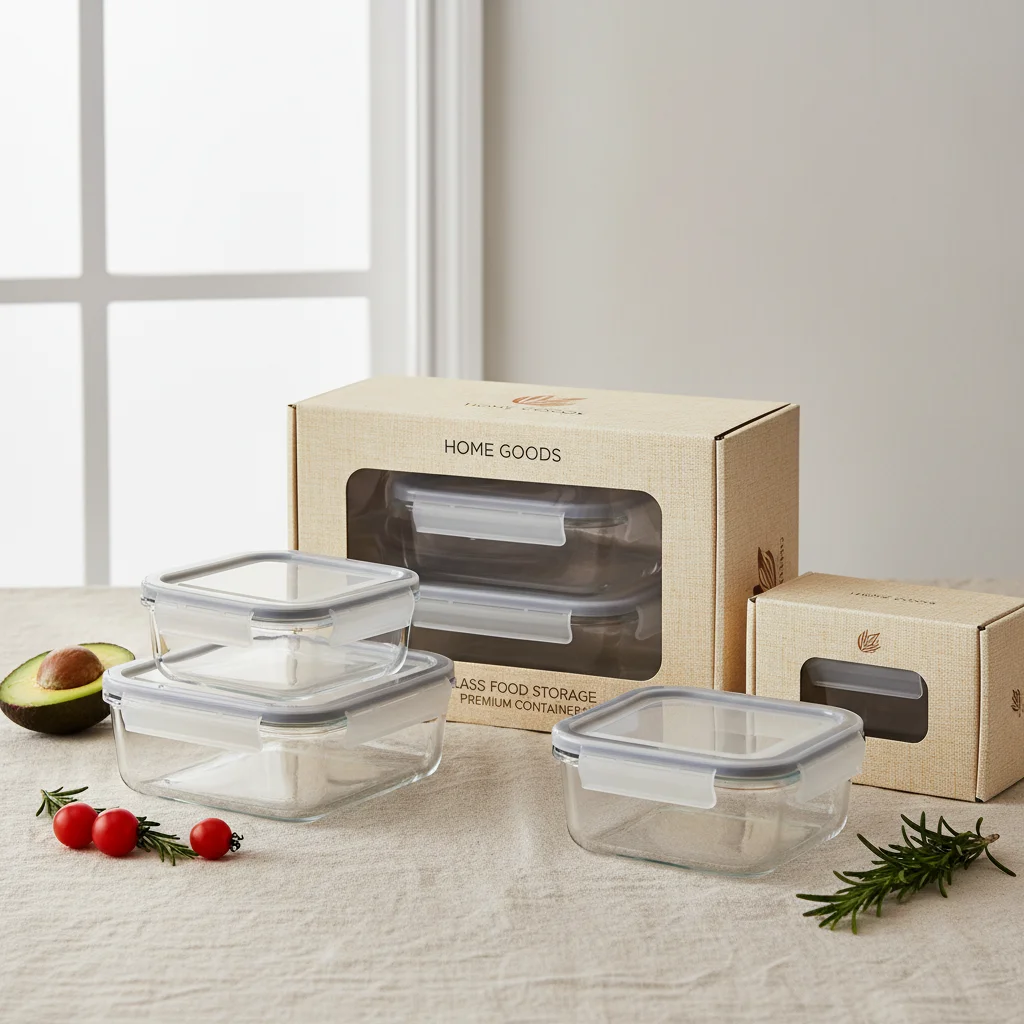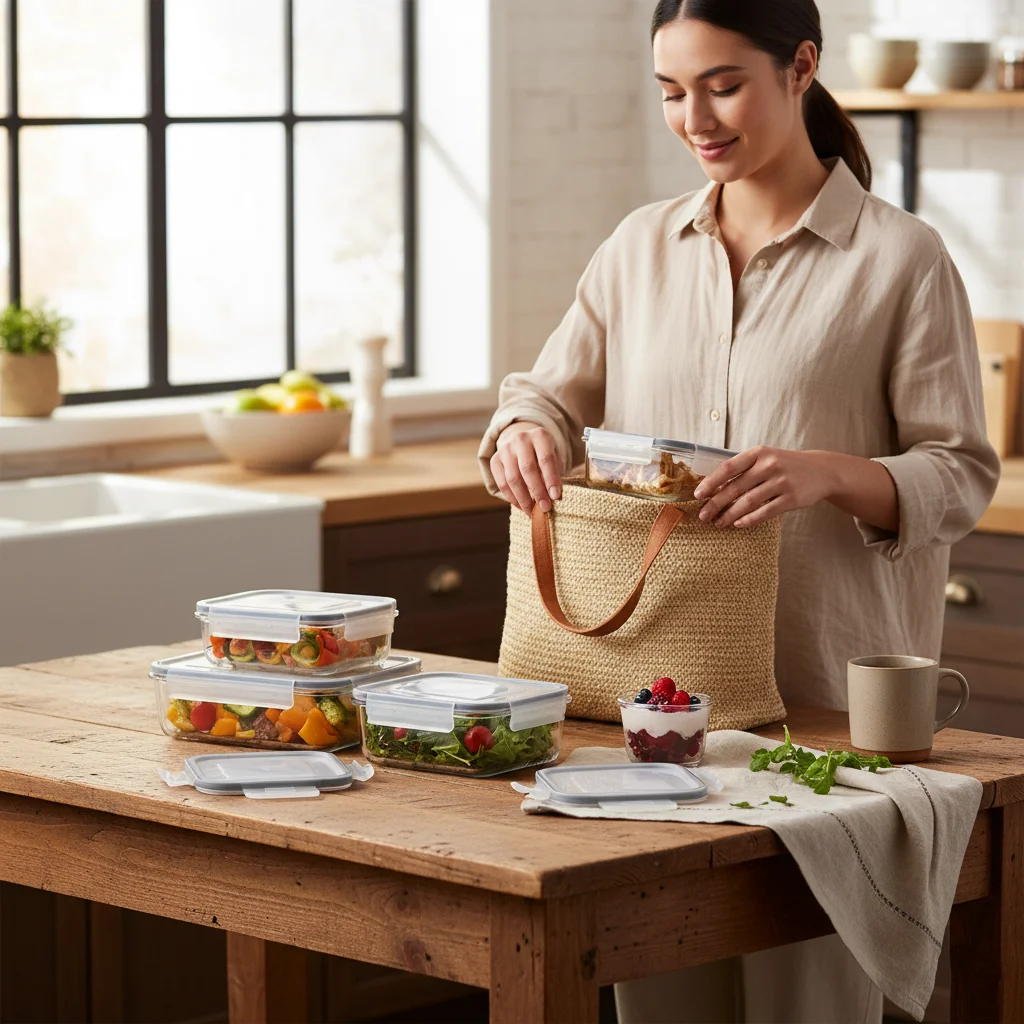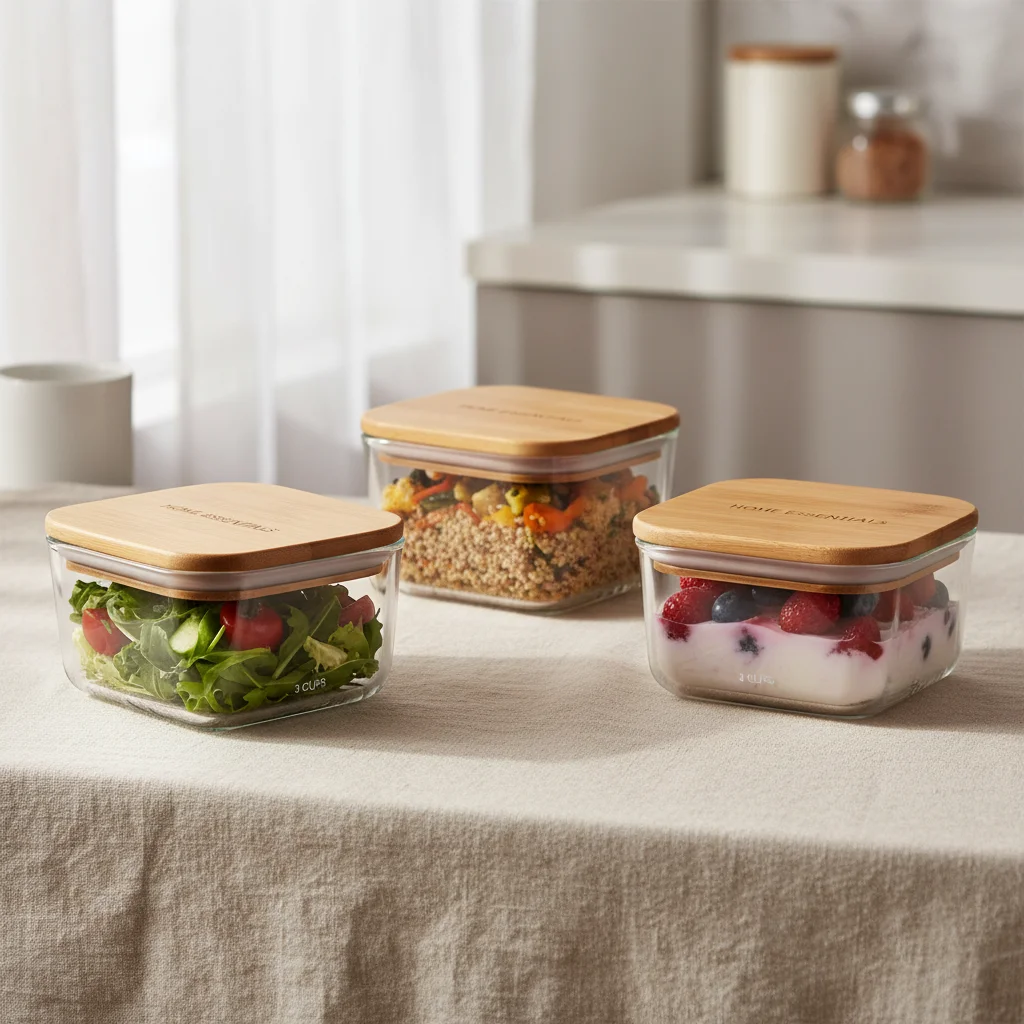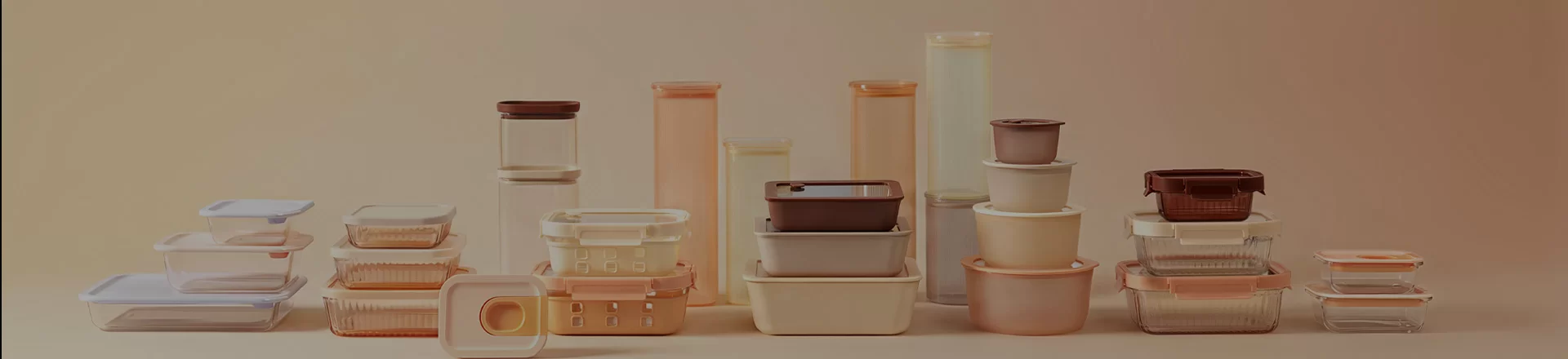
The demand for safe, reliable, and sustainable food storage solutions is greater than ever. Globally, food waste contributes significantly to environmental issues and economic losses, while access to proper storage can dramatically improve food security, especially in vulnerable communities. glass food storage container offers a compelling solution, addressing these challenges with its inherent benefits of hygiene, durability, and reusability. Understanding the advantages of these containers is crucial for both individuals seeking to minimize waste and organizations aiming to improve food distribution and preservation efforts.
The growing awareness of plastic pollution and its impact on the environment has driven a surge in demand for alternative materials. glass food storage container present a viable and increasingly popular choice, aligning with the principles of a circular economy and promoting a more sustainable lifestyle. From households reducing their plastic footprint to commercial kitchens prioritizing food safety, the versatility and long-term value of glass are becoming increasingly recognized.
In essence, the significance of glass food storage container extends beyond simply keeping food fresh; they represent a conscious choice towards a healthier planet and a more secure future for food systems worldwide. This makes understanding their properties and applications a vital step for individuals and organizations alike.
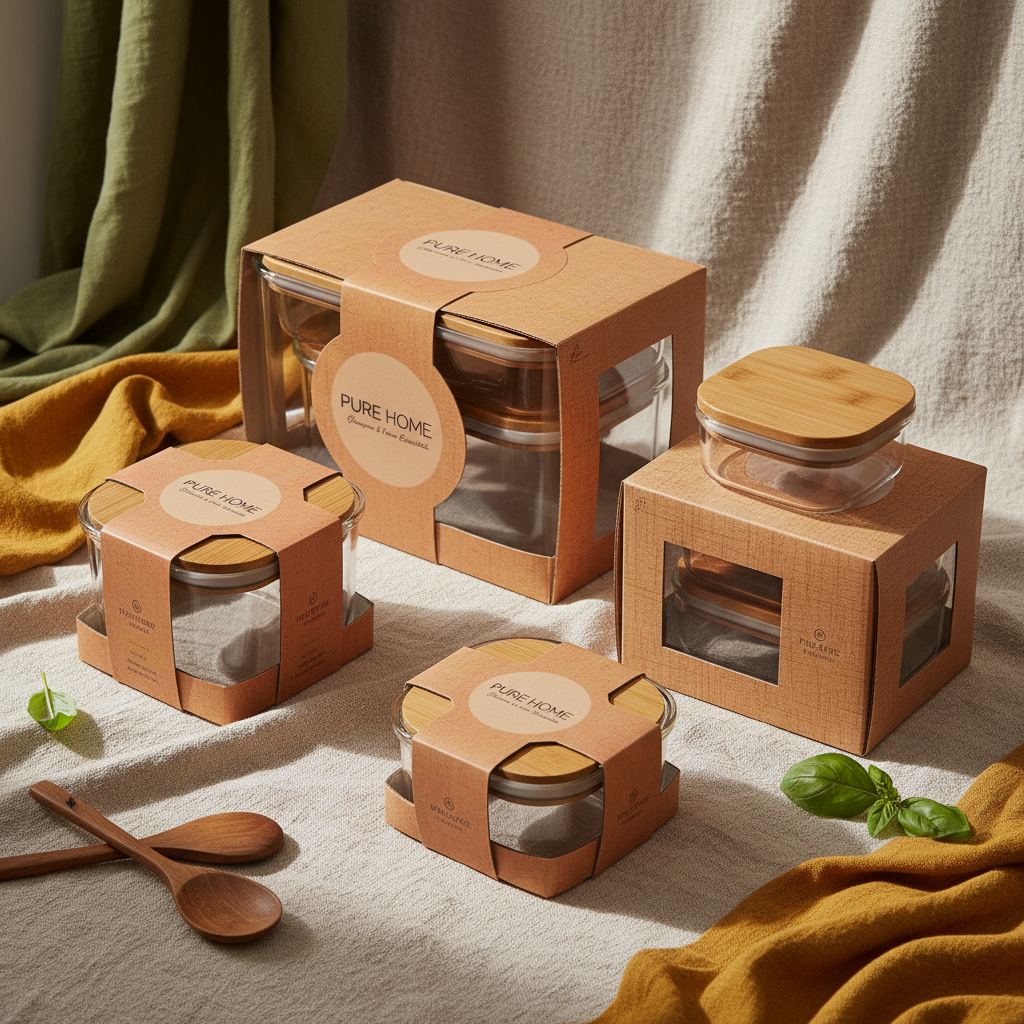
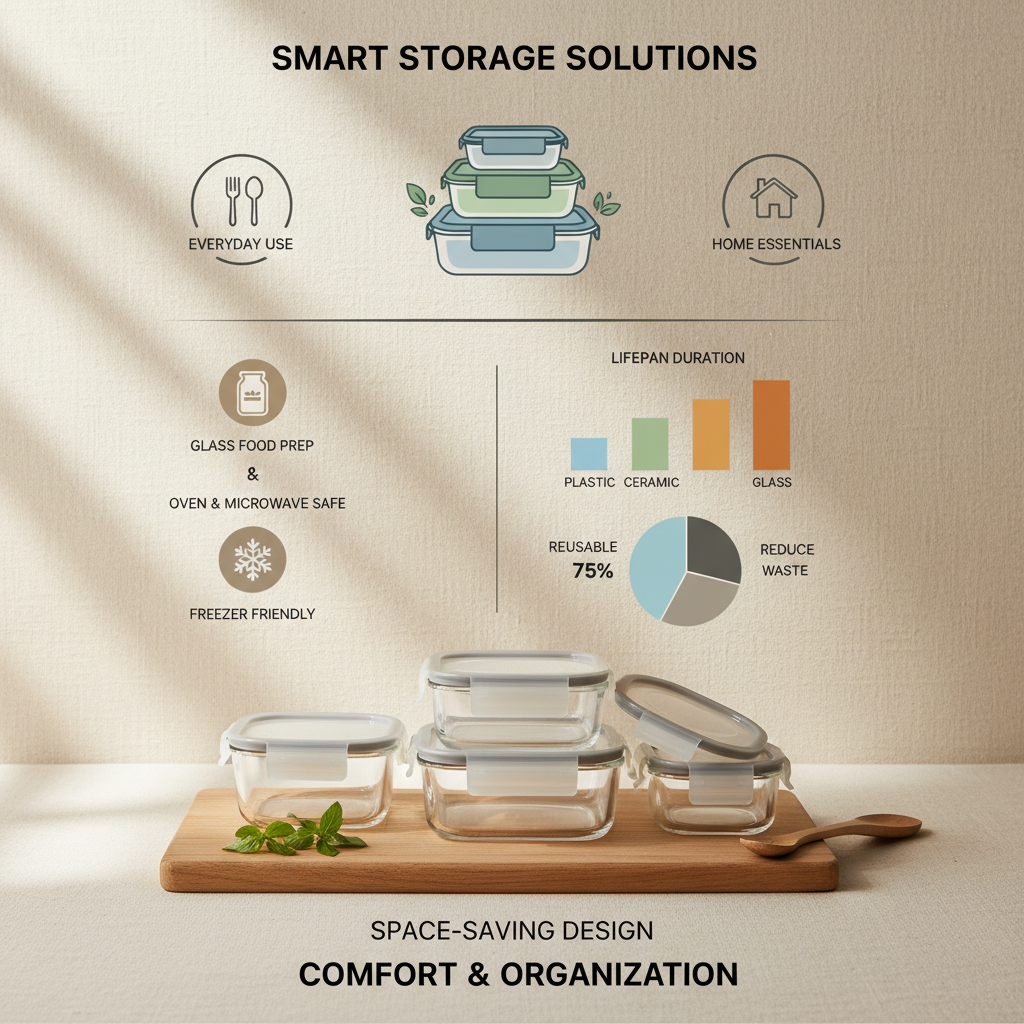
According to the Food and Agriculture Organization of the United Nations (FAO), roughly one-third of all food produced globally is lost or wasted, amounting to approximately 1.3 billion tons per year. A significant portion of this waste occurs during storage and transportation. glass food storage container play a vital role in minimizing this loss by providing a safe, airtight, and durable environment for food preservation.
The impact of food waste extends beyond economic losses, contributing substantially to greenhouse gas emissions and straining natural resources. Choosing sustainable storage solutions, like glass, is increasingly seen as a crucial step in combating these issues. International standards, such as ISO 22000 for food safety management, emphasize the importance of proper storage to maintain food quality and prevent contamination, making glass food storage container a relevant consideration for food businesses worldwide.
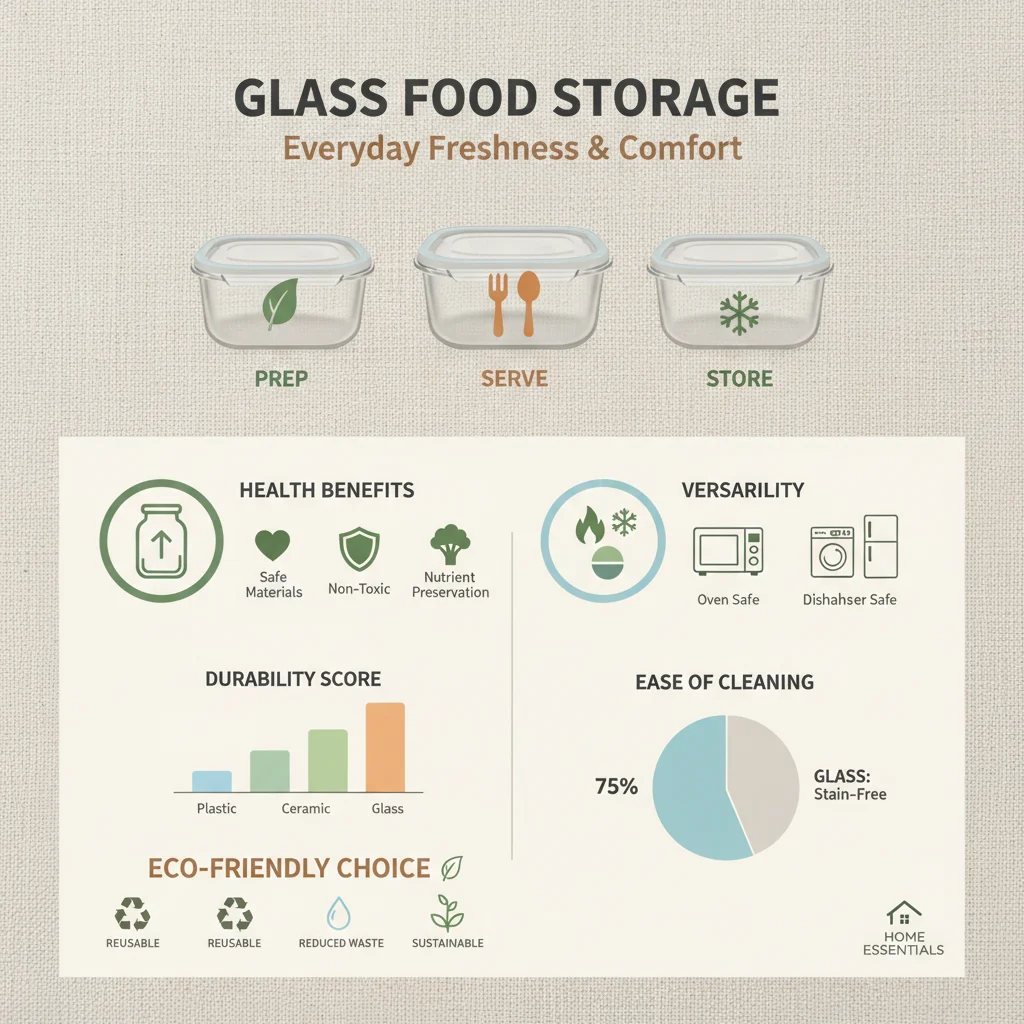
Most glass food storage container are designed to be dishwasher safe, simplifying cleanup. However, it's always best to check the manufacturer's instructions, as some delicate glass types or containers with silicone seals may require handwashing to preserve their integrity and prevent damage. Avoid extreme temperature changes, such as placing a hot glass container directly into cold water, to prevent thermal shock.
Yes, many glass food storage container are freezer-safe. However, it's essential to ensure the container is specifically labeled as freezer-safe and to leave adequate headspace in the container to allow for expansion as the contents freeze. Avoid drastic temperature changes and allow the glass to warm up slightly before washing to prevent cracking.
glass food storage container offer several advantages over plastic. They are non-porous, meaning they don’t absorb food odors or stains, and they don’t leach chemicals into your food. Glass is also more durable and can be used in a wider range of temperatures. While plastic is often lighter and less expensive, glass provides a safer and more sustainable storage option.
To prevent breakage, avoid sudden temperature changes (thermal shock) by letting hot glass cool before washing or freezing. Handle containers carefully and avoid dropping them. When stacking, place a protective layer (like a paper towel or silicone pad) between the containers to prevent chipping or cracking. Using tempered or borosilicate glass can also increase resistance to thermal shock.
Yes, glass is 100% recyclable and can be recycled endlessly without losing quality. Check your local recycling guidelines to ensure glass containers are accepted in your area. Choosing glass food storage container is a sustainable choice that contributes to a circular economy and reduces landfill waste.
Lids are an important part of the storage system. Silicone lids create an airtight seal and are durable, but can sometimes stain. Plastic lids are convenient and inexpensive, but may not be as sustainable. Stainless steel lids are a durable, eco-friendly option. Look for BPA-free plastic lids if choosing plastic. Ensuring a tight seal is crucial for maintaining food freshness.
In conclusion, glass food storage container represent a compelling solution to numerous challenges related to food waste, sustainability, and health. Their durability, hygiene, and versatility make them a valuable asset for individuals and businesses alike, offering long-term cost savings and a reduced environmental footprint. Embracing these containers is a tangible step towards a more responsible and sustainable future.
Looking ahead, continued innovation in glass manufacturing and lid materials will further enhance the functionality and appeal of these containers. We encourage you to consider switching to glass as a practical and impactful way to improve your food storage practices and contribute to a healthier planet. Visit our website at www.ikoo-glass.com to explore our range of high-quality glass food storage containers and learn more about their benefits.

If you are interested in our products, you can choose to leave your information here, and we will be in touch with you shortly.