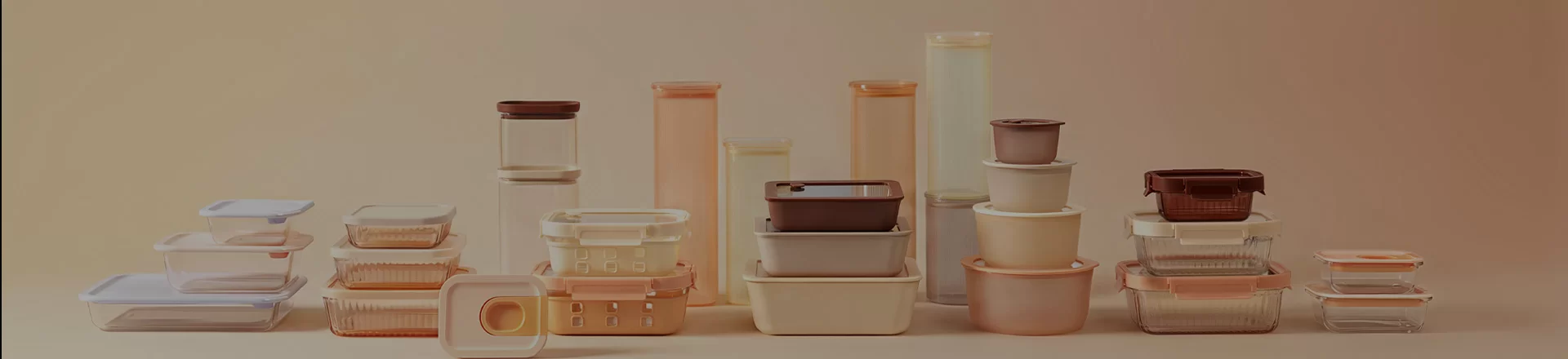
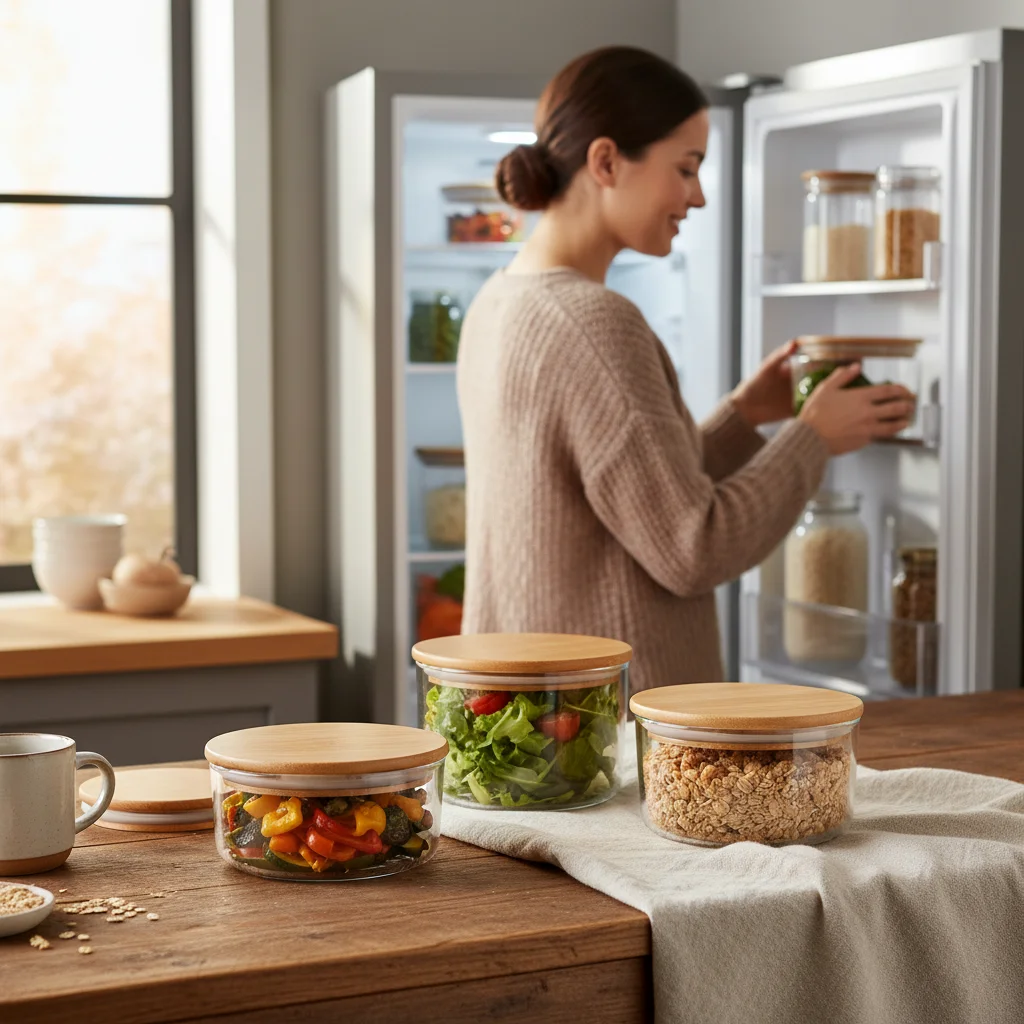
Selecting the ideal food storage solution often comes down to a balance of volume and versatility, which is why 2 cup glass food storage containers have become a cornerstone of modern kitchen organization. These medium-capacity vessels provide the perfect amount of space for individual meal prep, side dishes, or leftover portions without occupying excessive shelf space, bridging the gap between tiny condiment jars and bulky family-sized basins.
Globally, the shift toward sustainable living has accelerated the demand for borosilicate and soda-lime glass options. Unlike plastic alternatives, 2 cup glass food storage containers offer a non-porous surface that prevents odor absorption and chemical leaching, ensuring that the nutritional integrity of the food remains intact from the refrigerator to the microwave.
Understanding the technical specifications—from thermal shock resistance to airtight sealing mechanisms—allows consumers and wholesale buyers to maximize the lifespan of their glassware. By optimizing the use of 2 cup glass food storage containers, users can significantly reduce single-use plastic waste while enhancing the visual appeal and freshness of their stored ingredients.
The Global Demand for 2 Cup Glass Food Storage Containers
The global market for food preservation has seen a dramatic pivot toward glass, driven by increasing health consciousness and stringent ISO standards regarding food-contact materials. 2 cup glass food storage containers have emerged as a preferred choice in urban environments where "portion control" and "meal prepping" are no longer just trends but lifestyle necessities.
Statistical trends indicate a rise in the adoption of eco-friendly kitchenware across North America and Europe, where consumers are actively replacing BPA-laden plastics. The 2-cup (approximately 473ml to 500ml) capacity is specifically engineered to fit the standard dietary requirements of a single adult serving, making it the most commercially viable size for mass production and retail distribution.
Defining the Standard: What Makes a 2 Cup Glass Container
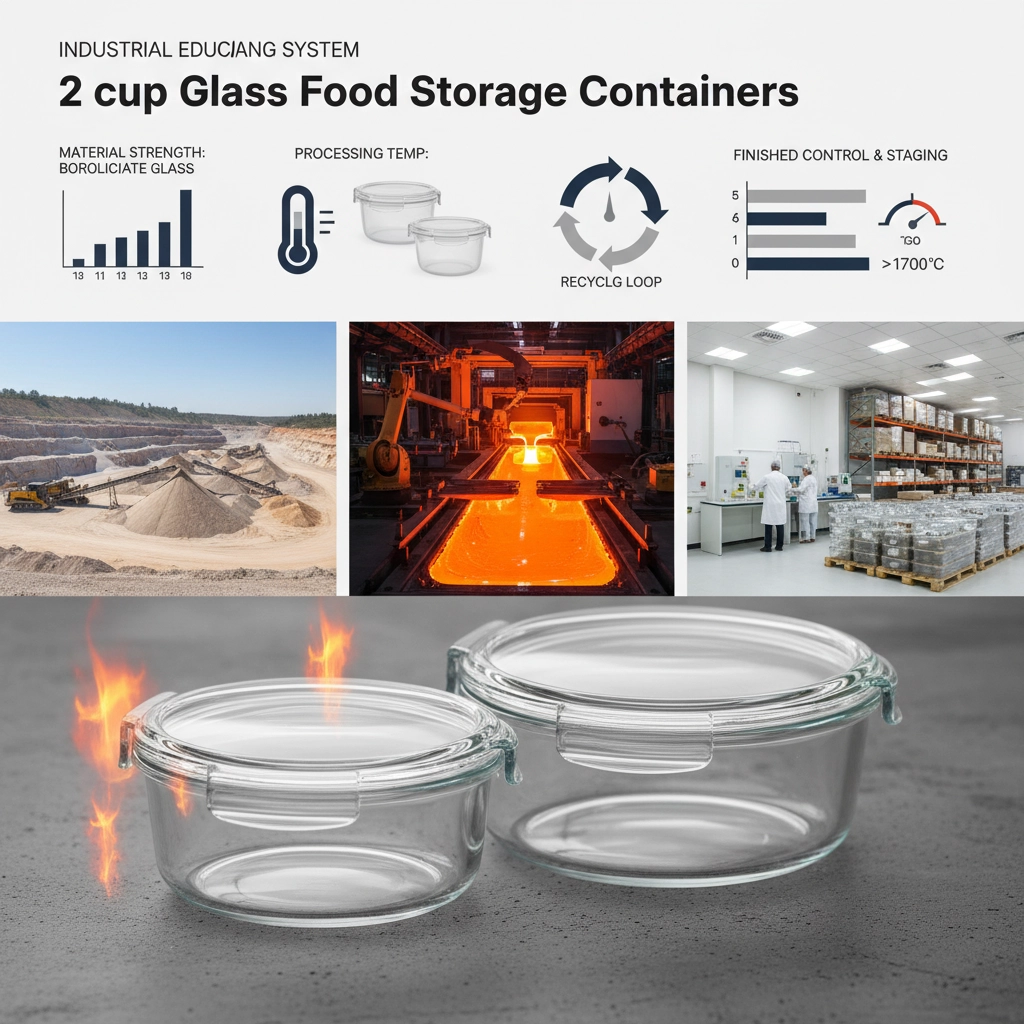
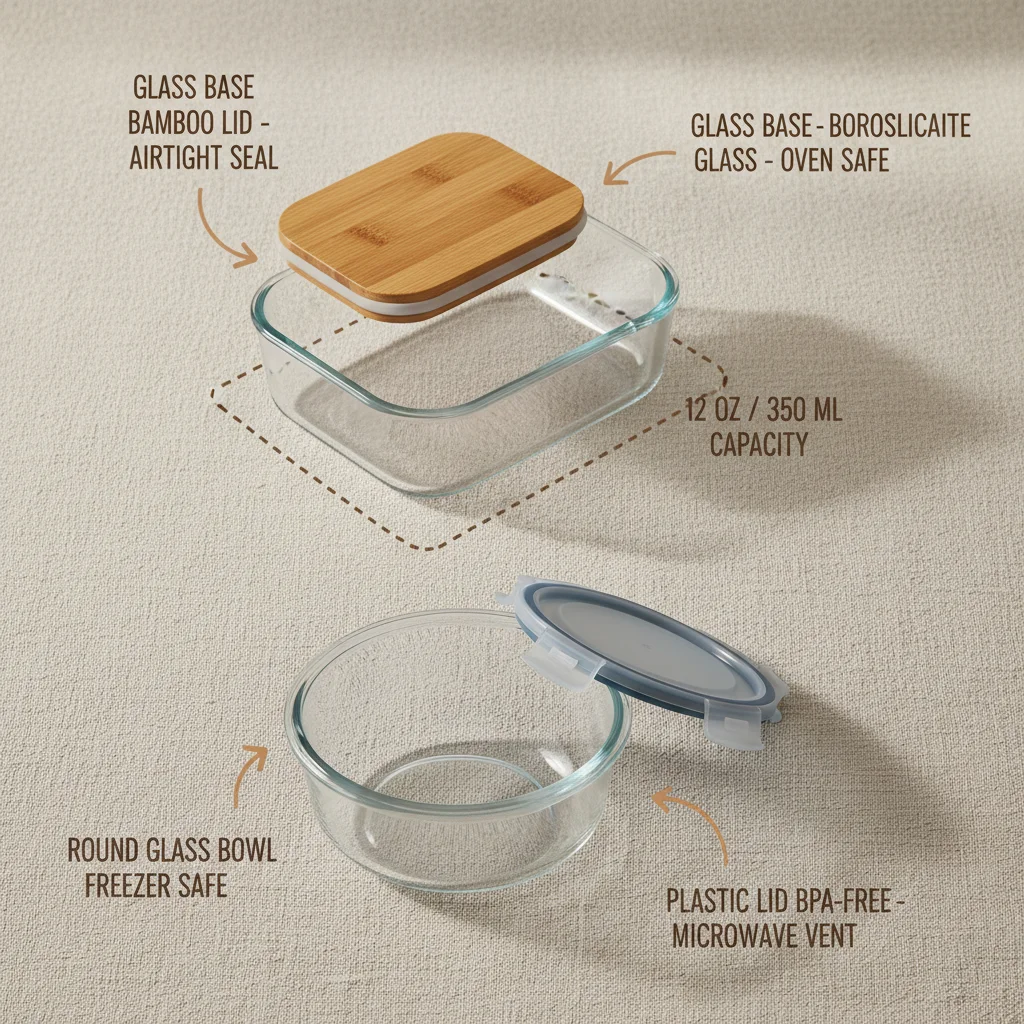
In technical terms, 2 cup glass food storage containers refer to vessels with a volumetric capacity of roughly 16 fluid ounces. These containers are typically manufactured using high-grade borosilicate glass or tempered soda-lime glass, ensuring they can withstand the thermal stress of moving from a freezer to an oven or microwave without cracking.
Beyond simple volume, the "standard" of a quality 2-cup container involves the precision of the seal. Whether utilizing a silicone gasket with a snap-lock lid or a stainless steel vacuum seal, the primary goal is to maintain an anaerobic environment that slows down the oxidation of food, thereby extending the shelf life of perishable items.
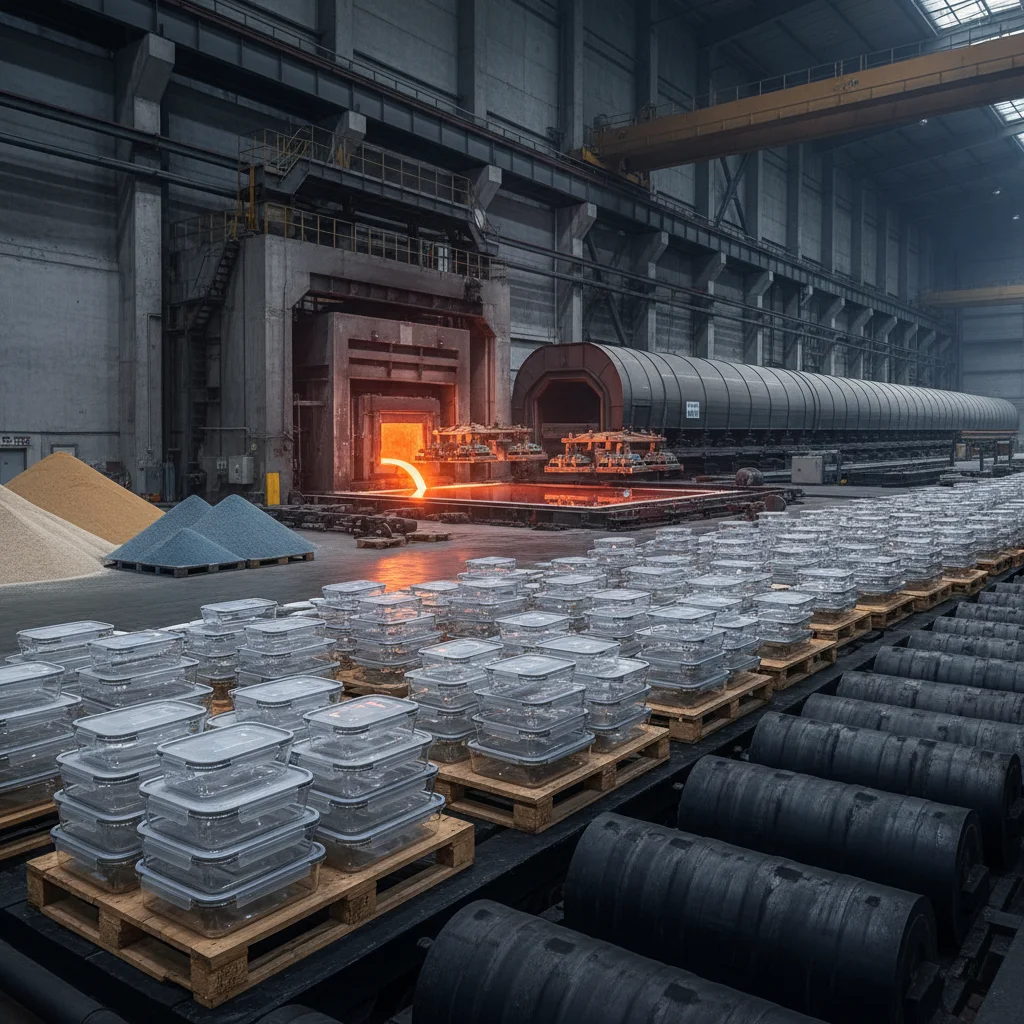
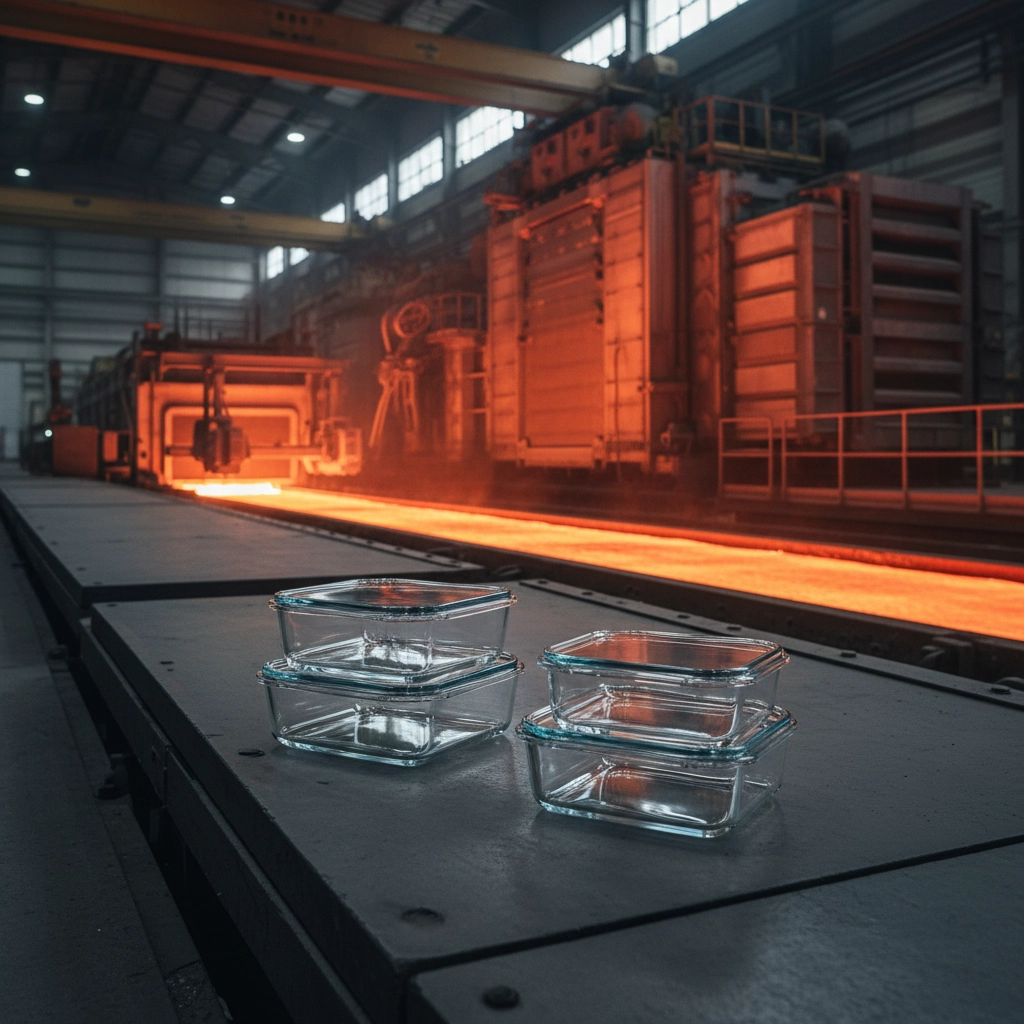
From an industrial perspective, these containers represent a fusion of material science and ergonomic design. The dimensions are carefully calculated to ensure they are stackable, which optimizes storage in commercial refrigerators and residential pantries alike, reflecting a deep understanding of modern architectural space constraints.
Core Components of High-Quality Glass Containers
The durability of 2 cup glass food storage containers begins with the raw material. Borosilicate glass, known for its low coefficient of thermal expansion, is the gold standard for those requiring oven-to-table versatility, whereas tempered soda-lime glass provides an excellent balance of impact resistance and cost-effectiveness for daily use.
Another critical component is the lid assembly. A high-performance lid for 2 cup glass food storage containers typically integrates a food-grade silicone ring that creates a hermetic seal. This prevents leakage during transport and protects the contents from external contaminants, which is essential for maintaining food safety and hygiene.
Finally, the geometric design of the container—specifically the wall thickness and the radius of the corners—plays a vital role in structural integrity. Rounded corners are not just an aesthetic choice; they prevent stress concentrations that could lead to shattering and make the 2 cup glass food storage containers significantly easier to clean.
Practical Applications and User Versatility
The versatility of 2 cup glass food storage containers allows them to transition seamlessly across various environments. In professional culinary settings, they are used for "mise en place" preparation, allowing chefs to organize pre-cut ingredients in transparent, stackable units that are easy to identify at a glance.
For the average consumer, these containers are indispensable for the "cook once, eat thrice" philosophy. Whether it is storing a portion of quinoa, a hearty vegetable stew, or overnight oats, the 2-cup size ensures that the food is not compressed too tightly, preserving the texture and flavor of the meal.
Performance Metrics of Various 2 Cup Glass Food Storage Containers
Sustainability and Long-Term Economic Value
Investing in 2 cup glass food storage containers is a strategic move toward financial and environmental sustainability. While the initial cost may be higher than disposable plastic containers, the lifecycle value is far superior. Glass is infinitely recyclable and does not degrade over time, meaning a single set of containers can serve a household for decades.
Moreover, the use of 2 cup glass food storage containers reduces the "hidden cost" of food waste. Because glass provides a superior air-tight seal and allows users to see exactly what is inside, food is less likely to be forgotten in the back of the fridge and spoiled, leading to significant grocery savings over a fiscal year.
Future Innovations in Glass Storage Technology
The next generation of 2 cup glass food storage containers is moving toward "smart" integration and advanced material coatings. We are seeing the emergence of antimicrobial glass coatings that further inhibit bacterial growth and specialized vacuum-pump lids that can remove oxygen from the container, extending the freshness of food by up to three times.
Automation in manufacturing is also allowing for more precise wall-thickness control, reducing the weight of the containers without compromising their strength. This "light-weighting" process makes 2 cup glass food storage containers more portable and reduces the carbon footprint associated with shipping and logistics.
Additionally, there is a growing trend toward integrating QR codes on the base of the containers. These can be linked to meal-planning apps, allowing users to track the date of storage and receive notifications when the food in their 2 cup glass food storage containers is reaching its expiration date.
Overcoming Common Challenges in Glassware Usage
The most frequent criticism of 2 cup glass food storage containers is their fragility compared to plastic. However, this challenge is effectively solved by utilizing tempered glass and high-quality silicone sleeves. These additions provide an extra layer of impact protection, making them suitable for commuters and school lunches.
Another common issue is the "stuck lid" syndrome, where vacuum pressure makes it difficult to open the container. Modern design solutions include integrated air-release valves on the lids of 2 cup glass food storage containers, allowing users to equalize pressure with a simple press of a button.
Finally, for those concerned about the weight of glass, manufacturers are optimizing the volume-to-weight ratio. By refining the glass composition, it is now possible to produce 2 cup glass food storage containers that are 15-20% lighter while maintaining the same thermal and structural resilience.
Analysis of Material and Design Variations for 2 Cup Glass Food Storage Containers
| Material Type |
Thermal Resistance |
Seal Strength |
Impact Rating |
| Borosilicate Glass |
Excellent (Oven Safe) |
High (Silicone) |
7/10 |
| Tempered Soda-Lime |
Moderate (Microwave Safe) |
High (Lock) |
9/10 |
| Colored Food Glass |
Moderate |
Medium |
6/10 |
| Coated Glass |
Low to Moderate |
High |
8/10 |
| Amber Glass |
Moderate |
High (UV Protection) |
7/10 |
| Standard Glass |
Low |
Medium |
5/10 |
FAQS
It depends on the material. If they are made from borosilicate glass, they are generally oven-safe. However, tempered soda-lime glass containers are typically only microwave and freezer safe. Always check the manufacturer's mark on the bottom of the container before placing it in an oven to avoid thermal shock.
Because glass is non-porous, stains are usually surface-level. A paste of baking soda and water, or a soak in a mixture of white vinegar and warm water, usually restores the clarity of your 2 cup glass food storage containers without the need for harsh abrasive chemicals.
Most high-quality lids are made from BPA-free polypropylene or silicone, which are microwave-safe. However, it is highly recommended to vent the lid or remove it entirely during heating to prevent pressure build-up and potential warping of the plastic components.
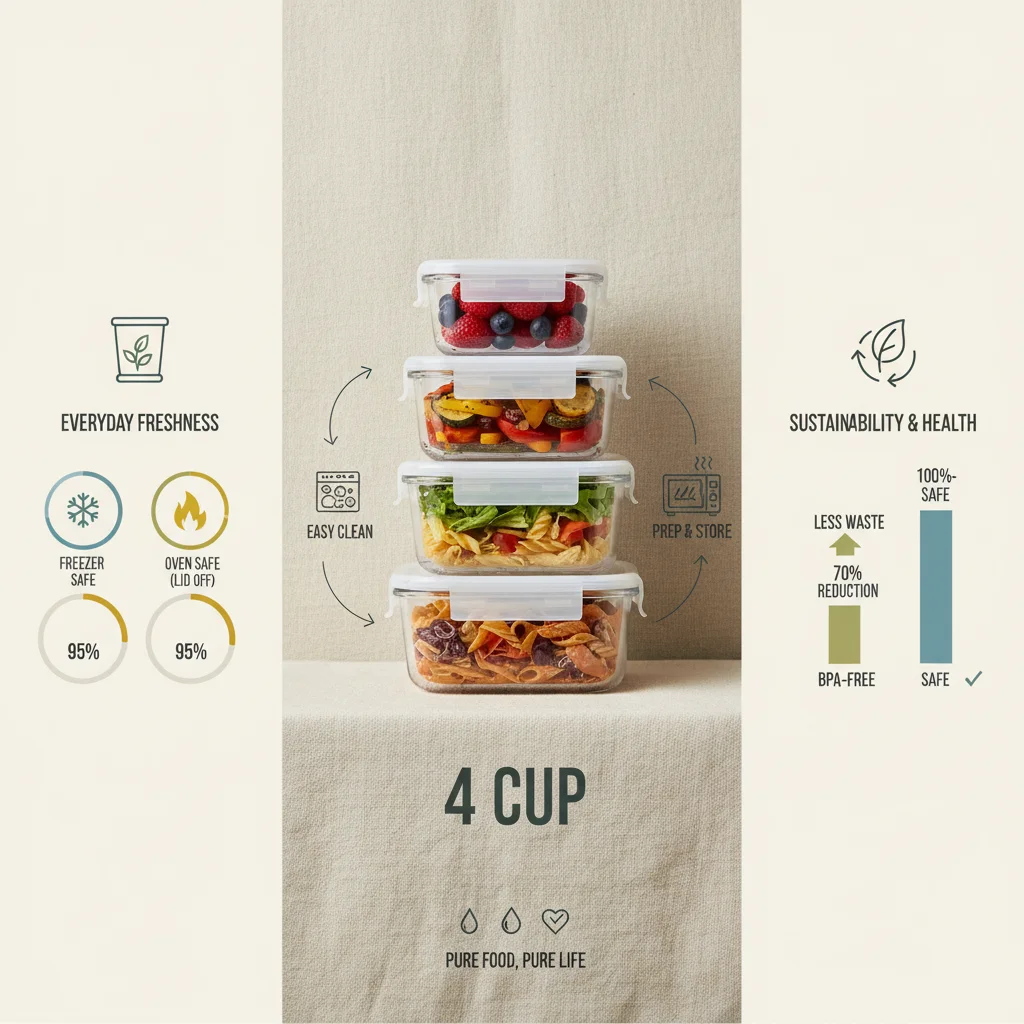
The 2-cup size is ideal for single portions, snacks, and side dishes, making it the most versatile for daily meal prep. The 4-cup size is better for family portions or bulk storage. For most users, a mix of both is recommended, but the 2-cup version is the most frequently used for individual lunches.
Yes. Glass is made from abundant natural materials like silica sand and is 100% recyclable without loss in quality. By using reusable 2 cup glass food storage containers, you eliminate the need for single-use plastics and avoid releasing microplastics into your food and the environment.
To prevent cracking, avoid filling the container to the absolute brim. Liquids expand when they freeze; leaving about half an inch of "headspace" ensures there is room for expansion, protecting the structural integrity of your 2 cup glass food storage containers.
Conclusion
In summary, 2 cup glass food storage containers represent the perfect intersection of health, sustainability, and practical utility. By offering a non-reactive environment for food preservation and a standardized size that fits modern dietary habits, these containers solve the common problems of food waste, chemical leaching, and kitchen clutter. From the selection of borosilicate materials to the implementation of airtight sealing technology, every aspect of these containers is designed to provide long-term value to the consumer.
As we move toward a more conscious way of consuming, transitioning to glass storage is not just a kitchen upgrade but a commitment to a healthier lifestyle and a cleaner planet. We suggest starting with a versatile set of medium-sized containers to experience the difference in food freshness and organization. To explore our full range of premium glassware and find the perfect fit for your needs, visit our website: www.ikoo-glass.com