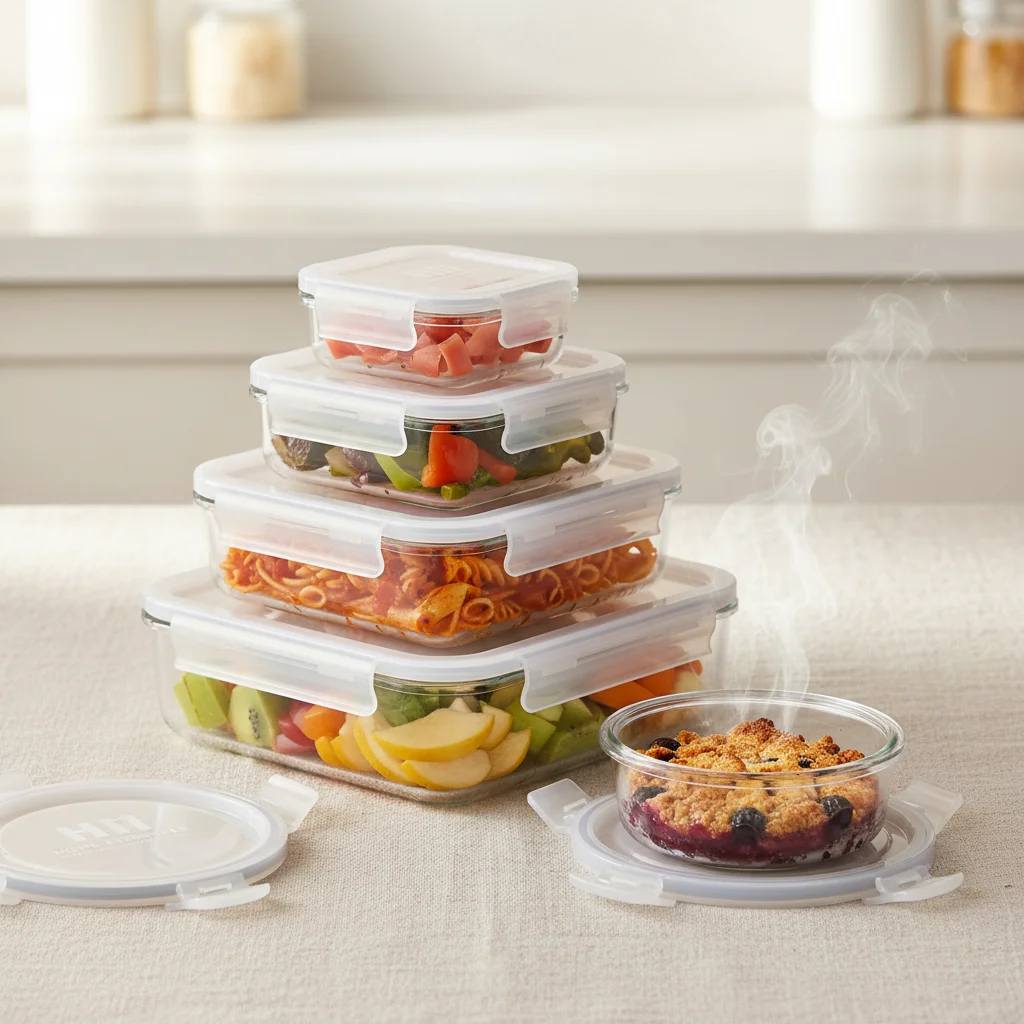
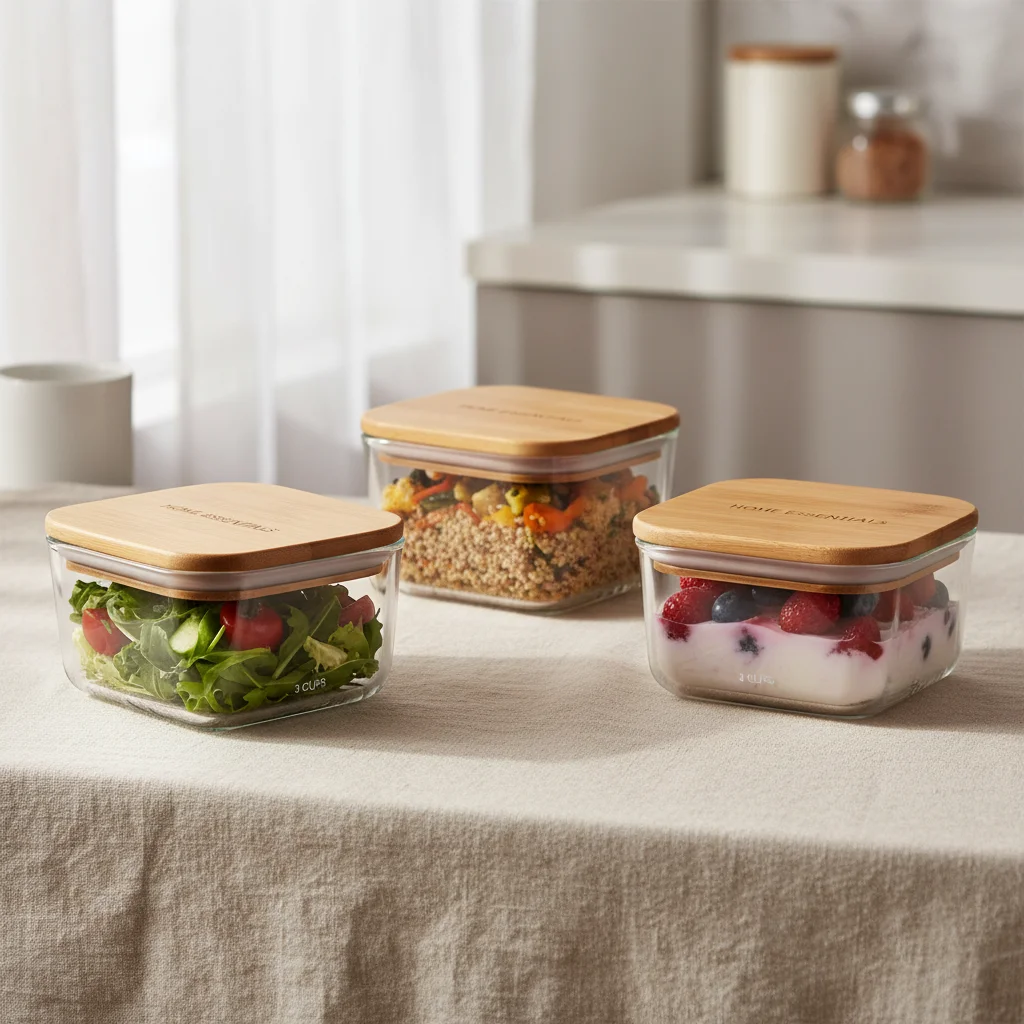
Look, I’ve been wrestling with materials on construction sites for twenty years. I’ve seen flimsy containers crack under pressure, food spoiled because of poor sealing, and a general mess of disorganized storage. That's why the rise of quality stacking glass food storage containers isn’t just a trend, it's a lifeline for anyone who values efficiency, cleanliness, and frankly, not wasting good food. These aren’t your grandma’s plastic leftovers containers – we're talking durable, modular systems built for real life, whether you’re prepping meals for a crew on a job site or just trying to keep your own kitchen in order.
The demand for better food storage is massive. Globally, about one-third of the food produced for human consumption is lost or wasted, costing the global economy nearly $1 trillion each year (FAO). A huge chunk of that waste happens during storage, transportation, and in our own homes. The shift towards sustainable practices and conscious consumption is pushing people to seek out solutions, and stacking glass containers offer a durable, reusable alternative to single-use plastics and flimsy, easily-damaged containers. It’s about more than just convenience; it's about minimizing waste and maximizing value.
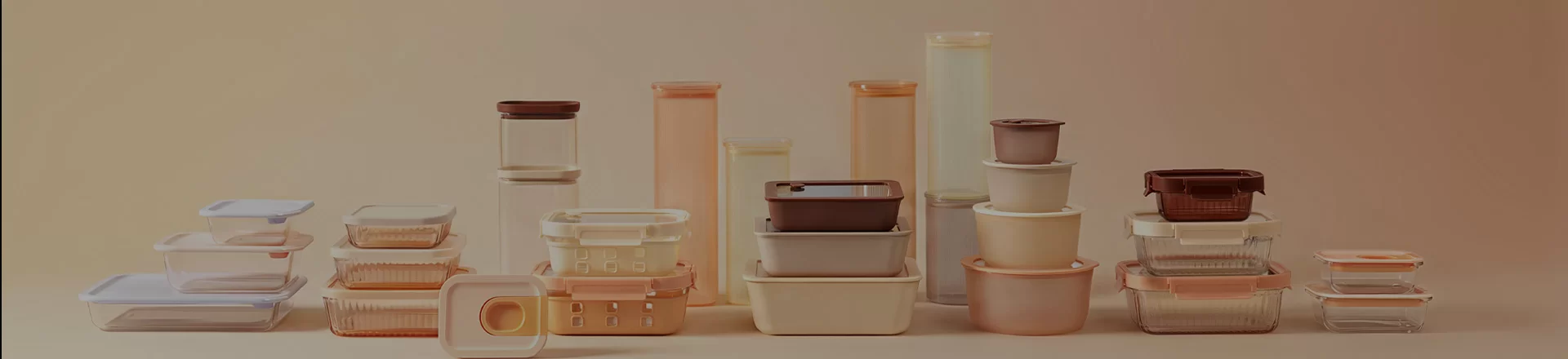
Simply put, stacking glass food storage containers are designed to nest neatly, saving space and simplifying organization. We're talking about containers made from glass – a non-porous material that doesn't absorb odors, stains, or flavors – with airtight seals to keep your food fresh for longer. And the ‘stacking’ part? That’s a game-changer, particularly in environments where space is at a premium. I’ve seen these things streamline meal prep for entire construction teams.
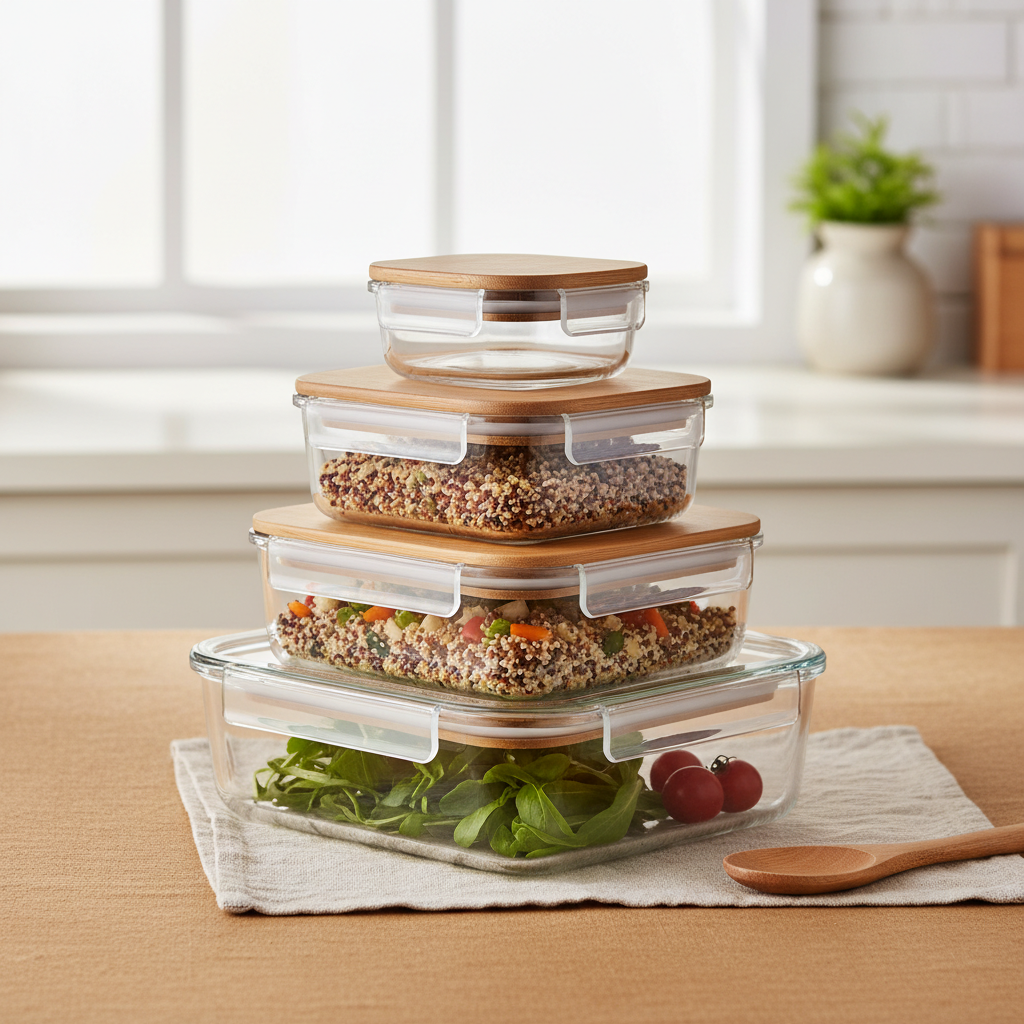
The Importance of Stacking Glass Food Storage Containers
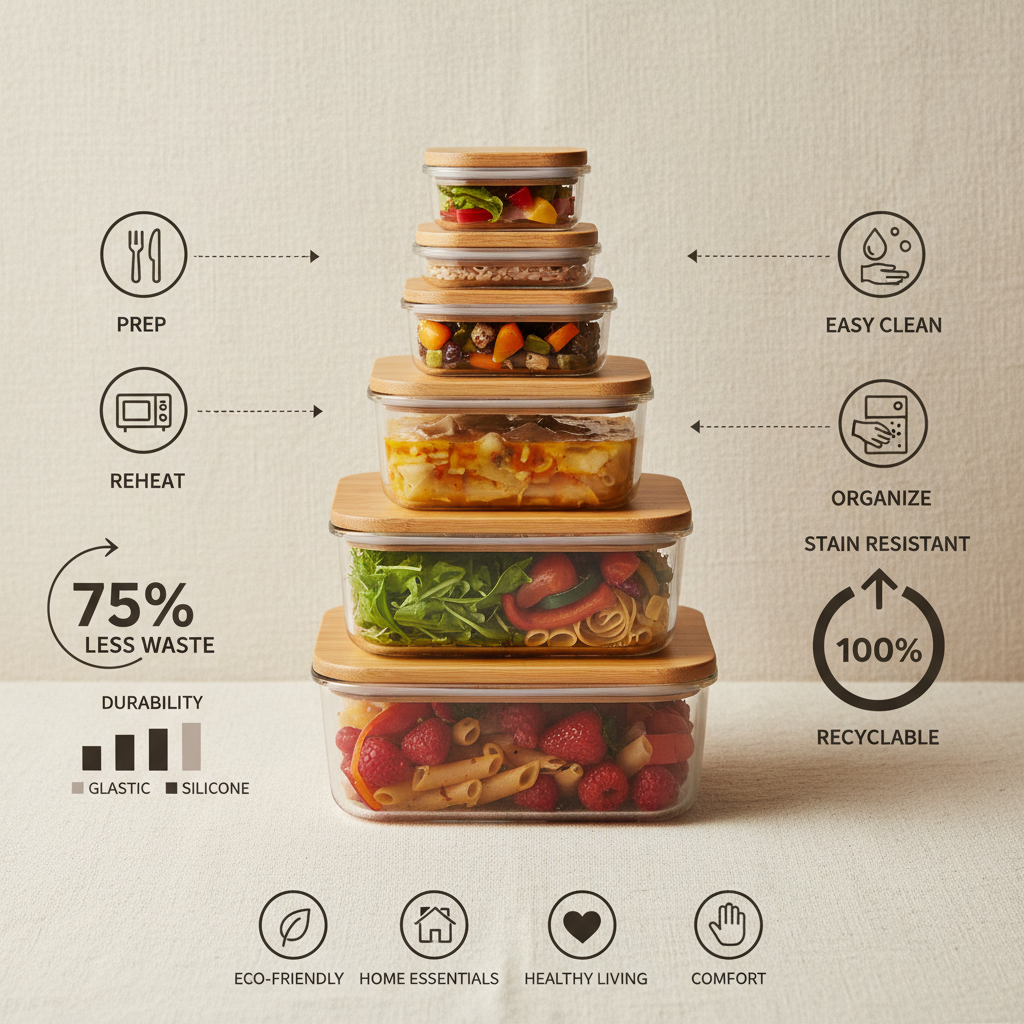
I’ve learned the hard way – quality tools save you time, money, and headaches. And when it comes to food storage, that means ditching the flimsy plastic and investing in something that’s built to last. Stacking glass food storage containers aren’t just about keeping your leftovers safe; they're about creating a system that works with you, not against you. I've seen them drastically reduce food waste on job sites.
It's about respecting the resources we use, too. The constant cycle of buying and discarding plastic containers is unsustainable. Glass is recyclable, reusable, and doesn't leach harmful chemicals into your food. That’s a win-win in my book. Plus, a well-organized storage system translates directly to a more efficient workflow, whether you're a chef, a construction worker, or just a busy parent.
Global Relevance and Industry Context
The global food storage market is a multi-billion dollar industry, driven by factors like increasing urbanization, rising disposable incomes, and a growing awareness of food waste. According to a report by Grand View Research, the global food storage market size was valued at USD 24.16 billion in 2022 and is expected to expand at a compound annual growth rate (CAGR) of 5.3% from 2023 to 2030. This growth is fueled by the demand for innovative and sustainable solutions.
We're seeing a major shift towards reusable and eco-friendly packaging across many industries, from food service to retail. Companies are under increasing pressure to reduce their environmental footprint, and consumers are actively seeking out products that align with their values. Stacking glass food storage containers fit perfectly into this trend, offering a practical and sustainable alternative to traditional plastic options.
This isn’t just a Western phenomenon either. In developing countries, proper food storage is crucial for reducing post-harvest losses and ensuring food security. Durable, stackable containers can make a significant difference in preserving food quality and extending shelf life, particularly in regions with limited access to refrigeration.
Defining Stacking Glass Food Storage Containers
Essentially, stacking glass food storage containers are food storage solutions constructed from glass, designed with a shape that allows them to be neatly stacked on top of each other. This maximizes space efficiency, crucial in both commercial and residential settings. They differ significantly from traditional plastic containers in terms of material composition, durability, and potential for environmental impact.
They’re not just about the glass, though. A key component is the lid. You'll typically find these with airtight silicone seals, which are essential for keeping food fresh and preventing leaks. The best systems also have well-designed locking mechanisms – you don’t want your chili spilling all over the back of the truck, trust me.
These containers connect directly to modern industry needs for safe, hygienic, and efficient food handling. In humanitarian contexts, they provide a durable and reusable option for food distribution, reducing reliance on disposable plastics. They address a basic need for preserving food while promoting sustainability and reducing waste.
Key Factors: Durability, Organization, and More
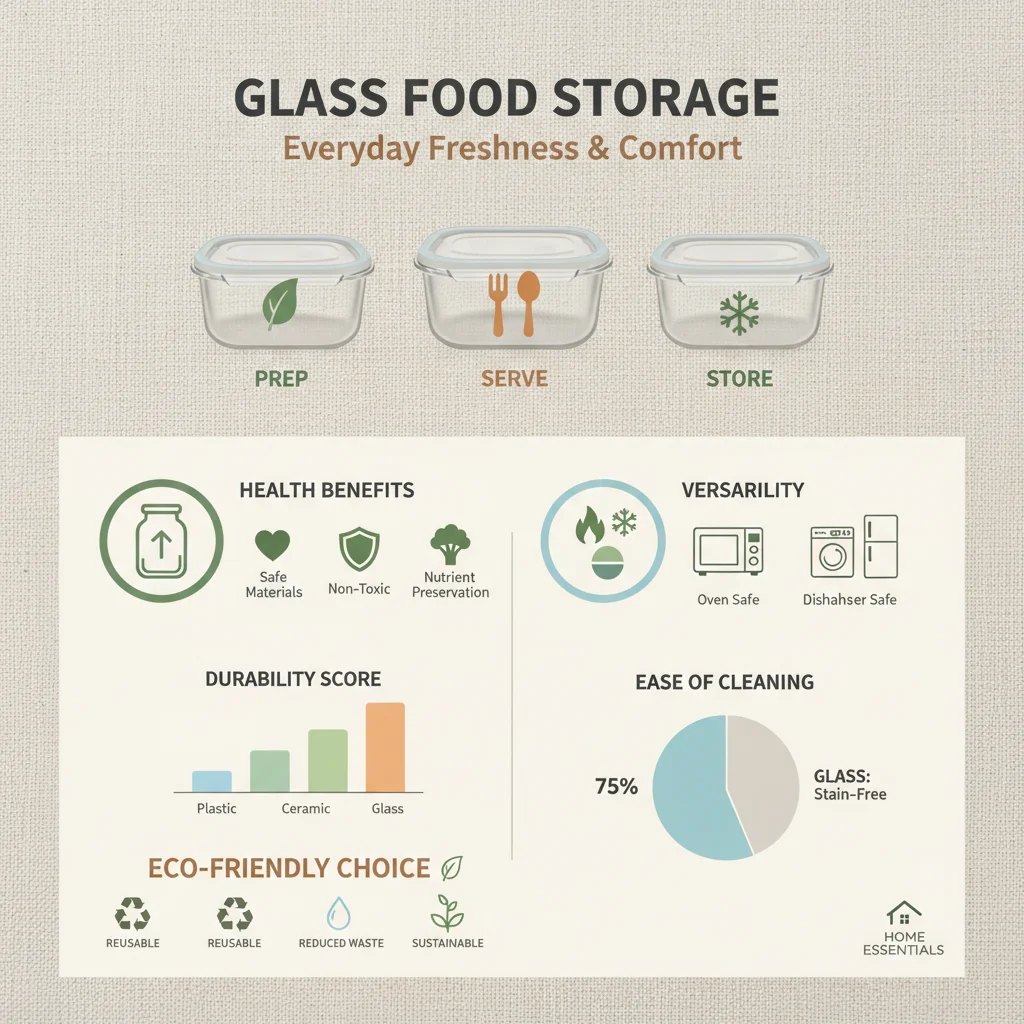
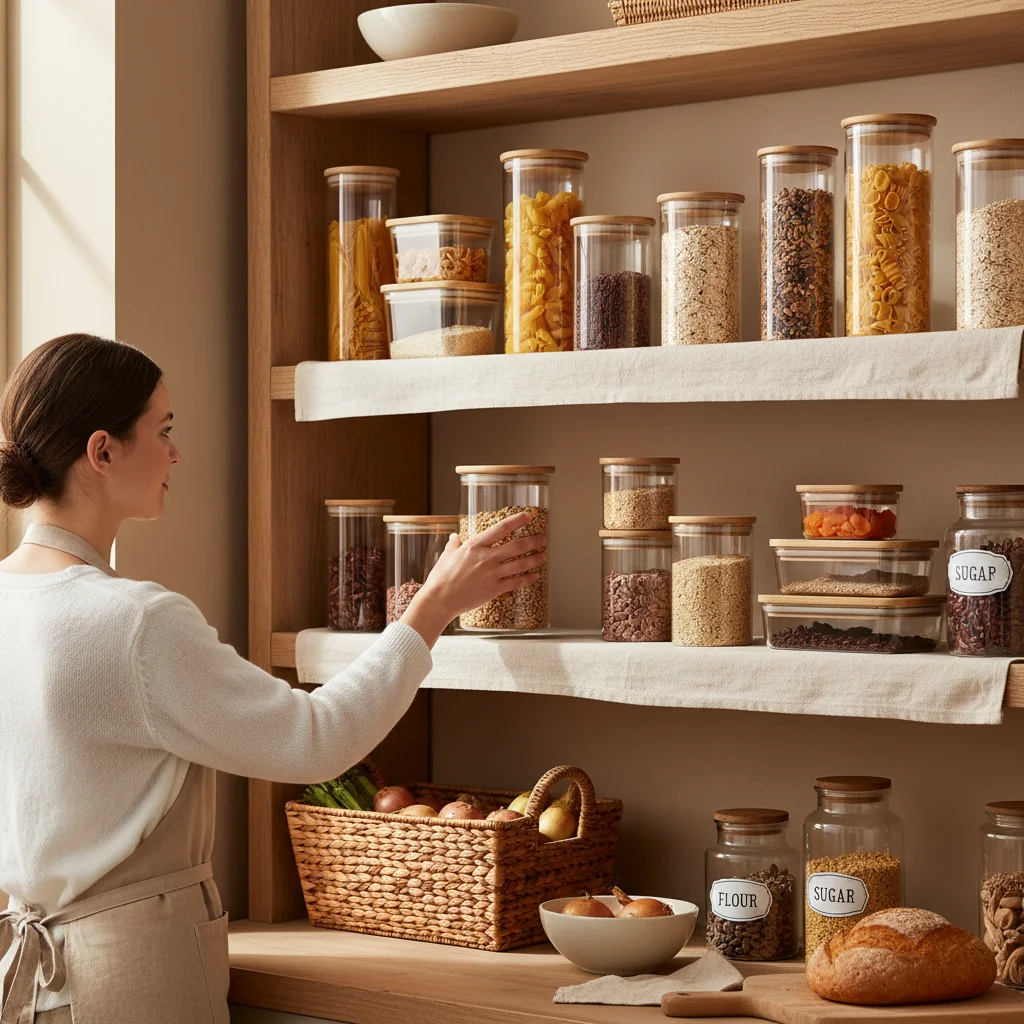
Let’s talk brass tacks. Durability is paramount. Glass can withstand temperature fluctuations, doesn't stain, and resists odors, making it ideal for storing a wide range of foods. You’re not going to crack one of these by accidentally dropping it on the concrete like you would a cheap plastic container. Organization is the next big win. The stacking feature is a game changer for maximizing space in kitchens, pantries, or even job site lunchrooms.
Then you've got hygiene. Glass is non-porous, meaning it doesn’t harbor bacteria or absorb odors like plastic. That’s a big deal, especially when you're dealing with food safety. And finally, the cost-effectiveness needs mentioning. While the initial investment might be higher than plastic, the longevity of glass containers means you won't be constantly replacing them.
Comparison of Stacking Glass Food Storage Container Features
Applications Across Industries and Regions
I’ve seen stacking glass food storage containers used everywhere, from commercial kitchens to remote construction sites. Catering companies love them for transporting and storing food safely. Meal prep services rely on them for portion control and client convenience. And in post-disaster relief operations, they provide a hygienic and reusable solution for food distribution.
In Europe, there’s a strong emphasis on sustainable packaging, driving demand for glass containers. In North America, we’re seeing a growing interest in minimalist lifestyles and organized kitchens, which fuels the popularity of stackable solutions. And in Asia, where space is often limited, the compact design of these containers is a major selling point.
Advantages: Cost, Sustainability, and Reliability
Look, nothing’s free, but stacking glass food storage containers pay for themselves over time. You’re not constantly replacing broken plastic containers. You’re reducing food waste, which saves you money. And you’re contributing to a more sustainable future. That’s a pretty good return on investment, if you ask me.
From an environmental standpoint, glass is infinitely recyclable without losing quality. That’s a huge advantage over plastic, which degrades with each recycling cycle. And the reliability of glass – its resistance to staining, odors, and temperature fluctuations – means it will consistently perform its job, reducing the risk of food spoilage and ensuring food safety.
Beyond the tangible benefits, there’s a peace of mind that comes with using quality products. You know you’re not exposing your food to harmful chemicals, and you know your containers are built to last. That kind of reliability is invaluable, especially in demanding environments.
Future Trends and Innovations
We’re starting to see integration of smart technology – like QR codes on containers that link to recipe information or expiration date tracking. I also anticipate seeing more focus on innovative lid designs, perhaps with improved sealing mechanisms or built-in ventilation.
The push for circular economy principles will also drive innovation in glass manufacturing and recycling processes. We'll likely see more manufacturers utilizing recycled glass and developing closed-loop systems to minimize waste. Plus, with the growing popularity of meal kit delivery services, the demand for reusable and sustainable packaging solutions will continue to rise, driving further innovation in the stacking glass food storage container space.
The integration of bioplastics into the lid construction could also be a game changer, offering a more sustainable alternative to traditional plastic lids while maintaining airtight seals.
Summary of Future Trends in Stacking Glass Food Storage Containers
| Trend Category |
Innovation Focus |
Impact on User Experience |
Projected Timeline |
| Smart Packaging |
QR Code Integration |
Enhanced food tracking and recipe access. |
1-3 Years |
| Lid Technology |
Improved Sealing Mechanisms |
Extended food freshness and leak prevention. |
2-5 Years |
| Circular Economy |
Recycled Glass Utilization |
Reduced environmental impact and sustainable sourcing. |
Ongoing |
| Material Science |
Bioplastic Lid Development |
More sustainable alternatives to traditional plastics. |
3-5 Years |
| Industry Collaboration |
Meal Kit Integration |
Reusable packaging solutions for meal delivery. |
1-2 Years |
| Manufacturing Processes |
Closed-Loop Recycling |
Minimizing waste and maximizing resource utilization. |
5+ Years |
FAQS
Most high-quality stacking glass containers are indeed dishwasher safe, but it's crucial to check the manufacturer’s instructions. I've found that placing them on the top rack often yields the best results, preventing potential chipping or damage. Be mindful of extreme temperature changes – avoid immediately transferring a hot glass container to cold water, as this can cause thermal shock and breakage.
The lids are typically the biggest issue. Regular washing with warm, soapy water is essential. For stubborn stains or odors, try soaking the lids in a baking soda and water solution overnight. Avoid abrasive cleaners, as they can damage the silicone seals. Proper care will significantly extend the life and cleanliness of your lids.
Yes, glass is inherently heavier than plastic. However, the added weight is a trade-off for the durability, hygiene, and sustainability benefits. Plus, the stackable design helps to maximize space and organization, minimizing the inconvenience of the weight. I've found the benefits far outweigh the slight weight difference.
Generally, yes, stacking glass containers are microwave safe, but again, always check the manufacturer’s guidelines. Avoid microwaving containers with metal components or lids that are not specifically labeled as microwave-safe. Be cautious when removing containers from the microwave, as they may be hot. Always use oven mitts or pot holders.
While glass is suitable for most foods, it's best to avoid storing highly acidic foods (like tomatoes or citrus fruits) for extended periods, as they can potentially etch the glass over time. Also, be mindful of staining with vibrant spices like turmeric or paprika. Proper cleaning immediately after use will prevent any lasting discoloration.
Inspect the silicone seals regularly for any cracks or damage. Ensure the lid is properly aligned and securely fastened. A good test is to fill the container with water, seal it, and turn it upside down. If there are any leaks, double-check the seal and lid alignment. Occasionally, a light coating of food-grade silicone grease can help maintain a tight seal.
Conclusion
In the end, stacking glass food storage containers aren't just a kitchen gadget – they're a smart investment in quality, sustainability, and efficiency. They address real-world problems, from reducing food waste to simplifying organization, and they offer a durable, hygienic alternative to traditional plastic options. From construction sites to family kitchens, these containers are proving their value day in and day out.
Looking ahead, I expect to see continued innovation in this space, with a focus on smart features, sustainable materials, and even more efficient designs. My advice? Don’t settle for flimsy, disposable containers. Invest in a system that’s built to last, and you’ll be saving money, reducing waste, and enjoying fresh, delicious food for years to come. For reliable, high-quality options, visit our website: www.ikoo-glass.com.