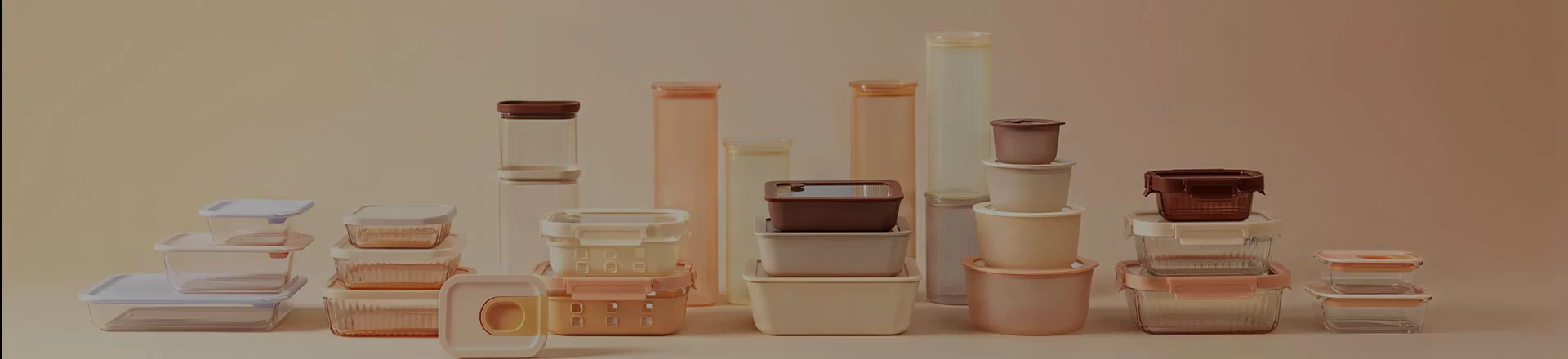
In the modern culinary landscape, the shift toward sustainable and health-conscious kitchenware has made the set of glass food storage containers a cornerstone of organized home management. As consumers move away from single-use plastics, the demand for non-toxic, reusable, and durable alternatives has surged globally, reflecting a broader commitment to reducing environmental impact and improving food safety.
The versatility of borosilicate glass allows these containers to transition seamlessly between extreme temperatures, ensuring that meal preparation and preservation are more efficient than ever. From the rapid pace of urban lifestyles to the meticulous needs of professional chefs, having a reliable system for food organization helps in reducing waste and maintaining the nutritional integrity of ingredients.
Whether you are looking to optimize your refrigerator space or seeking a professional-grade solution for batch cooking, investing in a high-quality set of glass food storage containers ensures a perfect balance of elegance and utility. By prioritizing materials that do not leach chemicals, users can enjoy peace of mind knowing their food remains pure and untainted.

The Global Shift Toward Glass Storage Solutions
Across the globe, the transition from plastic to a set of glass food storage containers is driven by an increasing awareness of endocrine disruptors like BPA. According to international health standards and environmental reports, the accumulation of microplastics in the food chain has pushed millions of households to seek chemically inert alternatives. Glass, being a natural material, provides a sterile environment that does not react with acidic or alkaline foods.
This movement is not merely a trend but a systemic change in how we approach food security and health. By adopting high-grade borosilicate glass, consumers are reducing their carbon footprint and ensuring that their meal prep routines are aligned with the highest safety protocols. This shift is particularly evident in regions with strict food safety regulations, where transparency and material purity are non-negotiable.
Defining the Modern Set of Glass Food Storage Containers
A set of glass food storage containers refers to a curated collection of glass vessels, typically equipped with airtight lids, designed to preserve food freshness and facilitate organized storage. Unlike basic jars, modern sets are engineered for multi-functional use, meaning they can often move from the freezer to the oven without the risk of thermal shock, provided they are made from high-quality borosilicate glass.
In the context of the modern manufacturing industry, these sets represent the intersection of material science and ergonomic design. They address the humanitarian need for sustainable living by offering a product that lasts for years, reducing the waste generated by disposable packaging. The emphasis is on clarity, seal integrity, and stackability to maximize limited kitchen space.
Furthermore, these containers serve as a critical tool for those practicing disciplined dietary habits. By utilizing a consistent set of glass food storage containers, users can visually monitor their portions and food quality, which is essential for maintaining a healthy lifestyle and reducing domestic food waste.
Core Components of High-Performance Glassware
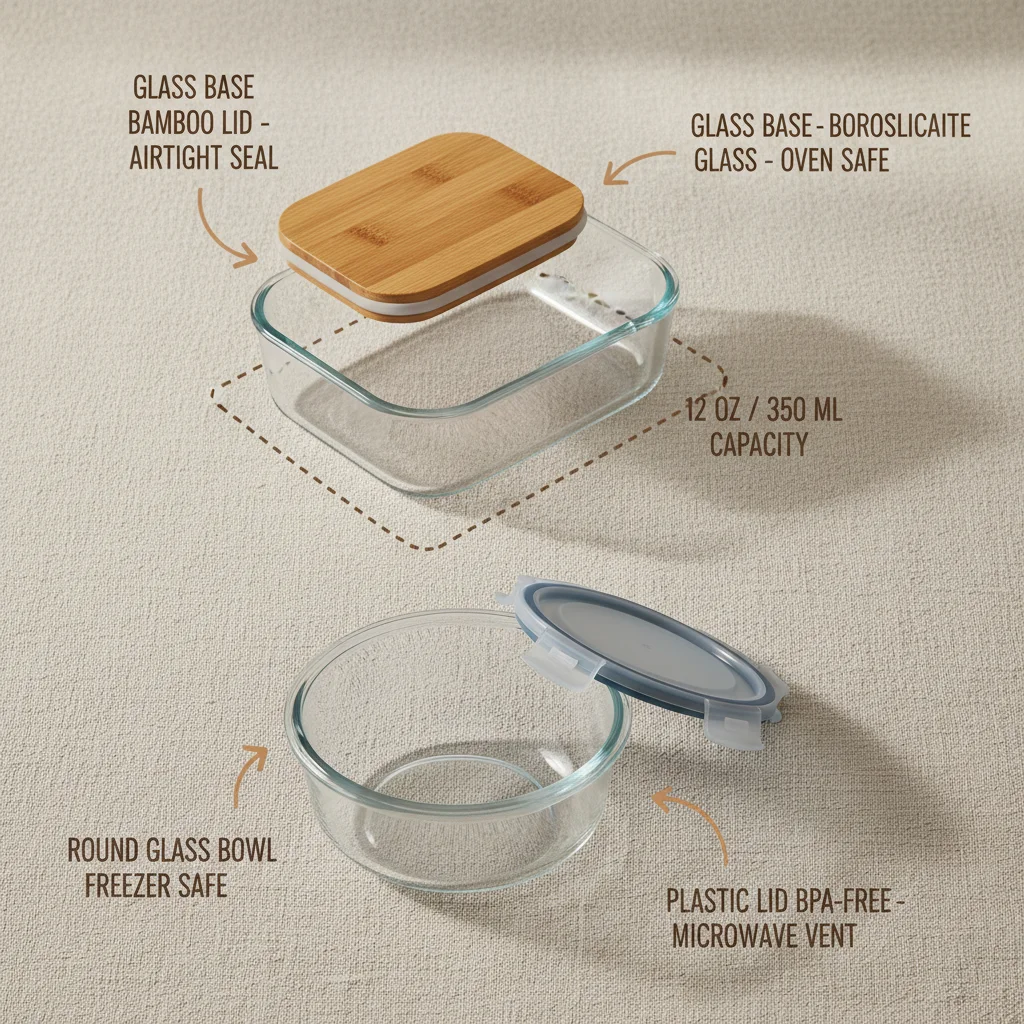
The primary factor that defines a premium set of glass food storage containers is the material composition. High borosilicate glass is the gold standard due to its low coefficient of thermal expansion. This allows the container to withstand sudden temperature changes—such as moving a dish from a cold refrigerator to a hot microwave—without cracking or shattering.
Another essential component is the sealing mechanism. A true set of glass food storage containers must feature a lid—often made of BPA-free plastic or silicone—that creates a vacuum-like seal. This prevents oxygen from entering and moisture from escaping, which significantly extends the shelf life of perishable items and prevents cross-contamination of odors in the fridge.
Finally, the design ergonomics play a vital role in usability. From reinforced rims that prevent chipping to stackable bases that optimize vertical space, every detail of a set of glass food storage containers is engineered for durability. This ensures that the product remains a functional asset in the kitchen for a decade or more, providing immense value over time.
Practical Applications in Global Kitchens
The application of a set of glass food storage containers spans across various professional and domestic environments. In commercial kitchens and cafes, they are used for "mise en place," allowing chefs to prep ingredients in advance while maintaining absolute purity of flavor. In residential settings, they are the primary tool for meal prepping, enabling users to organize a week's worth of nutrition in a single afternoon.
From the high-density apartments of Tokyo to the sprawling kitchens of North America, these containers are prized for their versatility. They are not only for storage but act as serving dishes, reducing the number of pots and pans needed. Their transparency allows for instant inventory checks, ensuring that no food is forgotten and left to spoil at the back of the shelf.
Comparative Performance of Storage Materials
Long-Term Value and Sustainability Benefits
Investing in a set of glass food storage containers provides significant long-term financial and ecological value. Unlike plastic containers that warp, stain, or absorb smells over time, borosilicate glass remains pristine regardless of the food stored inside. This eliminates the need for frequent replacements, effectively reducing the volume of waste sent to landfills.
Beyond the economic angle, there is a profound psychological benefit. The use of a set of glass food storage containers promotes a sense of order and mindfulness. Knowing that your food is stored in a safe, non-toxic environment enhances the overall dining experience and supports a lifestyle focused on wellness and sustainability.
Future Innovations in Food Preservation Materials
The future of the set of glass food storage containers lies in the integration of "smart" technology and advanced material engineering. We are seeing the emergence of vacuum-sealed glass systems that can remove air automatically to extend food life by up to five times. These innovations will likely incorporate sensor-based lids that track expiration dates and notify users via smartphone apps.
Additionally, there is a push toward 100% biodegradable or infinitely recyclable lid materials to complement the recyclable nature of glass. The goal is a truly circular economy where every component of the storage set can be returned to the earth or repurposed without leaving a trace of pollution.
Automation in manufacturing is also allowing for more customized shapes and sizes, ensuring that a set of glass food storage containers can be tailored to the specific needs of a household, further reducing food waste by providing the perfect fit for every ingredient.
Overcoming Challenges in Glassware Durability
The most common challenge associated with a set of glass food storage containers is the inherent fragility of glass compared to plastic. To combat this, manufacturers are employing advanced tempering processes and thickening the walls of the glass without sacrificing clarity. This creates a product that is significantly more impact-resistant.
Another challenge is the weight of glass, which can be a drawback for those transporting meals over long distances. However, the industry is innovating with lightweight borosilicate blends that maintain thermal strength while reducing the overall mass. This makes the set of glass food storage containers more practical for office lunches and travel.
Lastly, the issue of lid wear and tear is being addressed through the use of medical-grade silicone and reinforced locking clips. By improving the longevity of the seal, the entire set remains airtight for longer, ensuring that the primary value of the glass—its purity and seal—is never compromised.
Analysis of Material Durability and Performance for Glass Storage
| Material Grade | Thermal Resistance | Impact Strength | Overall Score |
|---|
| Standard Soda-Lime | Low | Medium | 6/10 |
| Tempered Glass | Medium | High | 8/10 |
| Borosilicate Glass | Very High | Medium-High | 10/10 |
| Lead-Free Crystal | Low | Low | 5/10 |
| Aluminosilicate | High | Very High | 9/10 |
| Composite Glass | Medium | Medium | 7/10 |
FAQS
Not all. Only those made from borosilicate glass are truly oven safe. Standard soda-lime glass can shatter under high heat. Always check the product specifications to ensure your set is rated for oven use before heating.
To prevent thermal shock, avoid extreme temperature jumps. For example, do not take a container directly from the freezer and put it into a preheated oven. Let it sit at room temperature for a few minutes first.
This depends on the lid material. Most silicone or BPA-free plastic lids are microwave-safe for reheating, but they should generally not be used for long-term cooking. It is often safer to vent the lid or replace it with a paper towel.
Glass generally preserves food longer because it is non-porous and does not react with food. When paired with an airtight seal, a glass set can keep vegetables and proteins fresh for several days longer than cheap plastic alternatives.
On the contrary, glass is much easier to clean. It does not absorb odors or stains (like tomato sauce), and most high-quality sets are dishwasher safe, making them more hygienic than plastic containers.
For a family of four, we recommend a diverse set including at least 4 large containers for main courses, 6 medium for sides, and 8 small for snacks or sauces, ensuring all meal prep needs are covered.
Conclusion
In summary, the transition to a set of glass food storage containers represents a pivotal step toward a healthier, more sustainable kitchen. By combining the thermal resilience of borosilicate glass with airtight sealing technology, these sets solve the dual problem of food waste and chemical contamination. The long-term benefits—ranging from cost savings to improved food safety—far outweigh the initial investment, making them an essential tool for any modern home.
Looking forward, as smart materials and eco-friendly lid designs continue to evolve, the role of glass in food preservation will only grow. We encourage consumers to prioritize quality over quantity, choosing sets that offer genuine thermal shock resistance and medical-grade seals. To upgrade your kitchen with the finest preservation solutions, visit our website: www.ikoo-glass.com.