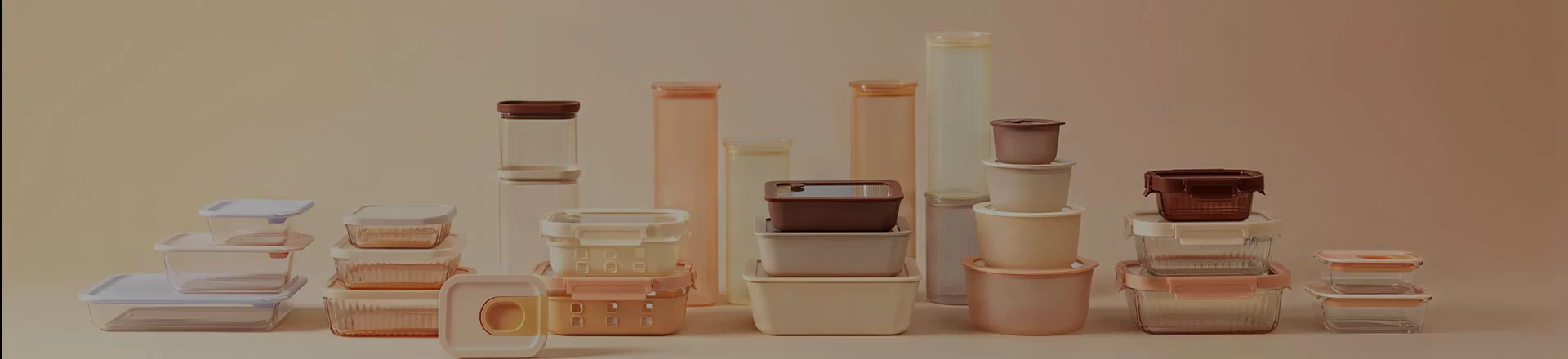
In the modern kitchen, the demand for sustainable and efficient storage has led to a resurgence in the use of high-quality glass. Many homeowners and professional chefs are now prioritizing longevity and health, moving away from plastic alternatives that degrade over time. This shift has highlighted the necessity of having reliable, high-capacity solutions to manage bulk ingredients and meal prep effectively.
Maintaining the freshness of dry goods, grains, and snacks requires more than just a lid; it requires a strategic approach to air and moisture control. When dealing with larger quantities of food, the choice of material and sealing mechanism becomes critical to prevent spoilage and reduce waste. This is where the engineering of professional-grade storage comes into play, ensuring that nutritional value and taste are preserved.
Choosing large glass containers for food allows users to combine visual organization with superior preservation technology. By utilizing materials like high borosilicate glass and vacuum-sealing lids, these containers transform the pantry from a cluttered space into a streamlined, hygienic environment that supports a healthier lifestyle.

The Global Importance of Premium Food Storage
Across the globe, food waste has become a critical environmental and economic challenge. According to data aligned with ISO sustainability goals, a significant portion of household food waste is caused by improper storage and premature spoilage. The industry has responded by developing sophisticated storage solutions that move beyond simple containment to active preservation.
The adoption of high-capacity glass systems helps mitigate these issues by providing a non-reactive environment that blocks external contaminants. By integrating vacuum technology, these containers effectively extend the shelf life of organic materials, reducing the frequency of grocery trips and lowering the overall carbon footprint associated with food production and disposal.
Defining Large Glass Containers for Food
At its core, large glass containers for food refer to high-volume storage vessels crafted from non-porous glass, specifically designed to hold bulk ingredients while maintaining an airtight seal. Unlike standard jars, these are engineered for durability and stability, often featuring wide mouths for easy filling and specialized lids to ensure a vacuum-like environment.
In the context of modern industry, these containers are not merely kitchen accessories but are tools for food security at a domestic level. By providing a transparent, leak-proof, and odor-resistant medium, they allow users to monitor inventory levels effortlessly, which is a key component of efficient household management and waste reduction.
The transition toward these high-standard containers reflects a broader humanitarian and health-conscious movement. By eliminating the risk of chemical leaching associated with some plastics, glass provides a pure storage environment that is essential for maintaining the integrity of sensitive foods like coffee beans, grains, and homemade preserves.
Core Components of High-Borosilicate Glass
The primary material used in premium large glass containers for food is high borosilicate glass. Unlike regular soda-lime glass, borosilicate glass contains boron trioxide, which significantly lowers the coefficient of thermal expansion. This makes the containers highly resistant to thermal shock, allowing them to withstand temperatures from -20°C up to 560°C.
Beyond thermal resistance, the structural integrity is enhanced by a "thickened glass" design. This ensures that the containers can handle the pressure of a vacuum seal without risking cracks, providing maximum durability for daily use. When combined with LFGB and FDA-certified silicone and PP lids, these components create a formidable barrier against moisture and oxygen.
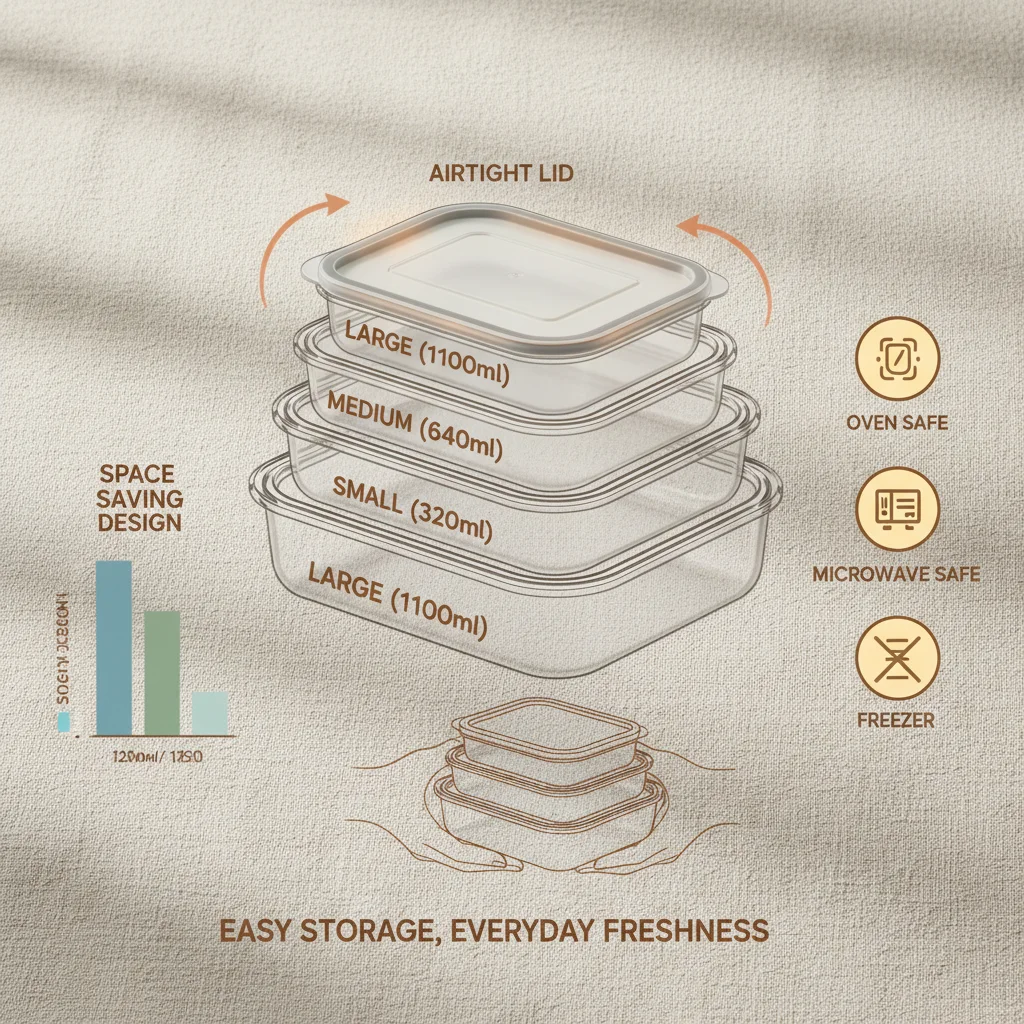
Another essential component is the stackable architecture. By designing the base and lid to interlock, these large glass containers for food maximize vertical space in cabinets and refrigerators. This engineering choice addresses the common problem of cluttered kitchen counters, transforming chaotic storage into an organized, elegant system.
Performance Analysis of Vacuum Sealing
Vacuum sealing technology represents a significant leap over traditional airtight lids. By minimizing the amount of oxygen trapped inside the vessel, vacuum seals slow down the oxidation process, which is the primary cause of flavor loss and nutritional degradation in dry foods. This is particularly vital for ingredients like nuts and coffee, where aromatic oils are easily oxidized.
Furthermore, the moisture-resistant seal prevents humidity from infiltrating the container. In humid climates, this prevents clumping in flours and sugars and keeps crackers and cereals crisp. The result is a stable internal environment that preserves the original taste and texture of the food for considerably longer periods.
Preservation Efficiency of Large Glass Containers for Food
Real-World Applications in Modern Kitchens
In residential settings, these containers are increasingly used for "bulk prepping." For instance, households purchasing grains or legumes in large quantities can distribute them into 1000ml to 2000ml canisters, ensuring that each batch remains fresh from the first scoop to the last. The transparency of the glass allows for immediate visual inventory, reducing the likelihood of over-purchasing.
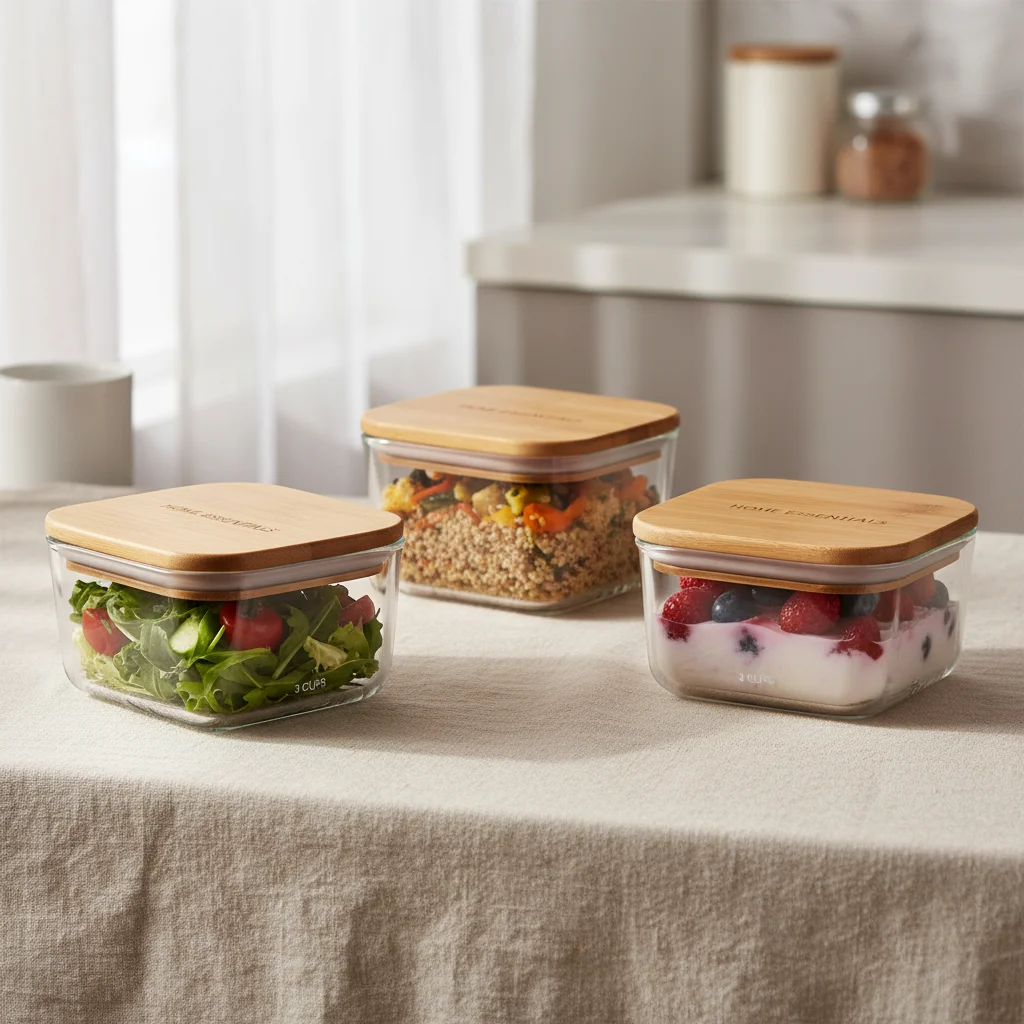
Beyond the pantry, these containers excel in refrigerator organization. Their leak-proof design makes them ideal for storing homemade sauces, overnight oats, or pre-cut vegetables. Because they do not absorb odors, a single set of containers can be used for various food types without the risk of cross-contamination of flavors, which is a common issue with plastic storage.
Long-Term Value and Sustainability
Investing in high-quality glass storage provides tangible economic value over time. While the initial cost may be higher than disposable plastic, the durability of borosilicate glass means these containers can last for decades. They do not stain, warp, or crack under normal use, eliminating the need for frequent replacements.
From a sustainability perspective, the impact is profound. By replacing single-use plastic bags and containers with reusable glass, users significantly reduce their plastic waste. Glass is infinitely recyclable and chemically inert, making it the most eco-friendly choice for long-term food preservation.
Moreover, there is an emotional value tied to organization. A visually clean and ordered pantry reduces mental stress and encourages healthier eating habits. The combination of elegance and practicality creates a kitchen environment that feels professional and intentional, fostering a deeper connection to the food we consume.
Future Innovations in Glass Storage Technology
The future of food storage is moving toward "smart" integration. We are seeing the development of lids that can monitor internal pressure or humidity levels, alerting users via smartphone when a seal has been compromised. These innovations will further enhance the capabilities of large glass containers for food, making food waste almost entirely preventable.
Additionally, advancements in glass chemistry are producing materials that are even lighter yet more impact-resistant than current borosilicate options. This will make large-capacity containers more portable and easier to handle without sacrificing the thermal properties that make glass superior to other materials.
Sustainability policies are also driving the industry toward carbon-neutral manufacturing. New kiln technologies powered by green energy are reducing the footprint of glass production, ensuring that the entire lifecycle of the storage container—from the factory to the kitchen—is aligned with global ecological goals.
Comparative Analysis of Glass Storage Specifications
| Capacity Option |
Primary Use Case |
Seal Efficiency |
Durability Score |
| 450ml |
Spices & Small Seeds |
High (Vacuum) |
9/10 |
| 1000ml |
Coffee Beans & Tea |
High (Vacuum) |
9/10 |
| 1500ml |
Pasta & Grains |
High (Vacuum) |
8/10 |
| 2000ml |
Flour & Cereal |
High (Vacuum) |
8/10 |
| Custom Set |
Mixed Pantry Org |
Variable |
9/10 |
| Bulk-Sized |
Commercial Prep |
Very High |
7/10 |
FAQS
Yes, because they are made from high borosilicate glass, they can withstand temperatures up to 560°C. However, it is critical to remove the PP and silicone lids before heating, as the lids are not designed for oven temperatures.
The vacuum seal is significantly more effective because it actively minimizes oxygen exposure. While standard lids keep dust and pests out, vacuum seals slow down the oxidation of fats and the absorption of moisture, extending the freshness of dry goods by several weeks or months.
Absolutely. Glass is chemically inert and non-reactive, meaning it will not leach chemicals or react with acidic foods. This makes it the safest material for long-term storage of sauces, pickles, and fermented foods.
No. High-quality borosilicate glass is non-porous, meaning it does not absorb odors, dyes, or stains from foods like turmeric or tomato sauce. It remains crystal clear regardless of what is stored inside, provided it is cleaned normally.
Ensure the rim of the glass is clean and dry before placing the lid. Press the lid down firmly to engage the silicone seal. If the container features a vacuum valve, ensure it is fully closed to maintain the airtight environment.
Yes, the borosilicate glass bodies are completely dishwasher safe. For the lids, we recommend the top rack of the dishwasher or hand washing to preserve the elasticity of the silicone seal over several years of use.
Conclusion
The adoption of large glass containers for food represents a convergence of health, sustainability, and organizational efficiency. By leveraging the thermal resilience of borosilicate glass and the preservation power of vacuum sealing, these containers solve the age-old problem of food spoilage and pantry clutter. From reducing plastic waste to ensuring that the nutritional integrity of ingredients is maintained, the transition to premium glass storage is a logical step for any modern, conscious kitchen.
Looking forward, as we move toward more sustainable living, the value of durable, non-toxic storage will only increase. We encourage homeowners and culinary professionals to invest in systems that prioritize quality over convenience. By choosing professional-grade glass solutions, you are not just organizing your kitchen—you are investing in a healthier lifestyle and a cleaner planet. Visit our website for more information: www.ikoo-glass.com