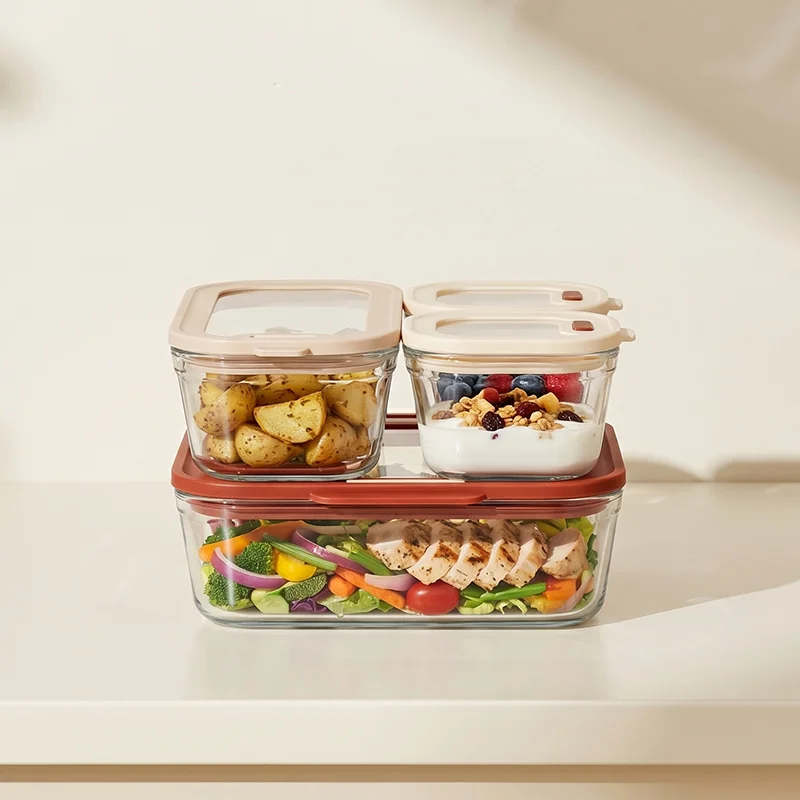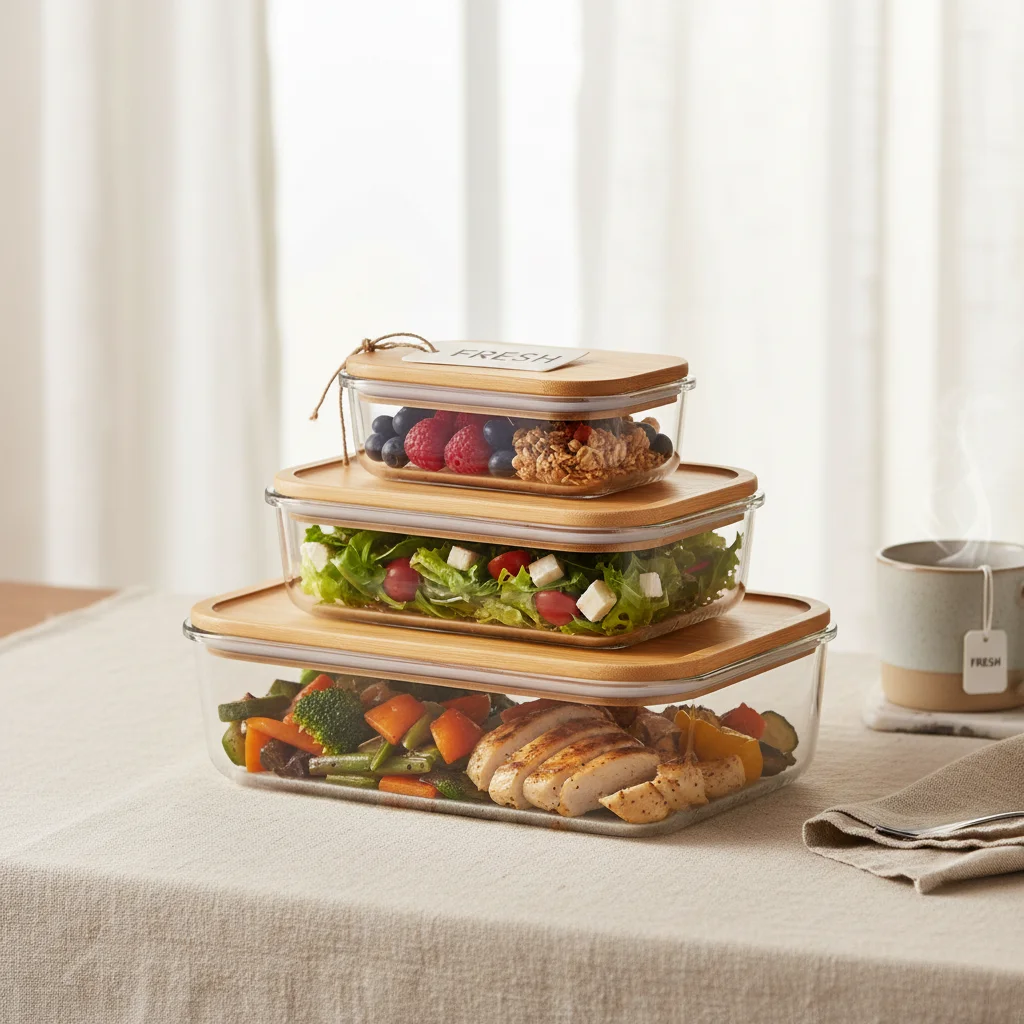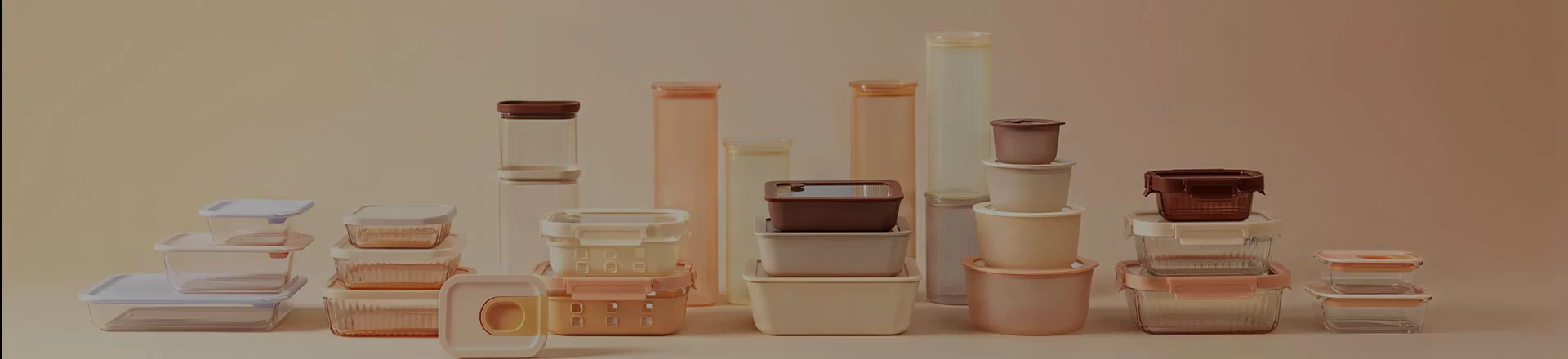
Keeping food fresh, preventing spills, and organizing meals are priorities for modern households and food storage brands. Leakproof glass food containers offer a practical solution by combining durable glass bodies with secure lids and sealing systems designed to help prevent leaks. From storing leftovers and packing lunches to preparing meals in advance, these containers support a wide range of food storage needs.
As consumers look for reusable alternatives to disposable packaging, glass food storage containers have become an important product category for kitchenware retailers, wholesalers, and private-label brands. However, not all containers provide the same level of leak resistance, convenience, or durability. Understanding the differences in lid design, sealing materials, container shape, and intended use can help buyers select products that meet their needs.
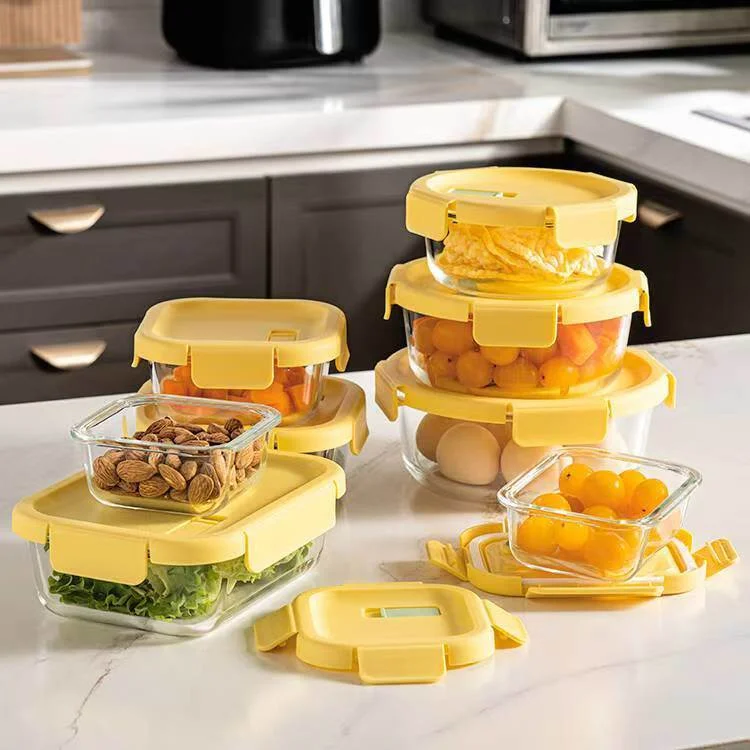
What Makes a Glass Food Container Truly Leakproof?
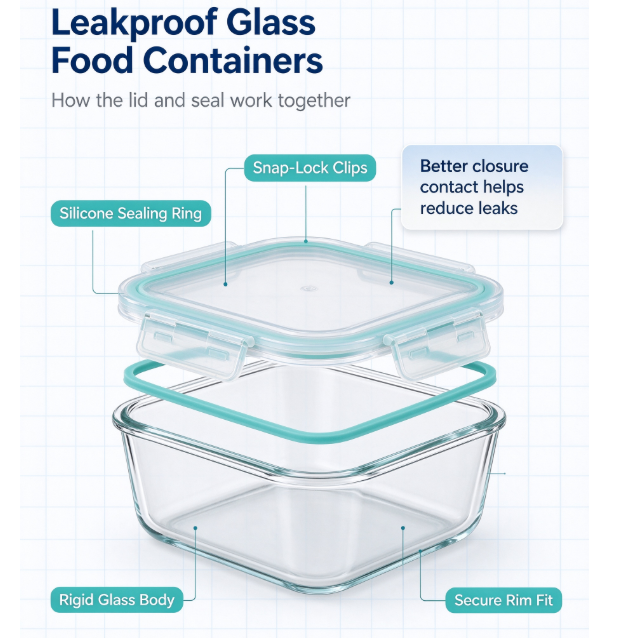
The leak resistance of a glass food container depends on more than the glass body itself. The lid, sealing ring, locking mechanism, and fit between components all influence how well the container holds liquids and prevents spills.
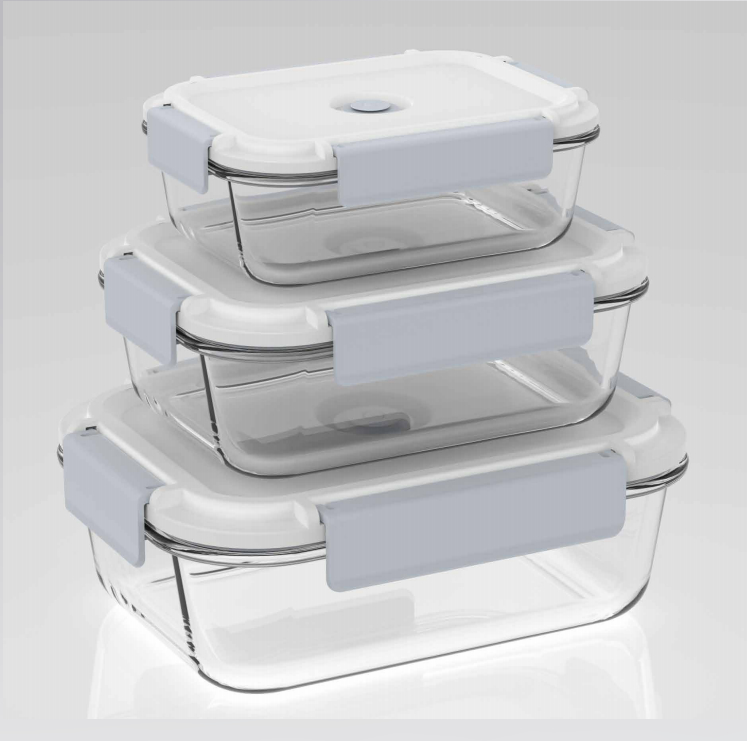
A well-designed leak-proof glass container typically combines a rigid glass body with a lid that fits securely around the opening. Silicone sealing rings can create a tighter barrier, while snap-locking clips or other closure systems help maintain consistent contact between the lid and the seal.
When evaluating a container, consider these essential features:
Airtight sealing: Helps limit air exchange and supports food freshness when the lid is properly closed.
Liquid-resistant construction: Helps prevent spills when storing soups, sauces, dressings, and other moist foods.
Secure lid attachment: Reduces the risk of accidental opening during everyday handling.
Reliable sealing materials: Silicone or other suitable gasket materials can improve the fit between the lid and container.
Easy cleaning: Removable seals and accessible lid components can make routine cleaning more convenient.
It is important to distinguish between airtight and leakproof performance. An airtight container helps restrict air exchange, while a leakproof container is designed to resist liquid escaping under specified conditions. Buyers should check the manufacturer's testing methods and usage instructions rather than assuming every sealed container is suitable for carrying liquids in any position.
Why Choose Glass Food Storage Containers with Airtight Lids?
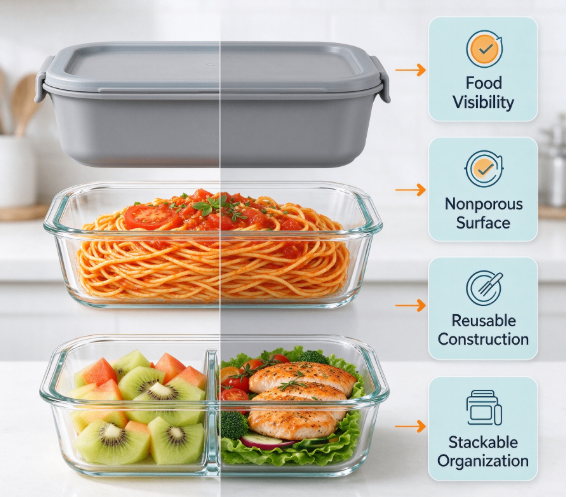
Glass food storage containers appeal to consumers who value food visibility, reusable construction, and a clean, simple appearance. Unlike opaque containers, transparent glass makes it easy to identify stored ingredients without opening the lid.
Glass is also nonporous under normal food storage conditions, so it is less likely to retain food odors or stains than many porous materials. This makes it suitable for storing foods such as tomato-based sauces, curries, cut fruit, and prepared meals.
Other advantages include:
Food visibility: Transparent walls make it easier to monitor portions and identify contents.
Reusable design: Durable glass bodies can support repeated use when handled according to the manufacturer's instructions.
Versatile storage: Different sizes can accommodate snacks, ingredients, leftovers, and complete meals.
Kitchen organization: Stackable designs can help make better use of refrigerator and cabinet space.
Long-term practicality: Glass bodies can remain useful through repeated storage cycles when protected from impacts and thermal shock.
For kitchenware brands and distributors, these benefits create opportunities to develop product ranges for household storage, meal preparation, lunch packing, and premium kitchen organization.
How to Choose the Right Leakproof Glass Food Container
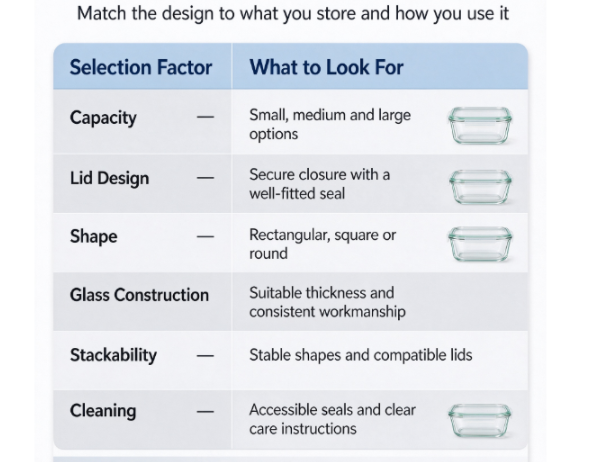
The best container depends on what you plan to store, how you intend to transport it, and how frequently you will use it. Comparing several design factors can help buyers make a more informed decision.
| Selection factor | What to look for | Best suited for |
|---|---|---|
| Capacity | Small, medium, and large options | Snacks, lunches, and family meals |
| Lid design | Secure closure with a well-fitted seal | Everyday food storage |
| Shape | Rectangular, square, or round bodies | Portioning and refrigerator organization |
| Glass construction | Suitable thickness and consistent workmanship | Repeated everyday use |
| Stackability | Stable shapes and compatible lids | Space-saving storage |
| Cleaning requirements | Accessible seals and clear care instructions | Frequent use and maintenance |
For liquids, prioritize a container specifically designed and tested to resist leakage. For dry ingredients, a secure lid and convenient opening may be more important than liquid-handling performance.
Buyers should also check whether the glass body, lid, and sealing components have different temperature limitations. A container that is safe for refrigerator storage may not be suitable for a microwave, oven, or freezer without additional manufacturer guidance.
Leakproof Glass Containers for Meal Prep and Lunch Packing
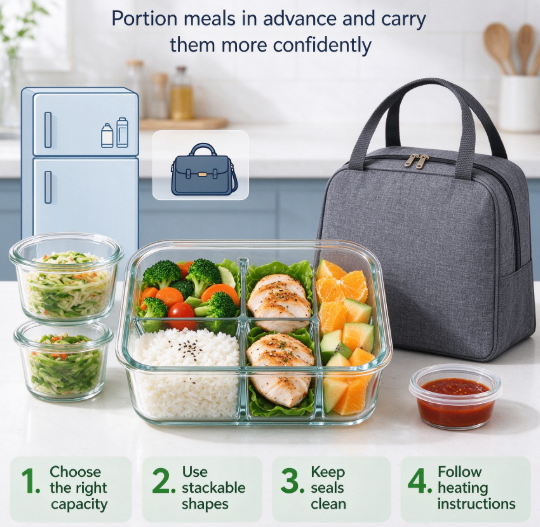
Meal preparation is one of the most practical applications for leak-resistant glass food storage containers. Preparing meals in advance can simplify daily routines, while individual containers make portioning and storage easier.
Rectangular glass containers are useful for separating main dishes and side portions, while smaller containers can hold fruit, snacks, dressings, or sauces. Larger formats can accommodate family-sized portions and leftovers.
For people who carry meals to work, school, or other destinations, secure lids are particularly important. A well-designed seal helps reduce the risk of spills in a lunch bag, although containers should always be closed correctly and transported according to their intended use.
When selecting containers for meal prep, consider the following:
Choose capacities that match typical serving sizes.
Look for stackable designs to simplify refrigerator storage.
Select removable or accessible seals when easy cleaning is a priority.
Confirm microwave compatibility before reheating food.
Allow hot food to cool as directed before sealing or refrigerating it.
For retailers and private-label brands, meal prep containers can be offered as individual products or coordinated sets, giving customers options for different household sizes and meal planning habits.
What Is the Difference Between Snap-Lock and Vacuum-Sealed Glass Containers?
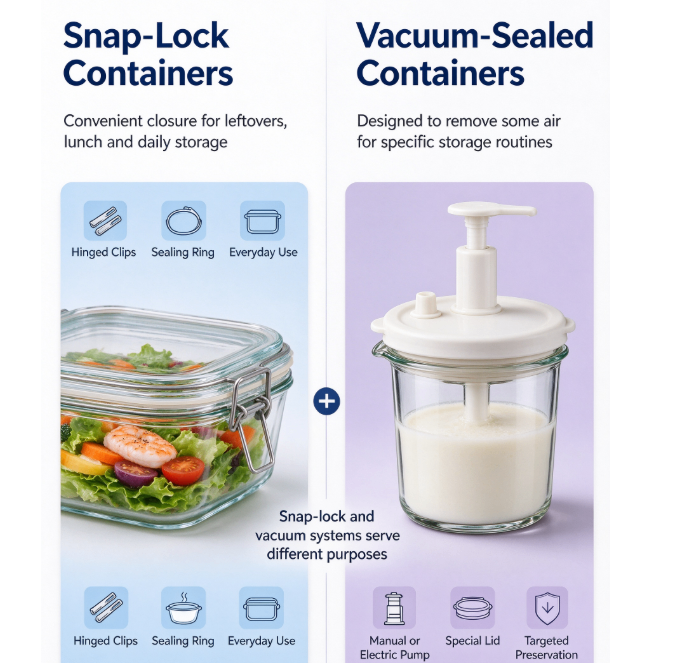
Different lid systems serve different storage purposes. Understanding their differences helps buyers match product features to customer expectations.
Snap-lock glass food containers commonly use hinged clips or locking tabs to secure the lid. When combined with a suitable sealing ring, this design can provide convenient closure and help resist spills. It is often a practical option for leftovers, packed lunches, and daily food storage.
Vacuum-sealed glass containers use a mechanism to remove some air from the container. Depending on the system, this may involve a manual or electric pump and a specially designed lid. Vacuum storage can be useful for certain ingredients and food preservation routines, but performance depends on the container design and the food being stored.
These systems should not be treated as interchangeable. A snap-lock container does not automatically provide vacuum functionality, and a vacuum container is not necessarily suitable for every liquid or transport condition.
When comparing products, assess closure convenience, seal replacement, cleaning requirements, storage capacity, and the manufacturer's stated performance. For brands developing a product range, offering more than one lid system can help serve different customer preferences.
How to Maintain Leakproof Glass Food Containers
Proper care helps preserve the performance of both the glass body and the lid assembly. Even a well-designed container can lose sealing effectiveness if its components become damaged, dirty, or incorrectly fitted.
Follow these maintenance practices:
Clean the sealing area regularly. Food residue around the rim or gasket can interfere with proper closure.
Inspect silicone seals. Replace damaged, stretched, or deteriorated seals when replacement parts are available.
Check the lid and locking clips. Cracks, deformation, or loose closures may affect sealing performance.
Avoid sudden temperature changes. Glass can crack from thermal shock, even when it is otherwise heat resistant.
Follow appliance instructions. Remove lids or sealing components when required by the manufacturer before microwaving or heating.
Store components correctly. Make sure the lid and gasket are dry and properly positioned before closing the container.
Routine inspection is especially important for frequently used containers. If a container begins leaking, check whether the seal is correctly installed and whether the lid or glass rim has sustained damage.
What Should Importers Consider When Sourcing Leakproof Glass Food Containers?
For wholesalers, distributors, retailers, and private-label kitchenware brands, product performance is only one part of the purchasing decision. Consistent manufacturing quality, material specifications, packaging, and supply capabilities also influence the suitability of a supplier.
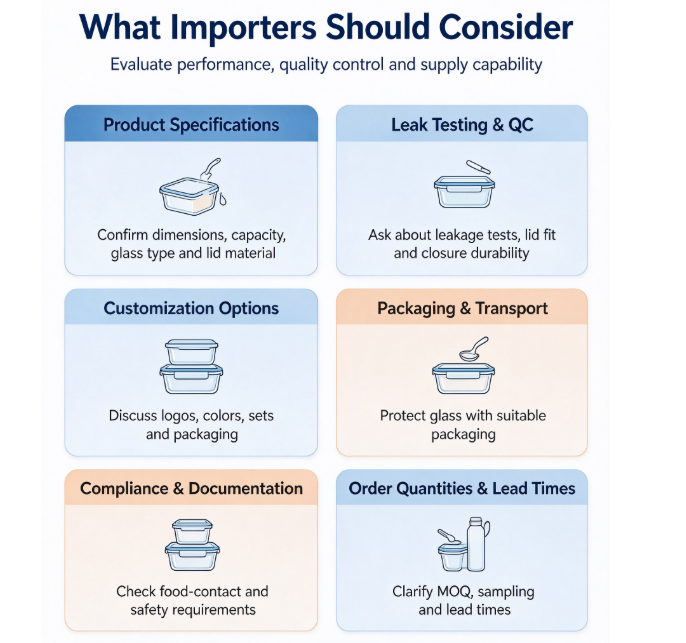
Before placing a bulk order, buyers should evaluate several factors.
Product specifications: Confirm dimensions, capacity, glass type, lid material, sealing structure, and available configurations. These details help ensure that the product matches the intended market.
Leak testing and quality control: Ask how the manufacturer evaluates liquid leakage, lid fit, closure durability, and product consistency. Request relevant test documentation where applicable.
Customization options: Depending on production capabilities, buyers may be able to request private-label packaging, logo application, selected colors, coordinated container sets, or customized product combinations.
Packaging and transportation: Glass products require appropriate protective packaging to reduce breakage during handling and shipment. Packaging design should balance product protection, shipping efficiency, and retail presentation.
Compliance and documentation: Confirm which food-contact, product safety, and packaging requirements apply in the destination market. Request supporting documentation relevant to the specific product and intended use.
Order quantities and lead times: Discuss minimum order quantities, sampling arrangements, production schedules, and repeat-order capacity before finalizing a sourcing plan.
A qualified glass food storage container manufacturer should be able to explain its product specifications, quality procedures, and available customization services clearly. Buyers should evaluate these capabilities alongside price to determine the overall value of a supply partnership.
Find the Right Leakproof Glass Food Containers for Your Market
The right leakproof glass food containers combine practical capacity, dependable lid design, convenient cleaning, and durable glass construction. For consumers, these features make everyday food storage and meal preparation easier. For kitchenware businesses, they create opportunities to serve growing demand for reusable, functional, and visually appealing storage products.
At Ikoo Glass, buyers can explore glass food storage container options for different storage requirements and product positioning strategies. When evaluating a potential product range, compare container shapes, capacities, lid configurations, and available customization options to identify the best fit for your target customers.
Whether you are sourcing containers for retail distribution, developing a private-label kitchenware collection, or expanding an existing food storage range, start by defining your performance requirements and expected order volumes. Contact Ikoo Glass to discuss product specifications, sampling, packaging, and OEM/ODM possibilities for your next glass food storage project.
Frequently Asked Questions
Are leakproof glass food containers suitable for soup?
Some are. Choose a container specifically designed and tested for liquid storage, with a secure lid and suitable sealing system. Keep it upright during transport unless the manufacturer confirms that the design supports other orientations.
Do airtight glass containers keep food fresh longer?
Airtight containers help reduce exposure to outside air, but they do not stop all spoilage. Food freshness also depends on the ingredients, storage temperature, handling practices, and how quickly the food is refrigerated.
Can leakproof glass food containers go in the microwave?
Some glass containers are microwave-safe, but lids, seals, and locking components may have different restrictions. Follow the product's instructions and remove components when required.
What is the best lid material for a leakproof glass container?
The best choice depends on the intended use. Plastic lids with silicone sealing rings are common because they combine a secure fit with practical handling. The quality of the closure, gasket, and overall design matters more than the material name alone.
Can businesses order customized glass food storage containers?
Customization depends on the manufacturer's capabilities and minimum order requirements. Buyers can ask about logo branding, packaging, container sizes, lid options, and coordinated product sets when discussing an OEM or ODM project.
What should buyers request before placing a bulk order?
Request product specifications, samples, applicable compliance documents, quality-control details, packaging information, MOQ, lead time, and pricing terms. For liquid storage products, ask specifically about the manufacturer's leak-testing procedures.