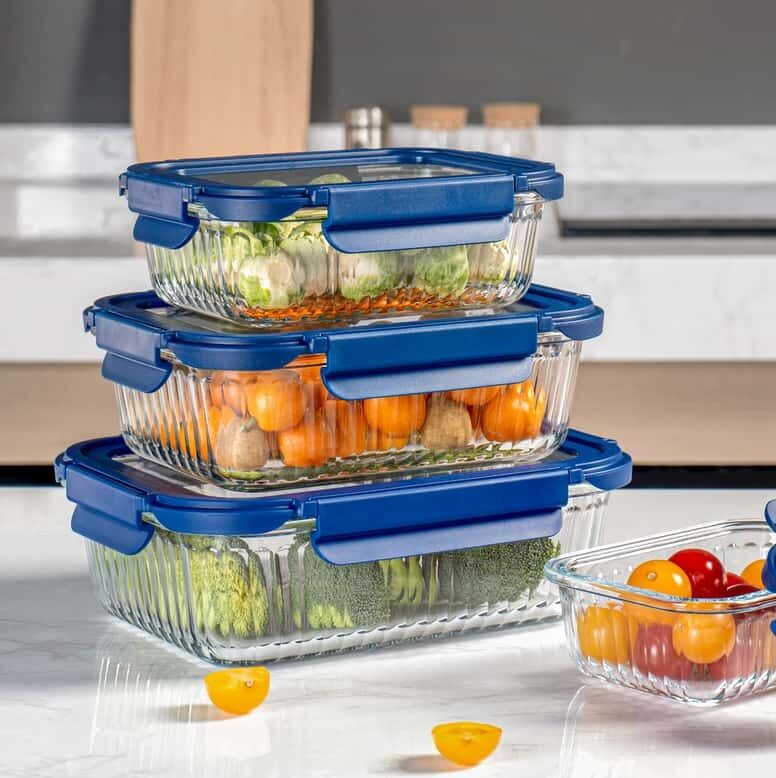
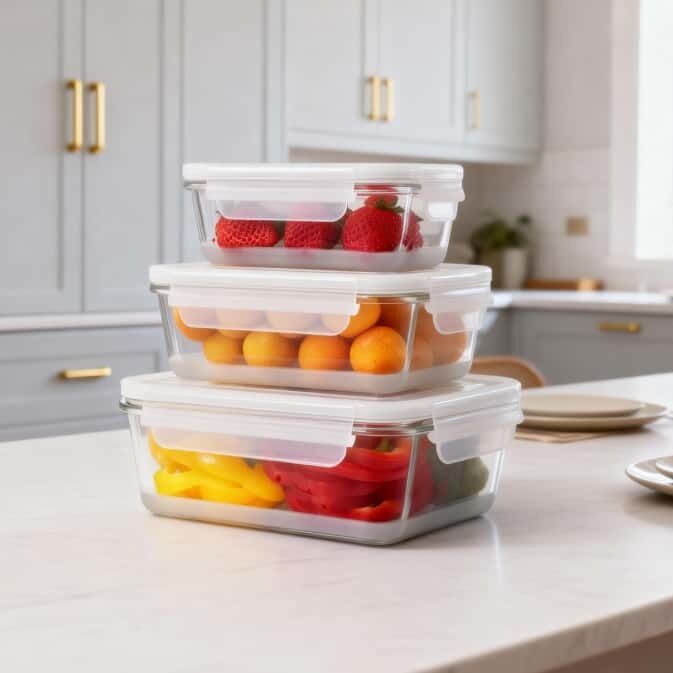
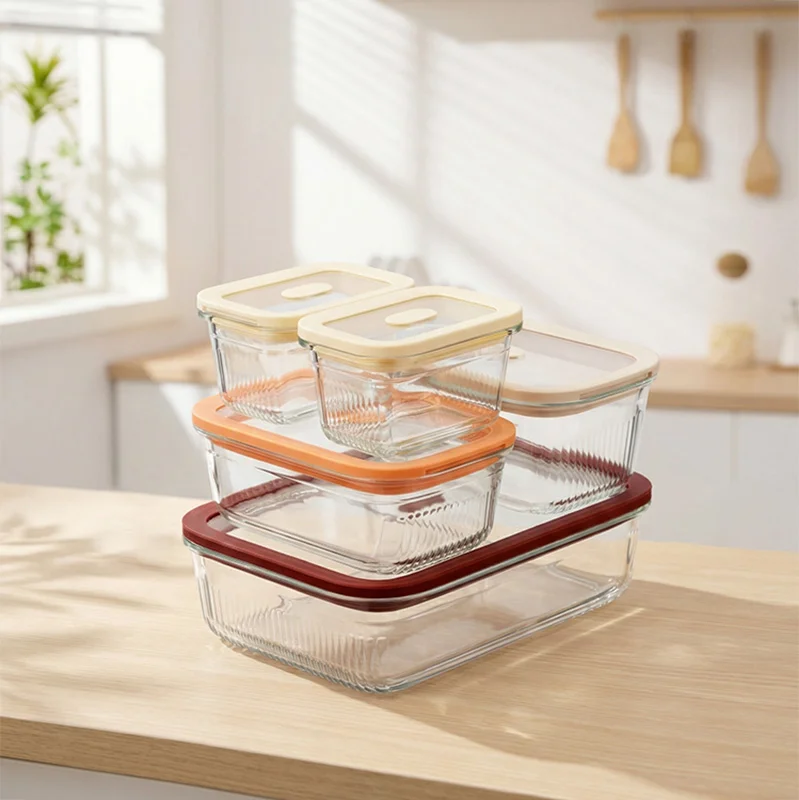
Premium Kitchenware Solutions for Ethiopia: microwavable glass containers

Integrating industrial-grade durability with modern Ethiopian culinary needs to revolutionize food preservation and preparation.

The Landscape of Food Storage in Ethiopia

Analyzing the shift from traditional pottery to high-performance industrial glassware.

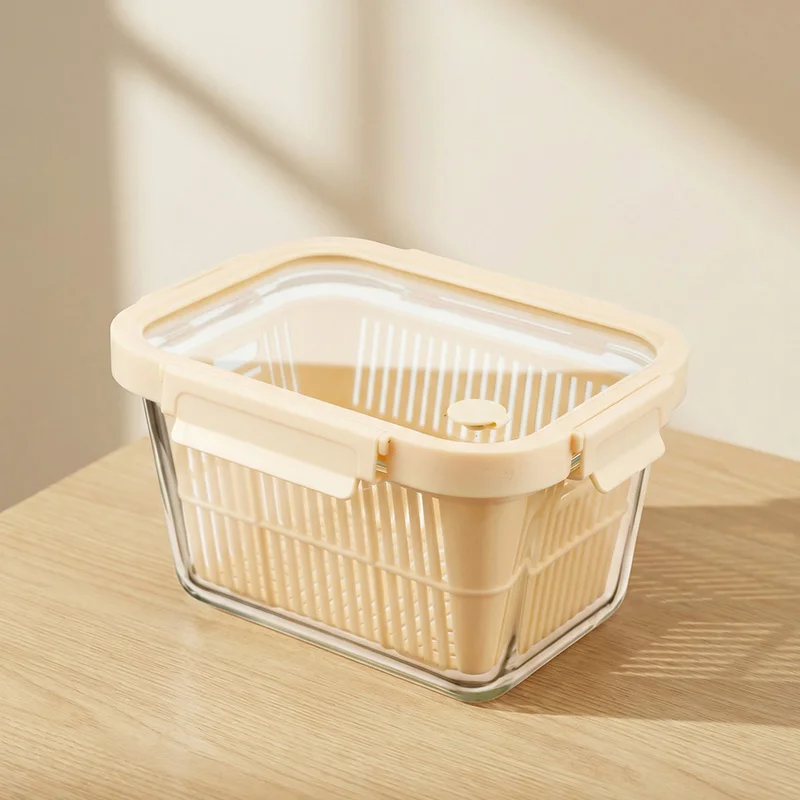
In Ethiopia, food storage has traditionally relied on clay and local materials. However, with the rapid urbanization in Addis Ababa and other regional hubs, there is a growing demand for glass food storage container options that can withstand high temperatures and prevent contamination in humid environments.

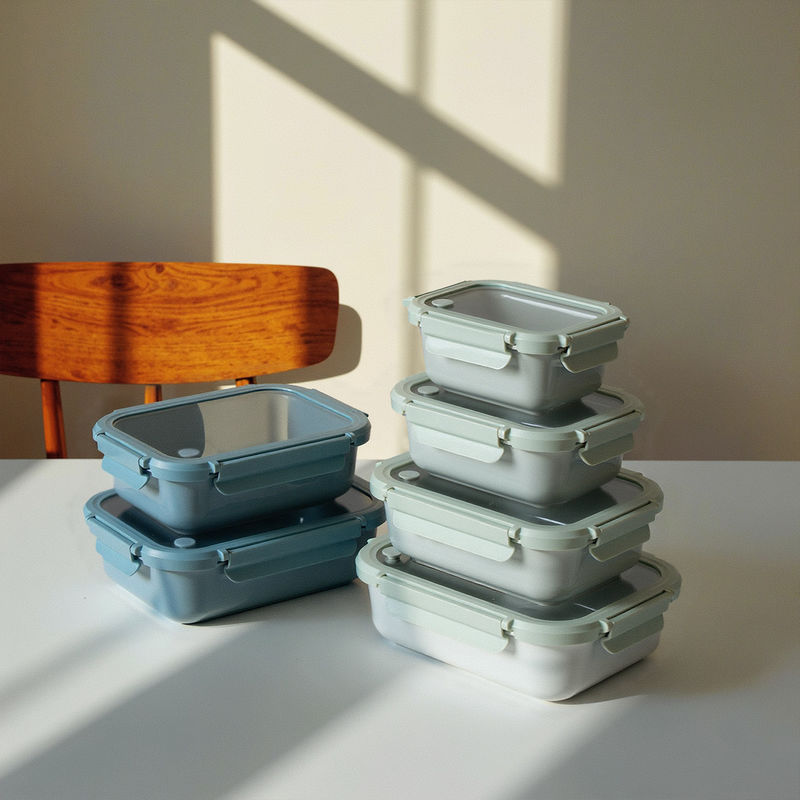
The local market currently faces a gap between low-quality imports and high-end luxury goods. Consumers are increasingly seeking stainless steel food storage containers with lids due to their extreme durability and ability to transport traditional Injera and stews without leakage during long commutes.

Furthermore, the rise of the middle class and the adoption of modern kitchen appliances have made glass bakeware with lids essential for urban households that balance traditional slow-cooking with modern oven-based preparation.
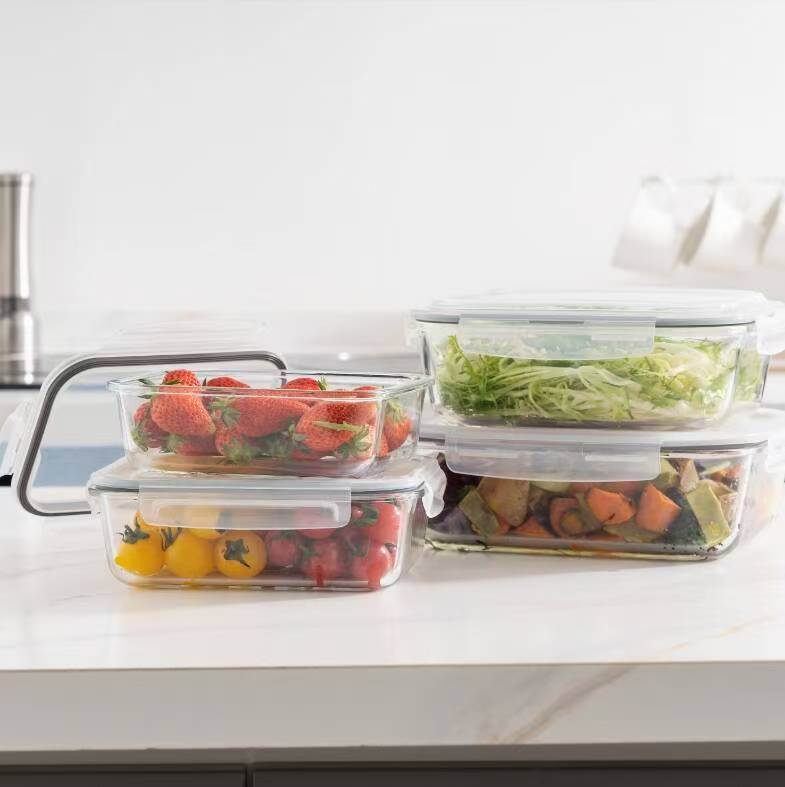
Evolution of Glassware Technology in Ethiopia

From basic containers to thermal-shock resistant kitchen tools.

Market Development History

Prior to 2010, the Ethiopian market was dominated by basic soda-lime glass which was prone to breaking under thermal stress. Storage was primarily for dry goods rather than active cooking or reheating.

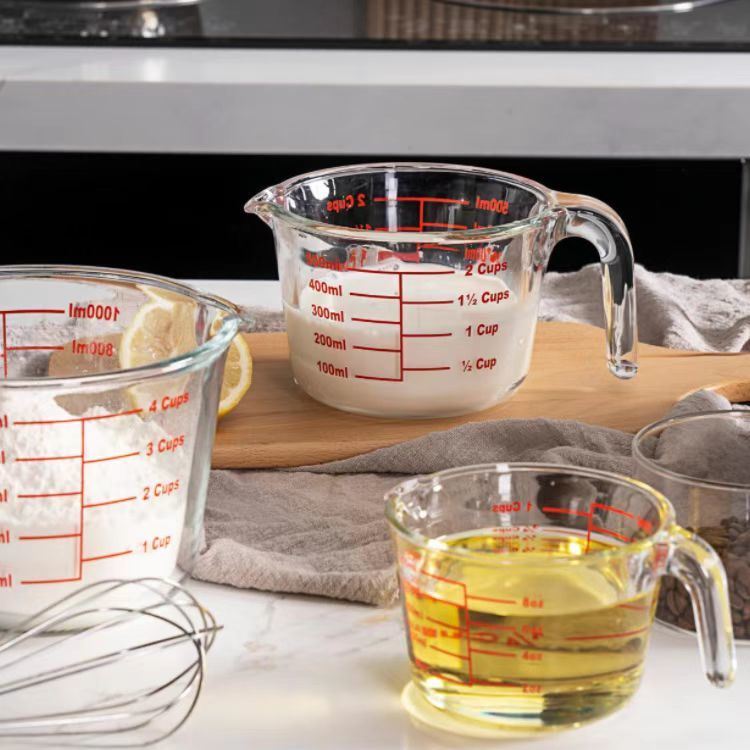
Between 2010 and 2020, the introduction of borosilicate glass allowed for the popularization of the glass mixing bowl set, which enabled chefs and home cooks to transition from preparation to chilling in a single vessel.

Since 2021, the integration of airtight silicone seals and tempered glass has shifted the focus toward sustainable, plastic-free lifestyles, driving the adoption of professional-grade storage systems.

Future Development Trends

Smart Thermal Integration

We expect a surge in demand for containers that offer precise temperature retention, specifically designed for the varied altitudes of the Ethiopian highlands.

Eco-Friendly Material Hybridization

A trend toward combining bamboo lids with glass bodies to meet the growing "green" consumer preference in the East African region.

Industrialized Home Baking

The expansion of boutique bakeries in Ethiopia will drive the need for standardized, high-capacity industrial bakeware.

Industry Trends & Future Outlook

Strategic forecasts for the non-metallic mineral product industry in East Africa.

Thermal Shock Resistance
Increasing focus on borosilicate glass to handle extreme temperature shifts in diverse Ethiopian climates.
Plastic-Free Transition
Rapid shift toward glass and steel to reduce environmental impact and health risks associated with BPA.
Modular Kitchen Design
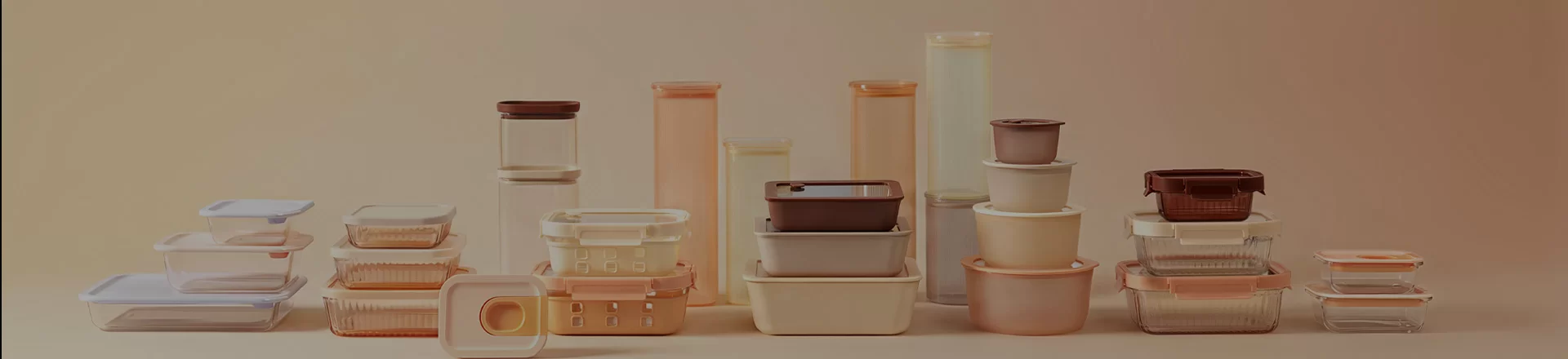
Designing stackable and space-saving glass sets for the growing apartment culture in Addis Ababa.
Hygienic Cold Chain
Using glass to enhance food safety in the logistics of Ethiopia's emerging food delivery sectors.

Industry Outlook

Google search trends indicate a rising interest in "healthy cooking" and "sustainable storage" within the East African region. This suggests that the next 3-5 years will see a transition toward high-grade borosilicate solutions.

The integration of advanced manufacturing processes will allow for more customized, durable glassware that caters specifically to the heavy-duty use typical of large Ethiopian family gatherings.

Localized Application Scenarios in Ethiopia

How our products integrate into the daily life and culture of Ethiopia.

1. Traditional Stew Preservation

Using glass food storage container systems to keep Doro Wat fresh for several days, utilizing airtight lids to prevent aroma leakage and maintain flavor profiles.

2. Urban Meal Prep for Professionals

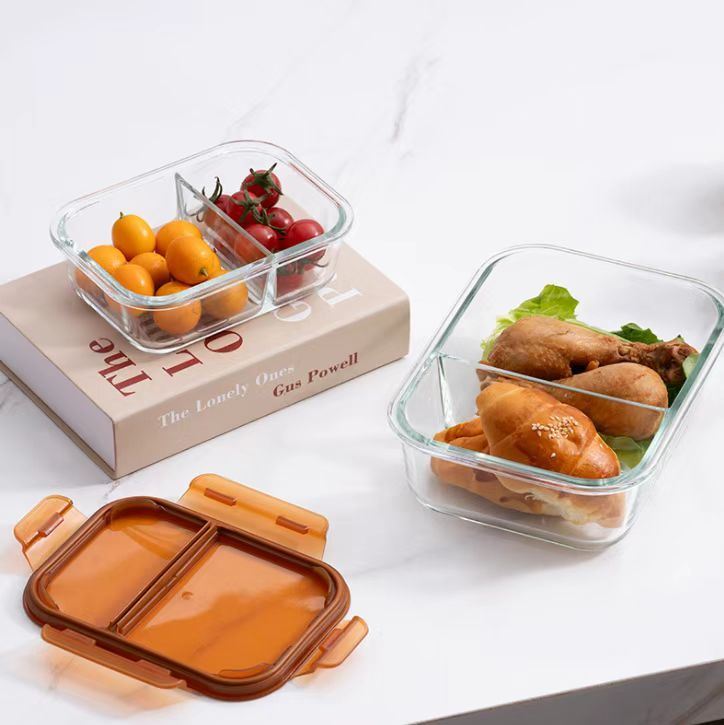
Busy employees in Addis Ababa using microwavable glass containers to bring healthy, home-cooked meals to the office without the risk of chemical leaching from plastic.

3. Large-Scale Family Mixing

Utilizing a professional glass mixing bowl set for preparing large quantities of salad and appetizers during traditional coffee ceremonies and festive gatherings.

4. High-Heat Baking for Local Pastries

Implementing glass bakeware with lids for baking and immediate storage of traditional breads, ensuring the crust stays moist.

5. Rugged Outdoor Food Transport

Deploying stainless steel food storage containers with lids for transport to rural areas or outdoor events where breakage of glass is a risk.

Brand Story

Global Development History of Shijiazhuang Yisite Intelligent Technology Co., Ltd.

Foundation and Vision

Established with a mission to eliminate the inefficiency and fragility of traditional glassware through intelligent manufacturing.

Technical Breakthroughs

Developed proprietary borosilicate tempering processes to ensure products can withstand extreme thermal shock.

Global Expansion

Expanded our footprint into the African market, focusing on Ethiopia as a hub for high-quality industrial kitchenware.

Sustainability Commitment

Transitioned to a zero-waste production cycle, ensuring every glass product is 100% recyclable.

Intelligent Future

Implementing AI-driven quality control to ensure zero defects for our global partners in the glass manufacturing sector.

Frequently Asked Questions - Ethiopia

Expert answers to common queries regarding glassware usage and maintenance.

Are microwavable glass containers safe for high-temperature reheating?

Yes, our borosilicate glass containers are specifically engineered to handle rapid temperature changes, making them perfectly safe for microwaves and ovens.

How do stainless steel food storage containers with lids prevent leakage during transport?

We use food-grade silicone gaskets that create a vacuum seal, ensuring that liquids and aromas remain trapped inside the container regardless of movement.

Can a glass mixing bowl set be used for both chilling and heating?

Absolutely. Our professional sets are designed for versatility, allowing you to mix ingredients, chill them in the fridge, and heat them in the oven.

Is glass bakeware with lids suitable for the traditional Ethiopian oven styles?

Yes, as long as the glass is borosilicate, it can withstand the direct heat of most modern and semi-traditional ovens used in Ethiopia.

What makes a glass food storage container better than plastic for the Ethiopian climate?

Glass is non-porous, meaning it doesn't absorb odors or bacteria, which is critical in warm climates where food spoilage occurs faster.

How should I maintain the lids of my glass containers to ensure long-term seals?

We recommend washing silicone lids with lukewarm water and avoiding abrasive scrubbers to maintain the integrity of the airtight seal.

Request an Industrial Partnership

Looking for premium glassware distribution or customized manufacturing for your business in Ethiopia? Our engineers are ready to assist.

Contact Us Now

If you are interested in our products, you can choose to leave your information here, and we will be in touch with you shortly.