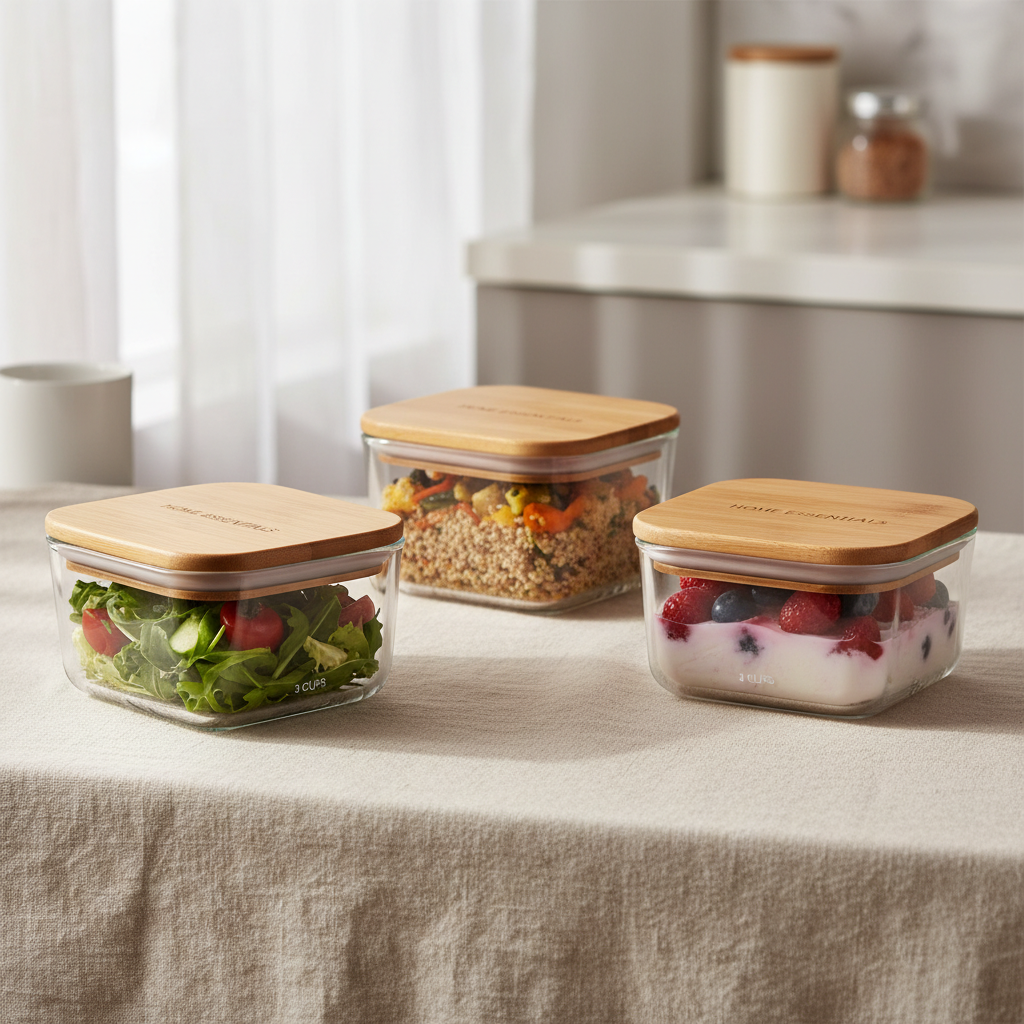

When sourcing high-quality kitchen storage, the China glass canister with bamboo lid has emerged as a preferred choice for B2B buyers seeking a balance between aesthetic minimalism and functional durability. These containers leverage the clarity of premium glass combined with the natural appeal of sustainable bamboo, catering to a growing market demand for plastic-free home organization solutions.
For professional distributors and retail chain buyers, the value of these canisters lies in their material composition—specifically the use of borosilicate glass. Unlike standard soda-lime glass, borosilicate options offer superior resistance to thermal shock and chemical erosion, making them suitable for a wide array of food storage needs from dry pantry staples to temperature-sensitive ingredients.
This guide explores the technical specifications, material advantages, and procurement considerations essential for businesses looking to integrate these storage solutions into their product lines. We will analyze the intersection of eco-friendly design and industrial performance to help you make an informed purchasing decision.
Sustainable Storage Fundamentals
The shift toward sustainable kitchenware is driven by both consumer preference and global regulatory trends favoring recyclable materials. A China glass canister with bamboo lid represents a synergistic approach to this trend. By replacing plastic closures with sustainably sourced bamboo and utilizing high-grade glass, manufacturers reduce the long-term environmental footprint of the product. From a technical standpoint, the transparency of the glass allows for immediate inventory identification, reducing food waste in commercial and residential settings. Furthermore, the chemical neutrality of borosilicate glass ensures that no harmful leachates enter the stored food, maintaining the purity of organic grains, coffee beans, and spices. This combination of safety and sustainability makes such products highly competitive in markets like North America and Europe, where FDA and FSC® certifications are critical benchmarks for quality assurance.
Professional Selection Guide for Glass Jars
Selecting the right storage solution requires a deep dive into the technical attributes that affect product longevity and user experience. When evaluating suppliers, buyers should focus on the following seven critical dimensions to ensure the product meets industrial standards.
Material Thermal Stability
The core advantage of using high borosilicate glass is its low coefficient of thermal expansion. This allows the containers to withstand significant temperature fluctuations without cracking. In professional kitchen environments where items may move from cold storage to warm areas, this resilience is vital for safety and reducing replacement costs.
| Material Type | Thermal Resistance | Chemical Stability | Common Use Case |
|---|---|---|---|
| Borosilicate Glass | High (Thermal Shock Resistant) | Excellent (Acid/Alkali Resistant) | Professional Kitchens |
| Soda-Lime Glass | Moderate | Good | General Home Use |
| Tempered Glass | Moderate-High | Good | High-Impact Areas |
| Plastic (PP/PET) | Low | Variable (Leaching Risk) | Disposable Packaging |
| Ceramic | High | Excellent | Decorative Storage |
| Stainless Steel | Very High | Excellent | Industrial Bulk Storage |
Bamboo Lid Sealing Mechanisms
The effectiveness of a canister is determined by its seal. Premium bamboo lids typically incorporate food-grade silicone rings to create an airtight environment. This prevents moisture ingress and oxidation, which is essential for preserving the aroma of coffee beans and the crispness of dried fruits. Buyers should verify the thickness and elasticity of the silicone gaskets to ensure long-term airtight performance.
Geometric Configuration Analysis
Available shapes—round, square, and rectangular—are not merely aesthetic choices but functional ones. Square and rectangular designs optimize shelf space by eliminating gaps, making them ideal for high-density pantry organization. Round canisters, conversely, are often easier to clean and are preferred for liquids or small granular items that may settle in corners.
Application Scenarios for Pantry Org
These versatile jars are designed for diverse storage needs. They are highly effective for organizing baking essentials like flour and sugar, as well as specialty items like loose tea leaves and nuts. Their transparency enables "first-in, first-out" inventory management, which is a key efficiency metric for both home cooks and professional pantry managers.
Maintenance and Sterilization
Maintenance is a critical consideration for commercial buyers. Borosilicate glass components are typically dishwasher-safe and can withstand high-temperature sterilization. However, bamboo lids must be hand-washed and dried quickly to prevent warping or mold growth, highlighting the need for clear user guidelines in the product packaging.
Eco-Sustainability Compliance
For brands emphasizing "green" credentials, using 100% recyclable glass and FSC-certified bamboo is non-negotiable. IKOO GLASS, for instance, focuses on carbon reduction technologies to lower production emissions. When auditing suppliers, buyers should request documentation on material sourcing and the recyclability of the packaging components.
Procurement and MOQ Logistics
B2B procurement involves balancing volume and cost. For high-quality borosilicate lines, a Minimum Order Quantity (MOQ) of 3000 pieces is common to ensure manufacturing efficiency. Payment terms such as L/C, T/T, and Paypal provide the financial flexibility required for global trade, while strategic supply chain systems ensure timely delivery to over 80 countries.
FAQ
What is the primary difference between borosilicate and regular glass for canisters?
Borosilicate glass contains boron trioxide, which significantly lowers the thermal expansion coefficient. This means it can handle rapid temperature changes—such as moving from a fridge to a warm counter—without shattering, unlike standard soda-lime glass which is more prone to thermal shock.
Are bamboo lids truly airtight for long-term food storage?
Yes, provided they are equipped with a high-quality silicone seal. The combination of the rigid bamboo surface and the flexible silicone gasket creates a vacuum-like seal that protects contents from air and moisture, making them ideal for coffee, nuts, and grains.
How should I maintain bamboo lids to prevent mold?
Bamboo lids should never be placed in a dishwasher. The best practice is to wipe them with a damp cloth or wash them quickly by hand with mild soap and dry them immediately. Avoiding prolonged exposure to standing water is key to maintaining the wood's integrity.
Which shapes are most efficient for commercial pantry organization?
Square and rectangular canisters are the most space-efficient as they can be aligned flush against each other, maximizing vertical and horizontal shelf space. Round jars are better for items that require easier scooping or for aesthetic displays.
What certifications should I look for when sourcing these from China?
Buyers should ensure the manufacturer holds FDA certification for food safety, ISO9001 for quality management, and FSC® certification for the bamboo lids to guarantee sustainable forestry practices. These certifications are essential for compliance in US and EU markets.
Can these canisters be used for hot food storage?
Because they are made from borosilicate glass, they are highly heat-resistant. However, it is important to note that while the glass can handle heat, the bamboo lids are not suitable for ovens or microwaves. Always cool contents slightly before sealing with a bamboo lid.
References and further reading
- International Organization for Standardization. (2015). ISO 9001:2015 Quality management systems — Requirements.
- Forest Stewardship Council (FSC). Standards for Sustainable Forest Management.
- FDA Food Contact Substance Guidelines for Glassware and Polymers.
Related Articles