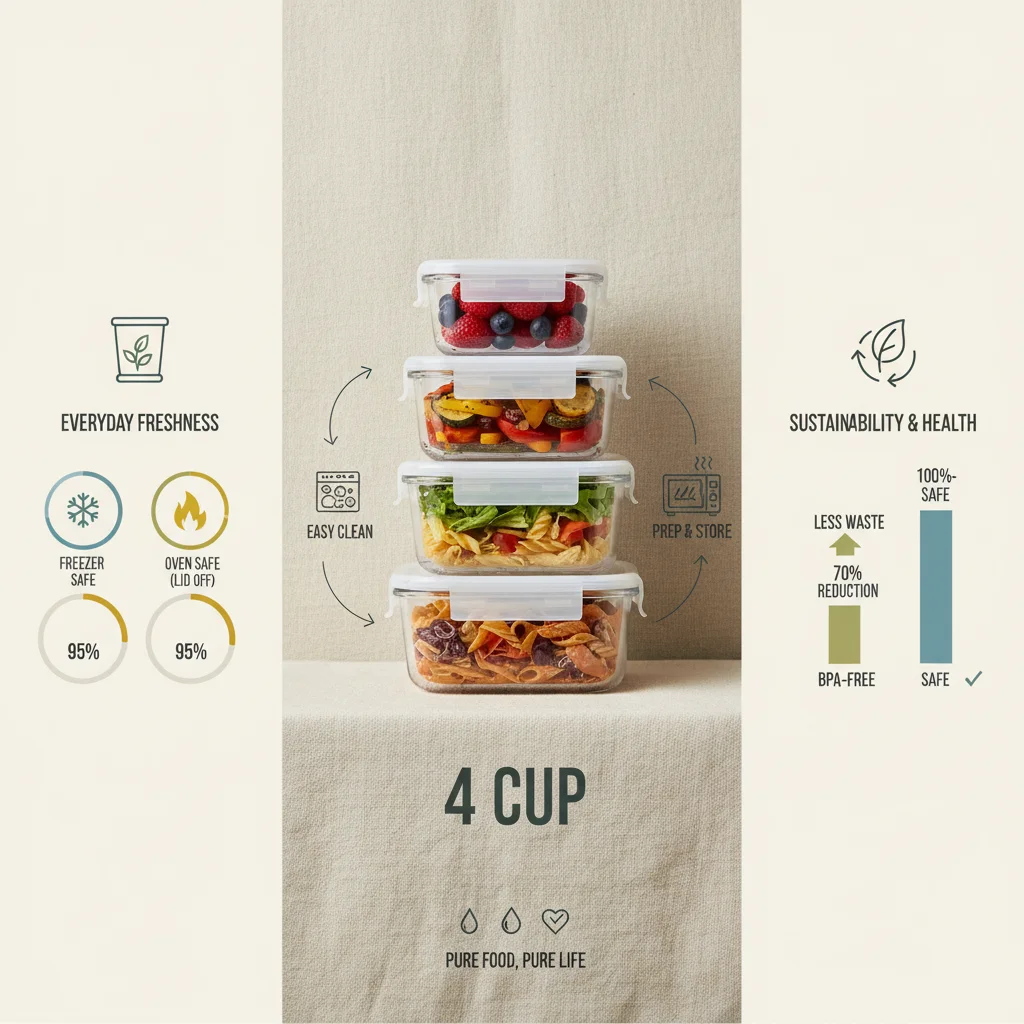
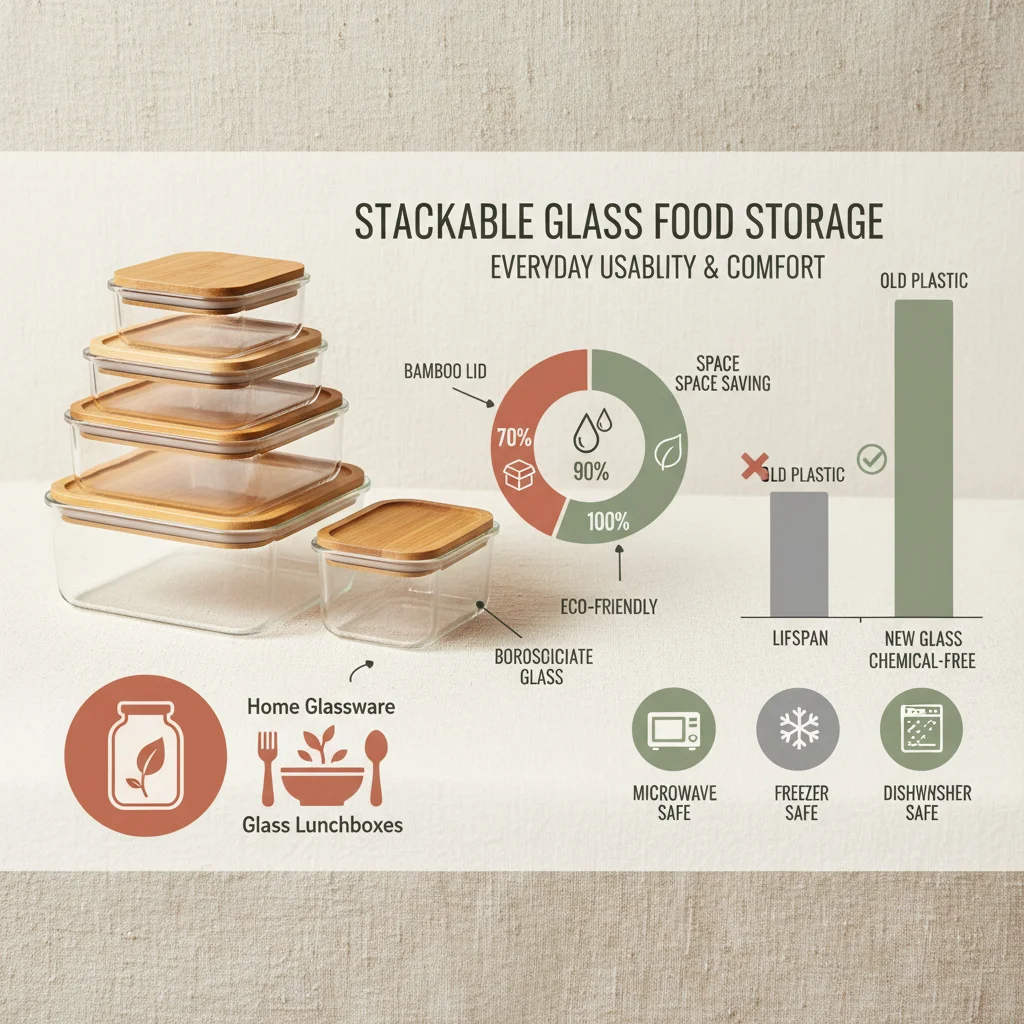
The shift toward sustainable living has placed a significant spotlight on the tools we use for meal preparation and storage. Among these, 3 cup glass food storage containers have emerged as a gold standard for consumers seeking a balance between capacity and convenience. These versatile vessels offer a non-reactive environment that preserves the nutritional integrity of food while reducing the global reliance on single-use plastics.
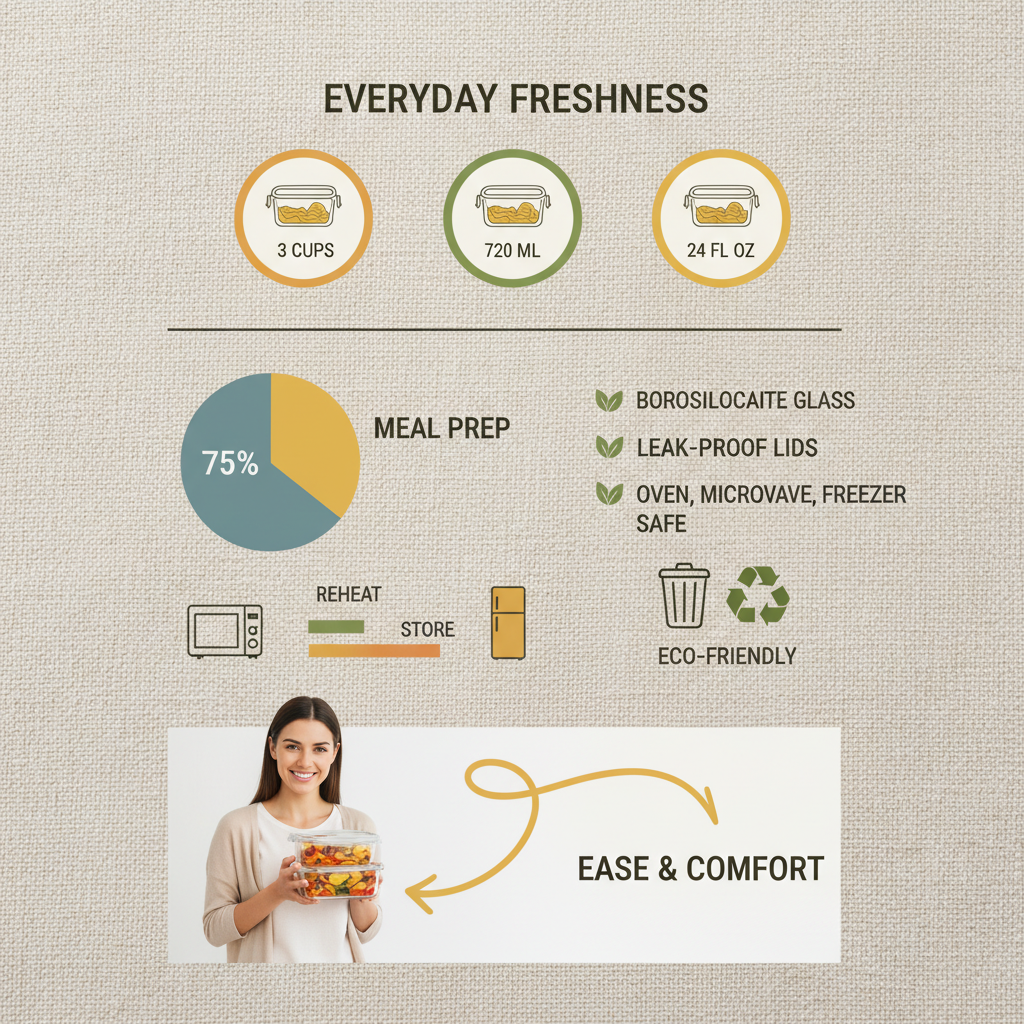
From a commercial perspective, the demand for high-quality borosilicate glass has surged as urban populations adopt "meal prep" cultures to maintain healthier lifestyles. The 3-cup (approx. 710ml) volume is strategically designed to accommodate a standard single serving of proteins, grains, or salads, making it the most sought-after size in the professional glassware market. Its ability to transition from freezer to oven makes it an indispensable asset in the modern kitchen.
Understanding the nuances of material science—such as thermal shock resistance and airtight sealing mechanisms—is crucial for wholesalers and end-users alike. By investing in 3 cup glass food storage containers, users aren't just buying a product; they are adopting a system of food preservation that promotes longevity, hygiene, and environmental stewardship on a global scale.
Global Relevance of 3 Cup Glass Food Storage Containers
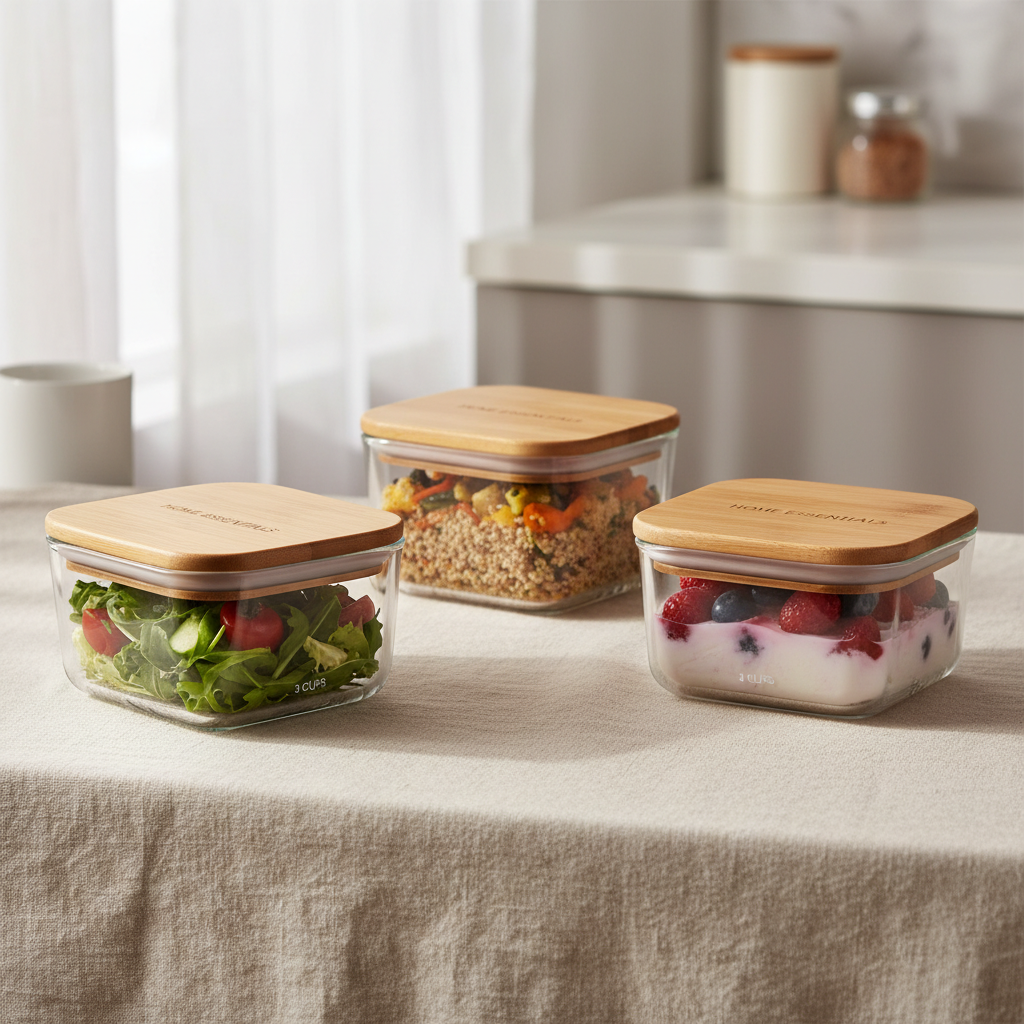
On a global scale, the movement toward reducing plastic pollution has been accelerated by directives from organizations like the UN Environment Programme (UNEP). This shift has directly increased the market penetration of 3 cup glass food storage containers, as consumers migrate away from BPA-laden plastics toward inert, recyclable glass. The 3-cup size has become a universal benchmark for "portion control," aligning with global health trends aimed at combating obesity and metabolic disorders.
The industry now faces the challenge of balancing mass production with the stringent ISO quality standards required for thermal resistance. As supply chains evolve, the ability to produce consistent, high-strength borosilicate glass allows these containers to be exported to diverse climates—from the humid tropics to frigid northern regions—without compromising the structural integrity of the seal or the glass itself.
Defining the Standard for Glass Food Storage
At its core, 3 cup glass food storage containers are specialized culinary vessels crafted from tempered or borosilicate glass, designed to hold approximately 24 ounces of volume. Unlike standard drinking glasses, these are engineered for utility, featuring reinforced walls and precisely machined rims that allow for airtight lids, ensuring that oxygen and moisture are kept at bay to extend the shelf life of perishables.
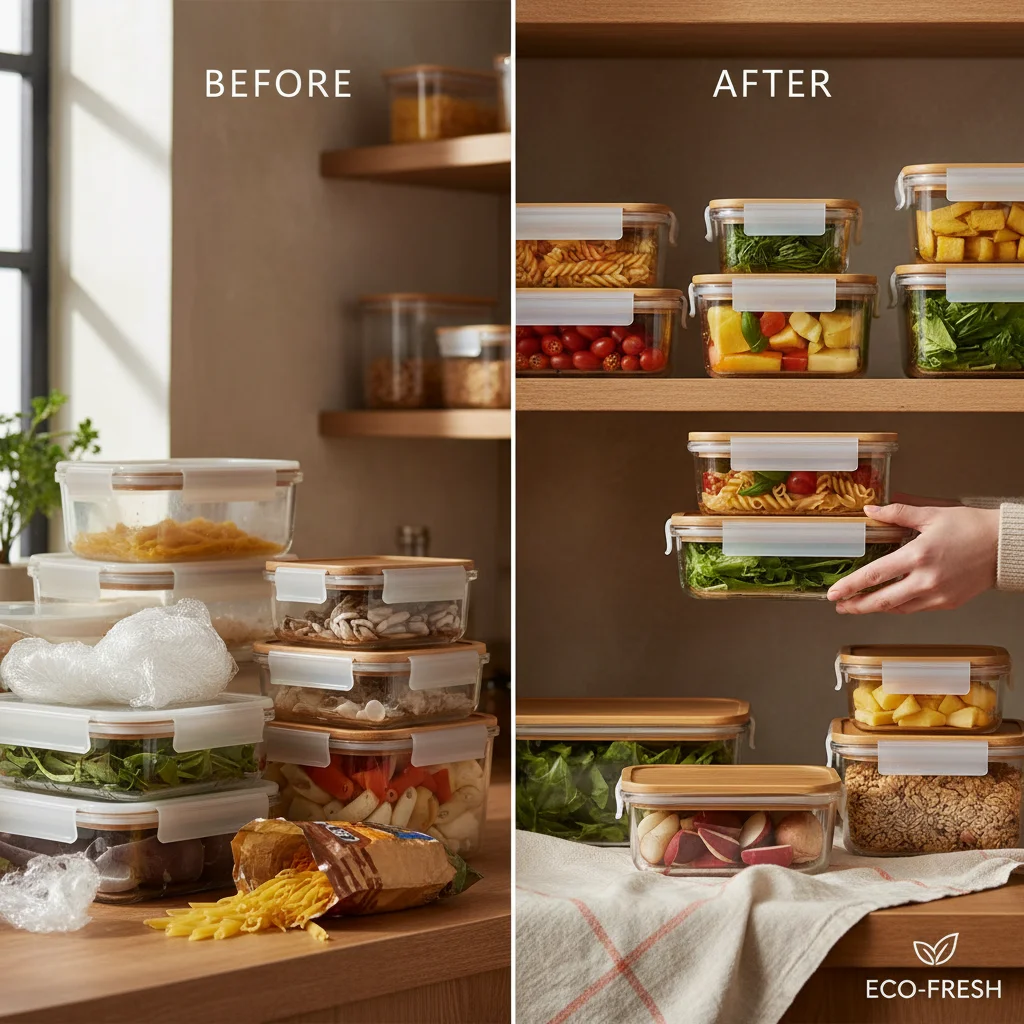
This specific capacity connects modern industrial manufacturing with humanitarian needs for food security. By providing a reliable way to store pre-portioned meals, these containers help households reduce food waste—a critical issue in an era of rising inflation and food instability. The transparency of the glass allows for immediate inventory checks, preventing the "forgotten leftovers" phenomenon common with opaque plastic bins.
In the context of the non-metallic mineral products industry, these containers represent a marriage of chemistry and art. The process of refining silica and adding boron trioxide creates a material that can withstand extreme temperature fluctuations. This technical sophistication ensures that a 3-cup container remains safe for use in both a deep freezer and a high-heat oven, providing a seamless user experience from storage to serving.
Core Components of High-Quality Glassware
The durability of 3 cup glass food storage containers begins with the material composition. High-grade borosilicate glass is the preferred choice due to its low coefficient of thermal expansion. This means the glass does not expand or contract violently when exposed to heat or cold, which is the primary reason why these containers do not crack during rapid temperature shifts.
Beyond the glass itself, the sealing mechanism is a critical component. Premium 3 cup glass food storage containers typically utilize food-grade silicone gaskets combined with locking lids (such as 4-lock or stainless steel options). This synergy creates a vacuum-like seal that prevents leakage and protects food from oxidation, which is essential for maintaining the flavor and texture of vacuum-stored items.
Scalability and versatility also play a role in the design. The 3-cup dimensions are carefully calibrated to fit standard refrigerator shelves and lunch bags. Furthermore, the integration of eco-friendly lid materials, such as bamboo or recycled stainless steel, allows manufacturers to cater to different market segments while maintaining the core functional value of the glass vessel.
Performance Metrics and Durability Analysis
When evaluating the performance of 3 cup glass food storage containers, the industry looks at thermal shock resistance and chemical inertness. Borosilicate options consistently outperform soda-lime glass in these areas, providing a safer experience for the end consumer. The ability to maintain a leak-proof seal over hundreds of open-and-close cycles is another key metric that separates industrial-grade glassware from budget alternatives.
To quantify these benefits, we analyze various glass types and lid combinations. The following data illustrates the comparative rating of different configurations used in 3-cup containers across five key performance categories: thermal resistance, airtightness, weight efficiency, stain resistance, and overall longevity.
Comparative Performance of 3 Cup Glass Food Storage Containers
Real-World Applications and Use Cases
In urban professional environments, 3 cup glass food storage containers are widely utilized for "batch cooking." Employees in high-density cities like Tokyo, New York, and London rely on these containers to prepare five days of lunches on a Sunday. The 3-cup volume is ideal for a balanced meal of quinoa, roasted vegetables, and protein, fitting perfectly into commuter bags while ensuring the food remains fresh until noon.
Beyond the office, these containers are essential in the healthcare and fitness industries. Nutritionists often recommend 3 cup glass food storage containers for patients on strict caloric diets, as the volume is easy to measure and the glass is safe for reheating. In remote industrial zones or mining camps, where hygiene is paramount and plastic waste is difficult to manage, these durable glass solutions provide a sanitary and sustainable alternative for food distribution.
Long-Term Value and Sustainability Impact
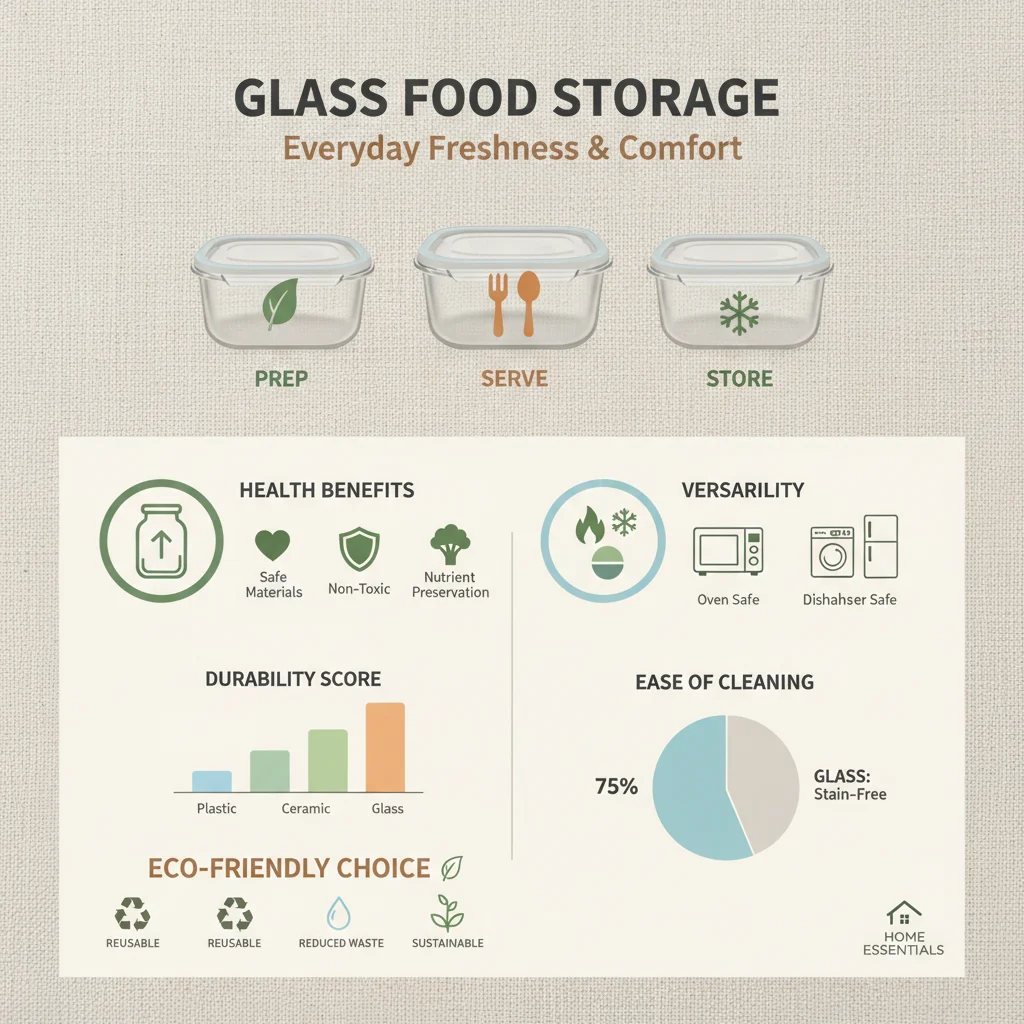
The long-term value of investing in 3 cup glass food storage containers extends far beyond simple utility. From a financial perspective, the durability of high-quality glass means fewer replacements compared to plastic containers that warp, stain, or crack over time. This "buy it once" philosophy reduces the total cost of ownership for the consumer and diminishes the volume of waste entering landfills.
Emotionally, there is a profound sense of safety and trust associated with glass. Unlike plastics, which can leach phthalates or BPA into hot food, glass is chemically inert. This provides peace of mind for parents preparing baby food or health-conscious individuals. The clarity of the glass also adds an aesthetic element of dignity to meal presentation, transforming a simple lunch box into a sophisticated serving dish.
Furthermore, the social impact of transitioning to glass is significant. By promoting the use of 3 cup glass food storage containers, companies are encouraging a circular economy. Glass is 100% recyclable without loss in quality, meaning that at the end of its long life cycle, the container can be melted down and reborn, embodying the principles of true sustainability.
Future Trends in Food Storage Innovation
The future of 3 cup glass food storage containers is being shaped by the integration of "smart" materials and automation. We are seeing the emergence of antimicrobial coatings that can be applied to the glass surface to further inhibit bacterial growth. Additionally, the development of vacuum-seal lids that can be activated via a small electronic pump is becoming a reality, potentially extending food freshness from days to weeks.
Digital transformation is also impacting the manufacturing process. Using AI-driven precision molding, manufacturers can now produce glass with thinner walls that maintain the same strength as thicker versions, reducing the overall weight of the container. This makes 3 cup glass food storage containers more portable and reduces the carbon footprint associated with shipping and logistics.
Sustainability will continue to drive innovation, with a shift toward "closed-loop" manufacturing where waste glass from the factory is immediately recycled back into the production line. The integration of biodegradable gaskets made from cornstarch or seaweed-based polymers is also on the horizon, ensuring that every single part of the container is eco-friendly.
Analysis of Material and Design Variations for 3 Cup Glass Containers
| Glass Type |
Lid Material |
Thermal Resistance |
Eco-Score (1-10) |
| Borosilicate |
Bamboo & Silicone |
Extreme High |
10 |
| Tempered Glass |
Plastic Locking |
Medium High |
7 |
| Borosilicate |
Stainless Steel |
Extreme High |
9 |
| Soda-Lime |
Plastic Snap |
Low to Medium |
6 |
| Borosilicate |
Glass Lid |
High |
10 |
| Colored Glass |
Silicone Seal |
Medium High |
8 |
FAQS
Yes, provided they are made from borosilicate glass. Borosilicate is specifically engineered to withstand high temperatures without cracking. However, it is crucial to remove the lid (especially plastic or bamboo lids) before microwaving or baking to prevent melting or warping. Always check the manufacturer's specific temperature limits to ensure safety.
The 3-cup (approx. 710ml) size is considered the "mid-size" goldilocks zone. While 1-cup containers are for snacks and 8-cup containers are for family servings, the 3-cup size is perfectly tailored for a single adult meal. It comfortably fits a portion of protein and a side of vegetables without being too bulky for a standard lunch bag.
Actually, they typically keep food fresh longer. Glass is non-porous, meaning it doesn't absorb odors or stains, and when paired with a high-quality silicone seal and locking lid, it creates a more effective airtight barrier than most plastic containers. This reduces oxidation and prevents moisture loss, extending the life of your leftovers.
Most glass containers are dishwasher safe. For the best results, place the glass body on the bottom rack. Lids should be handled according to their material; silicone and plastic lids are usually top-rack safe, while bamboo lids should be hand-washed with mild soap and dried immediately to prevent cracking or mold growth.
While glass is heavier than plastic, the trade-off in health and sustainability is usually worth it. Modern borosilicate glass is produced to be as thin as possible without sacrificing strength, making 3-cup containers manageable for daily use. Many users find the added weight provides a more premium, sturdy feel that prevents accidental spills.
To avoid thermal shock, avoid moving a container directly from the freezer into a preheated hot oven. It is recommended to let the container sit at room temperature for a few minutes or thaw it in the refrigerator first. Even with high-quality borosilicate glass, gradual temperature transitions are the safest practice for long-term durability.
Conclusion
In summary, 3 cup glass food storage containers represent the ideal intersection of functionality, health, and environmental responsibility. By leveraging the superior properties of borosilicate glass and precision-engineered sealing systems, these containers solve the pervasive problem of plastic waste while enhancing the quality of food preservation for millions of users worldwide. Their versatility in temperature resistance and the perfect 3-cup volume make them a cornerstone of the modern, sustainable kitchen.
Looking forward, the continued evolution of glassware—through smart coatings and eco-friendly lid materials—will further solidify the role of glass in our daily lives. Whether you are a wholesaler looking to provide high-value products or a consumer striving for a zero-waste lifestyle, choosing high-quality glass storage is a step toward a healthier and more sustainable future. Visit our website for premium solutions: www.ikoo-glass.com