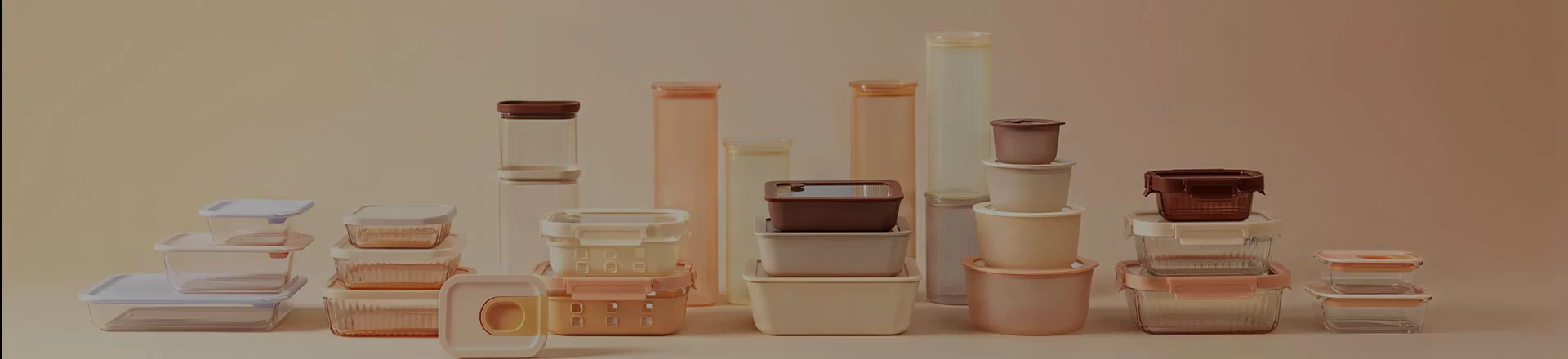
The Ultimate Guide to Buy Glass Food Storage Containers for Your Kitchen
When organizing a modern kitchen, the decision to buy glass food storage containers is one of the most impactful changes you can make for both health and sustainability. Unlike plastic alternatives, glass provides a non-reactive environment that preserves the flavor and nutritional value of your meals. Whether you are a meal-prep enthusiast or a home chef looking to reduce waste, choosing the right containers ensures your food stays fresh longer. In this comprehensive guide, we will explore the essential factors to consider when upgrading your storage game, from material types to airtight sealing technologies.

Why You Should Buy Glass Food Storage Containers Over Plastic
The primary motivation for most consumers to buy glass food storage containers is the elimination of harmful chemicals. Many plastics contain BPA or phthalates, which can leach into food, especially when heated. Glass, particularly borosilicate glass, is completely inert and does not absorb odors or stains. This means that yesterday's spicy curry won't leave a lingering scent in your container for next week's fruit salad. Furthermore, glass is infinitely recyclable, making it the eco-friendly choice for the conscious consumer.
Health Tip: Glass containers are safer for microwave and oven use, as they do not release endocrine-disrupting chemicals when exposed to high temperatures.
Comparing Glass Types: Borosilicate vs. Soda-Lime
Not all glass is created equal. When you decide to buy glass food storage containers, you will likely encounter two main types: Soda-Lime and Borosilicate. Soda-lime glass is common and affordable, but it is more susceptible to thermal shock. Borosilicate glass, however, contains boron trioxide, which allows it to withstand extreme temperature changes without cracking. This makes borosilicate the gold standard for containers that move from the freezer directly to the oven.
Essential Features When You Buy Glass Food Storage Containers
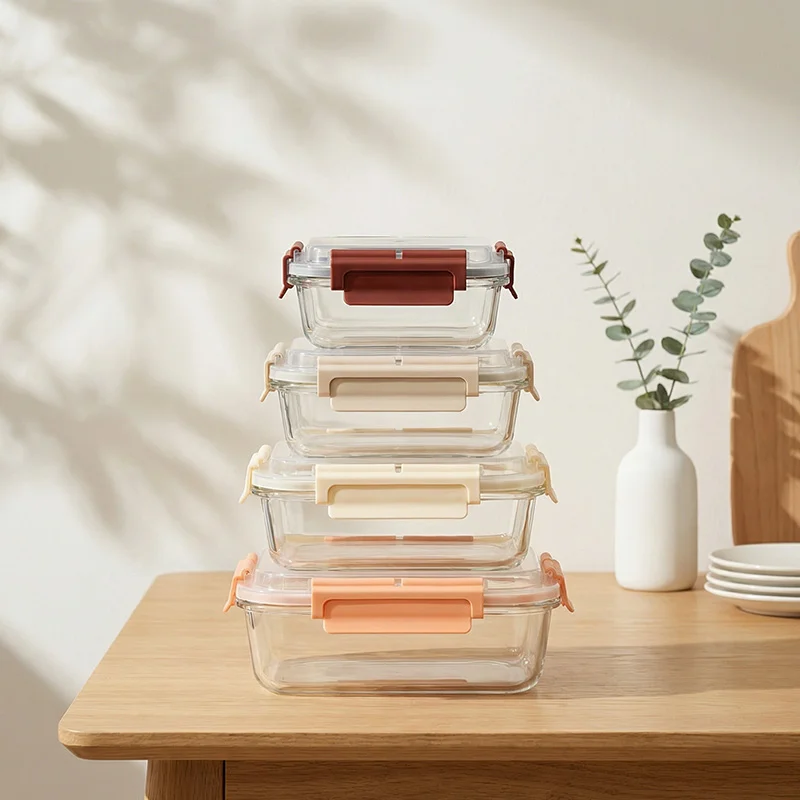
To get the most value, you need to look beyond the glass itself. The lid mechanism is what determines the freshness of your food. Look for containers with airtight, leak-proof lids—typically made of BPA-free plastic or bamboo with a silicone seal. This prevents oxygen from entering, which slows down the oxidation process and keeps your vegetables crisp and your soups from leaking in your bag. Additionally, consider the stackability of the design to maximize your fridge and pantry space.

How to Buy Glass Food Storage Containers for Meal Prepping
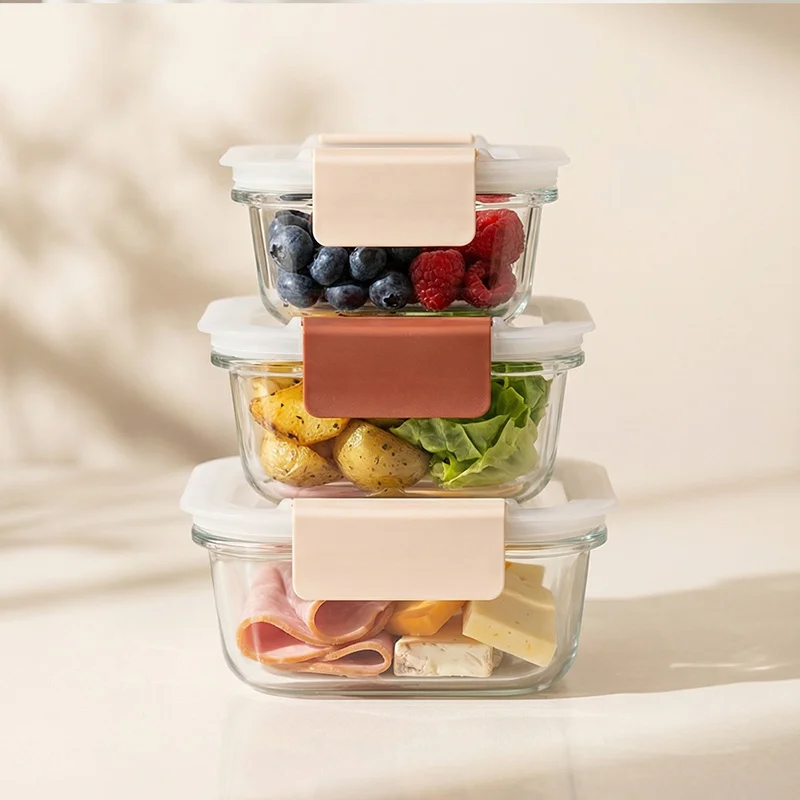
Efficient meal prepping requires a variety of sizes. When you buy glass food storage containers, it is best to invest in a set that includes small, medium, and large options. Small containers are perfect for snacks or dressings, medium ones for main courses, and large containers for family-style sharing or bulk grain storage. Choosing uniform shapes (rectangular or square) allows for better organization and prevents wasted space in the refrigerator.
Maintenance Tips for Your Glass Storage Set
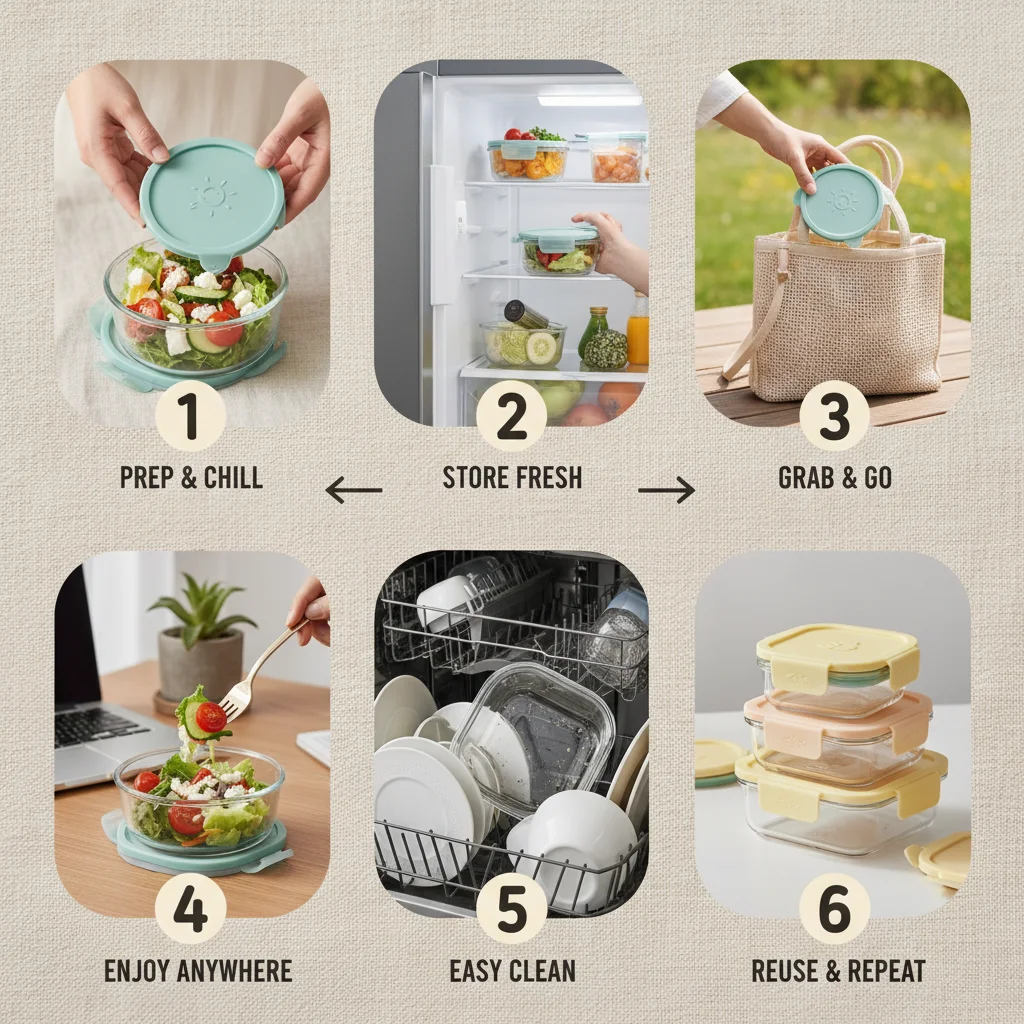
To ensure your investment lasts for years, proper care is essential. Most high-quality glass containers are dishwasher safe, but the lids may require hand-washing to maintain the elasticity of the silicone seal. To avoid thermal shock, avoid placing a freezing cold container directly into a preheated oven. Instead, let it sit at room temperature for a few minutes. When you buy glass food storage containers from a professional supplier, they usually provide specific care instructions to maximize the product's lifespan.
Product Specifications: Premium Glass Series
For those looking for technical precision, our premium line offers industry-leading specs. From high-transparency clarity to reinforced edges, these containers are built for heavy-duty use in both residential and commercial kitchens. Below is the specification table for our most popular series, designed for those who want the best when they buy glass food storage containers.
Conclusion: Make the Switch to Glass Today
Choosing to buy glass food storage containers is a commitment to a healthier lifestyle and a cleaner planet. By prioritizing borosilicate glass and airtight seals, you ensure that your food stays fresh, your kitchen stays organized, and your family stays safe from harmful chemicals. Whether you are upgrading a few pieces or overhauling your entire pantry, investing in quality glassware is a decision you won't regret. Visit Ikoo Glass today to find the perfect set for your needs.
Frequently Asked Questions (FAQs)
Is it safe to put glass containers in the microwave?
Yes, glass is generally safe for microwave use. However, it is crucial to remove the lid or leave it slightly ajar to allow steam to escape, as a fully sealed lid can create pressure that may lead to the container cracking or the lid popping off. Always ensure the glass is borosilicate if you plan on frequent heating, as it handles temperature fluctuations much better than standard glass.
How do I stop the lids from leaking?
To ensure a leak-proof seal, make sure the silicone ring is properly seated in the lid groove. If you notice leaks, check for food debris on the rim of the glass or the silicone gasket. Cleaning the seal with warm soapy water and drying it completely before use can restore the airtight bond. When you buy glass food storage containers from Ikoo Glass, our precision-molded lids are designed for a secure, airtight fit.
Can I put glass containers in the freezer?
Yes, you can freeze food in glass containers, but there is one important rule: leave some headspace. Liquids expand when they freeze, and if the container is filled to the brim, the pressure can cause the glass to shatter. Leaving about an inch of space at the top prevents this. Borosilicate glass is especially recommended for freezing and thawing cycles due to its superior thermal shock resistance.
How do I remove stubborn stains from my glass containers?
While glass is non-porous, some residues (like oil or burnt-on food) can stick. The best way to clean them is by making a paste of baking soda and water, applying it to the stain, and letting it sit for 15 minutes before scrubbing with a soft sponge. Avoid using steel wool or abrasive scrubbers, as these can create micro-scratches on the surface of the glass, reducing its clarity over time.