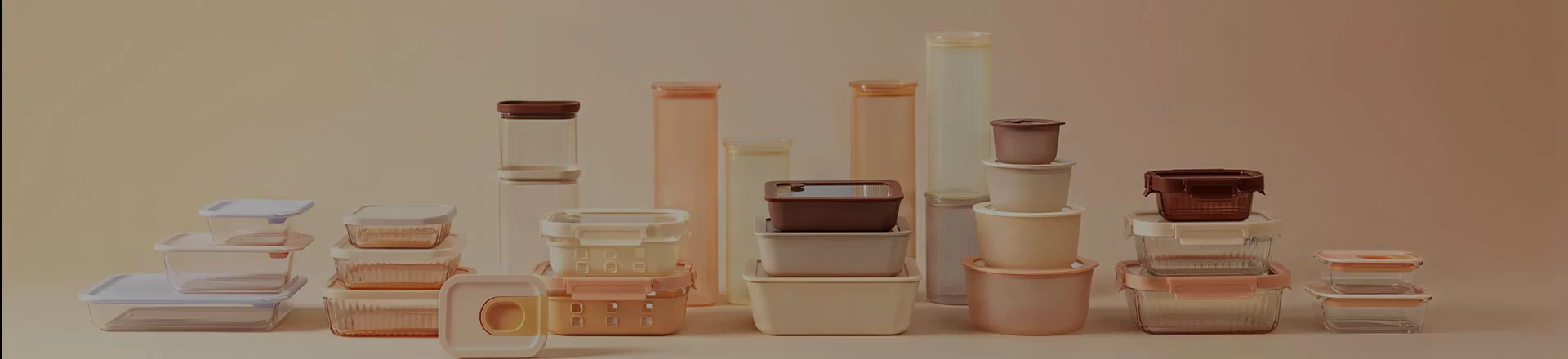
The global shift toward sustainable living has sparked a significant increase in demand for high-quality food preservation solutions. As consumers move away from single-use plastics, the search for durable, non-toxic, and efficient alternatives has led to a surge in the popularity of premium storage options. Understanding the balance between material weight, durability, and safety is now a primary concern for health-conscious households worldwide.
In the modern kitchen, the challenge is often finding a container that offers the hygiene of glass or ceramic without being overly cumbersome. This has created a market niche for solutions that provide the chemical stability and transparency of high-end materials while optimizing for daily usability. The evolution of these materials allows for better temperature regulation and airtight sealing, which are critical for reducing global food waste.
For those seeking a balance of elegance and function, lightweight glass food storage containers and high-grade ceramic alternatives provide an ideal solution. By merging the clarity of tempered glass lids with the robustness of ceramic bodies, these products ensure that food remains fresh, tastes original, and is stored in an eco-friendly manner that supports a sustainable lifestyle.

Global Relevance of Advanced Food Storage
On a global scale, food security and waste reduction have become critical priorities. According to data from international environmental organizations, a significant percentage of household food waste is attributed to improper storage. The industry is responding by developing materials that offer superior airtightness and temperature stability, reducing the rate of spoilage and helping families maximize their resources.
The transition toward lightweight glass food storage containers and ceramic alternatives reflects a broader ISO-aligned movement toward safety and sustainability. By utilizing non-porous materials, these containers prevent the absorption of odors and toxins, addressing a major health concern associated with traditional plastic containers that may leach chemicals into food over time.
Defining Modern Sustainable Storage Solutions
Modern sustainable storage refers to the integration of high-performance materials like borosilicate glass and food-grade ceramic to create vessels that are durable, reusable, and safe. Unlike disposable options, these solutions are designed for longevity, fitting seamlessly into a circular economy where products are used for years rather than weeks.
In simple terms, these containers are engineered to be "lightweight" not just in physical mass, but in their environmental footprint. By combining a sturdy ceramic body with a tempered glass lid, the industry provides a product that is easy to handle yet strong enough to withstand the rigors of a busy kitchen, from the freezer to the oven.
This evolution is deeply connected to humanitarian needs for safer food handling. In urban environments where space is limited and health awareness is high, these containers provide a hygienic way to prep meals in advance, ensuring that nutrition is preserved and chemical contamination is eliminated.
Core Components of Premium Ceramic and Glass Kits
The effectiveness of lightweight glass food storage containers and ceramic sets lies in their material composition. A primary factor is temperature stability; premium ceramic bodies are oven-safe and microwave-safe, allowing for a seamless transition from storage to reheating without the need for additional tableware.
Leak-proof technology is another core component. By utilizing tempered glass lids with airtight seals, these containers prevent moisture from entering and aromas from escaping. This is essential for storing liquids like soups or sauces, ensuring that the contents remain fresh and the refrigerator remains clean.
Finally, the design focus on "stackability" ensures maximum space efficiency. Whether in a pantry or a refrigerator, the ability to stack containers securely reduces clutter and improves organization, making lightweight glass food storage containers a practical choice for high-density living environments.
Practical Applications in Modern Kitchens
In real-world contexts, these storage solutions are utilized across diverse industries, from professional meal-prep services to domestic households. In the hospitality sector, ceramic containers are often used to move food from the prep station to the serving table, doubling as elegant tableware that maintains food temperature.
For the average consumer, the versatility of these products is most evident in "batch cooking." By preparing a week's worth of meals and storing them in leak-proof, microwave-safe vessels, busy professionals can maintain a healthy diet while minimizing the daily time spent on kitchen chores.
Performance Ratings of Various Storage Materials
Long-Term Value and Environmental Impact
Investing in premium storage offers significant long-term economic value. While the initial cost may be higher than plastic, the durability of ceramic and glass means these containers do not need to be replaced every few months. They resist staining and odors, ensuring that the user does not have to discard containers due to permanent food smells or discoloration.
From an emotional and social perspective, using high-quality lightweight glass food storage containers promotes a sense of dignity and care in food preparation. It signals a commitment to health and a rejection of the "throw-away" culture, fostering a more mindful relationship with the food we consume and the environment we inhabit.
Future Trends in Material Science for Storage
The future of food storage is moving toward "smart materials." We are seeing the integration of thermal-responsive coatings that can indicate the temperature of the food inside, as well as enhanced lightweighting techniques that reduce material mass without sacrificing structural integrity.
Sustainability policies are also driving innovation. Future iterations of these containers will likely incorporate recycled glass and ceramic waste, further reducing the carbon footprint of manufacturing. Digital transformation is also playing a role, with QR codes on containers helping users track expiration dates via mobile apps.
Automation in the manufacturing process is allowing for more precise seals and more varied shapes, ensuring that lightweight glass food storage containers can be customized for specific food types, such as vertical containers for leafy greens or shallow pans for baking and storing.
Overcoming Common Storage Challenges
One of the most common limitations of glass storage has traditionally been weight and fragility. However, the industry has overcome this by introducing hybrid designs—using a ceramic body for strength and a tempered glass lid for visibility. This reduces the overall "perceived weight" while maintaining the premium feel and safety of the product.
Another challenge is the risk of thermal shock. Expert insights suggest the use of high-boron content in glass and specialized firing processes for ceramics to ensure that containers can move from a freezer to a microwave without cracking. This engineering feat makes the containers truly versatile for all kitchen needs.
To further optimize usage, the industry is focusing on universal lid sizes. This prevents the common frustration of losing a lid and having it be incompatible with other containers in the set, thereby extending the life of the entire storage system and reducing waste.
Comparison of Storage Material Attributes
| Material Type |
Durability Score |
Thermal Stability |
Eco-Friendliness |
| Ceramic-Glass Hybrid |
9/10 |
Excellent |
High |
| Borosilicate Glass |
8/10 |
Superior |
High |
| Tempered Glass |
7/10 |
Good |
High |
| Standard Plastic |
4/10 |
Poor |
Low |
| Stainless Steel |
10/10 |
Moderate |
Medium |
| Silicone |
6/10 |
Good |
Medium |
FAQS
Yes, provided they are made from heat-resistant materials like borosilicate glass or high-fired ceramic. Always check the specific product label to ensure it is rated for oven use. When using these in the oven, it is recommended to remove the airtight lid if it contains silicone or plastic seals, unless specified as oven-safe.
Ceramic is a non-porous material, meaning it does not absorb odors, stains, or fats from food. This prevents flavor transfer between different stored meals. Additionally, the thermal mass of ceramic helps maintain a more consistent internal temperature, which slows down the spoilage process compared to thin-walled plastic.
Premium containers utilize a combination of a tempered glass lid and a precision-engineered seal. This creates an airtight vacuum that prevents liquids from leaking even when the container is tilted or stored on its side, making them ideal for soups, stews, and sauces.
Most high-quality ceramic containers are freezer-safe. However, it is important to leave a small amount of headspace at the top of the container, as liquids expand when they freeze. To avoid thermal shock, allow frozen containers to thaw slightly before placing them in a high-heat microwave.
Most glass lids are dishwasher safe. To preserve the airtight seal over many years, we recommend using a mild detergent and avoiding abrasive scrubbers on the sealing ring. If the lid feels less airtight, a quick rinse in warm soapy water usually restores the seal's flexibility.
Lightweight glass is achieved through advanced molding techniques and the use of materials like borosilicate, which allow for thinner walls without sacrificing strength. This ensures the container is easier to carry and store while maintaining the same hygiene and safety benefits as traditional thick glass.
Conclusion
The transition toward lightweight glass food storage containers and premium ceramic solutions represents a critical step in combining kitchen efficiency with environmental responsibility. By focusing on material purity, thermal versatility, and leak-proof design, these products solve the age-old conflict between the durability of glass and the convenience of plastic.
As we look toward a more sustainable future, adopting these long-term storage solutions is not just a lifestyle choice but a commitment to global health and waste reduction. We encourage homeowners and professionals alike to invest in materials that protect their food and the planet. Visit our website for more information: www.ikoo-glass.com