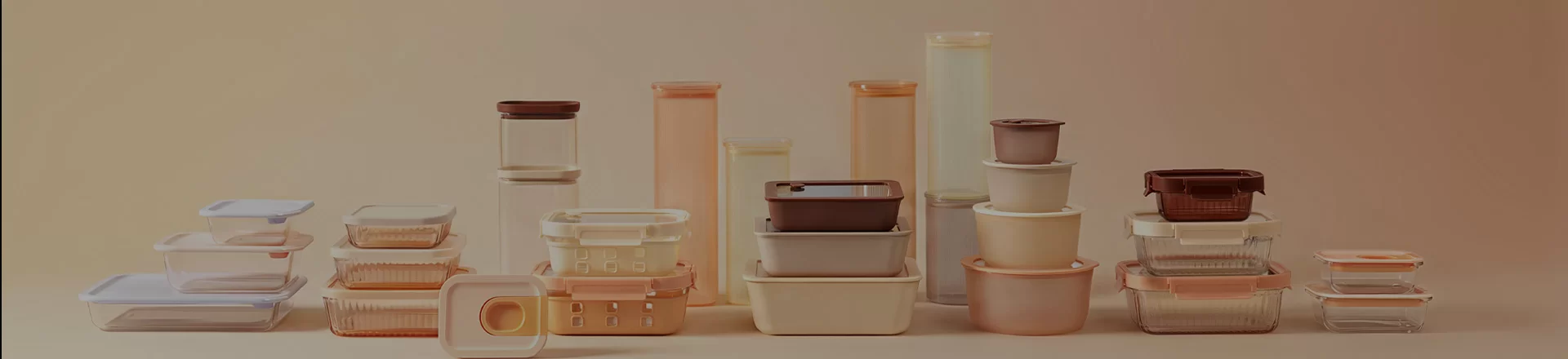
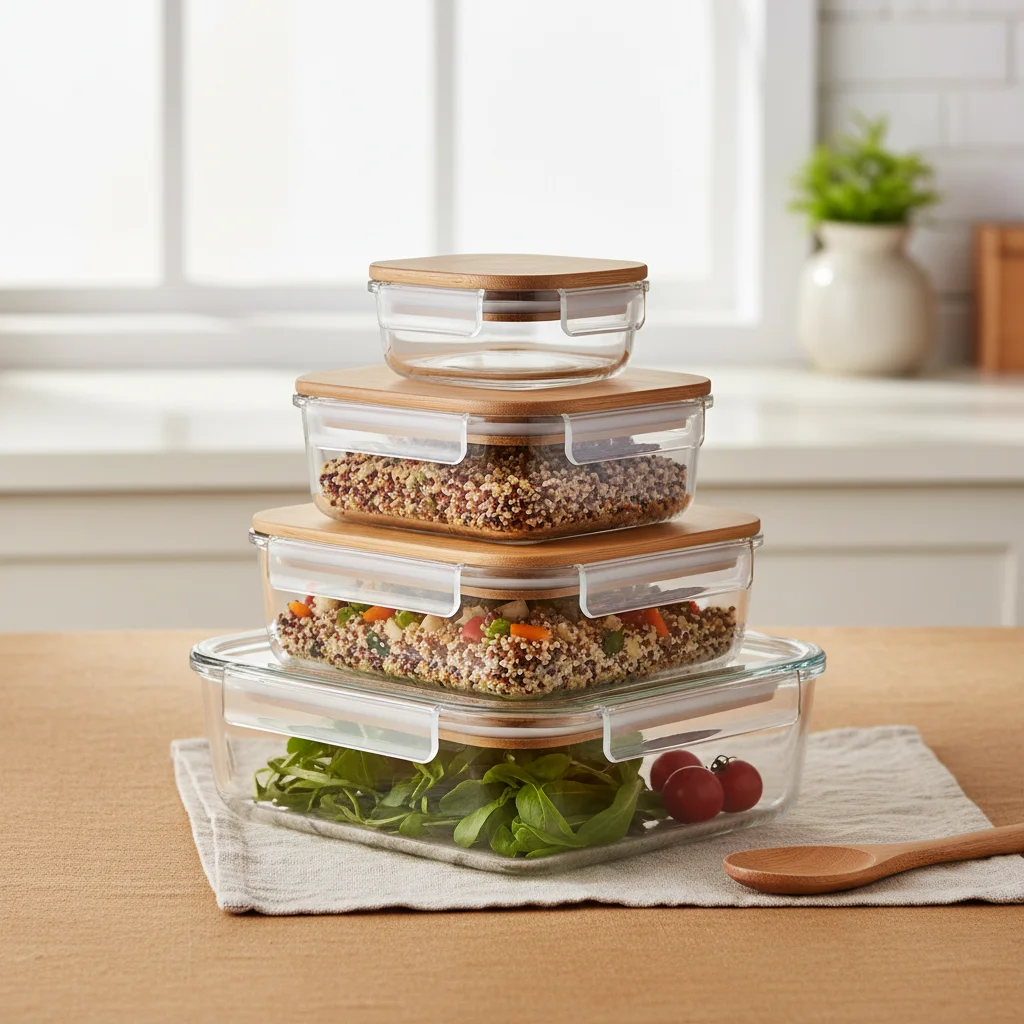
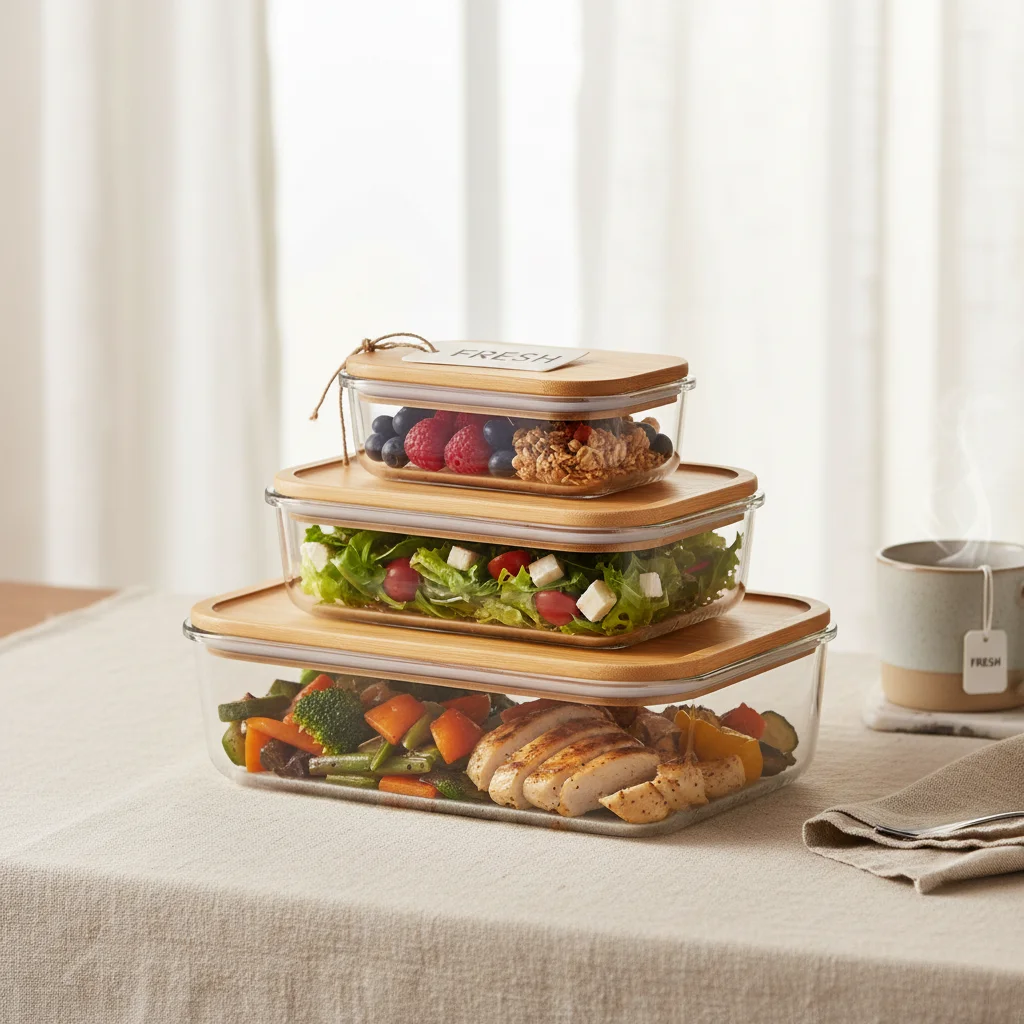
In the evolving landscape of modern kitchenware, nestable glass food storage containers have emerged as a pivotal solution for urban dwellers and professional organizers alike. As living spaces shrink and the demand for sustainable, non-toxic food preservation grows, the ability to stack containers within one another—rather than just on top of each other—represents a significant leap in ergonomic design.
Globally, the shift toward glass over plastic is driven by increasing health awareness and a collective push to reduce single-use polymer waste. High-quality borosilicate glass allows these containers to withstand extreme temperature fluctuations, while the "nestable" feature directly addresses the chronic problem of cabinet clutter. This intersection of material science and spatial efficiency makes them an essential tool for the contemporary eco-conscious household.
Understanding the nuances of nestable glass food storage containers is not merely about choosing a product; it is about optimizing the workflow of food preparation and storage. By integrating these versatile tools, users can reduce food waste through better visibility and maximize their kitchen's operational capacity, proving that high-performance industrial design can translate into everyday domestic convenience.
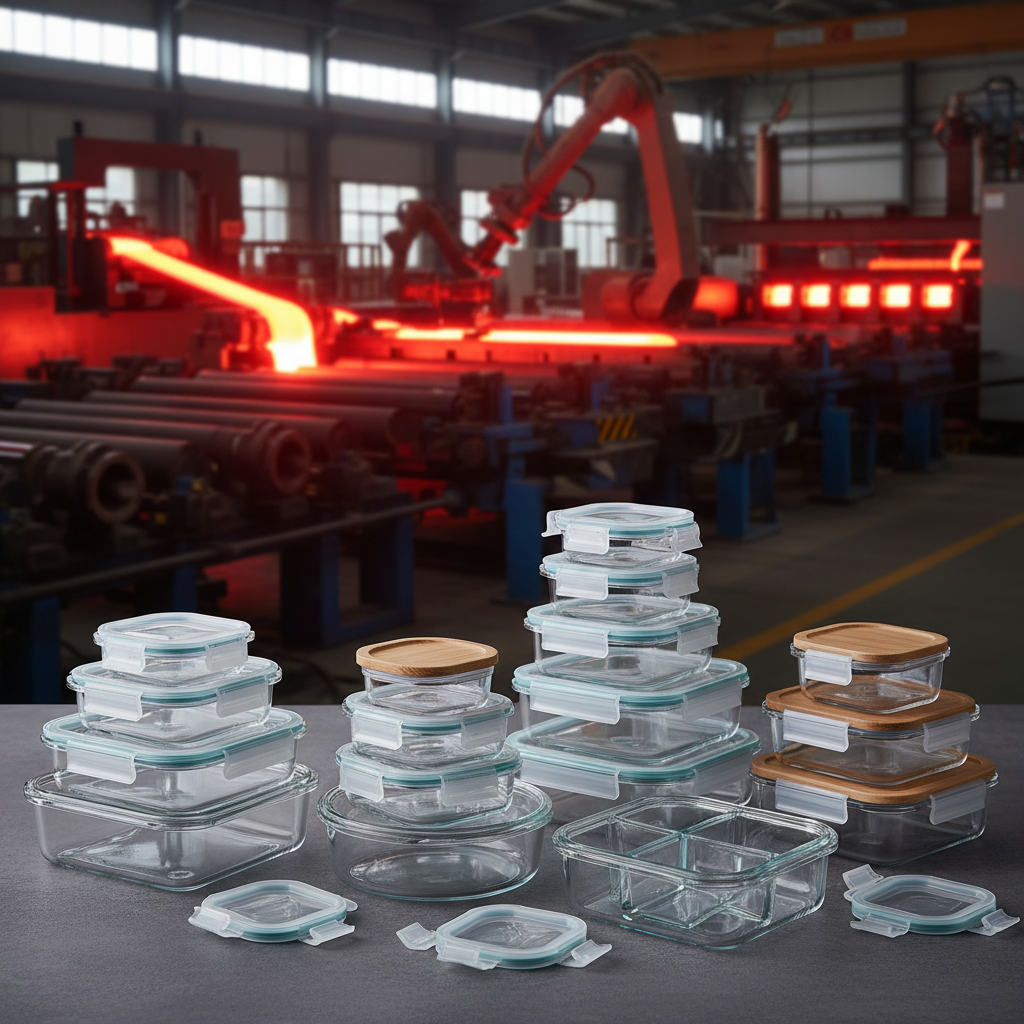
Global Relevance and Industry Context of Nestable Glassware
The global transition toward sustainable living has placed nestable glass food storage containers at the forefront of the household goods industry. With ISO standards increasingly emphasizing environmental impact and material safety, the manufacturing sector has shifted from mass-producing cheap plastics to engineering durable, reusable glass alternatives. Data from global market trends indicate a sharp rise in "zero-waste" consumer behavior, particularly in European and North American markets, where the reduction of microplastics in food is a primary health concern.
Despite the benefits of glass, the industry faced a long-standing challenge: the "dead space" created by non-stackable containers. Traditional glass bowls often left significant gaps in cabinetry, leading to inefficiency. The introduction of nestable designs—where smaller containers fit precisely inside larger ones—has solved this logistical hurdle, allowing wholesalers and consumers to optimize shipping volumes and storage footprints.
Defining the Concept of Nestable Glass Food Storage Containers
At its core, nestable glass food storage containers are a series of glass vessels designed with tapered walls and specific volumetric ratios that allow them to fit inside one another when not in use. Unlike "stackable" containers, which sit one on top of the other, "nesting" occurs vertically within the interior volume of the largest piece. This design philosophy is rooted in industrial efficiency, mirroring the way professional culinary equipment is managed in high-pressure commercial kitchens.
From a technical standpoint, this requires precision molding to ensure that the friction between the glass walls is minimized, preventing scratches or cracking during insertion. This design is not just a convenience; it is a humanitarian response to the trend of urbanization. As apartment sizes decrease globally, the demand for "smart" storage that occupies the smallest possible cubic volume becomes a necessity rather than a luxury.
Moreover, these containers bridge the gap between industrial durability and domestic aesthetics. By utilizing borosilicate or tempered soda-lime glass, manufacturers create products that are chemically inert, meaning they do not leach toxins into food, regardless of acidity or temperature. This makes nestable glassware a critical component in the modern movement toward health-centric, sustainable food management.
Core Components of High-Performance Nestable Glass
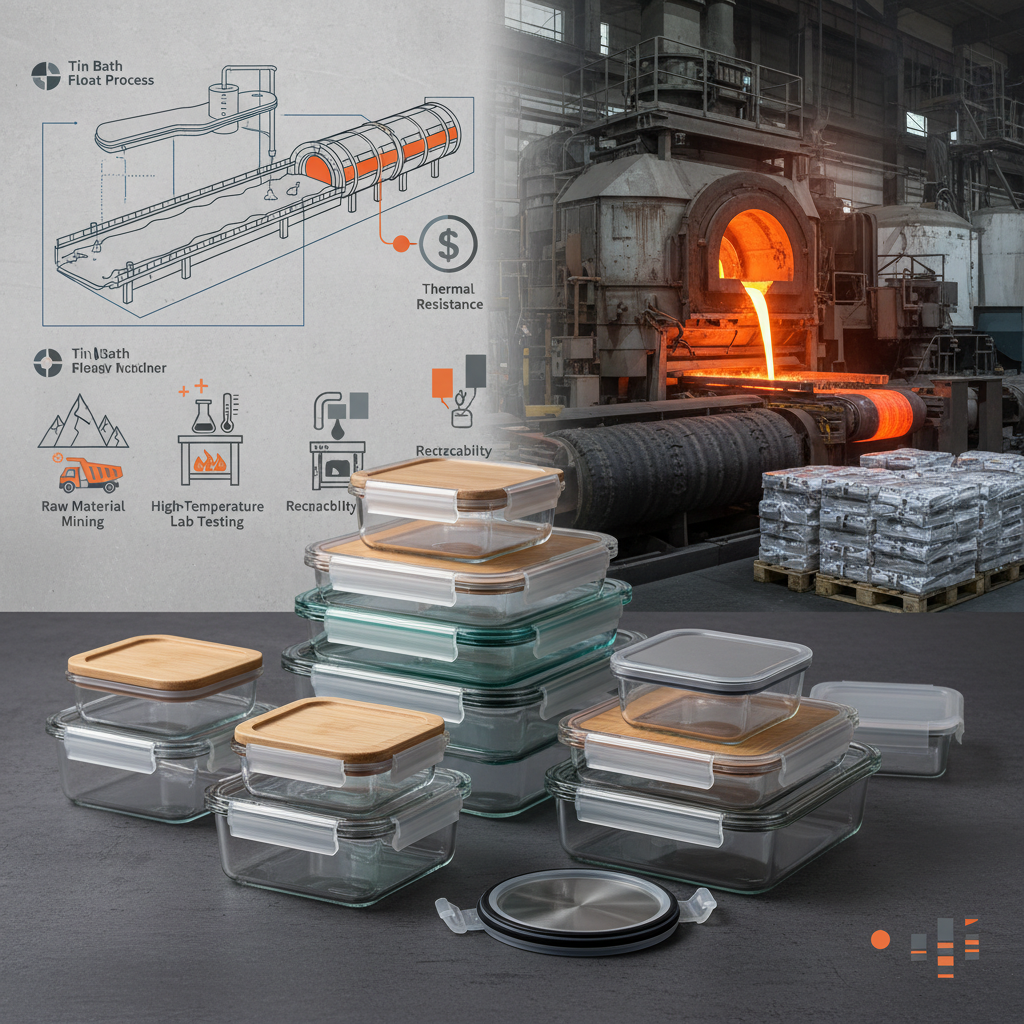
The durability of nestable glass food storage containers begins with the material composition. High-grade borosilicate glass is often preferred due to its low coefficient of thermal expansion, allowing the containers to move from a freezer to an oven without shattering. This thermal shock resistance is a key component that ensures the product's lifespan extends for decades, rather than years.
Precision geometry is the second core factor. To achieve a perfect "nest," engineers must calculate the exact taper angle of the walls. If the angle is too steep, the container loses its storage capacity; if it is too shallow, the containers will jam. This balance of form and function is what distinguishes professional-grade nestable glass food storage containers from generic alternatives.
Finally, the sealing mechanism—often involving BPA-free plastics, silicone, or stainless steel lids—completes the system. An airtight seal is essential for food preservation, preventing oxidation and leakage. The integration of a secure lock system ensures that while the glass bodies nest for storage, the lids remain compact and organized, creating a comprehensive system of efficiency.
Practical Applications Across Diverse Global Sectors
The application of nestable glass food storage containers extends far beyond the home kitchen. In the commercial food service industry, particularly in meal-prep businesses and boutique catering, these containers allow for efficient transport and minimal storage overhead. In regions with high population density, such as Tokyo or New York, the space-saving nature of nesting glassware is a primary selling point for consumers optimizing small kitchenettes.
Furthermore, in institutional settings such as hospitals or laboratories, the non-reactive nature of glass makes these nestable sets ideal for storing sensitive samples or patient meals. The ability to nest them allows for easy sterilization and organized transport in medical carts, where every inch of space is critical for operational efficiency.
Performance Comparison of Nestable Glass Storage Solutions
Long-Term Value and Sustainability Benefits
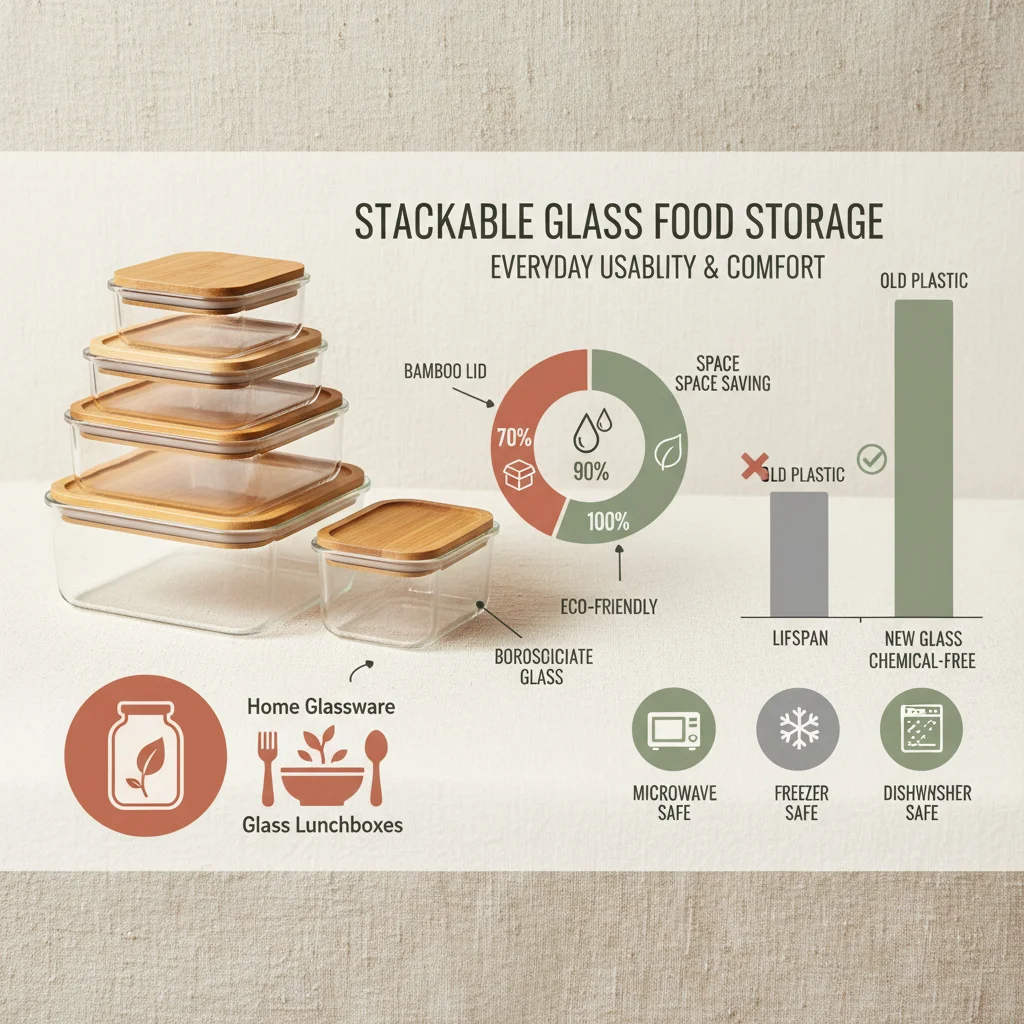
Investing in nestable glass food storage containers provides tangible long-term economic value. Unlike plastic containers that warp, stain, and degrade over time, high-quality glass is virtually permanent if handled correctly. This reduces the frequency of replacement, lowering the total cost of ownership and significantly decreasing the amount of waste sent to landfills.
Beyond the financial aspect, there is a deep emotional and psychological benefit to using these products. There is a sense of dignity and order in a well-organized, clutter-free kitchen. The transparency of glass allows users to see their food clearly, which encourages healthier eating habits and reduces food spoilage. This combination of logical efficiency and emotional satisfaction makes nestable glass a cornerstone of the modern, mindful home.
Future Innovations in Glass Storage Technology
The future of nestable glass food storage containers is being shaped by advancements in material science and digital integration. We are seeing the emergence of "smart glass" that can indicate the freshness of food through integrated sensors or color-changing properties. Additionally, new coating technologies are being developed to make glass even more resistant to impact, combining the purity of glass with the toughness of industrial ceramics.
Sustainability is also driving innovation in the lid manufacturing process. The industry is moving toward biodegradable silicone alternatives and bamboo-composite lids that complement the eco-friendly nature of the glass. These innovations ensure that the entire product lifecycle—from production to disposal—has a minimal carbon footprint.
Automation in the manufacturing process is also allowing for more complex nesting geometries. Using AI-driven design, manufacturers can now create containers that nest more tightly while maintaining structural integrity, further reducing the shipping volume and the energy required for logistics.
Addressing Challenges in Nestable Glass Manufacturing
One of the primary challenges in producing nestable glass food storage containers is the risk of "stiction" or vacuum-locking, where two containers fit so perfectly that they become difficult to separate. This is solved through advanced polishing techniques and the inclusion of microscopic ridges in the design that allow air to flow between the nesting surfaces.
Another limitation is the inherent fragility of glass compared to polymers. To overcome this, manufacturers are utilizing tempered strengthening processes and reinforced rims. By focusing on the high-stress points of the container, engineers can ensure that the nesting action—which involves physical contact between vessels—does not lead to stress fractures.
Finally, balancing the cost of premium borosilicate glass with market accessibility remains a hurdle. The solution lies in scalable production and the development of hybrid glass blends that offer high thermal resistance at a more competitive price point, making sustainable storage accessible to a broader global population.
Analysis of Design and Performance Metrics for Nestable Glassware
| Material Type |
Nesting Efficiency |
Thermal Resistance |
Durability Score |
| Borosilicate Glass |
Excellent |
Very High |
9/10 |
| Tempered Soda-Lime |
High |
Medium |
8/10 |
| Annealed Glass |
Medium |
Low |
6/10 |
| Glass-Ceramic Hybrid |
Excellent |
Extreme |
10/10 |
| Recycled Glass Blend |
High |
Medium |
7/10 |
| Lead-Free Crystal |
Medium |
Low |
5/10 |
FAQS
The primary difference is spatial efficiency. While stackable containers sit on top of each other, nestable containers fit inside one another. This allows you to store a full set of various sizes in the same vertical space that a single large container would occupy, drastically reducing cabinet clutter and simplifying organization.
Yes, provided they are made from borosilicate glass. This material is designed to withstand extreme temperature changes. However, always check the specific manufacturer's guidelines and remember to remove plastic or silicone lids before placing the glass in the oven or microwave to avoid melting the seals.
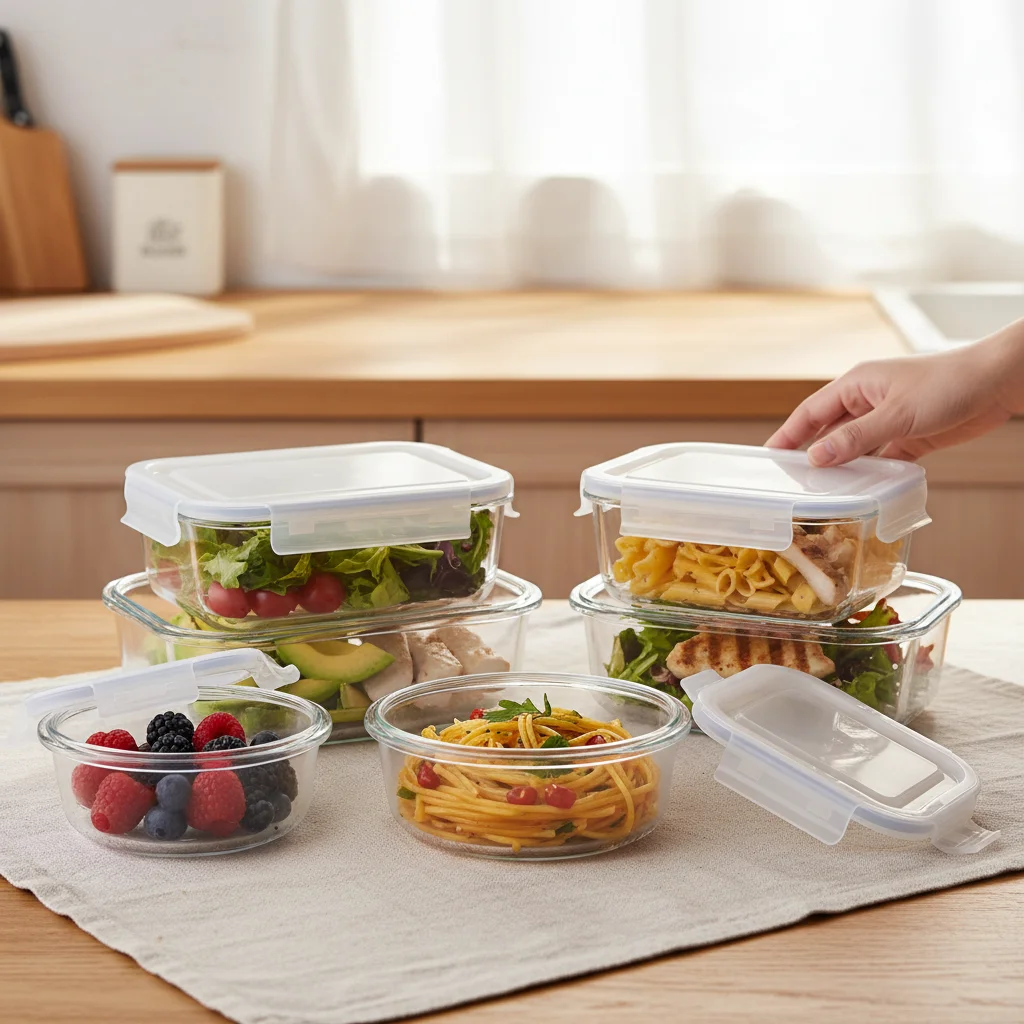
High-quality nestable glass food storage containers feature airtight locking lids with silicone gaskets. When sealed correctly, they are leak-proof and can be stored horizontally without risk of spills, making them ideal for transporting soups or sauces in a lunch box.
To maintain the pristine surface of your glassware, avoid sliding the containers aggressively. Instead, place them gently into one another. Professional-grade containers often have slightly tapered walls and polished interiors to minimize friction and prevent surface abrasions during storage.
Absolutely. Glass is infinitely recyclable and does not leach chemicals into food, even when heated. While plastic may be "BPA-free," it still degrades over time and contributes to microplastic pollution. Glass offers a lifetime of use, significantly reducing the long-term environmental impact.
Yes, many manufacturers offer custom glass container services for B2B clients. Whether you need specific volumes for meal-prep services or specialized shapes for laboratory use, custom molding allows for the creation of nestable sets tailored to your specific operational requirements.
Conclusion
Nestable glass food storage containers represent the perfect marriage of industrial engineering and domestic practicality. By solving the age-old problem of kitchen clutter through precise nesting geometry and utilizing the superior health and environmental benefits of borosilicate glass, these products offer a sustainable alternative to plastic. From their ability to withstand extreme temperatures to their role in reducing global waste, they provide an indispensable solution for the modern, efficient home.
As we move toward a future defined by mindful consumption and urban optimization, the adoption of such smart storage solutions will only increase. We encourage you to transition your kitchen to glass to experience the blend of safety, durability, and organization that only professional-grade nestable glassware can provide. To explore our full range of high-performance storage solutions, visit our website: www.ikoo-glass.com