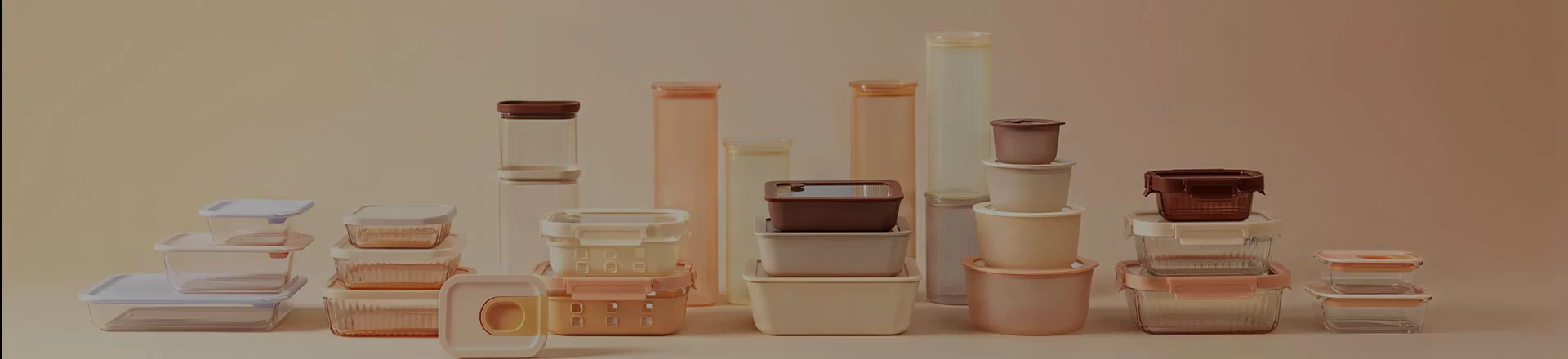
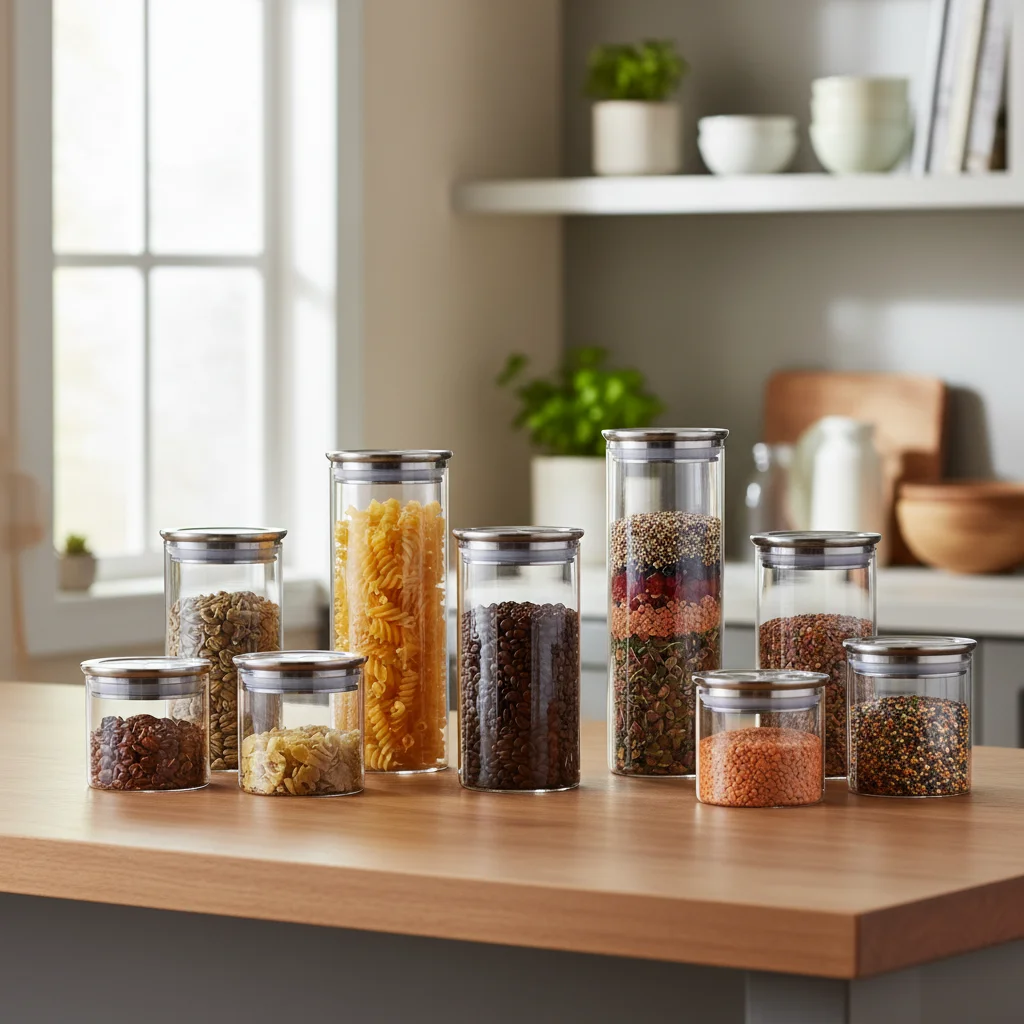
Investing in a high-quality set glass food storage containers is more than just a kitchen upgrade; it is a commitment to a healthier, more sustainable lifestyle. As global awareness regarding plastic pollution and chemical leaching increases, the transition toward borosilicate and tempered glass has become a priority for health-conscious consumers and culinary professionals alike.
The versatility of these sets allows for a seamless transition from meal preparation to storage and serving. By utilizing a variety of sizes and locking mechanisms, a professional set ensures that food freshness is preserved, reducing waste and optimizing kitchen organization through clear visibility and stackable designs.
Whether you are managing a large household or optimizing a professional catering service, understanding the material science and functional design behind a set glass food storage containers is essential. This guide explores the industry standards, benefits, and innovative trends that define the modern landscape of glass food preservation.

The Global Demand for Sustainable Glass Storage
The global shift toward eco-friendly living has placed a significant spotlight on the kitchenware industry. With the World Bank and various environmental agencies reporting a critical increase in microplastic contamination in the food chain, the demand for a reliable set glass food storage containers has surged. Consumers are no longer satisfied with disposable plastics; they are seeking inert materials that do not react with acidic foods or release harmful BPA during heating.
In regions like Europe and North America, stringent ISO standards for food-contact materials have accelerated the adoption of borosilicate glass. This material's ability to withstand thermal shock makes it an indispensable tool for modern meal prepping, allowing users to move containers from the freezer to the oven without the risk of shattering, thus addressing the efficiency challenges of fast-paced urban lifestyles.
Defining High-Performance Glass Container Sets
At its core, a set glass food storage containers refers to a curated collection of glass vessels designed for the preservation, transport, and heating of food. Unlike single-unit purchases, a "set" is engineered to provide a spectrum of volumes—ranging from mini glass containers for sauces to large glass bakeware for family meals—ensuring that every food type has an appropriately sized home.
From an industrial perspective, these sets are more than just bowls; they are precision-engineered products. The integration of airtight lids—whether made of bamboo, stainless steel, or BPA-free plastic—creates a vacuum-like seal that inhibits oxidation and bacterial growth, effectively extending the shelf life of perishables and reducing global food waste.
In the context of modern humanitarian and urban needs, these containers represent a shift toward "circular economy" principles. Because glass is 100% recyclable and infinitely reusable, transitioning to a professional set of glass containers reduces the reliance on single-use packaging, aligning household habits with global sustainability goals.
Core Components of Premium Food Glassware
The durability of a set glass food storage containers depends heavily on the chemical composition of the glass. Borosilicate glass, known for its low coefficient of thermal expansion, is the gold standard for those who require oven-to-table functionality, ensuring the glass remains stable under extreme temperature fluctuations.
Seal integrity is the second critical factor. High-end sets utilize silicone gaskets and locking clips (such as the 4-lock system) to ensure a leak-proof experience. This is vital for transporting liquids like soups or stews, providing the user with the confidence that their food will remain contained during transit.
Finally, aesthetic and functional versatility plays a role. The inclusion of different styles—such as amber-colored glassware for light-sensitive foods or eco-wood lids for a natural look—allows the set to fit into various kitchen decors while serving specific preservative functions.
Practical Applications Across Different Industries
The application of a set glass food storage containers extends far beyond the home kitchen. In the healthcare sector, glass containers are used for patient meal prepping where sterility and the absence of chemical leaching are paramount. Similarly, in high-end catering and meal-prep businesses, these sets provide a professional presentation that plastic simply cannot match.
In remote industrial zones or corporate cafeterias, the move toward glass storage helps organizations meet their Corporate Social Responsibility (CSR) goals by eliminating thousands of plastic containers annually. The transparency of the glass also streamlines inventory management, allowing staff to identify contents at a glance without opening every lid.
Performance Comparison of Storage Material Types
Economic and Environmental Long-Term Value
While the initial investment in a set glass food storage containers is higher than that of plastic alternatives, the long-term economic value is far superior. Glass does not warp, stain, or absorb odors, meaning a single set can last for decades rather than months. This durability eliminates the "replacement cycle" costs associated with cheap plastic containers that crack or become cloudy over time.
From an emotional and psychological standpoint, using glass fosters a sense of mindfulness and dignity in food preparation. The clarity of the glass allows for the visual appreciation of fresh ingredients, encouraging a healthier diet. Moreover, the peace of mind knowing that no endocrine disruptors are entering the family's food supply is a value that transcends monetary calculation.
Future Innovations in Glass Manufacturing
The future of the set glass food storage containers industry is being shaped by digital transformation and material science. We are seeing the emergence of "smart glass" with integrated thermal indicators that change color when the food has reached a safe temperature, merging safety with high-tech convenience.
Sustainability is also driving the development of carbon-neutral manufacturing processes. Leading factories are integrating green energy—such as electric furnaces powered by solar or wind—to reduce the carbon footprint of glass melting. This ensures that the product is eco-friendly not just in its use, but in its very creation.
Automation in precision molding is allowing for more complex lid designs and tighter seals, reducing the failure rate of locking mechanisms. As we move toward a more automated future, the consistency and quality of glass containers will only improve, making them more accessible and reliable for the global market.
Overcoming Common Challenges in Glass Utility
The most common critique of a set glass food storage containers is the weight and fragility compared to plastic. However, these challenges are being solved through advanced tempering processes and the use of reinforced borosilicate glass, which significantly increases impact resistance without sacrificing the purity of the material.
Another challenge is the compatibility of lids. Many consumers struggle with losing lids or having mismatched sets. The industry is responding by moving toward standardized sizing and modular lid systems, where a single lid size can fit multiple container volumes within the same set, simplifying kitchen management.
Finally, for those concerned about the weight for portable lunch boxes, manufacturers are introducing thinner yet stronger glass walls. This innovation maintains the non-toxic benefits of glass while reducing the bulk, making glass sets a viable option for commuters and students.
Comparative Analysis of Glass Storage Set Specifications
| Glass Type |
Thermal Resistance |
Durability Score |
Eco-Impact |
| Borosilicate Glass |
Excellent (Oven Safe) |
9/10 |
Low Carbon |
| Tempered Soda-Lime |
Moderate (Microwave Safe) |
7/10 |
Standard |
| Amber Colored Glass |
High (UV Protection) |
8/10 |
Low Carbon |
| Frosted Glass Set |
Moderate |
7/10 |
Standard |
| Reinforced Glass |
High |
9/10 |
Standard |
| Custom Coated Glass |
Moderate |
8/10 |
Moderate |
FAQS
It depends on the glass type. Borosilicate glass sets are specifically engineered to withstand high temperatures and thermal shock, making them oven-safe. Tempered soda-lime glass is generally microwave and dishwasher safe but may not be suitable for high-heat ovens. Always check the manufacturer's label to ensure the specific set you own is rated for oven use.
To ensure a leak-proof seal, choose a set with a 4-lock clipping system and a high-quality silicone gasket. Ensure the gasket is seated properly in the lid groove and that all four clips are snapped shut firmly. For maximum security, avoid overfilling the container to leave a small air gap at the top.
Yes, significantly. Glass is non-porous, meaning it does not absorb odors or stains from previous foods. More importantly, it is chemically inert and does not leach BPA or phthalates into your food, especially when heated. This preserves the original taste and nutritional integrity of the ingredients better than plastic.
Yes, glass is excellent for freezing. However, because liquids expand when they freeze, it is crucial to leave about an inch of headspace at the top of the container. Using a borosilicate set is recommended as it handles the transition from freezing to thawing (or heating) much more safely than standard glass.
Over time, gaskets can collect residue. It is recommended to carefully remove the silicone ring using a blunt tool, soak it in a mixture of warm water and white vinegar, and scrub gently with a soft brush. Once dry, reinstall the gasket to maintain the airtight integrity of your set.
A 4-lock set uses mechanical clips to compress the lid against the glass, creating a hermetic seal ideal for liquids and long-term storage. A simple lid set usually relies on a press-fit or screw-top, which is convenient for dry goods or short-term storage but is not typically leak-proof.
Conclusion
In summary, transitioning to a professional set glass food storage containers is a strategic move for anyone seeking to balance health, convenience, and environmental responsibility. By leveraging the thermal stability of borosilicate glass and the security of advanced locking systems, users can effectively reduce food waste, eliminate toxic plastic exposure, and organize their culinary space with precision and style.
As we look toward a future defined by sustainable consumption, the role of durable, reusable glass will only grow. We recommend investing in a comprehensive set that caters to various meal sizes to maximize utility. For those ready to upgrade their kitchen to professional standards, visit our website: www.ikoo-glass.com to discover the perfect storage solution for your lifestyle.