Look, I’ve been on construction sites for fifteen years, wrestling with materials, talking to engineers, and frankly, dealing with a whole lot of broken glass. And I'll tell you, keeping food safe and sound for the crew is a constant headache. Folks need a reliable way to pack lunches that won’t end up shattered at the bottom of a toolbox or leaking all over blueprints. That's where really good round glass food storage containers come in. They're not just about convenience, they’re about keeping guys fed and focused.
We’re talking about a tough environment. Things get dropped, knocked around, and put through a lot. Plastic containers crack, metal ones dent and can leach, and the flimsy stuff just doesn’t cut it. You need something that can withstand the daily abuse of a construction site, and that doesn’t compromise food quality. I’ve seen guys resort to using paint cans… don't even go there. Investing in durable round glass food storage containers isn’t just a nice-to-have, it's a safety and efficiency issue. A well-fed crew is a productive crew.
And it’s not just construction. Think about disaster relief, where supplies need to be stored and transported safely, or remote field work where durability is paramount. Reliable food storage is a cornerstone of any operation where folks are relying on packed meals. It all comes down to peace of mind. Knowing your lunch isn't going to be a mess when you need it most.
The Importance of Durable Food Storage
Look, I’ve seen firsthand how quickly a flimsy container can ruin someone’s day. When you’re dealing with long hours and physical labor, a secure and reliable food storage solution isn’t a luxury, it’s essential. A broken container means wasted food, a mess to clean up, and a hungry worker. The cost of replacing cheap containers adds up fast. That’s why investing in quality round glass food storage containers makes sense – it saves money in the long run and keeps morale high.
It’s about more than just convenience, it’s about respect. Respect for the workers, respect for their time, and respect for their meals. Providing them with equipment that’s up to the task, including their food storage, shows you value their contribution.
Defining Round Glass Food Storage Containers
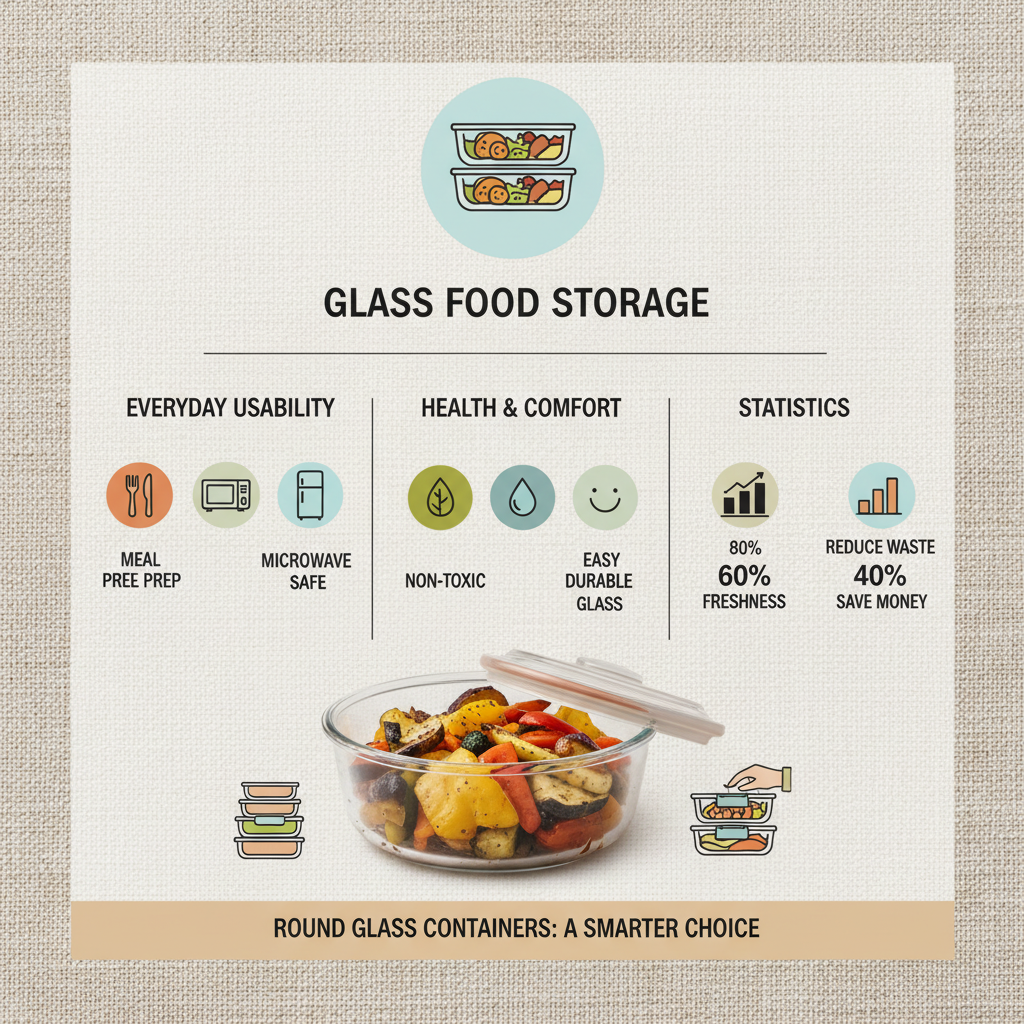
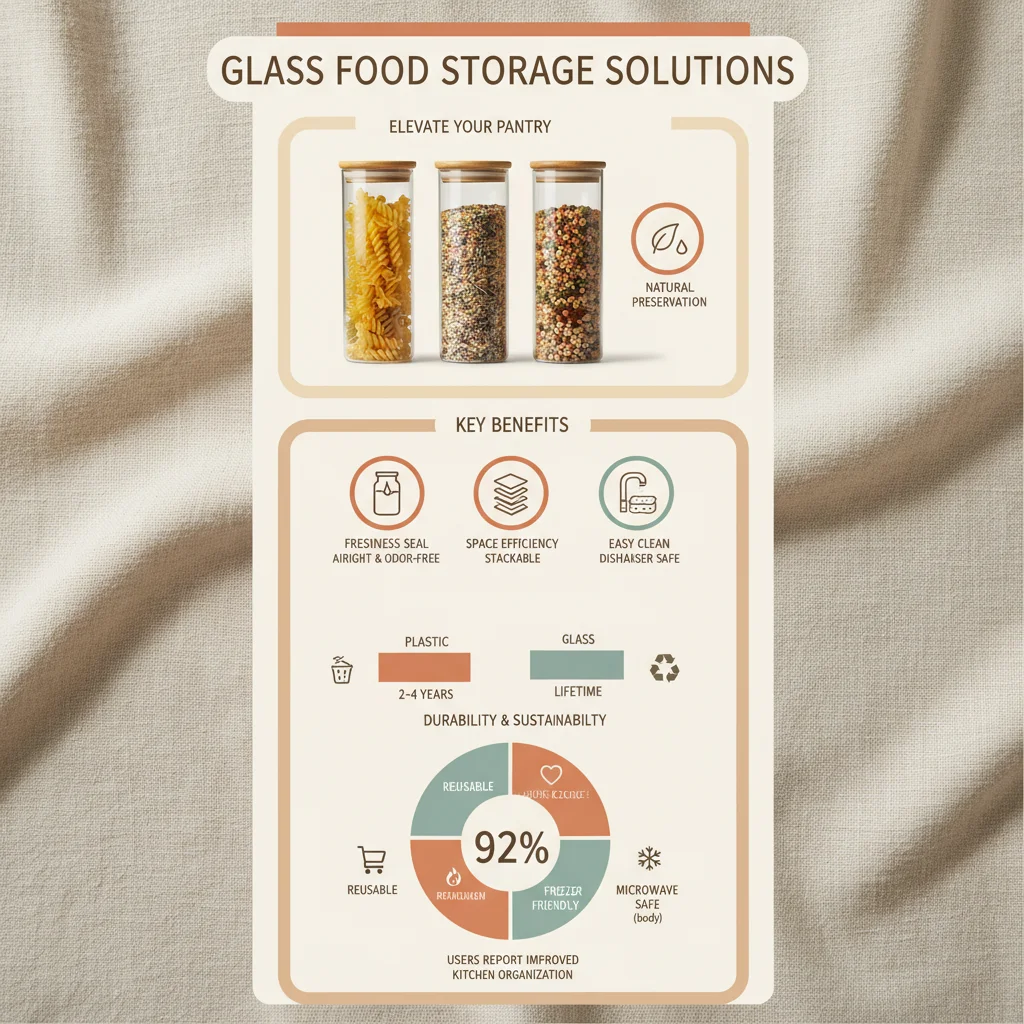
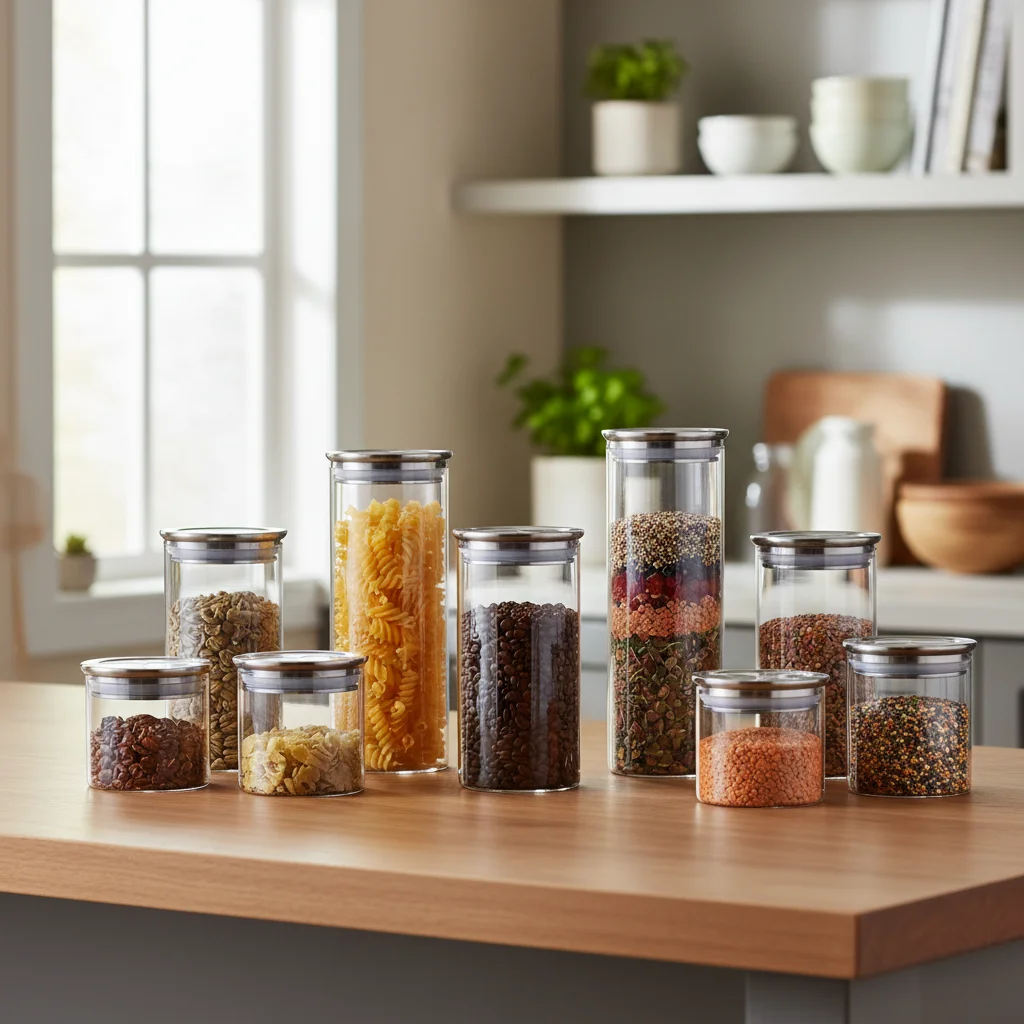
Simply put, round glass food storage containers are containers made from glass, designed with a circular shape, and intended for storing food. But it's more nuanced than that. We’re not talking about grandma’s old mason jars, though they’ll do in a pinch. Modern ones often feature airtight lids, sometimes with silicone seals, and are designed to be stackable for efficient storage. The round shape distributes pressure more evenly than square containers, making them less prone to cracking under stress.
These containers address a core need in a lot of industries: safe, reliable, and reusable food storage. The construction industry, disaster relief organizations, remote research teams - all these groups require a way to keep food fresh and protected, often in challenging environments. It’s about providing a consistent and dependable system for sustaining people in the field.
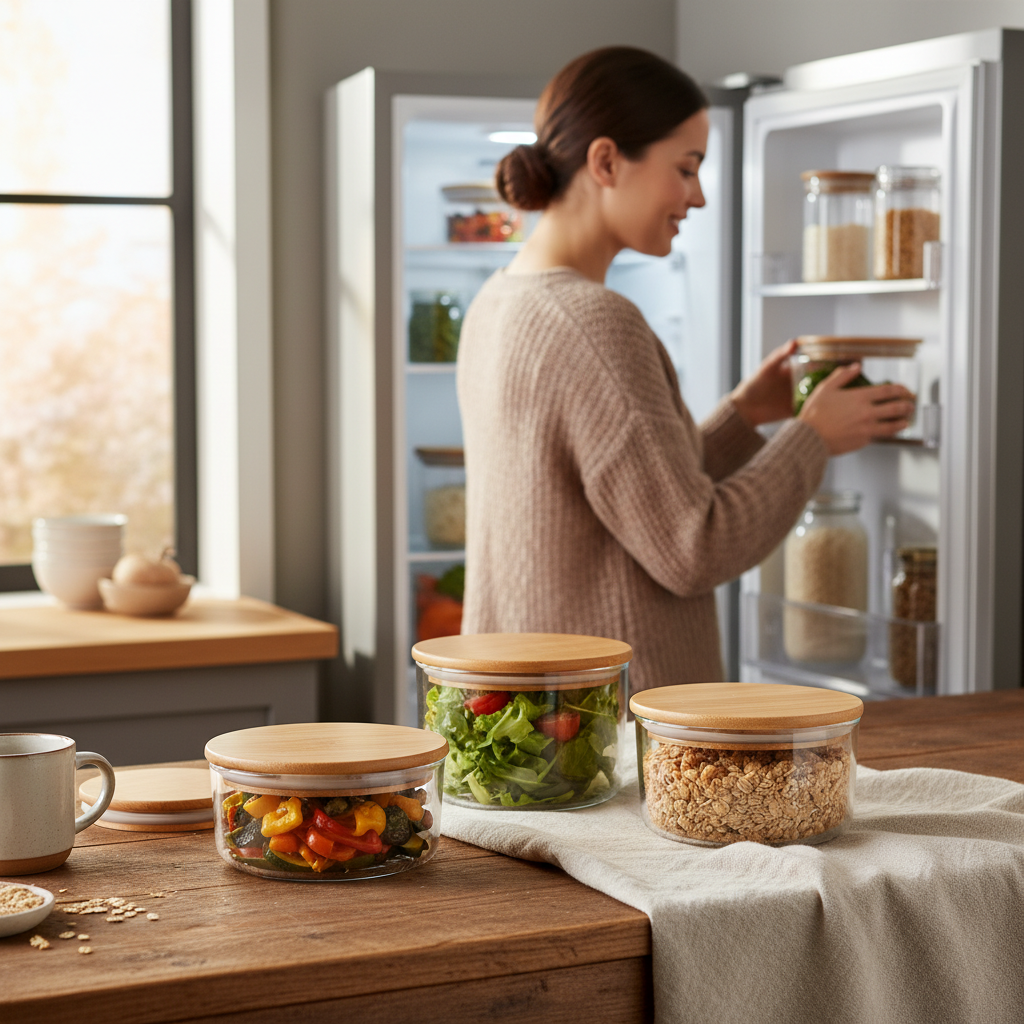
They're also seeing a surge in popularity among folks just wanting a healthier, more sustainable option for their everyday lunches and leftovers. People are realizing the benefits of avoiding plastic and choosing a non-reactive material like glass.
Key Factors: Why Glass Stands Out
First, Durability. Glass, especially borosilicate glass, is incredibly tough. It can withstand temperature fluctuations, impacts (within reason, of course – don’t go throwing them off a roof!), and repeated use. It's a material that’s built to last, unlike cheaper plastics that become brittle and crack over time. It’s something you buy once and, with proper care, it’ll serve you for years. Round glass food storage containers offer a robustness that’s essential in demanding environments.
Then there’s Non-Reactivity. Glass doesn't leach chemicals into your food, unlike some plastics. That’s a big deal when you’re storing things like acidic sauces or leftovers. You want to be sure what you’re eating is just the food, not a cocktail of plastic byproducts. It's a health and safety consideration that can't be overlooked.
Transparency is another key benefit. You can easily see what’s inside without having to open the container. No more guessing games or rummaging through a cooler. This is a small thing, but it saves time and frustration. And finally, Ease of Cleaning. Glass is non-porous, meaning it doesn't absorb odors or stains. It's dishwasher safe and incredibly easy to sanitize, which is critical in any food handling situation.
Global Applications in Demanding Environments
I've seen these containers used everywhere. In post-disaster relief operations, they're invaluable for distributing food safely to affected communities. Organizations need containers that can be sanitized and reused repeatedly. In remote industrial zones, like mining camps or research stations, where resupply is infrequent, durable round glass food storage containers are essential for maintaining food security.
They’re also becoming increasingly popular in the catering industry, particularly for transporting and storing delicate dishes. The clarity of the glass allows for attractive presentation, and the airtight seals keep food fresh during transport. You’ll find them on film sets, catering to large crews who need reliable and safe food storage.
And it's not just big organizations. I’ve supplied crews working on long-distance pipeline projects, and they swear by them. They get beat up, but they don’t break easily, and they keep the food safe. That’s what matters.
Round Glass Food Storage Container Usage by Industry
Advantages: Long-Term Cost and Safety
Let’s talk about the bottom line. While the upfront cost of round glass food storage containers might be higher than cheap plastic, the long-term savings are significant. They last longer, reducing the need for frequent replacements. They're also easier to clean and sanitize, which reduces the risk of foodborne illness and associated costs. That peace of mind is worth something.
From a sustainability perspective, glass is a far more responsible choice than plastic. It’s recyclable, and even if it’s not, it doesn’t leach harmful chemicals into the environment. Choosing glass is a small step towards a more sustainable future, and it’s a step that makes sense from a practical and ethical standpoint.
Future Trends and Sustainable Materials
We're seeing a shift towards more eco-friendly materials and manufacturing processes. Manufacturers are exploring ways to reduce the carbon footprint of glass production, and we're seeing more containers made from recycled glass. There's also innovation in lid materials, with a focus on more sustainable and durable alternatives to traditional plastics.
I predict we’ll see more integration of smart technology, like temperature sensors in the lids to ensure food safety, and potentially even tracking systems to monitor container location and usage. The future is about combining durability and sustainability with intelligent design.
Challenges and Innovative Solutions
The biggest challenge with glass is, obviously, breakage. While durable, it's not indestructible. That’s why we’re seeing more containers with protective silicone sleeves and reinforced corners. These additions add an extra layer of protection without compromising the benefits of glass.
Weight is another consideration. Glass is heavier than plastic, which can be a factor when transporting large quantities. Manufacturers are working on lightweight glass formulations, but there's a trade-off between weight and durability. The key is finding the right balance for specific applications.
And finally, cost remains a barrier for some. However, as demand increases and manufacturing processes become more efficient, the price gap between glass and plastic is narrowing. The long-term benefits, in terms of cost savings and sustainability, ultimately outweigh the initial investment.
Summary of Challenges & Potential Solutions for Round Glass Food Storage Containers
| Challenge |
Impact on User |
Potential Solution |
Implementation Cost (1-10) |
| Breakage during transport |
Food spoilage, wasted resources |
Protective silicone sleeves, reinforced corners |
4 |
| Higher weight compared to plastic |
Increased transportation costs, physical strain |
Lightweight glass formulations, optimized container design |
6 |
| Initial cost |
Budget constraints for some users |
Bulk purchasing discounts, highlighting long-term cost savings |
3 |
| Lid durability |
Seal failure, food contamination |
High-quality silicone seals, robust lid design |
5 |
| Cleaning in remote locations |
Limited access to dishwashers/sanitizers |
Easy-to-clean surface, portable sanitizing solutions |
2 |
| Consumer awareness of benefits |
Preference for cheaper, less durable alternatives |
Educational marketing campaigns, highlighting sustainability and health benefits |
7 |
FAQS
A good soak in hot, soapy water is a great start! For stubborn odors, try a paste of baking soda and water. Let it sit for a few hours, then scrub and rinse thoroughly. Avoid abrasive cleaners as they can scratch the glass. I often recommend running them through the dishwasher, but always check the manufacturer's instructions first. Remember, glass doesn't hold odors like plastic, so a little effort goes a long way.
Generally, yes, but it depends on the glass type. Borosilicate glass is specifically designed to withstand temperature changes and is safe for freezing. Regular glass can sometimes crack under extreme temperature fluctuations. Always leave some headspace in the container when freezing, as liquids expand when frozen. Check the specific product details to confirm its freezer-safe rating.
Certain foods, like tomato sauce or turmeric, can stain plastic lids. The best approach is to wash the lids immediately after use. You can also try a mild bleach solution (diluted!) for stubborn stains, but be sure to rinse thoroughly afterward. Some containers come with lids that are dishwasher-safe, which can help prevent staining.
Both tempered and borosilicate glass are stronger than regular glass, but they differ in their temperature resistance. Tempered glass is stronger against impact, while borosilicate glass excels at resisting thermal shock - meaning it's less likely to crack from sudden temperature changes. For food storage, borosilicate is generally preferred because of its ability to go straight from the fridge to the microwave without issue.
Upfront, yes, they typically cost more. But you have to consider the long-term value. Plastic containers need replacing more often, can leach chemicals, and aren't as easy to clean. Glass containers are an investment in durability, health, and sustainability. When you factor in the cost of replacements and potential health risks, glass often proves to be the more economical choice over time.
Most round glass food storage containers are microwave-safe, but always check the manufacturer's instructions. Avoid using containers with metal components in the microwave. And remember, hot contents can stay hot for a long time, so handle with care! Borosilicate glass is generally the safest bet for microwaving.
Conclusion
From construction sites to remote research stations, round glass food storage containers offer a durable, safe, and sustainable solution for keeping food secure and fresh. They address a critical need in demanding environments, providing peace of mind for workers and organizations alike. Their long-term cost savings, coupled with their environmental benefits, make them a smart investment for anyone who values quality and reliability.
Looking ahead, we’ll continue to see innovation in glass manufacturing and container design, driven by a growing demand for sustainable and health-conscious products. Investing in quality food storage isn’t just about protecting your lunch; it’s about investing in a healthier, more sustainable future. Visit our website today to learn more about how we can help you find the perfect round glass food storage containers for your needs: www.ikoo-glass.com.